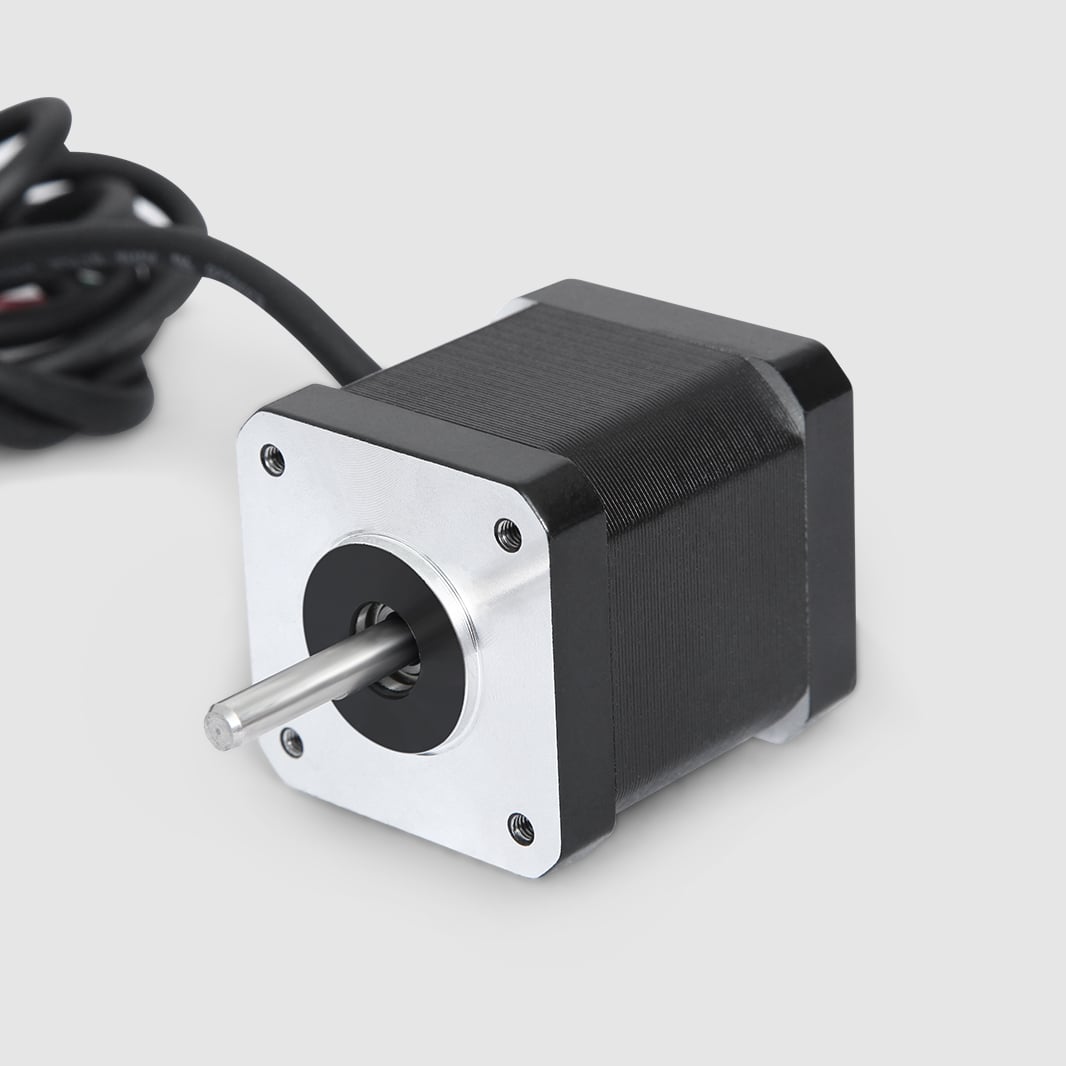
Die NEMA 17 stappmotor het die goue standaard geword vir kompakte bewegingstoepassings in vervaardiging, robotika, 3D-druk en industriële outomasie. Ingenieurs en stelselontwerpers kies konsekwent die NEMA 17 stappmotor wanneer ruimtebeperkings en presisievereistes saamval, wat dit ’n onmisbare komponent in moderne bewegingsbeheerstelsels maak. Om te verstaan hoekom die NEMA 17 stappmotor hierdie marksegment oorheers, moet sy meganiese spesifikasies, prestasiekenmerke en werklike geskiktheid vir veeleisende toepassings ondersoek word.
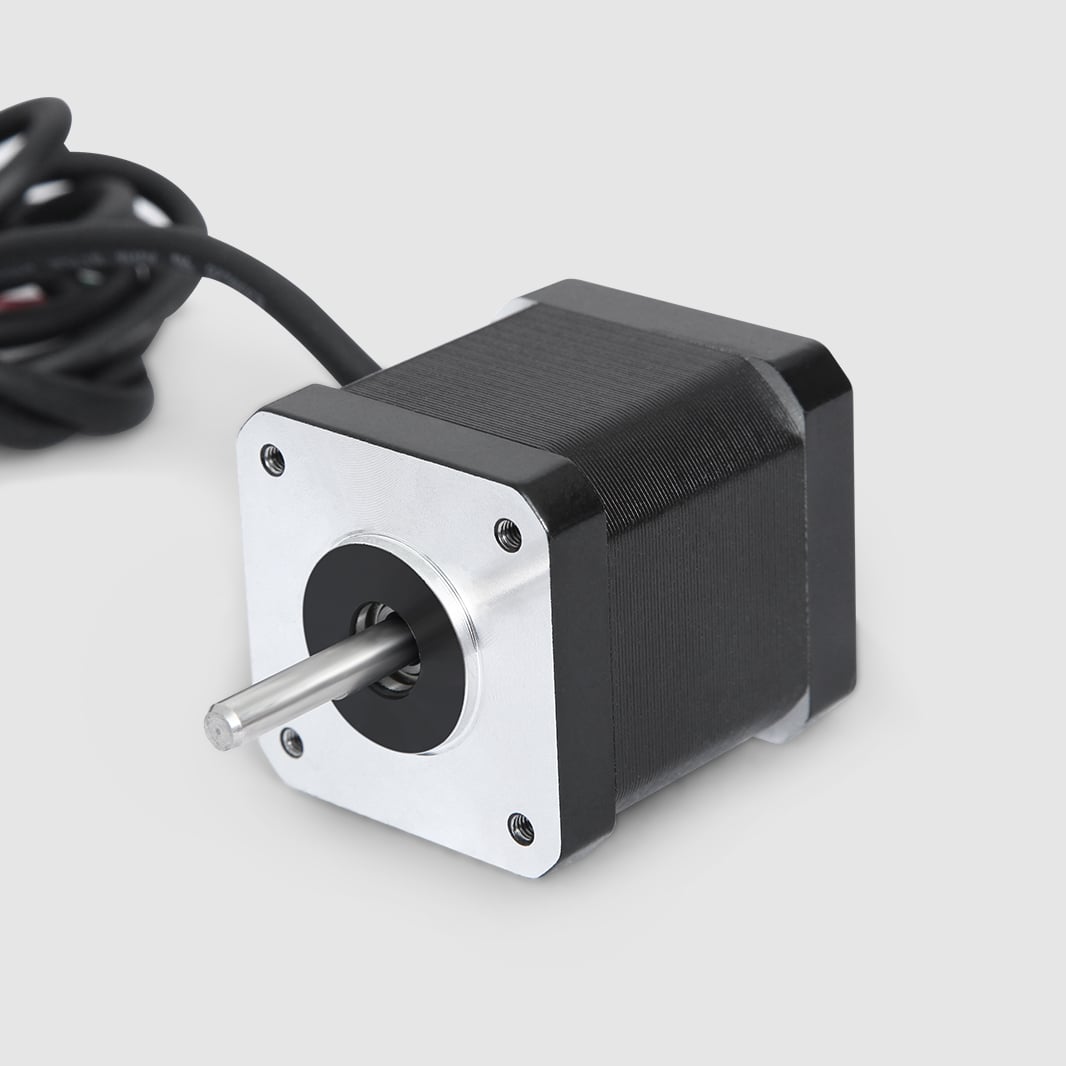
Die NEMA 17-stappmotor verteenwoordig ’n optimale balans tussen fisieke voetspoor en wringkraguitset wat min alternatiewe kan evenk. Met ’n 1,7-duim-vierkantige frontplaat en vasgryp-wringkrag wat gewoonlik wissel van 30 tot 50 newton-sentimeter, lewer die NEMA 17-stappmotor beduidende krag binne ’n opmerklik kompakte omhulsel. Hierdie kombinasie verduidelik hoekom die NEMA 17-stappmotor die verwysingsstandaard geword het waar ontwerpers meganiese massa moet minimaliseer sonder om betroubaarheid in bewegingsbeheer te kompromitteer.
Kompakte grootte en wringkragbalans
Optimale dimensionele doeltreffendheid
Die NEMA 17-stapmotor het ’n afmeting van ongeveer 42 millimeter vierkant met ’n diepte van 39 millimeter, wat dit die kleinste NEMA-standaardmotor maak wat betekenisvolle werkverrigting kan lewer. Hierdie afmetingsprofiel laat toe dat die NEMA 17-stapmotor in behuisinge, toestelraamwerke en samestellings pas wat groter motortipes heeltemal sal verwerp. Stelselintegrators verkies die NEMA 17-stapmotor juis omdat sy fisiese beperkings nie ’n volledige herontwerp van die omringende meganiese strukture dwing nie, wat ontwikkelingsiklusse en vervaardigingskompleksiteit verminder.
Die NEMA 17-stapmotor se kompakte geometrie laat nie die monteerbaarheid of standaardisering van die koppelvlak agterweë nie. Die gestandaardiseerde voorkantplaat maak dit moontlik vir die NEMA 17-stapmotor om naadloos met planêre versnellingskasse, direkte-aandrywing skyfiesisteme, spitskrewes en tydskorrelbandopstelle te integreer. Ingenieurs kan die NEMA 17-stapmotor met vertroue spesifiseer, aangesien meganiese koppeling en ondersteuningskonstruksies sonder pasgemaakte vervaardiging aanpas, ’n noodsaaklike voordeel in prototipering- en lae-volumeproduksie-omgewings.
Kragmoment-teen-Gewig-verhouding
Die NEMA 17 stapmotor weeg gewoonlik tussen 270 en 350 gram en lewer vasgryptorques van 30 tot 50 Newton-sentimeter, wat ’n uitstekende krag-na-gewig-verhouding gee in vergelyking met servo-motors of GEL-geborstelde alternatiewe van soortgelyke grootte. Hierdie doeltreffendheid maak die NEMA 17 stapmotor die verkose keuse vir toepassings waar bewegende massa laag moet bly, soos boonste gantry-stelsels, veel-as robot-arme en lug- of mobiele platforms. Die NEMA 17 stapmotor bereik hierdie prestasie deur ’n geoptimaliseerde magnetiese vloedverspreiding en ’n presisie rotorontwerp wat kraggenerering per eenheid massa maksimeer.
Ingenieurs gebruik dikwels die NEMA 17-stapmotor as ’n basismotor vir haalbaarheidsstudies omdat sy bekende prestasieomvang ’n vinnige beoordeling moontlik maak van of ’n gegewe bewegingsprofiel bereik kan word. Indien ’n NEMA 17-stapmotor nie voldoende versnelling kan lewer of spoed onder las nie kan handhaaf nie, weet die ontwerper met sekerheid dat die toepassing groter-formaat motore benodig, wat die oorgang na NEMA 23- of NEMA 34-standaarde regverdig. Hierdie duidelikheid in besluitneming versnel prototipering en voorkom oorspesifikasie van bewegingshardeware.
Presisiebeheer en gemaklike integrasie
Stapresolusie en posisionele akkuraatheid
Die NEMA 17 stapmotor werk met ’n inherente staphoek van 1,8 grade per volle stap en verskaf 200 afsonderlike posisies per volledige omwenteling. Wanneer dit gekoppel word aan mikrostap-stuur-elektronika, bereik die NEMA 17 stapmotor effektiewe stapresolusies van 0,9, 0,45 of 0,225 grade, afhangende van die mikrostap-instelling, en lewer posisionele herhaalbaarheid wat beter is as dié van baie servo-stelsels teen ’n breukdeel van die koste en kompleksiteit. Hierdie inherente presisie maak die NEMA 17 stapmotor die natuurlike keuse vir posisionerings-toepassings wat akkuraatheid binne een tiende van ’n millimeter of beter vereis.
Die NEMA 17 stapmotor vereis geen terugvoer-sensore, enkoders of geslote-lus beheerstelsels om posisieakkuraatheid onder statiese lasse te handhaaf — ’n fundamentele voordeel bo geborstelde GELIJKSTROOM- of servo-alternatiewe. Stelselontwerpers spesifiseer die NEMA 17 stapmotor om die materiaallystekoste te verminder, sensor-kalibrasieprosedures te verwyder en firmware-ontwikkeling te vereenvoudig. Die NEMA 17 stapmotor se inherente posisiebehoud beteken dat kragverlies of onverwagse meganiese vasvaltoestande nie stelselveiligheid kompromitteer of ingewikkelde foutherstelrutines vereis nie.
Drywerkompatibiliteit en elektroniese eenvoud
Die NEMA 17 stapmotor werk teen standaard voedingstappings tussen 12 en 48 V GEL, wat ooreenstem met die kraginfrastruktuur van die meeste industriële beheeromgewings. Mikrostapbestuurmodule volgens nywerheidsstandaarde aanvaar TTL-vlak puls- en rigtingsseine van basiese mikrobeheerderuitsette, wat die NEMA 17 stapmotor toepaslik maak vir Arduino, Raspberry Pi en industriële PLC-stelsels sonder addisionele seinvoorwaardings. Hierdie wye toepaslikheid verseker dat die NEMA 17 stapmotor in bestaande stelsels of nuwe ontwerpe geïntegreer kan word met minimale herontwerp van elektronika.
Die twee-fase argitektuur en standaard windingskonfigurasies van die NEMA 17 stapmotor laat ontwerpers toe om uit tientalle kompatible dryfopsies van verskillende vervaardigers te kies, wat verskaffer-afhanklikheid voorkom en die risiko in die voorsieningsketting verminder. Wanneer ’n NEMA 17 stapmotor-bewegingsmodule misluk of verouder, is vervangingskomponente maklik beskikbaar met onderling verruilbare penuitvoere en prestasiespesifikasies. Hierdie standaardisering het die NEMA 17 stapmotor die bedryfsnorm gemaak vir opvoedkundige robotika, maker-platforms en kommersiële toestelvervaardigers wat koste-effektiewe bewegingsoplossings soek.
Geskiktheid vir werklike toepassings
3D-drukwerk en additiewe vervaardiging
Die NEMA 17-stapmotor treef die argitektuur van 3D-drukkers oor omdat sy kompakte vormfaktor in karretjie-opstelle pas terwyl dit genoeg koppel lewer om uitdrukkratte en posisieer-meganismes met betroubare akkuraatheid te dryf. Die vermoë van die NEMA 17-stapmotor om onmiddellik te begin en te stop sonder dat dit gly of ossilleer, maak dit ideaal vir laag-vir-laag beweging, waar posisie-akkuraatheid direk invloed op drukkwaliteit het. Verbruikers- en industriële 3D-drukkervervaardigers standaardiseer op die NEMA 17-stapmotor, wat ’n ekosisteem van saamwerkende warmeuiteindes, uitdrukmodule en meganiese opgraderings skep wat onmoontlik sou wees met nie-standaard motorformate.
CNC-versnyding en presisie-posisionering
Kleinvoetspoor CNC-masjiene, graveermasjiene en freessisteme vertrou op die NEMA 17 stapmotor om dryfskroewe en tidsbandjies met mikrovlakposisioneringsakkuraatheid oor die X-, Y- en Z-as te dryf. Die NEMA 17 stapmotor se konstante wringkrag by alle spoed elimineer die versnellings- en vertraagingsrampe wat deur servostelsels vereis word, wat bewegingsbeplanning vereenvoudig en siklustydvariasie verminder. Die NEMA 17 stapmotor se lae elektriese geraas en selfdempende eienskappe verminder vibrasie-oordrag na presisie-snygereedskap, wat direk die oppervlakafwerking en dimensionele konsekwentheid van die voltooide onderdele verbeter.
Die koste-effektiwiteit van die NEMA 17 stapmotor laat vervaardigers toe om posisionering met veelvuldige asse te implementeer sonder om begrotingsbeperkings te oorskry wat servomotors of borstelloose alternatiewe sou uitsluit. Die NEMA 17 stapmotor kan met ratvermindering- of katrolstelsels gekoppel word om beskikbare draaimoment te versterk, wat prestasie skaal sonder om die fundamentele motorformaat te verander. Hierdie skaalbaarheid het die NEMA 17 stapmotor tot die fondament van tallose outomatiese produksiestelsels gemaak waar presisie en bekostigbaarheid ewe belangrik is.
VEE
Wat maak die NEMA 17 stapmotor beter as die NEMA 23 vir kompakte toepassings?
Die NEMA 17 stapmotor het ’n afmeting van ongeveer 42 millimeter vierkant in vergelyking met die NEMA 23 se 56 millimeter vierkant, wat ’n 40 persent kleiner frontale area bied terwyl dit steeds voldoende draaimoment behou vir die meeste kompakte bewegingstake. Wanneer ruimtebeperkings streng is, verwyder die NEMA 17 stapmotor die behoefte aan meganiese herontwerp wat noodsaaklik sou wees indien daar na groter formate opgrader word. Die NEMA 17 stapmotor se laer traagheid laat ook vinniger versnelling toe, wat die deurset in toepassings soos 3D-druk verbeter waar vinnige posisionering noodsaaklik is.
Kan ’n NEMA 17 stapmotor servo-motors in presisieposisionering vervang?
Die NEMA 17-stapmotor kan servo-motors vervang in posisie-toepassings met statiese lasse waar geslote-lus terugvoer nie nodig is nie en die hou-koppel volstaan om drywing te voorkom. Die NEMA 17-stapmotor tree uit in deterministiese bewegingspatrone waar posisie bereken en voorspel word eerder as dat dit gemonitor word. In dinamiese omgewings met veranderlike of skoklasse kan servo-motors egter beter presteer omdat hulle aktief posisiefout korrekteer, terwyl die NEMA 17-stapmotor op die koppel van die motorwindings staat om meganiese gly te voorkom.
Hoe verbeter mikrostapping die prestasie van die NEMA 17-stapmotor?
Mikrostap-aandrywings aktiveer die NEMA 17-stappemotorspoel met wisselende stroomsterktes, wat effektiewe staphoeke skep wat fyners is as die motor se inherente 1,8-graden-spesifikasie. Die NEMA 17-stappemotor kan 'n resolusie van 0,9 grade bereik met halfstapping en 'n resolusie van 0,225 grade met sestien-mikrostapping, wat vibrasie drasties verminder en posisionering gladheid verbeter. Die NEMA 17-stappemotor se mikrostapvermoë het geen addisionele hardewarekoste nie en vereis slegs kompatible aandrywer-elektronika wat nou standaard is in industriële en verbruikersbewegingsbeheermarkte.