
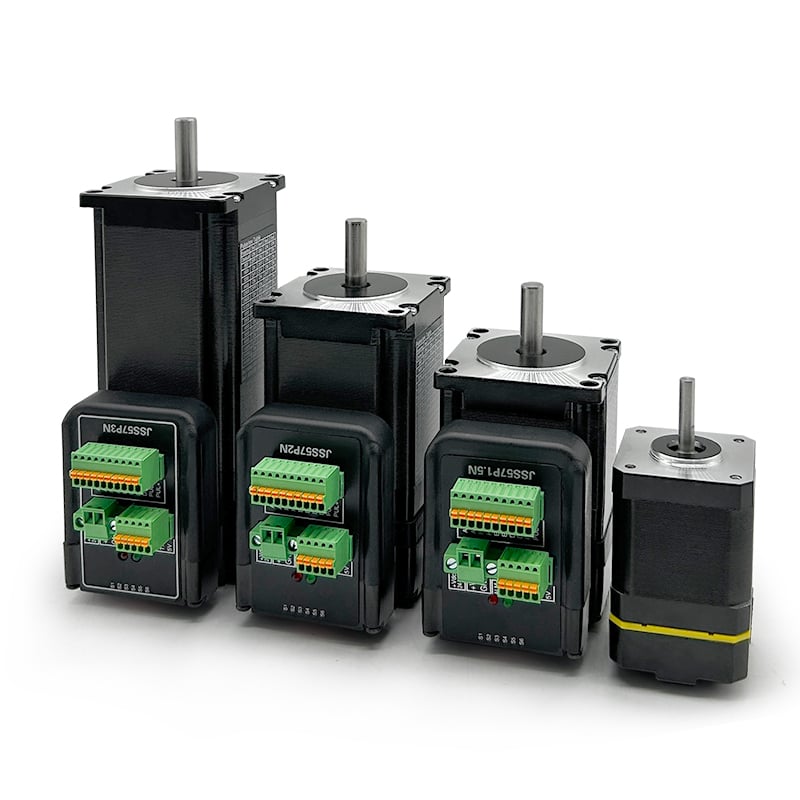
Грешките в позиционирането отдавна предизвикват предизвикателства за системите за индустриална автоматизация, особено в приложенията, изискващи висока точност и надеждност. Една затворен цикъл стъпков мотор решава този фундаментален проблем чрез интегриране на механизми за обратна връзка в реално време, които непрекъснато следят и коригират положението на двигателя. За разлика от традиционните стъпкови двигатели с отворен контур, които работят без потвърждение на позицията, стъпковият двигател със затворен контур осигурява точност и повтаряемост, каквито изискват индустриалните производители. Тази технология представлява значителна еволюция в управлението на движение и променя начина, по който прецизното оборудване функционира в различни индустрии.
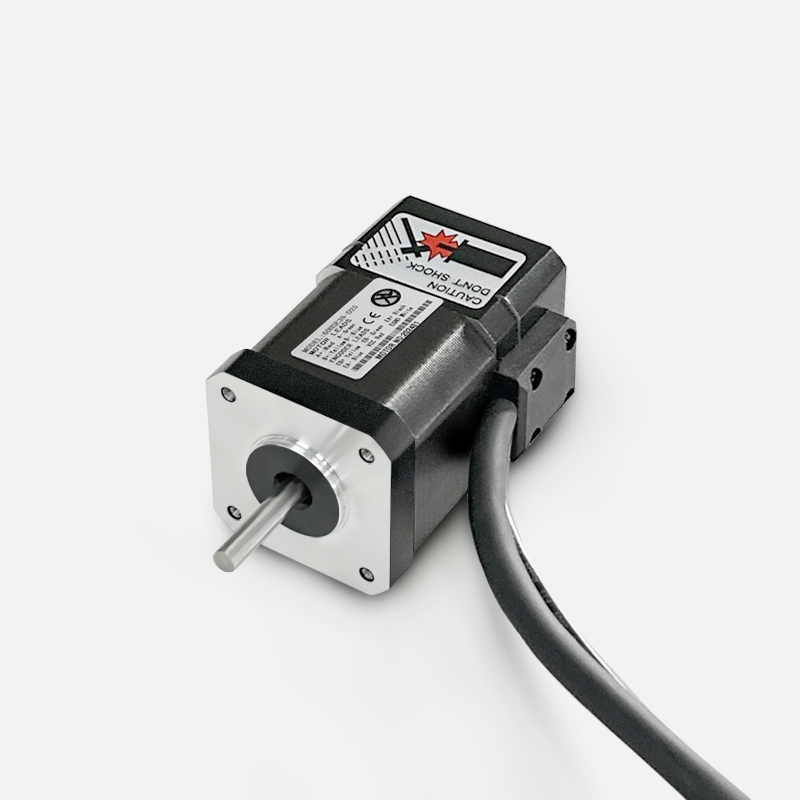
Основното предимство на стъпковия двигател с затворен контур се крие в способността му да открива и елиминира грешки в позиционирането, преди те да се разпространят през производствената ви система. Чрез прилагане на обратна връзка от енкодер и интелигентни алгоритми за управление тази архитектура на двигателя гарантира, че действителната позиция на вала съвпада с командната позиция, като по този начин се избягват скъпите последици от пропуснати стъпки или дрейф. Организациите, които използват CNC машини, роботизирани системи, печатни устройства и оборудване за полупроводникови технологии, все повече осъзнават, че инвестициите в стъпкови двигатели с затворен контур защитават както качеството на продуктите, така и непрекъснатостта на операциите.
Разбиране на механизмите за намаляване на грешките при стъпковите двигатели с затворен контур
Архитектура за обратна връзка по отношение на позицията в реално време
Затворената контурна стъпкова двигателя функционира чрез непрекъснато сравняване на действителното положение на вала на двигателя с командния зададен параметър. Интегриран енкодер генерира импулси за обратна връзка по положението, които постъпват директно в електрониката за управление. Когато затворената контурна стъпкова двигателя засече отклонение — независимо дали е предизвикано от промени в товара, механично съпротивление или износ на компоненти — системата автоматично коригира тока и времевите параметри, за да компенсира отклонението. Тази корекция в реално време протича за милисекунди, поради което корекцията на грешките остава невидима за външни процеси. Традиционните стъпкови двигатели с отворен контур не могат да засекат такива отклонения, което означава, че грешките в позиционирането се натрупват незабелязано, докато не настъпи отказ на системата или производствени дефекти.
Обратната връзка функционира непрекъснато през целия цикъл на работа на двигателя. Всяка оборотна единица на стъпков двигател с обратна връзка генерира множество импулси от енкодера, които софтуерните алгоритми анализират незабавно. Ако двигателят изостане от зададената позиция, системата за управление увеличава тока за задвижване или коригира параметрите на времевото задаване, за да ускори движението на вала. Обратно, ако двигателят напредва прекалено бързо, системата намалява тока, за да позволи на товара да се нагоди. Тази двупосочна способност за корекция отличава стъпковия двигател с обратна връзка от пасивните двигатели без обратна връзка и обяснява защо приложенията, изискващи висока прецизност, все по-често изискват тази технология.
Логика за откриване и компенсиране на грешки
Интелигентността, вградена в модула за управление на стъпков двигател с обратна връзка, определя точността на позиционирането и надеждността на системата. Сложни алгоритми анализират големината и посоката на грешката в позицията, след което изчисляват оптимални коригиращи действия. За разлика от простите системи, които само сигнализират за грешки, напредналите контролери за стъпкови двигатели с обратна връзка прогнозират бъдещи тенденции в грешките и предварително коригират параметрите, за да се попречи на грешките да достигнат критични стойности. Тази прогнозна способност е от решаващо значение в производствени среди с висока скорост, където незабавната корекция на грешки не бива да компрометира производителността. Стъпковият двигател с обратна връзка учи от исторически данни за позиция, което позволява на системата за управление да оптимизира работата си според специфичните характеристики на натоварването и циклите на работа, уникални за всяко приложение.
Практически предимства от внедряването на стъпков двигател с обратна връзка
Елиминирани пропуснати стъпки и загубена позиция
Стъпковите двигатели с отворен контур страдат от фундаментална уязвимост: когато въртящият момент на натоварването надвиши задържащата способност на двигателя при дадена скорост, двигателят прави стъпка назад, без да има никакъв индикатор, че позицията е изгубена. Стъпковият двигател със затворен контур напълно елиминира този скрит режим на отказ. Енкодерът незабавно открива движението назад и системата за управление генерира допълнителни импулси, за да възстанови позицията. Машините, използващи стъпков двигател със затворен контур, никога не работят в неопределено състояние, при което позицията, зададена от софтуера, противоречи на действителното положение на вала. Тази абсолютна позиционна цялост предотвратява каскадните грешки, които преследват прецизното производство, където една пропусната стъпка се натрупва през последователните операции и води до значителни дефекти.
Производствените обекти, които използват автоматично сглобяване, прецизни режещи системи и роботизирани позициониращи устройства, все по-често съобщават за нулев брой непланувани спирания след преминаването към технологията за стъпкови двигатели с обратна връзка. Метриките за качество на продуктите подобряват меримо, когато всяка команда за позициониране се превръща в точна механична реалност. Стъпковият двигател с обратна връзка гарантира, че грешките в позиционирането не се натрупват в рамките на производствените серии, като осигурява последователно качество на продукцията партида след партида. Това подобрение в надеждността директно намалява разходите за поправки, разходите за отпадъчен материал и оплакванията на клиентите относно качеството.
Подобрена производителност при променливи натоварвания
Промишлените среди рядко осигуряват постоянни и предсказуеми натоварвания. Двигателите се сблъскват с променливо съпротивление от износени лагери, топлинно разширение, сезонни промени във влажността и операционни вариации. Стъпковият двигател с обратна връзка автоматично се адаптира към тези условия, без да се налага ръчна настройка на параметрите. Когато натоварването стане по-голямо, двигателят компенсира чрез увеличаване на тока за задвижване; когато натоварването намалее, токът автоматично се намалява. Тази адаптивна способност означава, че стъпковият двигател с обратна връзка запазва точността на позиционирането независимо от екологични или механични вариации, които биха нарушили работата на двигател с отворена верига. Интеграторите на системи вече не са принудени да избират двигатели с прекалено висок въртящ момент, за да се компенсират най-неблагоприятните сценарии на натоварване; вместо това правилно подбран стъпков двигател с обратна връзка може да справи целия диапазон от реални експлоатационни условия.
Адаптивният характер на стъпковия двигател с обратна връзка значително удължава срока на експлоатация на оборудването. Като непрекъснато коригира параметрите на производителността си, за да отговаря на действителните условия, двигателят работи с оптимална ефективност, а не постоянно на максимална мощност. Топлинното напрежение намалява, умората на компонентите се забавя, а механичният износ се разпределя по-равномерно в цялата система. Производствените предприятия съобщават, че прилагането на стъпкови двигатели с обратна връзка удължава срока на експлоатация на оборудването с 30 до 50 процента спрямо еквивалентните инсталации с отворена верига, което води директно до подобряване на възвръщаемостта на инвестициите и намаляване на изискванията за капитали.
Точен контрол на скоростта и позиционирането
Изискванията за точност в съвременното производство често надхвърлят простото позициониране от точка до точка и включват непрекъсната регулация на скоростта и гладки профили на ускорение. Стъпковият двигател с обратна връзка се отличава с поддържането на постоянна скорост, въпреки променливите натоварвания, които биха накарали конвенционалните двигатели да намалят скоростта си или да работят нестабилно. Печатните системи изискват последователна скорост, за да произвеждат ясни текстове и изображения; оборудването за обработка на полупроводникови материали изисква прецизна ъглова скорост за позициониране на пластините; опаковъчните машини имат нужда от гладко движение, за да се предотврати повреждането на продуктите. Стъпковият двигател с обратна връзка осигурява стабилността на скоростта, необходима за тези приложения, като елиминира колебанията в скоростта, характерни за работа в режим на отворена верига при променливо натоварване.
Сценарии на приложение, при които стъпковият двигател с обратна връзка намалява критични грешки
Прецизно производство и CNC операции
Числовото програмиране на машините (CNC) напълно зависи от точността на позиционирането, за да се произвеждат части в рамките на проектните спецификации. Стъпковият двигател с обратна връзка осигурява гаранцията за позициониране, която CNC програмирането предполага. Производителите на медицински устройства, доставчиците за аерокосмическата промишленост и производителите на прецизни компоненти изискват технологията на стъпкови двигатели с обратна връзка, тъй като алтернативите с отворена верига внасят неприемлив риск за качеството. При обработката на имплантируеми медицински устройства или конструктивни елементи за летателни апарати грешки в позиционирането, измерени в микрометри, могат да направят скъпите материали негодни за употреба. Стъпковият двигател с обратна връзка изцяло елиминира тази категория рискове, като гарантира, че действителната позиция съвпада с програмираните координати по време на всяка операция. Рентабилността от инвестициите става очевидна, когато само една инсталация на стъпков двигател с обратна връзка предотврати загубата на една партида високостойностни части.
Автоматизирани системи за сглобяване и роботика
Съвременната роботика и автоматизираните сборъчни линии изискват перфектна координация между множество оси и устройства. Стъпковият двигател с обратна връзка гарантира, че всеки роботен став или актуатор на сборъчна станция поддържа абсолютна синхронизация на позицията. Многосистемните системи, използващи технологията на стъпкови двигатели с обратна връзка за всяка ос, постигат прецизна сборъчна подравняваност, която алтернативите с отворена верига не могат да осигурят. Сборката на електронни компоненти, фармацевтичното опаковане и производството на потребителски стоки все повече изискват точността на стъпковите двигатели с обратна връзка. Когато допуснатата грешка при сборката е ±0,5 мм, а производителността изисква 60 цикъла в минута, позиционирането с отворена верига става икономически непрактично; стъпковият двигател с обратна връзка прави тази техническа спецификация постижима и икономически ефективна.
Оптични и полупроводникови устройства
Оптичните системи и оборудването за обработка на полупроводници изискват позиционна точност в подмикронния диапазон. Технологията на стъпкови двигатели с обратна връзка, комбинирана с прецизни механични компоненти, осигурява екстремната точност, необходима за тези приложения. Оборудването за фотолитография, лазерните режещи системи и машините за инспекция на пластини използват реализации на стъпкови двигатели с обратна връзка за критичните оси на позициониране. Механизмите за обратна връзка, интегрирани в стъпковите двигатели с обратна връзка, позволяват на системите за управление да компенсират термичното отклонение, механичното люлеене и вибрациите от околната среда — източници на грешки, които биха унищожили точността в системите с отворена верига. Производителите на полупроводници съобщават, че модернизирането към технологията на стъпкови двигатели с обратна връзка подобрило точността на наслагването при литографията с 20 до 30 процента и намалило загубата на добив поради грешки в позиционирането.
Често задавани въпроси
Каква е основната разлика между стъпков двигател с обратна връзка и стъпков двигател с отворена верига?
Основната разлика е в обратната връзка за позицията и способността за корекция на грешки. Стъпковият двигател с отворен контур получава командни импулси, но никога не потвърждава дали вала на двигателя действително се е преместил в зададената позиция; ако товарът надвиши въртящия момент, стъпките се губят безшумно. Стъпковият двигател със затворен контур включва енкодер, който непрекъснато измерва действителната позиция и я сравнява с командната, автоматично коригирайки всякакви отклонения. Тази фундаментална разлика означава, че стъпковият двигател със затворен контур гарантира точност на позиционирането, докато стъпковият двигател с отворен контур не я гарантира. В прецизни приложения, където грешките в позиционирането водят до значителни последици, стъпковият двигател със затворен контур е задължителен, а не по избор.
Колко струва стъпковият двигател със затворен контур спрямо алтернативите с отворен контур?
Затвореният контур стъпър двигател обикновено струва 2 до 4 пъти повече от еквивалентния стъпър двигател с отворен контур поради интегрираното кодиращо устройство и напредналата електроника на контролера. Въпреки това, сравнението на разходите трябва да включва предотвратените загуби: бракувани компоненти, разходи за поправка, непланово просто стояне и претенции по гаранция. Единствено предотвратена неизправност често оправдава инвестициите в стъпър двигател с затворен контур. В производствени среди с висока стойност, където цената на продукта надхвърля 50 долара САЩ, допълнителните разходи за стъпър двигател с затворен контур представляват по-малко от 1 процент от цената на продукта, докато значително намаляват риска от дефекти. Организациите трябва да анализират общата стойност на собственост, а не само покупната цена, при вземане на решение между стъпър двигател с затворен контур и алтернативите с отворен контур.
Може ли стъпър двигател с затворен контур да бъде монтиран в съществуващи системи с отворен контур?
Много от съществуващите системи могат да бъдат модернизирани със стъпкови двигатели със затворен контур, но решението изисква техническа оценка. Ако механичната инсталация позволява леко по-големия размер на компонентите на енкодера и ако контролерите на системата могат да интегрират сигнали за обратна връзка, модернизацията е възможна. Обаче софтуерът за управление често изисква значителни промени, за да използва ефективно обратната връзка от стъпковите двигатели със затворен контур. Частичните модернизации — като се подобрят само някои критични оси с технологията за стъпкови двигатели със затворен контур, докато останалите остават с отворен контур — предлагат икономически ефективен компромис за съществуващото оборудване. Интеграторите на системи трябва да оценят монтажа на двигателя, съвместимостта с контролера и разходите за модификация на софтуера, преди да започнат програма за модернизация със стъпкови двигатели със затворен контур.