
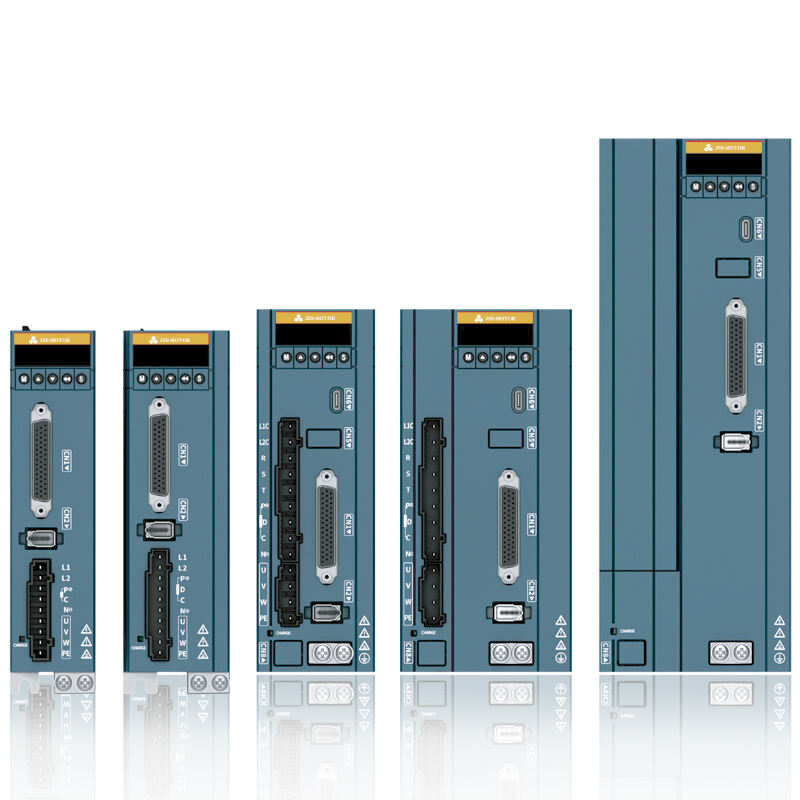
Индустриалните системи за автоматизация силно разчитат на прецизен контрол на движението, където технологията на сервоприводите играе ключова роля за поддържане на ефективността на операциите и продължителността на експлоатацията на оборудването. Разбирането на основните фактори, които влияят върху надеждността на сервоприводите, е от съществено значение за инженери, специалисти по поддръжка и мениджъри на производствени обекти, които имат нужда да оптимизират своята инфраструктура за автоматизация. Надеждността на един сервопривод пряко влияе върху времето на безпроблемна работа на производството, разходите за поддръжка и общата производителност на системата в различни индустриални приложения.
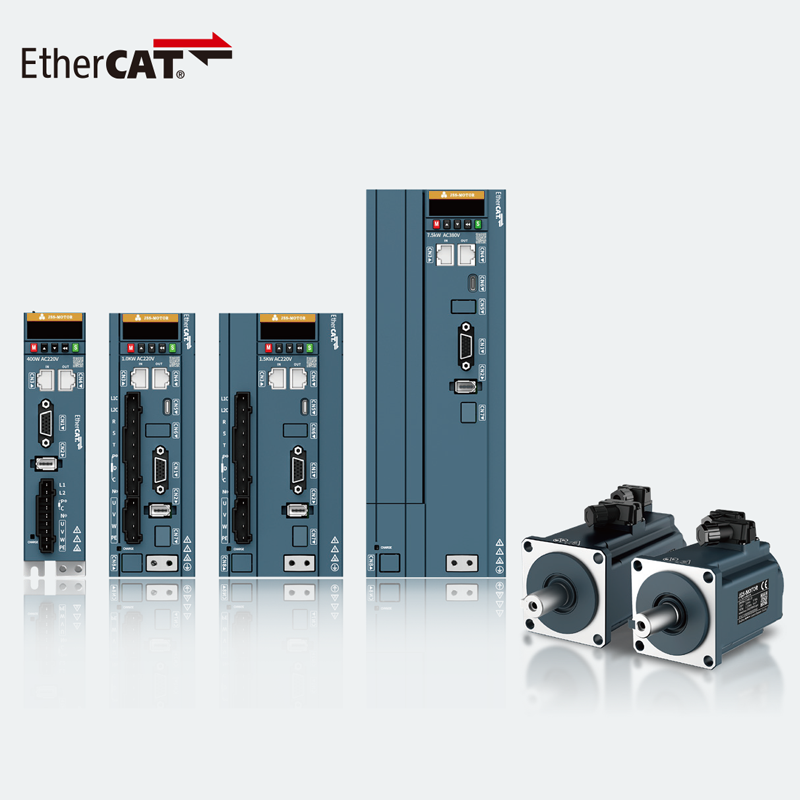
Екологични фактори, влияещи върху производителността на сервоприводите
Контрол на температурата и термично управление
Температурните колебания представляват една от най-значимите заплахи за надеждността на сервоприводите в промишлени среди. Излишното топлинно отделяне в сервопривода може да доведе до деградация на компонентите, намаляване на ефективността и преждевременно повреждане на критични електронни компоненти. Правилните системи за термично управление, включващи адекватна вентилация, топлоотводи и мониторинг на температурата, са от съществено значение за поддържане на оптимални работни условия.
Вариациите в температурата на околната среда също влияят върху производителността на сервоприводите, особено в обекти без климатичен контрол. Сервоприводите от високо качество включват механизми за термична защита и алгоритми за температурна компенсация, за да осигуряват стабилна работа при различни външни условия. Редовният мониторинг на работната температура помага за идентифициране на потенциални проблеми, преди те да доведат до отказ на системата.
Защита от влажност и влага
Проникването на влага представлява сериозен риск за електрониката на сервоприводите и може да причини корозия, къси съединения и разрушаване на изолацията. Промишлените среди често са подложени на променливи нива на влажност, което прави защитата от влага критичен фактор за дългосрочната надеждност. Правилното проектиране на корпуса, уплътнените връзки и околната уплътнителна защита помагат да се предпазят чувствителните компоненти на сервоприводите от повреди, свързани с влагата.
Контролът на кондензацията става особено важен в приложения, при които температурните колебания се случват редовно. Напредналите системи за сервоприводи включват конформни покрития и материали, устойчиви на влага, за да се подобри защитата срещу откази, свързани с влажността. Системите за мониторинг на околната среда могат да предоставят ранно предупреждение за условия, които биха могли да застрашат надеждността на сервоприводите.
Електрически характеристики и качество на електрозахранването
Стабилност на напрежението и аспекти, свързани с електрозахранването
Качеството на електрическата енергия директно влияе върху надеждността на сервоприводите, като колебанията на напрежението, хармониците и електрическият шум всички допринасят за потенциални системни проблеми. Стабилният електрозахранващ източник гарантира, че сервоприводът работи в рамките на зададените параметри, намалявайки натоварването върху вътрешните компоненти и удължавайки експлоатационния му срок. Регулаторите на напрежение, без прекъсване захранващите устройства (UPS) и оборудването за подобряване на качеството на електрическата енергия помагат за поддържане на постоянни електрически условия.
Прекомерното и недостатъчното напрежение могат да причинят незабавни повреди на веригите на сервопривода или да ускорят стареенето на компонентите чрез повтарящи се цикли на натоварване. Съвременните конструкции на сервоприводи включват защитни вериги и системи за мониторинг на напрежението, които откриват и реагират на проблеми с качеството на захранването. Редовният анализ на качеството на захранването помага за идентифициране на потенциални проблеми, преди те да повлияят на надеждността на сервопривода.
Електромагнитно въздействие и заземяване
Електромагнитните смущения от съседно оборудване могат да нарушат работата на сервоприводите и да предизвикат непредсказуемо поведение или откази в комуникацията. Правилното екраниране, трасиране на кабелите и практиките за заземяване са от съществено значение за минимизиране на проблемите, свързани с електромагнитните смущения, в промишлени среди. Сервоприводните системи от високо качество включват вградени филтри за електромагнитни смущения и възможности за потискане на шум, за да осигурят надеждна работа в електрически шумни среди.
Цялостността на заземителната система играе ключова роля за надеждността на сервоприводите, като осигурява защита срещу електрически повреди и гарантира правилни референтни сигнали. Лошото заземяване може да доведе до земни контури, напрежения между различни точки на заземяване и увеличена податливост към електрически смущения. Системният подход към проектирането на заземяването и регулярното тестване на съпротивлението на заземяването помагат за поддържане на оптимални електрически условия за работата на сервоприводите.
Механични фактори и качество на монтажа
Устойчивост към вибрации и удар
Механичните вибрации от съседни машини или структурно движение могат да повлияят на надеждността на сервоприводите чрез умора на компонентите, охлабване на връзките и резонансни ефекти. Промишлените сервоприводни блокове са проектирани да издържат типичните нива на вибрация, но прекомерното или продължително въздействие на вибрации може да ускори износването и да намали експлоатационния живот. Правилните методи за монтиране, изолация от вибрации и редовни инспекции помагат за минимизиране на проблемите, свързани с вибрациите.
Ударните натоварвания от внезапни механични удари или електрически преходни процеси могат да предизвикат незабавни повреди на чувствителните компоненти на сервоприводите. Защитните системи за монтиране, амортизатори и здрави конструкции на корпусите помагат за защита срещу механични удари. Разбирането на характеристиките на вибрациите и ударите в средата на инсталиране позволява подходящ подбор на сервоприводи и прилагане на адекватни защитни мерки.
Изисквания за монтиране и вентилация
Правилните практики за инсталиране оказват значително влияние върху надеждността на сервоприводите, като ориентацията при монтиране, изискванията за разстояния и вентилацията всички влияят върху топлинната производителност и достъпността за поддръжка. Неправилното монтиране може да доведе до недостатъчно охлаждане, увеличен стрес върху компонентите и затруднен достъп до точките за връзка при диагностика. Следването на производствените спецификации за инсталиране гарантира оптимална производителност и надеждност.
Изискванията за вентилация се различават в зависимост от номиналната мощност на сервоприводите и условията на околната среда, като адекватният въздушен поток е от съществено значение за предотвратяване на прегряване. Затворени вентилационни отвори, замърсени въздушни филтри или недостатъчни разстояния могат да доведат до топлинни проблеми и намалена надеждност. Редовната инспекция и поддръжка на вентилационните системи помагат да се осигури правилното охлаждане на компонентите на сервоприводите.
Практики за поддръжка и експлоатационни фактори
Стратегии за превенитивна поддръжка
Системните програми за профилактично поддръжка значително повишават надеждността на сервоприводите, като идентифицират потенциални проблеми преди те да доведат до откази. Редовната проверка на връзките, почистването на системите за вентилация и мониторингът на работните параметри помагат за поддържане на оптимална производителност. Документирането на дейностите по поддръжка и анализът на тенденциите в експлоатационните данни осигуряват ценни прозрения относно състоянието и моделите на производителност на сервоприводите.
Графиците за замяна на компоненти, базирани на препоръките от производителя и експлоатационната история, помагат за предотвратяване на неочаквани откази. Критичните компоненти, като охладителни вентилатори, кондензатори и филтри, имат ограничени срокове на експлоатация, които изискват периодична замяна. Превантивната замяна на износващи се части намалява риска от вторични повреди и удължава общия сервопривод надеждност.
Мониторинг на работните параметри
Непрекъснатото наблюдение на работните параметри на сервопривода осигурява ранно предупреждение за възникващи проблеми и позволява проактивни поддръжки. Ключови параметри включват температурата, тока, напрежението и състоянието на комуникацията.
Анализът на тенденциите в експлоатационните данни помага да се идентифицират постепенните промени в производителността на сервопривода, които могат да сочат към остаряване на компонентите или промени в натоварването. Редовното регистриране и анализиране на параметрите позволяват прилагането на предиктивни стратегии за поддръжка, които оптимизират надеждността, като в същото време минимизират излишните поддръжки. Интеграцията със системите за мониторинг на цялата инсталация осигурява пълна прозрачност относно състоянието на сервоприводите в множество системи.
Характеристики на натоварването и приложни аспекти
Съответствие и размериране на натоварването
Правилното съответствие на мощността на сервопривода с изискванията на приложението е основно условие за постигане на надеждна работа и оптимална производителност. Недостатъчно мощните сервоприводни системи работят при високо ниво на напрежение, което води до ускорено износване и повишена честота на откази. Прекалено мощните системи могат да работят неефективно и да проявяват проблеми при работа на ниски скорости или при динамични отговорни характеристики.
Анализът на товара трябва да взема предвид не само стационарните изисквания, но и динамичните условия, като профили на ускорение, цикли на работа и пикови изисквания към въртящия момент. Изборът на сервопривод трябва да отчита факторите за намаляване на мощността поради околната среда, възможностите за бъдещо разширение и безопасностни запаси, за да се гарантира надеждна дългосрочна експлоатация. Правилните изчисления за размерите помагат да се оптимизират както производителността, така и надеждността.
Цикъл на работа и термични аспекти
Режимите на работа значително влияят върху термичните характеристики на сервоприводите и очакванията за тяхния срок на служба. Непрекъснатата работа при високи натоварвания генерира повече топлина и механично напрежение в сравнение с преривистата работа, което изисква различни разглеждания относно охлаждането и подбора на размерите. Разбирането на термичните времеви константи и характеристиките на охлаждане на сервопривода помага за оптимизиране на планирането на работния цикъл с цел максимална надеждност.
Върховите натоварвания и възможностите за претоварване трябва да се управляват внимателно, за да се предотврати повреда, без да се компрометира оперативната гъвкавост. Съвременните системи за сервоприводи включват термично моделиране и алгоритми за защита, които предотвратяват прегряването, но позволяват временни условия на претоварване. Правилното инженерно проектиране на приложението гарантира, че възможностите на сервопривода отговарят на действителните експлоатационни изисквания.
Фактори, свързани с качеството и конструкцията
Качество на компонентите и производствени стандарти
Качеството на вътрешните компоненти и производствените процеси директно влияе върху надеждността и срока на експлоатация на сервоприводите. Компоненти от високо качество, като кондензатори, полупроводници и съединители, осигуряват по-добра производителност и по-дълъг срок на експлоатация при изискващи промишлени условия. Процесите за контрол на качеството при производството гарантират последователно високо качество на изпълнение и правилни техники за сглобяване.
Сертификационните стандарти и съответствието с промишлените регулации показват спазване на изискванията за качество и безопасност. Сервоприводните системи, които отговарят на признати стандарти като IEC, UL и CE, демонстрират ангажимент към качество и надеждност. Качествените сертификати и изпитателните доклади внушават доверие в дългосрочната производителност и съвместимост с промишлени приложения.
Робустност на конструкцията и защитни функции
Робустните конструктивни особености повишават надеждността на сервоприводите чрез защита срещу често срещани режими на отказ и външни стресове. Вградените защитни вериги за токова претоварване, прекомерно напрежение и прекомерна температура предотвратяват повреди при аномални работни условия. Резервните системи и механизми за безопасно изключване осигуряват допълнителна надеждност в критични приложения.
Съвременните конструкции на сервоприводи включват функции като способност за непрекъснато функциониране при кратковременни нарушения в захранването, филтриране на хармоници и резервиране на комуникационните канали, за да се поддържа работата при неблагоприятни условия. Заложените в конструкцията на сервоприводните системи запаси по мощност и коефициенти на сигурност осигуряват толерантност към вариации в работните условия и стареене на компонентите. Изчерпателните системи за защита и мониторинг повишават както надеждността, така и поддръжката.
Често задавани въпроси
Колко често трябва да се извършва поддръжка на сервоприводите, за да се гарантира тяхната надеждност?
Честотата на поддръжката зависи от условията на експлоатация и препоръките на производителя, но типичната профилактична поддръжка трябва да се извършва всяка 6–12 месеца. Това включва почистване на системите за вентилация, инспекция на връзките, проверка на работните параметри и замяна на износващи се компоненти като филтри и охладителни вентилатори. По-чести инспекции може да са необходими в тежки среди или при приложения с висока товарна цикличност, където сервоприводните системи изпитват по-голямо напрежение.
Какви са най-честите причини за повреди на сервоприводи в промишлени приложения
Най-честите причини включват прегряване поради недостатъчно охлаждане или вентилация, проблеми с качеството на електрозахранването, като например високи напрежения или електрически шум, замърсяване от прах или влага, както и механични напрежения от вибрации или неправилно монтиране. Стареенето на компонентите, особено на електролитните кондензатори и вентилаторите за охлаждане, също допринася за повредите с течение на времето. Правилната инсталация, поддръжка и защита от външни фактори значително намаляват тези видове повреди.
Може ли надеждността на сервоприводите да бъде подобрена чрез резервни системи или резервно оборудване?
Да, надеждността може да се подобри чрез различни стратегии за резервиране, включително резервни системи за сервоприводи, резервни захранващи блокове и резервиране на комуникационните канали. Конфигурациите с горещ резерв позволяват незабавно превключване при отказ на основната система, докато разпределението на товара между няколко единици намалява натоварването върху отделните компоненти. Изборът на подходяща стратегия за резервиране зависи от критичността на приложението, икономическите съображения и изискванията към архитектурата на системата.
Какъв мониторинг на околната среда се препоръчва за инсталациите на сервоприводи
Ключовите екологични параметри, които трябва да се следят, включват температурата на околната среда, нивото на влажност, амплитудата на вибрациите и нивото на електрическия шум. Мониторингът на температурата трябва да включва както условията на околната среда, така и вътрешната температура на сервопривода, като праговете за аларма се задават според спецификациите на производителя. Мониторингът на влажността помага да се предотвратят проблеми с кондензацията, докато мониторингът на вибрациите може да открие механични неизправности, преди те да причинят повреди на компонентите на сервопривода.
Съдържание
- Екологични фактори, влияещи върху производителността на сервоприводите
- Електрически характеристики и качество на електрозахранването
- Механични фактори и качество на монтажа
- Практики за поддръжка и експлоатационни фактори
- Характеристики на натоварването и приложни аспекти
- Фактори, свързани с качеството и конструкцията
-
Често задавани въпроси
- Колко често трябва да се извършва поддръжка на сервоприводите, за да се гарантира тяхната надеждност?
- Какви са най-честите причини за повреди на сервоприводи в промишлени приложения
- Може ли надеждността на сервоприводите да бъде подобрена чрез резервни системи или резервно оборудване?
- Какъв мониторинг на околната среда се препоръчва за инсталациите на сервоприводи