
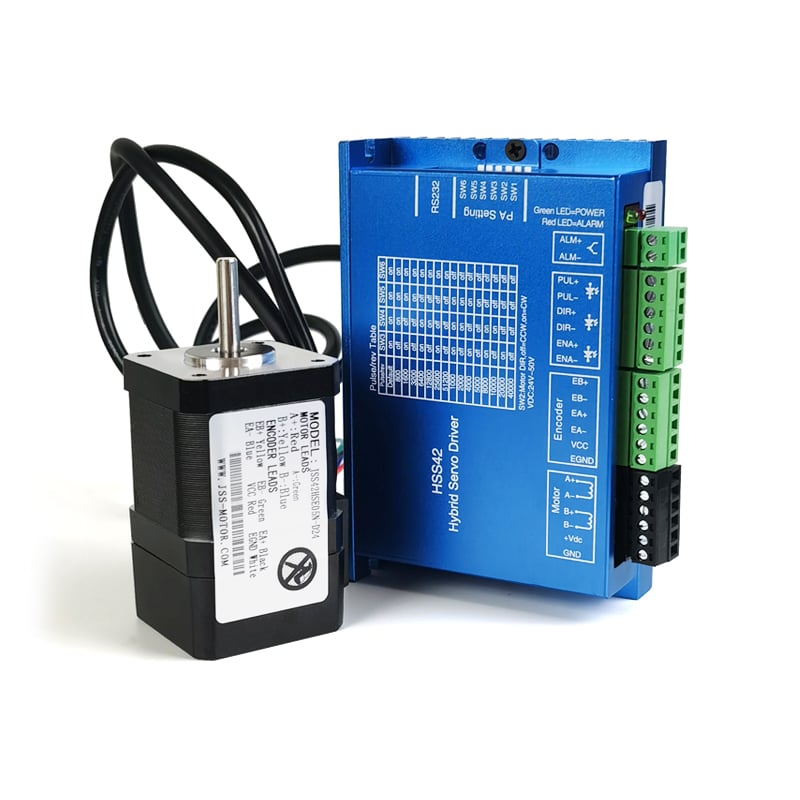
একটি নির্ধারিত থার্মোস্ট্যাট বাছাই করা ক্লোজড লুপ স্টেপার মোটর এবং খোলা-লুপ সিস্টেম শিল্প স্বয়ংক্রিয়করণ ও মোশন কন্ট্রোল ডিজাইনে সবচেয়ে গুরুত্বপূর্ণ সিদ্ধান্তগুলির মধ্যে একটি। যদিও ঐতিহ্যগত খোলা-লুপ স্টেপার মোটরগুলি দশক ধরে উৎপাদন পরিবেশে প্রভুত্ব বজায় রেখেছে, উন্নত ক্লোজড লুপ স্টেপার মোটর প্রযুক্তি ইঞ্জিনিয়ারদের জন্য নির্ভুল অবস্থান নির্ধারণ, গতি নিয়ন্ত্রণ এবং সিস্টেম নির্ভরযোগ্যতা নিয়ে চিন্তা করার পদ্ধতিকে মৌলিকভাবে পরিবর্তন করছে। মূল পার্থক্য ফিডব্যাক ব্যবস্থায় নিহিত। ক্লোজড লুপ স্টেপার মোটর এটি মোটরের প্রকৃত অবস্থানকে ধারাবাহিকভাবে নজর রাখে এবং তা নির্দেশিত অবস্থানের সঙ্গে তুলনা করে, যেখানে ওপেন-লুপ সিস্টেমগুলি শুধুমাত্র বিশ্বাসের উপর নির্ভর করে যে পদক্ষেপগুলি প্রোগ্রাম অনুযায়ী সঠিকভাবে সম্পন্ন হচ্ছে।
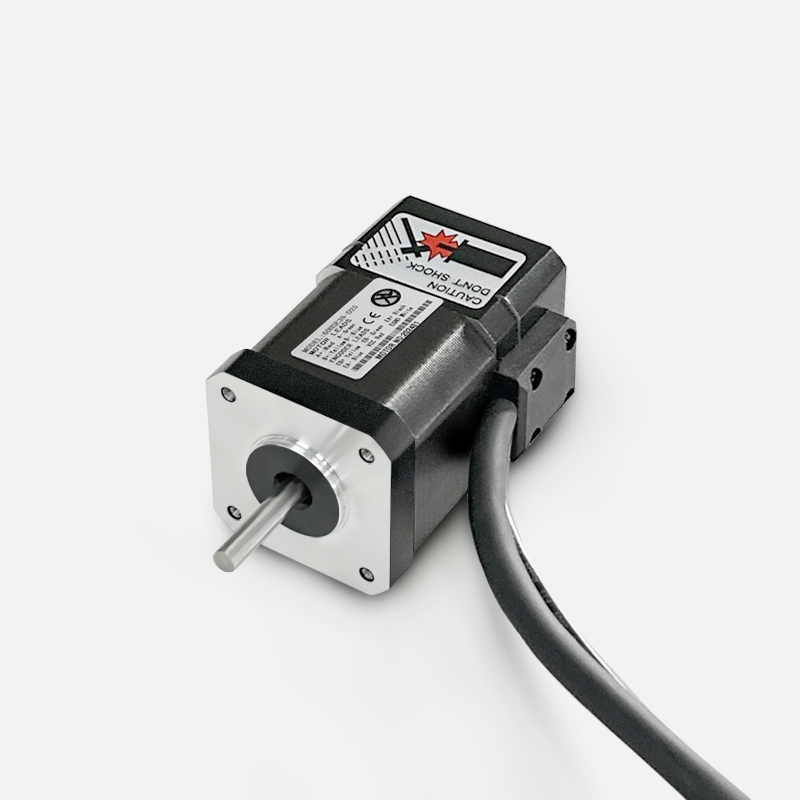
এই পার্থক্যগুলি বোঝা সিএনসি মেশিনারি, ল্যাবরেটরি অটোমেশন, চিকিৎসা যন্ত্রপাতি বা রোবোটিক্সের মতো উচ্চ-নির্ভুলতা প্রয়োজনীয় অ্যাপ্লিকেশনের জন্য মোটর নির্বাচন করতে চাওয়া কারও জন্য অত্যাবশ্যকীয়। একটি ক্লোজড লুপ স্টেপার মোটর সিস্টেম সত্যিকার সময়ে অবস্থানের ত্রুটিগুলি সনাক্ত করে এবং স্বয়ংক্রিয়ভাবে সেগুলি সংশোধন করে, অন্যদিকে ওপেন-লুপ মোটরগুলি শুধুমাত্র যাচাই ছাড়াই পালস পাঠায়। এই মৌলিক স্থাপত্যগত পার্থক্যটি নির্ভুলতা, গতির স্থিতিশীলতা এবং যান্ত্রিক লোডের পরিবর্তনের প্রতি সিস্টেমগুলির প্রতিক্রিয়া পদ্ধতির উপর ব্যাপক প্রভাব ফেলে।
ফিডব্যাক নিয়ন্ত্রণ সহ ক্লোজড লুপ স্টেপার মোটরগুলি কীভাবে কাজ করে
ক্লোজড লুপ সিস্টেমগুলিতে ফিডব্যাক ব্যবস্থার মূল যান্ত্রিক ব্যবস্থা
একটি ক্লোজড লুপ স্টেপার মোটর একটি এনকোডার বা রেজলভার একীভূত করে যা ঘূর্ণনের অবস্থান সম্পর্কে চলমানভাবে মোশন কন্ট্রোলারে রিপোর্ট করে। এই রিয়েল-টাইম ফিডব্যাক সিস্টেমকে সনাক্ত করতে সাহায্য করে যে মোটর শ্যাফট আদেশিত অবস্থানে আসলে পৌঁছেছে কিনা, না লোড বিঘ্নের কারণে অবস্থানে বিলম্ব ঘটেছে। ঐতিহ্যগত স্টেপার মোটরের বিপরীতে, একটি ক্লোজড লুপ স্টেপার মোটর অবিলম্বে হারানো স্টেপ সনাক্ত করতে এবং প্রতিক্রিয়া জানাতে পারে, যার ফলে কোনো অপারেশনের সময় ত্রুটিগুলো নীরবে জমা হতে দেওয়া হয় না। একটি ক্লোজড লুপ স্টেপার মোটর সিস্টেমে এনকোডার রেজোলিউশন নির্ধারণ করে যে কন্ট্রোলার কতটা সূক্ষ্মভাবে অবস্থানের বিচ্যুতি সনাক্ত করতে পারে এবং সংশোধনমূলক নিয়ন্ত্রণ সংকেত প্রেরণ করতে পারে।
ত্রুটি সনাক্তকরণ ও স্বয়ংক্রিয় সংশোধন
যখন একটি ক্লোজড লুপ স্টেপার মোটর যখন অবস্থানের ত্রুটি সনাক্ত করে—অর্থাৎ প্রকৃত শ্যাফট অবস্থান আদেশিত অবস্থান থেকে বিচ্যুত হয়—তখন নিয়ন্ত্রণ অ্যালগরিদম তৎক্ষণাৎ সিস্টেমকে আবার সিঙ্ক্রোনাইজ করার জন্য প্রয়োজনীয় সংশোধনমূলক স্টেপ-পালস ফ্রিকোয়েন্সি গণনা করে। এই চলমান তুলনা ও সংশোধনের চক্রটিই একটি ক্লোজড লুপ স্টেপার মোটর খোলা-লুপ বিকল্পগুলি থেকে। যদি যান্ত্রিক প্রতিরোধ হঠাৎ বৃদ্ধি পায়, একটি ক্লোজড লুপ স্টেপার মোটর স্বয়ংক্রিয়ভাবে অবস্থানের নির্ভুলতা বজায় রাখতে পালস ফ্রিক uency বৃদ্ধি করে, অন্যদিকে একটি খোলা-লুপ মোটর শুধুমাত্র ধাপগুলি মিস করে এবং পিছিয়ে পড়ে।
খোলা-লুপ স্টেপার মোটর এবং তাদের আন্তরিক সীমাবদ্ধতা
কেন খোলা-লুপ সিস্টেমগুলি অবস্থানের নির্ভুলতা যাচাই করতে পারে না
খোলা-লুপ স্টেপার মোটরগুলি একটি মৌলিক ধারণার উপর কাজ করে: মোটরের কয়েলগুলিতে পাঠানো প্রতিটি বৈদ্যুতিক পালস ঠিক একটি যান্ত্রিক ধাপ উৎপন্ন করে। কন্ট্রোলার X সংখ্যক পালস পাঠায় এবং ধরে নেয় যে শ্যাফটটি ঠিক X সংখ্যক ধাপ ঘুরেছে। তবে, যখন বহিঃস্থ লোড টর্ক মোটরের হোল্ডিং টর্ককে অতিক্রম করে, এই ধারণাটি ব্যর্থ হয়; মোটরটি নীরবে ধাপগুলি এড়িয়ে যায় এবং নিয়ন্ত্রণ সিস্টেমটি সম্পূর্ণ অজানা থাকে যে অবস্থানের ত্রুটি ঘটেছে। একটি ক্লোজড লুপ স্টেপার মোটর এই ত্রুটিটি তৎক্ষণাৎ সনাক্ত করে এবং প্রতিবেদন করে, অন্যদিকে একটি খোলা-লুপ মোটর এটিকে সম্পূর্ণ অনিয়ন্ত্রিতভাবে সমগ্র পার্ট বা অ্যাসেম্বলিতে ছড়িয়ে দেয়, যার ফলে সম্ভাব্য স্ক্র্যাপ বা পুনরায় কাজ করার প্রয়োজন হতে পারে।
চলমান লোড অবস্থার অধীনে ধাপ হারানো
ওপেন-লুপ মোটর সিস্টেমের সবচেয়ে বিপজ্জনক দুর্বলতা হলো যে স্টেপ লসগুলো অদৃশ্যভাবে ঘটে। একটি ওপেন-লুপ স্টেপার মোটর ইচ্ছাকৃত ডিসেলারেশন কমান্ড আর যান্ত্রিক জ্যাম যা ঘূর্ণনকে বাধা দেয়—এই দুটোর মধ্যে পার্থক্য করতে পারে না। একটি ক্লোজড লুপ স্টেপার মোটর , অপর পক্ষে, যখন শ্যাফট নির্দেশিত মতো সরে না গেছে তা সনাক্ত করলে তৎক্ষণাৎ সতর্কতা জানায় অথবা সংশোধনমূলক ব্যবস্থা গ্রহণ করে। জড়তাযুক্ত লোড সহ উচ্চ-গতির অ্যাপ্লিকেশন বা যেসব পরিবেশে যান্ত্রিক বাঁধার সম্ভাবনা থাকে, সেখানে ওপেন-লুপ সিস্টেমগুলো প্রায়শই অনাবিষ্কৃত অবস্থান ত্রুটির শিকার হয় যা উৎপাদন চলাকালীন ক্রমাগত বৃদ্ধি পায়, অন্যদিকে একটি ক্লোজড লুপ স্টেপার মোটর সিস্টেম গতিশীল বিঘ্নের অবস্থাতেও অবস্থানের সঠিকতা বজায় রাখে।
ক্লোজড লুপ প্রযুক্তির কার্যকারিতা ও দক্ষতা সুবিধা
লোডের অধীনে গতির স্থিতিশীলতা ও প্রতিক্রিয়াশীলতা
একটি ক্লোজড লুপ স্টেপার মোটর ওপেন-লুপ মোটরের তুলনায় অনেক বেশি আক্রমণাত্মকভাবে ত্বরান্বিত ও মন্থরিত হতে পারে যখন অবস্থানগত নির্ভুলতা বজায় থাকে। যেহেতু ফিডব্যাক ব্যবস্থা প্রতিনিয়ত প্রকৃত অবস্থান নিশ্চিত করে, তাই সে ক্লোজড লুপ স্টেপার মোটর নিয়ন্ত্রক লোড টর্কের পরিবর্তনগুলি ক্ষতিপূরণ করার জন্য পালস ফ্রিক uency গতিশীলভাবে সামঞ্জস্য করতে পারে, যা স্টেপ হারানোর ঝুঁকি ছাড়াই দ্রুততর চক্র সময় অর্জন করে। স্টেপ হারানোর বিরুদ্ধে নিরাপত্তা মার্জিন বজায় রাখতে ওপেন-লুপ মোটরগুলিকে সংযতভাবে পরিচালনা করতে হয়, যা স্বতঃস্ফূর্তভাবে উৎপাদন চক্রগুলিকে ধীর করে দেয়। এই প্রতিক্রিয়াশীলতা গতির মসৃণ পরিবর্তন বা নির্দিষ্ট অবস্থানে নির্ভুলভাবে থামার প্রয়োজনীয় অ্যাপ্লিকেশনগুলির জন্য একটি ক্লোজড লুপ স্টেপার মোটর আদর্শ পছন্দ করে তোলে।
দক্ষতা বৃদ্ধির মাধ্যমে মোটরের আকার ও খরচ হ্রাস
কারণ ক্লোজড লুপ স্টেপার মোটর গতিশীল লোডের সাথেও অবস্থানের নির্ভুলতা বজায় রাখে, তাই প্রকৌশলীরা প্রায়শই একটি ছোট মোটর ফ্রেম সাইজ নির্বাচন করতে পারেন, যা একই অ্যাপ্লিকেশনের জন্য ওপেন-লুপ সমতুল্যের তুলনায় প্রয়োজন হত। ফিডব্যাক নিশ্চিতকরণের কারণে নিরাপত্তার জন্য কম ওভার-সাইজিং মার্জিন প্রয়োজন। এছাড়াও, একটি ক্লোজড লুপ স্টেপার মোটর সিস্টেম ওপেন-লুপ মোটরগুলির মতো সর্বদা সর্বোচ্চ হোল্ডিং টর্ক ধরে রাখার পরিবর্তে অপ্টিমাল কারেন্ট স্তরে কাজ করে শক্তির অপচয় হ্রাস করে। একটি-এর নিয়ন্ত্রক ক্লোজড লুপ স্টেপার মোটর স্থির লোডের সময় কারেন্ট কমানো সম্ভব হয়, অন্যদিকে ওপেন-লুপ সিস্টেমগুলি লোড বিঘ্নের সময় কোনো ধাপ হারানোর সম্ভাবনা এড়াতে ধ্রুব উচ্চ কারেন্ট বজায় রাখে।
দৈর্ঘ্য নির্ণয় ক্ষমতা এবং সিস্টেম নির্ভরযোগ্যতা
একটি ক্লোজড লুপ স্টেপার মোটর ওপেন-লুপ সিস্টেমগুলি যা প্রদান করতে পারে না তার চেয়ে ব্যাপক দৈর্ঘ্য নির্ণয় তথ্য প্রদান করে। একটি ক্লোজড লুপ স্টেপার মোটর এনকোডার ফিডব্যাক নিয়ন্ত্রণ সিস্টেমকে বিপর্যয়কর ব্যর্থতা ঘটানোর আগেই যান্ত্রিক সমস্যাগুলি শনাক্ত করতে সক্ষম করে: বেয়ারিংয়ের ক্ষয়, বেল্টের পিছলে যাওয়া, স্পিন্ডলের বিপরীত সারিবদ্ধতা এবং লোড জ্যাম—সবগুলোই একটি উন্নত ক্লোজড লুপ স্টেপার মোটর নিয়ন্ত্রক দ্বারা শনাক্ত করা ও লগ করা যায় এমন বৈশিষ্ট্যপূর্ণ অবস্থান-ত্রুটির স্বাক্ষর তৈরি করে। এই পূর্বাভাসী রক্ষণাবেক্ষণ ক্ষমতা সরঞ্জামের আয়ু বৃদ্ধি করে এবং অপ্রত্যাশিত ডাউনটাইম কমায়। ওপেন-লুপ মোটরগুলি সিস্টেমের স্বাস্থ্য সম্পর্কে এমন কোনো দৃশ্যমানতা প্রদান করে না, ফলে সমস্যা নির্ণয় প্রতিক্রিয়াশীল হয়ে ওঠে না পূর্বাভাসী হয়ে ওঠে।
প্রশ্নোত্তর
ক্লোজড-লুপ স্টেপার মোটরের ওপেন-লুপ সিস্টেমের তুলনায় প্রধান সুবিধা কী?
এর প্রধান সুবিধা হল ক্লোজড লুপ স্টেপার মোটর হল বাস্তব-সময়ে অবস্থান যাচাই করা এবং স্বয়ংক্রিয় ত্রুটি সংশোধন। একটি ক্লোজড লুপ স্টেপার মোটর এটি শ্যাফটটি আদেশিত অবস্থানে আসলেই সরেছে কিনা তা সনাক্ত করে এবং যদি না সরে থাকে তবে তাৎক্ষণিকভাবে সংশোধন করে, যার ফলে পরিবর্তনশীল যান্ত্রিক লোডের অধীনেও অবস্থানের নির্ভুলতা নিশ্চিত হয়। ওপেন-লুপ মোটরগুলিতে কোনো ফিডব্যাক ব্যবস্থা নেই, তাই স্টেপ হারানো ধরা পড়ে না এবং অপারেশন জুড়ে ত্রুটিগুলি জমা হয়ে যায়।
উৎপাদনকারীরা কখন ওপেন-লুপের পরিবর্তে ক্লোজড-লুপ স্টেপার মোটর বেছে নেবেন?
একটি ক্লোজড লুপ স্টেপার মোটর গ্যারান্টিযুক্ত অবস্থানগত নির্ভুলতা, গতিশীল লোডের অধীনে উচ্চ-গতির অপারেশন, অথবা যেখানে স্টেপ হারানোর ফলে অগ্রহণযোগ্য স্ক্র্যাপ বা পুনরায় কাজ করার খরচ হবে—এমন অ্যাপ্লিকেশনগুলিতে এটি অপরিহার্য। চিকিৎসা যন্ত্রপাতি, সূক্ষ্ম CNC মেশিনারি, পরীক্ষাগার স্বয়ংক্রিয়করণ এবং রোবটিক্স অ্যাপ্লিকেশনগুলি সাধারণত একটি ক্লোজড লুপ স্টেপার মোটর প্রয়োজন করে। ওপেন-লুপ সিস্টেমগুলি শুধুমাত্র সরল, কম-গতির, হালকা-লোডের অ্যাপ্লিকেশনের জন্য উপযুক্ত, যেখানে অবস্থান ত্রুটির সহনশীলতা বেশি অথবা যান্ত্রিক বাঁধার সম্ভাবনা নেই।
ক্লোজড-লুপ স্টেপার মোটরের মূল্য ওপেন-লুপ বিকল্পগুলির তুলনায় উল্লেখযোগ্যভাবে বেশি হয়?
একটি ক্লোজড লুপ স্টেপার মোটর সিস্টেমটি সাধারণত এনকোডার ইন্টিগ্রেশন এবং আরও উন্নত কন্ট্রোলার অ্যালগরিদমের কারণে সমতুল্য ওপেন-লুপ সেটআপের তুলনায় প্রাথমিকভাবে ৩০–৫০% বেশি খরচ করে। তবে স্ক্র্যাপ হার কমানো, ছোট মোটর সাইজিং, কম শক্তি খরচ, উৎপাদন গতি বৃদ্ধি এবং সরঞ্জামের আয়ু বৃদ্ধির মতো বিষয়গুলি বিবেচনা করলে, একটি ক্লোজড লুপ স্টেপার মোটর প্রায়শই নির্ভুল উৎপাদন পরিবেশে ১২–২৪ মাসের মধ্যে আকর্ষণীয় রিটার্ন অন ইনভেস্টমেন্ট প্রদান করে।