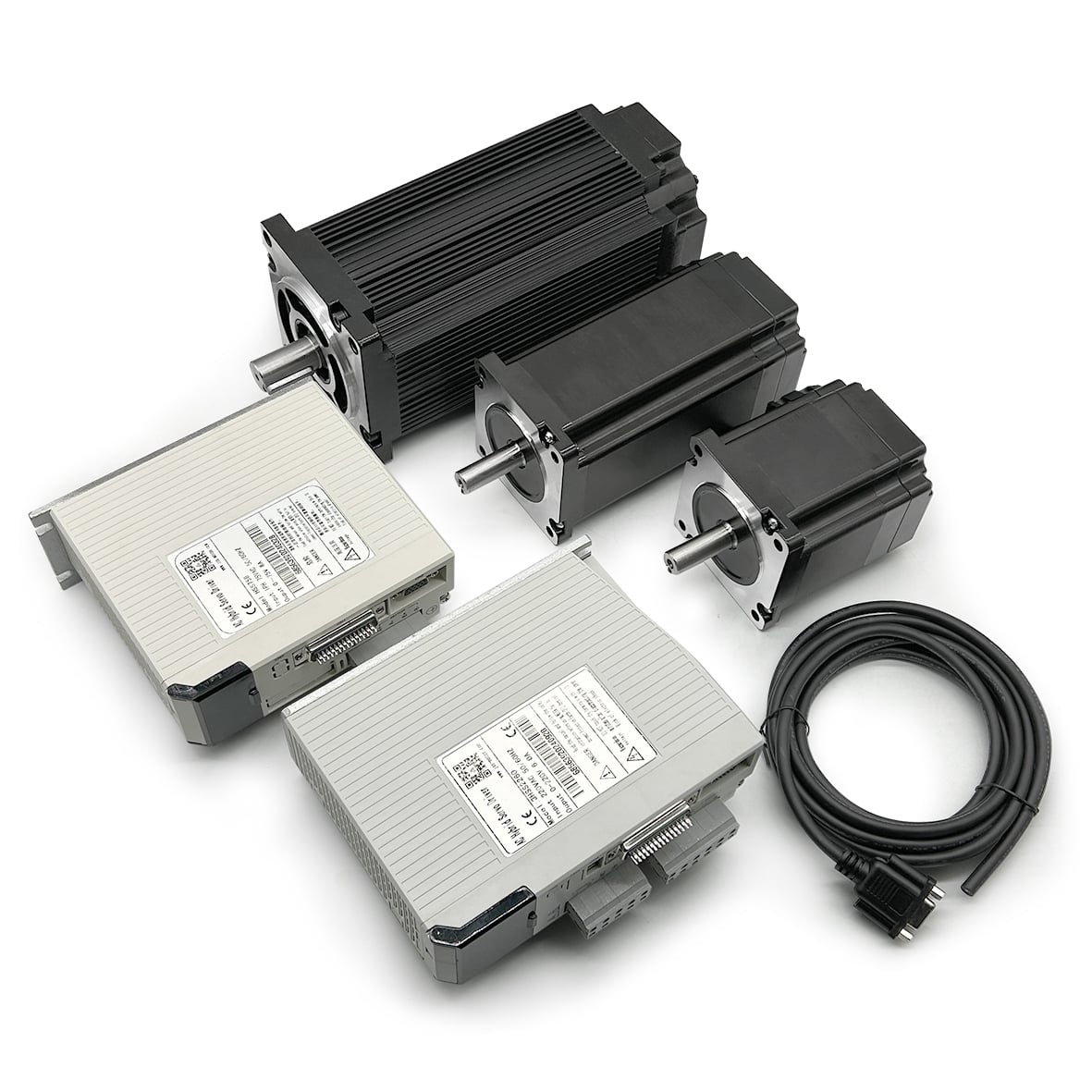
A uzavřený smyčkový krokový motor představuje významný pokrok v technologii řízení pohybu, který spojuje tradiční spolehlivost krokových motorů se zpětnovazebními mechanismy v reálném čase, jež eliminují prosmyknutí a chyby polohy. Tradiční krokové motory se smyčkou otevřenou pracují na základě předpokladu – předpokládají, že každý impulzní příkaz vede k požadovanému kroku. Náročné průmyslové aplikace však vyžadují naprostou jistotu, že se motor skutečně posunul do příkazem určené polohy. Právě zde nastupuje uzavřený smyčkový krokový motor zásadně mění pravidla hry a poskytuje přesnost a opakovatelnost, kterou systémy s otevřenou smyčkou jednoduše nemohou zaručit za podmínek proměnné zátěže, kolísání teploty nebo dynamického provozního zatížení.
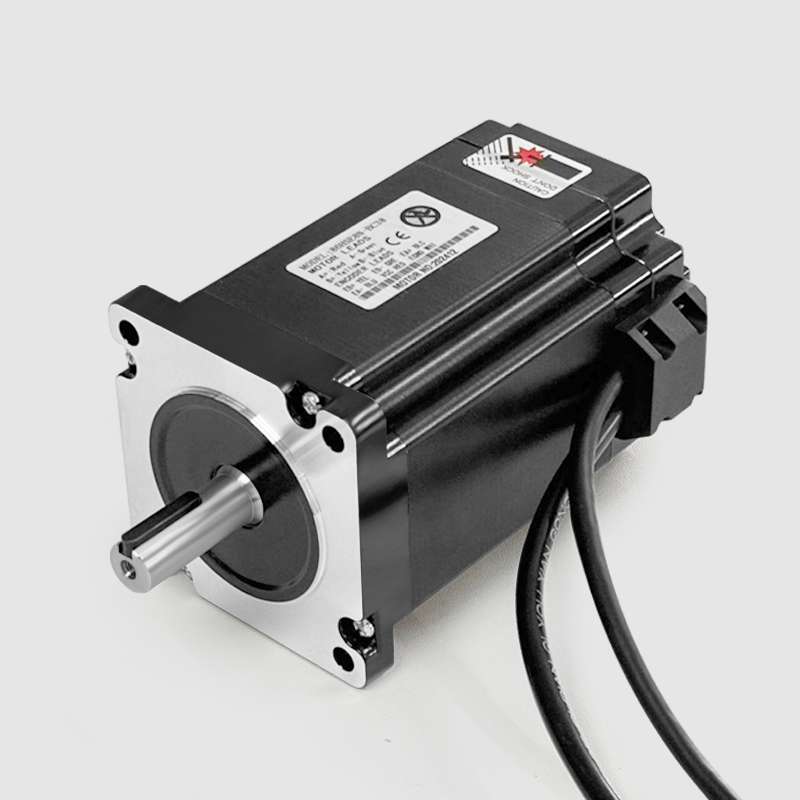
Vhodnost uzavřený smyčkový krokový motor pro náročné úkoly vyplývá z její inteligentní architektury zpětnovazební smyčky. Průběžným sledováním skutečné polohy rotoru prostřednictvím enkodérů nebo magnetických senzorů uzavřený smyčkový krokový motor porovnává příkazovaný pohyb se skutečným pohybem a okamžitě napravuje jakékoli rozdíly. Tato aktivní verifikace zajišťuje nulovou ztrátu polohy, eliminuje zaseknutí za zátěže a udržuje synchronizovaný provoz v komplexních víceosých systémech. Odvětví od precizního výrobního průmyslu a montáže lékařských zařízení až po zpracování polovodičů a robotiku spoléhají na tuto inteligenci uzavřené smyčky, aby dosahovaly konzistentních výsledků bez nutnosti servisních návštěv na místě nebo výrobních prostojů.
Proč krokové motory se zpětnou vazbou excelují v aplikacích vyžadujících vysokou přesnost
Verifikace polohy v reálném čase a korekce chyb
Základní výhodou jednoho uzavřený smyčkový krokový motor spočívá v jeho schopnosti ověřovat každý pohybový příkaz v reálném čase. Na rozdíl od běžných krokových motorů s otevřenou smyčkou, které slepě důvěřují počtu pulsů, uzavřený smyčkový krokový motor neustále měří skutečný úhel rotoru a porovnává ho s příkazem polohy. Pokud je zaznamenána jakákoli odchylka – ať už způsobená mechanickým třením, tepelnou roztažností nebo neočekávanou změnou zátěže – uzavřený smyčkový krokový motor automaticky kompenzuje tuto odchylku vydáním nápravných pulsů, dokud se skutečná poloha nevyrovná příkazu. Toto samoopravné chování znamená, že náročné aplikace nikdy neprodělávají „tiché selhání“, kdy se motor zdánlivě chová normálně, ale ve skutečnosti postupně ztrácí polohu.
Pro úkoly vyžadující přesnost na úrovni mikrometrů, jako je například polohování optických čoček nebo zarovnání substrátu v polovodičovém průmyslu, je tato verifikace v reálném čase ze strany uzavřený smyčkový krokový motor nezbytná. Zpětná vazba se uzavřenou smyčkou eliminuje potřebu drahých externích senzorů polohy, protože uzavřený smyčkový krokový motor sama poskytuje autoritativní polohová data. Návrháři systémů se mohou přímo spoléhat na zpětnou vazbu z motoru, čímž se snižuje složitost hardwaru a požadavky na údržbu, aniž by došlo ke ztrátě absolutního důvěryhodného přesného polohování během milionů pohybových cyklů.
Provozní odolnost za proměnných zatěžovacích podmínek
Náročné průmyslové prostředí přináší proměnné, které způsobují problémy tradičním krokovým motorům. Změny zatížení, tepelné cykly a nárazové jevy mohou způsobit ztrátu synchronizace u krokových motorů se sériovou regulací, což vyžaduje zásah operátora nebo restart systému. uzavřený smyčkový krokový motor naproti tomu dynamicky reaguje na tyto měnící se podmínky. uzavřený smyčkový krokový motor automaticky upravuje proudové a časové parametry tak, aby udržela uzamčení polohy bez ohledu na změny mechanického zatížení. Toto adaptivní chování činí uzavřený smyčkový krokový motor ideálním řešením pro aplikace zahrnující dopravníky, manipulaci s materiálem nebo robotické paže, kde se zatížení během provozu mění.
Navíc uzavřený smyčkový krokový motor poskytuje diagnostickou zpětnou vazbu, která odhaluje vznikající mechanické problémy ještě před tím, než způsobí katastrofální poruchu. Sledováním aktivity opravy chyb mohou údržbové týmy využívající systém uzavřený smyčkový krokový motor detekovat degradaci ložisek, prokluz pásu nebo opotřebení spojky dlouho před tím, než se tyto problémy vyvinou v drahé výpadky provozu. Tato prediktivní informace proměňuje uzavřený smyčkový krokový motor z jednoduchého polohovacího akčního členu v senzor monitorující stav zařízení, který chrání investice do majetku a výrazně prodlužuje životnost aktiv.
Výkonnostní charakteristiky určující vhodnost
Udržování točivého momentu a nosná kapacita zátěže
Klíčovým faktorem rozhodujícím, zda je uzavřený smyčkový krokový motor vhodný pro náročné úkoly, je jeho vynikající schopnost udržovat točivý moment. Krokové motory s otevřenou smyčkou mohou pod trvalou zátěží zablokovat bez vědomí obsluhy, ale uzavřený smyčkový krokový motor zajišťuje aktivní dodávku točivého momentu a automaticky zvyšuje proud, je-li to nutné, aby udržel polohu proti působící síle. Tato schopnost udržovat točivý moment z uzavřený smyčkový krokový motor odstraňuje prokluz nebo posun, který trápí systémy s otevřenou smyčkou v aplikacích svislého zvedání nebo víceosých polohovacích úloh. Inženýři navrhující zařízení pro lékařské zobrazování, průmyslové systémy pro zkoušení materiálů nebo buňky pro přesné výrobní procesy spoléhají na spolehlivý udržovací výkon uzavřený smyčkový krokový motor pro udržení absolutní polohy po celou dobu pracovního cyklu.
Torzní charakteristika uzavřený smyčkový krokový motor se také rozšiřuje do oblasti nízkých otáček a vysokého krouticího momentu, kde se tradiční krokové motory stávají nepolehlivými. A uzavřený smyčkový krokový motor dokáže dodat plný udržovací krouticí moment v klidu, čímž je vhodný pro aplikace vyžadující pomalé plazivé rychlosti nebo udržování polohy bez ztráty polohy. Tato vlastnost činí uzavřený smyčkový krokový motor vynikající volbou pro kompenzaci zatížení vyrovnaného gravitací, udržování tahové síly nebo pomalé indexování v systémech, kde nelze obětovat přesnost.
Rychlost odezvy a výkon při zrychlování
Při náročných úkolech zahrnujících rychlé pohyby osy nebo situace nouzového zastavení se stává rychlost odezvy řídicího hardware pro pohyb kritickou. A uzavřený smyčkový krokový motor reaguje rychleji než řešení se smyčkou otevřeného typu, protože zpětnovazební smyčky umožňují řídicímu zařízení motoru ověřit úspěšné zrychlení místo jeho předpokladu na základě odhadů času. uzavřený smyčkový krokový motor automaticky snižuje rychlost zrychlení, pokud se rotor nedokáže udržet krok, a poté obnovuje agresivní zrychlení, jakmile se podmínky zatížení zlepší. Tato inteligentní charakteristika nastavování rychlosti zabrání překmitům a kmitům, kterým jsou vystaveny krokové motory se smyčkou otevřeného typu, pokud jsou příliš agresivně naladěny.
Pro nouzové brzdění nebo rychlou změnu směru poskytuje uzavřený smyčkový krokový motor absolutní potvrzení polohy, což je kritické pro bezpečnostně citlivé aplikace ve strojních nástrojích, lisovacím zařízení nebo dopravních systémech. uzavřený smyčkový krokový motor může okamžitě nahlásit dosažení příkazované polohy místo toho, aby ponechala nejistotu, zda bylo příkazované zastavení skutečně dosaženo. Tato jistota stavu pohybu činí uzavřený smyčkový krokový motor neocenitelným v situacích, kdy chyba polohy může způsobit poškození zařízení nebo bezpečnostní incidenty.
Praktické posouzení vhodnosti pro náročná prostředí
Odolnost vůči teplotním a environmentálním zátěžím
Náročná průmyslová prostředí často zahrnují extrémní teploty, vlhkost nebo vibrace, které by snížily výkon standardních krokových motorů. uzavřený smyčkový krokový motor zachovává přesnost v širším rozsahu teplot, protože zpětnovazební mechanismus automaticky kompenzuje tepelné účinky, jako jsou změny odporu vinutí nebo změny síly magnetu. Při kolísání teploty uzavřený smyčkový krokový motor dynamicky upravuje svůj proudový profil tak, aby udržel stálý točivý moment a přesnost polohování, zatímco krokové motory se otevřenou smyčkou ztrácejí točivý moment a nakonec zastaví při stejném tepelném zatížení.
Environmentální odolnost uzavřený smyčkový krokový motor zahrnuje také odolnost proti vibracím. Vibrace, které by u krokového motoru se smyčkou otevřenou způsobily ztrátu kroků, jsou u uzavřený smyčkový krokový motor , což jej činí vhodným pro instalaci v blízkosti výrobního zařízení, které vyvolává významné mechanické otřesy. Tato odolnost vůči vibracím znamená, že uzavřený smyčkový krokový motor může spolehlivě fungovat ve výrobních závodech, těžkých průmyslových provozech nebo na mobilním zařízení, kde by řešení s otevřenou smyčkou vyžadovala nadměrnou izolační infrastrukturu.
Integrace a škálovatelnost systému
A uzavřený smyčkový krokový motor se bezproblémově integruje do sofistikovaných víceosých automatizačních systémů, protože jeho zpětnovazební výstup umožňuje synchronizovat pohyb napříč nezávislými osami motorů s koordinací na úrovni mikrometrů. Při koordinaci několika uzavřený smyčkový krokový motor jednotek napříč komplexním mostovým systémem, dopravníkem nebo robotickým manipulátorem umožňuje reálný zpětnovazební signál každého uzavřený smyčkový krokový motor softwarovým algoritmům okamžitě detekovat a napravovat chyby synchronizace. Tato uzavřená zpětnovazební koordinace zabrání mechanickému zaseknutí a opotřebení, ke kterému by došlo u krokových motorů s otevřenou smyčkou pracujících nesynchronizovaně.
Navíc škálovatelnost uzavřený smyčkový krokový motor systémy sa rozširujú od kompaktných jednotiek NEMA 17, ktoré slúžia pre laboratórne prístroje, až po priemyselné jednotky NEMA 34, ktoré poháňajú ťažké stroje. uzavřený smyčkový krokový motor architektúra zostáva v tomto rozsahu veľkostí konštantná, čo inžinierom umožňuje vybrať vhodné rozmery rámov podľa ich požiadaviek na krútiaci moment a rýchlosť, pričom sa zachováva rovnaká spoľahlivosť a charakteristiky spätnej väzby. Táto konštantnosť výkonu uzavretej slučky v rámci celého výrobkového radu robí uzavřený smyčkový krokový motor ekonomickou voľbou pre rastúce portfóliá automatizácie.
Často kladené otázky
Ako uzavretá slučka krokového motora zabráni stratám polohy počas prevádzky?
A uzavřený smyčkový krokový motor využívá integrovaný enkodér nebo magnetický senzor k nepřetržitému měření skutečné polohy rotoru a porovnává ji v reálném čase se zadanou polohou. Pokud je zaznamenána jakákoli odchylka způsobená zátěží, třením nebo mechanickým prokluzem, řídicí jednotka motoru automaticky vyšle nápravné pulzy, dokud se skutečná poloha nezarovná se zadanou. Tento zpětnovazební uzavřený okruh zajišťuje nulovou kumulativní chybu polohy po celou dobu provozu, bez ohledu na vnější rušení nebo změny zátěže, které by u motorů s otevřenou smyčkou způsobily tiché ztráty kroků.
Jaké typy průmyslových aplikací nejvíce profitují z krokového motoru se zpětnovazebním uzavřeným okruhem?
A uzavřený smyčkový krokový motor je zvláště vhodný pro přesné výrobní procesy, zařízení pro polovodičový průmysl, montáž lékařských přístrojů, robotiku, optické systémy a automatizované manipulační systémy, kde je přesnost polohy nepodmíněnou požadavkem. Aplikace zahrnující svislé zátěže, proměnné zatížení, tepelné cykly nebo expozici vibracím všechny profitují z samoopravního chování uzavřený smyčkový krokový motor . Aplikace nouzového zastavení a bezpečnostně kritické polohovací systémy také spoléhají na uzavřený smyčkový krokový motor pro poskytnutí autoritativního potvrzení, že příkazy k pohybu byly skutečně provedeny tak, jak bylo zamýšleno.
Proč je krokový motor se zpětnou vazbou dražší než alternativy bez zpětné vazby?
A uzavřený smyčkový krokový motor stojí více, protože obsahuje integrované senzory zpětné vazby, sofistikovanější elektroniku pro řízení motoru a proprietární algoritmy umožňující ověření polohy v reálném čase a samoopravu. Dodatečné náklady jsou kompenzovány sníženou složitostí systému, eliminací externích senzorů polohy, zlepšenou spolehlivostí, menším počtem servisních návštěv na místě a prodlouženou životností zařízení. U náročných aplikací, kde chyby polohy přímo vedou k vadám výrobků nebo bezpečnostním rizikům, se investice do uzavřený smyčkový krokový motor obvykle vrátí prostřednictvím sníženého podílu zmetků a eliminace prostojů.