
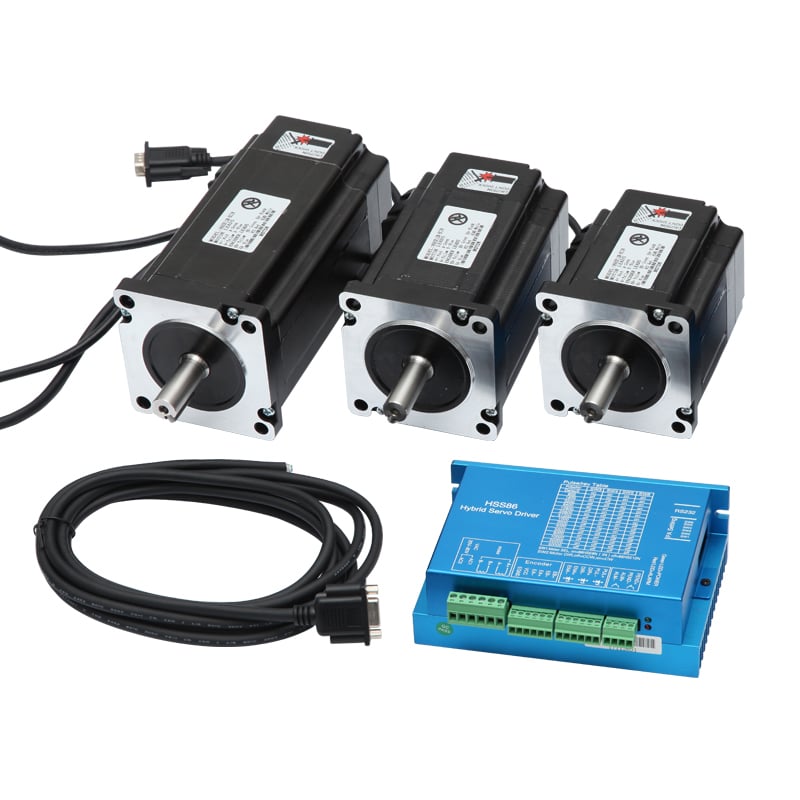
Οι βηματικοί κινητήρες ανοιχτού βρόχου έχουν χρησιμοποιηθεί εδώ και πολύ καιρό στη βιομηχανική αυτοματοποίηση, αλλά παρουσιάζουν μια θεμελιώδη περιοριστική πτυχή: δεν μπορούν να επαληθεύσουν αν ο δρομέας τους μετακινήθηκε πραγματικά στη θέση που του εντάχθηκε. Όταν κλειστός Βρόχος Βηματικός Κινητήρας ένα σύστημα εγκαθίσταται αντ’ αυτού, η ανατροφοδότηση σε πραγματικό χρόνο μετατρέπει τον έλεγχο κίνησης από εικασία σε εγγυημένη ακρίβεια. Αυτή η διάκριση γίνεται κρίσιμη σε εφαρμογές όπου τα λάθη θέσης συσσωρεύονται και οδηγούν σε απόβλητα, επανεργασία ή κινδύνους για την ασφάλεια. Η κατανόηση του λόγου για τον οποίο κλειστός Βρόχος Βηματικός Κινητήρας η ανατροφοδότηση έχει σημασία είναι απαραίτητη για μηχανικούς και ομάδες προμηθειών που λαμβάνουν αποφάσεις ελέγχου κίνησης στην κατασκευή, σε ιατρικές συσκευές, στη ρομποτική και στην ακριβή συναρμολόγηση.
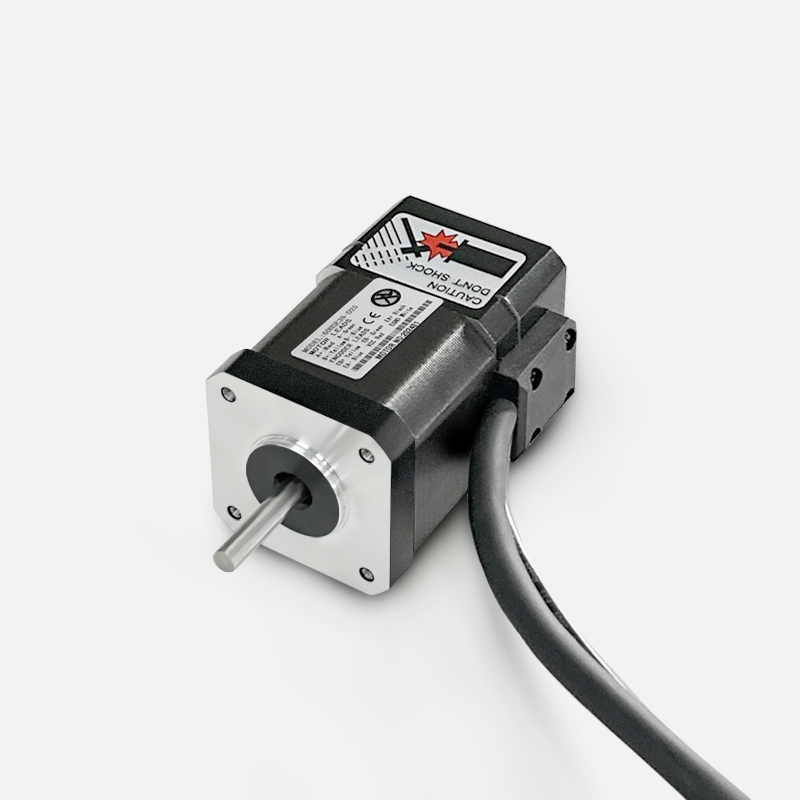
Ο βασικός λόγος για τον οποίο ένα κλειστός Βρόχος Βηματικός Κινητήρας σύστημα παρέχει ανώτερη ακρίβεια είναι η μηχανική ευθύνη. Σε αντίθεση με τα συστήματα ανοιχτού βρόχου που στέλνουν τυφλά παλμούς στα τυλίγματα του κινητήρα, ένα κλειστός Βρόχος Βηματικός Κινητήρας χρησιμοποιεί ενσωματωμένους κωδικοποιητές ή αισθητήρες για να παρακολουθεί συνεχώς την πραγματική θέση του δρομέα. Εάν ο κινητήρας σταματήσει, παραλείψει ένα βήμα ή αντιμετωπίσει απρόσμενη τριβή, το σύστημα ελέγχου ανιχνεύει αμέσως την απόκλιση και τη διορθώνει. Αυτή η επαλήθευση σε πραγματικό χρόνο εξαλείφει τα κρυφά σφάλματα θέσης που πλήττουν τους παραδοσιακούς κινητήρες βημάτων και διασφαλίζει ότι κάθε εντολή κίνησης αντιστοιχεί ακριβώς στην πραγματική μετατόπιση του δρομέα.
Πώς η ανάδραση του κινητήρα βημάτων με κλειστό βρόχο εμποδίζει την απώλεια ακρίβειας
Ανίχνευση και διόρθωση απώλειας βημάτων
Οι παραδοσιακοί κινητήρες βημάτων με ανοιχτό βρόχο χάνουν ακρίβεια όταν οι εξωτερικές δυνάμεις υπερβαίνουν τη ροπή στήριξης του κινητήρα. Ένα αιφνίδιο μηχανικό φορτίο, μια αιφνίδια αύξηση της τριβής ή ένα αδρανειακό κρούσμα μπορεί να προκαλέσει την παράλειψη βημάτων χωρίς καμία ειδοποίηση. Μέχρι να παρατηρήσει ο χειριστής την ασυμφωνία, δεκάδες ή εκατοντάδες εξαρτήματα μπορεί ήδη να έχουν απορριφθεί. κλειστός Βρόχος Βηματικός Κινητήρας αντιμετωπίζει αυτή την ευπάθεια εντοπίζοντας σε πραγματικό χρόνο τα βήματα που παραλείπονται. η ανάδραση από τον κωδικοποιητή αποκαλύπτει αμέσως οποιαδήποτε απόκλιση μεταξύ της εντολής και της πραγματικής θέσης, προκαλώντας διορθωτικές παλμούς για την επαναφορά της συγχρονισμένης λειτουργίας. αυτή η διόρθωση με κλειστό βρόχο είναι αόρατη στο επίπεδο εφαρμογής, αλλά αποτρέπει την καταστροφική παρέκκλιση της ακρίβειας.
Εξάλειψη συσσωρευμένου σφάλματος θέσης
Σε πολυάξονες συστήματα που εκτελούν επαναλαμβανόμενους κύκλους, μικρά σφάλματα θέσης συσσωρεύονται με τον καιρό. εάν κάθε κύκλος εισάγει ένα σφάλμα ενός μικρομέτρου και η μηχανή λειτουργεί χιλιάδες κύκλους ημερησίως, η συσσωρευμένη παρέκκλιση μπορεί να φτάσει χιλιοστά μέσα σε ώρες. ένα κλειστός Βρόχος Βηματικός Κινητήρας σύστημα επαναφέρει αυτή την παρέκκλιση μετά από κάθε κίνηση, επειδή ο κωδικοποιητής παρέχει ανάδραση με βάση την πραγματική τιμή. το σύστημα ελέγχου συγκρίνει την ένδειξη του κωδικοποιητή με την επιθυμητή θέση και εφαρμόζει ακριβείς διορθώσεις πριν προχωρήσει στο επόμενο σημείο προορισμού. κατά τη διάρκεια μιας παραγωγικής λειτουργίας οκτώ ωρών, αυτή η αρχιτεκτονική με κλειστό βρόχο διατηρεί την ακρίβεια εντός στενών περιθωρίων, κάτι που θα ήταν αδύνατο με κινητήρες ανοικτού βρόχου.
Γιατί οι βιομηχανίες εξαρτώνται από συστήματα κλειστού βρόχου με κινητήρες βηματισμού
Κατασκευή και ακριβής συναρμολόγηση
Οι προμηθευτές αυτοκινήτων, οι κατασκευαστές ηλεκτρονικών και οι κατασκευαστές ιατρικών συσκευών εξαρτώνται από ακρίβεια τοποθέτησης που μετράται σε δεκάδες μικρόμετρα. Οι μηχανές χύτευσης με έγχυση χρησιμοποιούν κλειστός Βρόχος Βηματικός Κινητήρας συστήματα για να ελέγχουν την ταχύτητα και τη θέση της βίδας με επαναληψιμότητα σε επίπεδο μικρομέτρου. Τα μηχανήματα συναρμολόγησης PCB βασίζονται σε κλειστός Βρόχος Βηματικός Κινητήρας ανάδραση για να τοποθετούν εξαρτήματα χωρίς παρέκκλιση κατά τη διάρκεια παραγωγής χιλιάδων τεμαχίων. Η συσκευασία φαρμάκων απαιτεί κλειστός Βρόχος Βηματικός Κινητήρας ακρίβεια για να διασφαλίζει την τοποθέτηση των φιαλών σε εύρος νανομέτρων, προκειμένου να αποφευχθεί η μη στοίχιση κατά την ετικετοποίηση και την καπακώματα. Σε κάθε περίπτωση, οι κινητήρες βηματισμού ανοικτού βρόχου θα προκαλούσαν απαράδεκτα ποσοστά ελαττωμάτων και θα απαιτούσαν ακριβή επανεργασία.
Ρομποτικά και συνεργατικά συστήματα
Τα συνεργατικά ρομπότ και τα αυτοματοποιημένα συστήματα δοκιμών δεν μπορούν να ανεχθούν κρυφά σφάλματα τοποθέτησης, επειδή αλληλεπιδρούν με ανθρώπους ή ευαίσθητα εξαρτήματα. Ένα κλειστός Βρόχος Βηματικός Κινητήρας σε μια κοινή ρομποτική άρθρωση διασφαλίζει ότι οι εντολές θέσης μεταφράζονται σε πραγματικές κινήσεις, υποστηρίζοντας πιστοποιήσεις ασφαλείας και προβλέψιμη απόδοση. Τα συστήματα αυτοματοποίησης εργαστηρίων που εκτελούν ανάλυση δειγμάτων επωφελούνται από κλειστός Βρόχος Βηματικός Κινητήρας επαναληψιμότητα, καθώς ακόμη και μικρές αποκλίσεις στην τοποθέτηση στρεβλώνουν τα αποτελέσματα των μετρήσεων. Τα χειρουργικά ρομπότ και οι διαγνωστικές συσκευές απαιτούν κλειστός Βρόχος Βηματικός Κινητήρας ακρίβεια για να διατηρούν ακρίβεια υποχιλιοστού σε χιλιάδες ώρες λειτουργίας.
Επιχειρηματικά και λειτουργικά πλεονεκτήματα της υιοθέτησης κινητήρων βηματισμού με κλειστό βρόχο
Μειωμένη διακοπή λειτουργίας και απόρριψη
Τα συστήματα κινητήρων βηματισμού με ανοιχτό βρόχο συχνά αποτυγχάνουν σιωπηλά, παράγοντας ελαττωματικά εξαρτήματα μέχρις ότου μια ελεγκτική διαδικασία στο τέλος του βάρδιας ανακαλύψει το πρόβλημα. Ένα μόνο μη ανιχνεύσιμο σφάλμα τοποθέτησης σε μια γρήγορη γραμμή συναρμολόγησης μπορεί να οδηγήσει σε χιλιάδες εξαρτήματα που απαιτούν επανεργασία ή απόρριψη. Η εγκατάσταση κλειστός Βρόχος Βηματικός Κινητήρας τα συστήματα εξαλείφουν αυτόν τον κίνδυνο εντοπίζοντας σφάλματα σε πραγματικό χρόνο και είτε τα διορθώνουν αυτόματα είτε ενεργοποιούν αμέσως έναν συναγερμό. Κατά τη διάρκεια ενός έτους παραγωγής, η μείωση του κόστους απορριμμάτων μόνο τυπικά καλύπτει το πρόσθετο κόστος του κλειστός Βρόχος Βηματικός Κινητήρας τα συστήματα κλειστός Βρόχος Βηματικός Κινητήρας διατηρούν προβλέψιμη ακρίβεια, οι μελέτες ικανότητας διαδικασίας γίνονται πιο αξιόπιστες και οι χρονοδιαγράμματα πιστοποίησης συντομεύουν.
Επεκτατική διάρκεια ζωής του εξοπλισμού και απλοποιημένη εγκατάσταση
Οι βηματικοί κινητήρες χωρίς ανάδραση απαιτούν συντηρητικά προφίλ επιτάχυνσης και ρυθμίσεις ρεύματος για να αποφευχθεί η απώλεια βημάτων, γεγονός που αυξάνει την πολυπλοκότητα της εγκατάστασης και περιορίζει την παραγωγικότητα. Ένα κλειστός Βρόχος Βηματικός Κινητήρας επιτρέπει στους μηχανικούς εγκατάστασης να βελτιστοποιούν πιο επιθετικά τα προφίλ ταχύτητας και επιτάχυνσης, επειδή η ανάδραση εγγυάται την επαλήθευση της θέσης. Αυτή η ευελιξία επιτρέπει συχνά χρόνους κύκλου 15–30 % ταχύτερους σε σύγκριση με αντίστοιχα συστήματα χωρίς ανάδραση. Επιπλέον, καθώς οι μηχανικές συσκευές φθείρονται με την πάροδο των ετών, κλειστός Βρόχος Βηματικός Κινητήρας τα συστήματα αντισταθμίζουν αυτόματα την τριβή και την αύξηση της μηχανικής ανεπάρκειας (backlash), επεκτείνοντας έτσι την αξιόπιστη διάρκεια λειτουργίας των παραγωγικών εξοπλισμών.
Παράγοντες που πρέπει να ληφθούν υπόψη κατά την εφαρμογή συστημάτων βηματικών κινητήρων με κλειστό βρόχο
Απαιτήσεις και ενσωμάτωση ελεγκτή
Η εφαρμογή ενός κλειστός Βρόχος Βηματικός Κινητήρας το σύστημα απαιτεί ελεγκτές κίνησης ικανούς να διαβάζουν την ανάδραση από τον κωδικοποιητή (encoder) και να εφαρμόζουν διορθωτικούς αλγορίθμους. Οι περισσότεροι σύγχρονοι βιομηχανικοί ελεγκτές υποστηρίζουν ενσωματωμένα τις αρχιτεκτονικές βηματικών κινητήρων με κλειστό βρόχο, αλλά σε παλαιότερα συστήματα ενδέχεται να απαιτούνται ενημερώσεις λογισμικού (firmware) ή αντικατάσταση. Ένας κλειστός Βρόχος Βηματικός Κινητήρας οδηγός (driver) πρέπει να επεξεργάζεται τα σήματα του κωδικοποιητή (encoder) με υψηλή συχνότητα, προκειμένου να εντοπίζει και να διορθώνει σφάλματα εντός χιλιοστών του δευτερολέπτου. Η ρύθμιση περιλαμβάνει τη βαθμονόμηση της μετατόπισης (offset), του κέρδους (gain) και των κατωφλίων σφάλματος, ώστε το κλειστός Βρόχος Βηματικός Κινητήρας σύστημα να αντιδρά κατάλληλα σε αποκλίσεις χωρίς φαινόμενα «κυνηγιού» (hunting) ή αστάθειας.
Μηχανικοί και ηλεκτρικοί παράγοντες σχεδιασμού
Ο κωδικοποιητής (encoder) που ενσωματώνεται σε ένα κλειστός Βρόχος Βηματικός Κινητήρας πρέπει να προστατεύεται από μόλυνση σε απαιτητικά περιβάλλοντα, όπως εργαστήρια διαμόρφωσης μετάλλων (stamping shops) ή ζώνες πλύσης (washdown zones). Σφραγισμένα κουλονάκια (sealed bearings) και ανοξείδωτος εξοπλισμός (stainless hardware) στο κλειστός Βρόχος Βηματικός Κινητήρας εξασφαλίζει την ανθεκτικότητα όταν εκτίθεται σε ψυκτικό υγρό, υγρασία ή σκόνη. Τα καλώδια από τον κινητήρα προς τον κωδικοποιητή απαιτούν θωράκιση για να αποτρέψουν την εισχώρηση θορύβου στα σήματα ανάδρασης, το οποίο θα μπορούσε να προκαλέσει ψευδή ανίχνευση σφαλμάτων στο κλειστός Βρόχος Βηματικός Κινητήρας σύστημα. Η μηχανική συντονισμός στο φορτίο ή στη δομή στήριξης πρέπει να αναλυθεί, επειδή ένα κλειστός Βρόχος Βηματικός Κινητήρας σύστημα με επιθετικά κέρδη διόρθωσης μπορεί να ενισχύσει την ταλάντωση εάν δεν ρυθμιστεί προσεκτικά.
Συχνές Ερωτήσεις
Πόσο πιο ακριβό είναι ένα βήμα-βήμα κινητήρας με κλειστό βρόχο σε σύγκριση με έναν με ανοιχτό βρόχο;
Ένας βήμα-βήμα κινητήρας με κλειστό βρόχο κοστίζει συνήθως 40–80% περισσότερο από έναν ισοδύναμο κινητήρα με ανοιχτό βρόχο λόγω του ενσωματωμένου υλικού κωδικοποιητή και της πιο προηγμένης κυκλωματικής διάταξης του οδηγού. Ωστόσο, όταν ληφθούν υπόψη η μείωση των αποβλήτων, η παράταση της διάρκειας ζωής του εξοπλισμού και οι ταχύτεροι χρόνοι κύκλου, η περίοδος απόσβεσης είναι συχνά μικρότερη των δώδεκα μηνών σε παραγωγή μεγάλης κλίμακας. Για εφαρμογές όπου ένα μόνο σφάλμα θέσης προκαλεί σημαντική επανεργασία ή κίνδυνο ασφαλείας, το πρόσθετο κόστος ενός βήμα-βήμα κινητήρα με κλειστό βρόχο δικαιολογείται αμέσως.
Μπορεί ένας βήμα-βήμα κινητήρας με κλειστό βρόχο να αντικαταστήσει έναν σερβοκινητήρα σε υφιστάμενες εφαρμογές;
Σε πολλές περιπτώσεις, ναι. Ένας βήμα-βήμα κινητήρας με κλειστό βρόχο προσφέρει ακρίβεια τοποθέτησης που πλησιάζει αυτήν των σερβοκινητήρων, διατηρώντας την απλότητα και το χαμηλότερο κόστος των βήμα-βήμα κινητήρων. Ο βήμα-βήμα κινητήρας με κλειστό βρόχο λειτουργεί καλά σε εφαρμογές με μέτριες απαιτήσεις ταχύτητας και καλά καθορισμένες ανάγκες τοποθέτησης. Οι σερβοκινητήρες παραμένουν προτιμότεροι για δυναμικές εφαρμογές υψηλής ταχύτητας που απαιτούν πολύπλοκο σχεδιασμό διαδρομής, αλλά για εργασίες τοποθέτησης με σταθερό κύκλο, ο βήμα-βήμα κινητήρας με κλειστό βρόχο παρέχει συγκρίσιμη ακρίβεια με χαμηλότερο συνολικό κόστος συστήματος.
Τι συμβαίνει αν αποτύχει ο κωδικοποιητής ενός βήμα-βήμα κινητήρα με κλειστό βρόχο;
Οι περισσότεροι οδηγοί βηματικών κινητήρων με κλειστό βρόχο περιλαμβάνουν λογική watchdog που ανιχνεύει την απώλεια σήματος του ενκοντέρ και είτε ενεργοποιεί έξοδο σφάλματος είτε επανέρχεται σε λειτουργία ανοιχτού βρόχου με μειωμένα όρια ταχύτητας. Ένα σύστημα βηματικού κινητήρα με κλειστό βρόχο δεν μπορεί να εγγυηθεί την ακρίβεια χωρίς ανάδραση, αλλά πολλές σχεδιαστικές λύσεις επιτρέπουν μια ομαλή επιδείνωση της λειτουργίας για να αποφευχθούν καταστροφικές διακοπές. Η τακτική διαγνωστική παρακολούθηση της ποιότητας του σήματος του ενκοντέρ βοηθά στον εντοπισμό πιθανών αστοχιών πριν αυτές επηρεάσουν την παραγωγή· συνεπώς, η προληπτική συντήρηση συστημάτων βηματικών κινητήρων με κλειστό βρόχο περιλαμβάνει περιοδική επαλήθευση του σήματος του ενκοντέρ.
Περιεχόμενα
- Πώς η ανάδραση του κινητήρα βημάτων με κλειστό βρόχο εμποδίζει την απώλεια ακρίβειας
- Γιατί οι βιομηχανίες εξαρτώνται από συστήματα κλειστού βρόχου με κινητήρες βηματισμού
- Επιχειρηματικά και λειτουργικά πλεονεκτήματα της υιοθέτησης κινητήρων βηματισμού με κλειστό βρόχο
- Παράγοντες που πρέπει να ληφθούν υπόψη κατά την εφαρμογή συστημάτων βηματικών κινητήρων με κλειστό βρόχο
- Συχνές Ερωτήσεις