
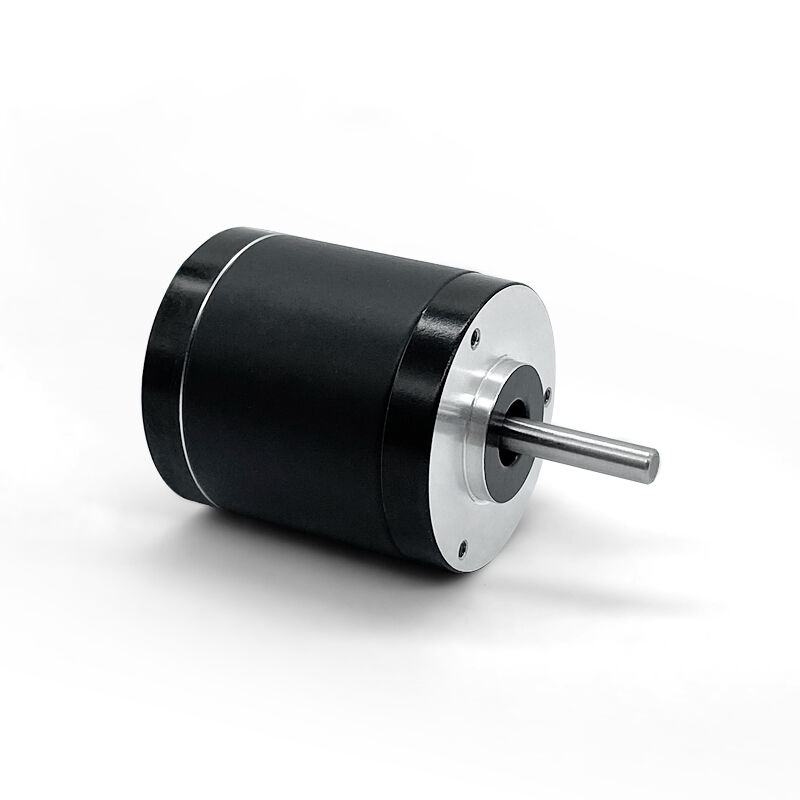
Ang mga modernong sistema ng paggalaw ay sumailalim sa malaking pagbabago sa mga nakaraang taon, na pinapagana ng tumataas na pangangailangan para sa kahusayan, katiyakan, at pagkakatiwalaan. Sa unahan ng rebolusyon na ito ay ang BLDC motor, na naging piniling opsyon ng mga inhinyero at disenyo ng sistema sa buong mundo. Ang brushless DC motor ay kumakatawan sa isang pangunahing pagbabago mula sa tradisyonal na brushed motors, na nag-aalok ng mas mataas na antas ng pagganap na lubos na umaayon sa kasalukuyang mga pangangailangan ng industriya. Ang mga advanced na motor na ito ay kumakalat na sa iba't ibang aplikasyon, mula sa mga sistema ng sasakyan hanggang sa teknolohiyang pangkalangitan, na pumupundar sa paraan kung paano natin hinaharap ang mga hamon sa pagkontrol ng paggalaw.
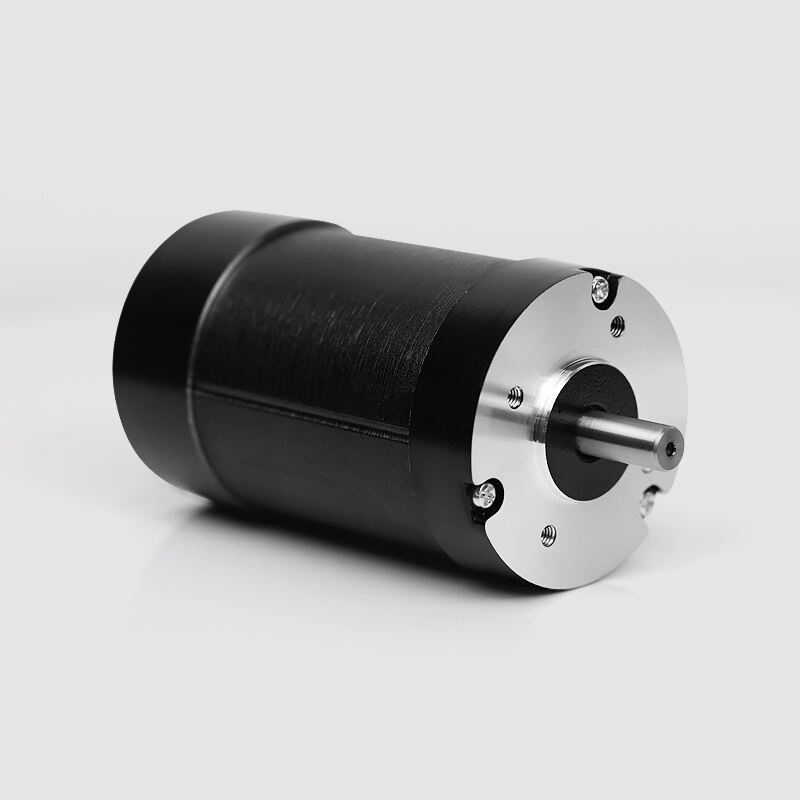
Superior na Kagamitan at Pagpapanatili ng Enerhiya
Pag-alis ng mga Pagkawala dahil sa Panlaban ng Brush
Ang pangunahing kalamangan ng isang BLDC motor ay nasa kanyang disenyo na walang brush, na nag-aalis sa mekanikal na panlaban na likas sa mga tradisyonal na brushed motor. Ang kawalan ng pisikal na kontak ng brush ay malaki ang nagpapababa sa mga pagkawala ng enerhiya na karaniwang nangyayari dahil sa panlaban at pagsusunog. Ang electronic commutation system ang pumapalit sa mekanikal na brush, na nagreresulta sa mga rate ng kahusayan na madalas na lumalampas sa 95% sa ilalim ng optimal na kondisyon ng operasyon. Ang napakalaking pagpapabuti sa conversion ng enerhiya na ito ay direktang nagpapababa sa mga gastos sa operasyon at nagpapahusay sa kabuuang pagganap ng sistema.
Ang pag-alis ng panlabas na pagkakalat ng brush ay nag-aambag din sa mas pare-parehong pagpapadala ng torque sa buong operasyonal na saklaw ng motor. Hindi tulad ng mga brushed motor kung saan bumababa ang pagganap habang pumapait ang mga brush, ang BLDC motor ay nananatiling epektibo sa mahabang panahon. Ang ganitong pagkakapareho ay lalo pang kapaki-pakinabang sa mga aplikasyon na nangangailangan ng tiyak na kontrol sa bilis o patuloy na operasyon, kung saan ang anumang pagbabago sa pagganap ay maaaring makasira sa katiyakan ng sistema o kalidad ng produkto.
Paghahatid ng Init
Ang nabawasan na pagkakalat ay natural na humahantong sa mas mababang paglikha ng init sa loob ng motor assembly. Ang BLDC motor ay gumagana sa malaking bahagi ng mas malamig na temperatura kumpara sa katumbas na brushed motor, na nagpapahaba ng buhay ng mga komponente at binabawasan ang thermal stress sa mga kapaligiran ng sistema. Ang mas mababang temperatura ng operasyon ay nangangahulugan din ng mas kaunti ang kinakailangang cooling, na karagdagang nagpapataas ng kabuuang kahusayan ng sistema at pinapasimple ang mga konsiderasyon sa thermal management sa mga kumplikadong instalasyon.
Ang mga pinabuting katangian ng thermal ng mga brushless motor ay nagpapahintulot sa mas mataas na aplikasyon ng power density kung saan ang mga limitasyon sa espasyo ay napakahalaga. Ang mga inhinyero ay maaaring makamit ang mas malaking output ng kapangyarihan mula sa mas maliit na mga pakete ng motor habang pinapanatili ang mga katanggap-tanggap na temperatura ng operasyon. Ang gantimpalang thermal na ito ay naging lalo pang mahalaga sa mga nakasara na kapaligiran o mga aplikasyon kung saan ang mga temperatura ng kapaligiran ay mataas na, tulad ng mga kompartimento ng engine ng sasakyan o mga pandustriyang hurno.
Pinalakas na Katiyakan at Mga Benepisyo sa Pagpapanatili
Pinalawig na Buhay ng Operasyon
Ang kawalan ng mga brush sa isang BLDC motor ay nagtatanggal sa pangunahing bahagi na sumusunod sa pagsusuot na matatagpuan sa mga tradisyonal na motor, na lubos na nagpapahaba ng buhay ng operasyon. Habang ang mga brushed motor ay karaniwang nangangailangan ng pagpapalit ng mga brush bawat ilang libong oras ng operasyon, ang mga brushless motor ay maaaring gumana ng sampu-sampung libong oras nang walang malalaking interbensyon sa pagpapanatili. Ang pinalawak na buhay na ito ay nagreresulta sa mas kaunti ng downtime, mas mababang gastos sa pagpapanatili, at mas mahusay na availability ng sistema para sa mga kritikal na aplikasyon.
Ang matibay na konstruksyon ng mga brushless motor ay nagbibigay din ng superior na paglaban sa mga kadahilanan sa kapaligiran tulad ng alikabok, kahalumigmigan, at panginginig. Dahil wala itong mga exposed na brushes at commutators na maaaring mag-akumula ng dumi o masira dahil sa mga kontaminante, ang BLDC motor ay nananatiling nagpapakita ng pare-parehong performance kahit sa mga hamon sa kapaligiran ng operasyon. Ang ganitong resilience sa kapaligiran ay ginagawa ang mga brushless motor na lalo pang angkop para sa mga outdoor na aplikasyon, marine na kapaligiran, at industrial na setting kung saan hindi tiyak ang kalinisan.
Bumababa sa mga Requiroment sa Paggamit
Ang pinasimple na mga kinakailangan sa pagpapanatili ng mga brushless motor ay kumakatawan sa isang malaking operasyonal na kalamangan para sa maraming aplikasyon. Ang mga tradisyonal na skedyul sa pagpapanatili ng motor ay kadalasang nakasentro sa inspeksyon, paglilinis, at pagpapalit ng brushes, na nangangailangan ng regular na pagpapahinga ng sistema at pakikiisa ng mga bihasang teknisyan. Ang BLDC motor ay tinatanggal ang lahat ng mga ganoong nakatakda na mga gawain sa pagpapanatili, na nagpapahintulot sa tunay na patuloy na operasyon sa maraming aplikasyon.
Ang maikakatwirang iskedyul ng pagpapanatili ng mga brushless motor ay nagbibigay-daan din sa mas epektibong pagpaplano ng pagpapanatili at paglalaan ng mga mapagkukunan. Ang mga organisasyon ay maaaring lumipat mula sa mga reaktibong pamamaraan ng pagpapanatili patungo sa mga estratehiya ng prediktibong pagpapanatili, gamit ang mga teknik ng pagsubaybay sa kondisyon upang i-optimize ang oras ng pagpapalit ng motor imbes na sumunod sa mga konservatibong iskedyul ng pansariling pagpapanatili batay sa inaasahang pagsuot ng mga brush.
Precise na Kontrol at Mga Katangian ng Pagganap
Advanced na Kontrol ng Bilis at Posisyon
Ang electronic commutation system sa isang BLDC motor ay nagpapahintulot ng tiyak na kontrol sa bilis, torque, at posisyon na lampas sa kayang maisagawa ng mga brushed motor. Ang kakayahang kontrolin elektronikamente ang timing ng commutation ay nagbibigay-daan sa pag-optimize ng performance ng motor sa iba't ibang kondisyon ng operasyon, na nag-aalok ng pare-parehong paghatid ng torque at makinis na operasyon sa buong saklaw ng bilis. Ang ganitong kakayahang kontrol na may katiyakan ay napakahalaga sa mga aplikasyon na nangangailangan ng eksaktong posisyon o operasyon na may baryablong bilis.
Ang mga modernong brushless motor controller ay maaaring mag-implemento ng mga sopistikadong algorithm ng kontrol tulad ng field-oriented control o direct torque control, na nagbibigay-daan sa mga katangian ng performance na malapit sa mga servo motor ngunit sa isang bahagi lamang ng gastos nito. Ang bLDC Motor ay nakakamit ng tiyak na regulasyon ng bilis, mabilis na pagpabilis at pagpabagal, at tumpak na posisyon nang walang kumplikadong sistema na karaniwang kasama sa mga high-performance motion control system.
Nangungunang Katangian ng Torque
Ang mga brushless motor ay nagbibigay ng mas mahusay na mga katangian ng torque kumpara sa kanilang mga brushed na katumbas, lalo na sa mababang bilis kung saan ang mga tradisyonal na motor ay madalas na nahihirapan. Ang elektronikong commutation ay nagpapahintulot ng optimal na pagtutugma ng kasalukuyang daloy, na pinakamaksimisa ang produksyon ng torque habang pinakabawasan ang mga pagkawala. Ang kakayahan na ito ay nagpapahintulot sa BLDC motor na magbigay ng mataas na starting torque at panatilihin ang pare-parehong pagpapadala ng torque sa buong saklaw ng bilis, na ginagawang ideal ito para sa mga aplikasyon na nangangailangan ng tiyak na kontrol sa torque.
Ang patag na kurba ng torque na katangian ng mga brushless motor ay nagpapasimple sa disenyo ng sistema at sa pagpapatupad ng kontrol. Ang mga inhinyero ay maaaring hulaan ang pagganap ng motor nang may mas mataas na katiyakan, na nagpapahintulot sa mas tiyak na pag-uukol ng sukat ng sistema at optimisasyon ng mga parameter ng kontrol. Ang ganitong katiyakan ay nababawasan ang pangangailangan ng sobrang pag-uukol ng sukat ng mga motor o pagpapatupad ng mga kumplikadong algorithm ng kompensasyon, na nagreresulta sa mas epektibong at murang disenyo ng sistema.
Mga Operasyonal na Kawastuhan sa Modernong Mga Aplikasyon
Mahinahon na Operasyon at Binabawasan ang Electromagnetic Interference
Ang makinis na operasyon ng isang BLDC motor ay nagpapagenera ng malaki ang pagbawas sa acoustic at electromagnetic na ingay kumpara sa mga brushed motor. Ang kawalan ng brush arcing ay nag-aalis ng pangunahing pinagmumulan ng electromagnetic interference, kaya ang mga brushless motor ay angkop para sa mga aplikasyon sa sensitibong electronic na kapaligiran. Ang ganitong mahinahon na operasyon ay lalo pang kapaki-pakinabang sa mga consumer application, medical device, at precision instrument kung saan kailangang mabawasan ang antas ng ingay.
Ang binabawasang electromagnetic interference ng mga brushless motor ay nagpapadali rin ng system integration sa mga kumplikadong electronic system. Maaaring ilagay ng mga inhinyero ang mga motor nang mas malapit sa sensitibong electronic component nang hindi kailangang maglagay ng pampalawak na shielding measures, na nagpapababa ng kumplikasyon at gastos ng sistema habang pinapabuti ang kabuuang reliability. Ang ganitong EMI advantage ay naging lalo pang mahalaga habang ang mga electronic system ay naging mas nakapipiling magkakasama at mas sensitibo sa interference.
Saklaw na Kakayahang Magamit sa Iba't Ibang Power Supply
Ang mga modernong controller ng BLDC motor ay maaaring gumana mula sa malawak na hanay ng mga boltahe at dalas ng suplay ng kuryente, na nagbibigay ng napakalaking kakayahang umangkop sa disenyo ng sistema. Ang ganitong kakayahang umangkop ay nagpapahintulot sa parehong motor na gamitin sa iba’t ibang aplikasyon o rehiyon sa buong mundo nang walang kailangang malalim na pagbabago. Ang electronic control system ay maaaring kompensahin ang mga pagbabago sa boltahe ng suplay, na panatilihin ang pare-parehong pagganap ng motor sa iba’t ibang kondisyon ng operasyon.
Ang kakayahang umangkop ng suplay ng kuryente ng mga brushless motor ay nagpapahintulot din ng epektibong integrasyon sa mga sistemang pangrenewable na enerhiya at mga aplikasyong pinapagana ng baterya. Ang controller ay maaaring i-optimize ang pagkonsumo ng kuryente batay sa kakayahan ng suplay, na nagpapahaba ng buhay ng baterya o nagmamaksima ng pagkuha ng enerhiya mula sa mga variable na renewable na pinagkukunan. Ang ganitong kakayahang umangkop ay ginagawa ang BLDC motor na lalo pang kaakit-akit para sa mga portable na aplikasyon at mga sustenableng sistemang pang-enerhiya.
Mga Ekonomikong Pansin at Return on Investment
Analisis ng Kabuuan ng Gastos sa Pag-aari
Kahit ang paunang gastos ng isang sistema ng BLDC motor ay maaaring lumampas sa gastos ng katumbas na mga brushed motor, ang kabuuang gastos sa pagmamay-ari ay karaniwang pabor sa teknolohiyang brushless sa buong operasyonal na buhay ng sistema. Ang pagsasama-sama ng nabawasang pangangailangan sa pagpapanatili, napahabang buhay ng operasyon, at pinabuting kahusayan sa enerhiya ay nagdudulot ng malaking pagtitipid sa gastos na nakakakompensate sa mas mataas na paunang investido. Ang mga organisasyon na ipinapatupad ang teknolohiyang brushless motor ay madalas na nakakakuha ng positibong return on investment sa loob ng unang taon ng operasyon.
Ang mapredict na istruktura ng gastos ng mga sistema ng brushless motor ay nagpapadali rin ng proseso ng pagbuo ng badyet at pananalapi. Dahil sa napakaliit na pangangailangan sa pagpapanatili at sa mapredict na mga iskedyul ng pagpapalit, ang mga organisasyon ay mas akurat na makakapaghula ng mga gastos sa operasyon at makakapagplano ng mga gastusing pampuhunan. Ang ganitong pagkakaroon ng pananaw sa aspetong pananalapi ay lalo pang kapaki-pakinabang para sa mga kritikal na aplikasyon kung saan ang hindi inaasahang pagkabigo ay maaaring magdulot ng malaking pagkawala sa produksyon o mga alalahanin sa kaligtasan.
Pag-iwas sa Gastos sa Enerhiya
Ang superior na kahusayan ng mga brushless motor ay nagreresulta sa malaking pagtitipid sa gastos sa enerhiya, lalo na sa mga aplikasyon na nangangailangan ng patuloy o mataas na siklo ng operasyon. Ang pagtitipid sa enerhiya ay lalong lumalaki habang tumataas ang presyo ng enerhiya, na ginagawang mas kaakit-akit na opsyon ang investisyon sa bldc motor. Ang mga organisasyon na gumagamit ng maraming sistema ng motor ay makakamit ng malaki at kabuuan na pagtitipid sa pamamagitan ng transisyon patungo sa teknolohiyang brushless sa buong kanilang operasyon.
Ang mga pakinabang sa kahusayan ng enerhiya ng mga brushless motor ay nakatutulong din sa pagkamit ng mga layunin sa pangangalaga ng kapaligiran at sa pagsunod sa mga regulasyon tungkol sa kapaligiran. Ang nabawasang pagkonsumo ng enerhiya ay direktang nagreresulta sa mas mababang emisyon ng carbon, na tumutulong sa mga organisasyon na makamit ang kanilang mga target sa kapaligiran habang binabawasan ang mga gastos sa operasyon. Ang dalawang benepisyong ito—pagtitipid sa gastos at pananagutan sa kapaligiran—ay ginagawang kaakit-akit na pagpipilian ang bldc motor para sa mga organisasyon na may malalim na pag-aalala sa kapaligiran at para sa mga aplikasyon na sumasailalim sa mga regulasyon tungkol sa kahusayan ng enerhiya.
Madalas Itanong
Paano naihahambing ang buhay na kapasidad ng isang BLDC motor sa mga tradisyonal na brushed motor?
Ang isang BLDC motor ay karaniwang gumagana sa loob ng 10,000 hanggang 30,000 oras o higit pa nang walang pangunahing pagpapanatili, kumpara sa mga brushed motor na kadalasang nangangailangan ng pagpapalit ng brush bawat 1,000 hanggang 3,000 oras. Ang pag-alis ng pagsusuot ng brush—na ang pangunahing sanhi ng kabiguan sa mga brushed motor—ay lubos na nagpapahaba ng operasyonal na buhay. Ang nabawasan ang gastos sa pagpapalit, mas kaunti ang panahon ng pagkakabigo (downtime), at mas mahusay na availability ng sistema para sa mga kritikal na aplikasyon.
Ano ang mga pangunahing kahinaan ng paglipat sa teknolohiya ng brushless motor?
Ang pangunahing mga kahinaan ay kasama ang mas mataas na paunang gastos at ang dagdag na kumplikado ng sistema ng kontrol. Ang mga brushless motor ay nangangailangan ng mga electronic controller na may sopistikadong commutation algorithms, na nagdaragdag sa kabuuang gastos at kumplikasyon ng sistema kumpara sa mga simpleng implementasyon ng brushed motor. Bukod dito, ang electronic controller ay nagdudulot ng potensyal na mga mode ng pagkabigo na hindi umiiral sa mga sistema ng brushed motor. Gayunpaman, ang mga kahinaang ito ay karaniwang napapalampas ng mga pangmatagalang benepisyo sa karamihan ng mga aplikasyon.
Maaari bang madaling i-upgrade ang mga umiiral na aplikasyon ng brushed motor patungo sa teknolohiya ng BLDC motor?
Kahit ang pisikal na pagpapalit ay madalas nang direkta, ang pag-upgrade mula sa mga motor na may brush tungo sa mga brushless motor ay kadalasang nangangailangan ng mga pagbabago sa sistema ng kontrol at sa suplay ng kuryente. Ang BLDC motor ay nangangailangan ng isang elektronikong controller na may angkop na rating ng kapangyarihan at mga interface para sa komunikasyon, na maaaring mangailangan ng muling disenyo ng buong sistema. Gayunman, ang maraming modernong controller para sa brushless motor ay idinisenyo para sa madaling integrasyon, at ang mga pagpapabuti sa pagganap ay kadalasang nagpapaliwanag sa pagsisikap at gastos sa pag-upgrade.
Anong mga aplikasyon ang pinakamaraming nakikinabang mula sa paggamit ng BLDC motor?
Ang mga aplikasyon na nangangailangan ng mataas na katiwalian, tiyak na kontrol, o patuloy na operasyon ang kumikinabang nang pinakamarami mula sa teknolohiyang brushless motor. Kasali dito ang mga medikal na device, mga sistemang pangkalangitan at pangsapal, mga elektrikong sasakyan, mga sistemang HVAC, at mga kagamitan para sa awtomatikong industriya. Anumang aplikasyon kung saan limitado ang access sa pagpapanatili, mahirap ang mga kondisyong pangkapaligiran, o mahigpit ang mga kinakailangan sa pagganap ay karaniwang makikita ang malaki at makabuluhang pakinabang mula sa paggamit ng mga solusyon ng BLDC motor kumpara sa tradisyonal na mga brushed motor.
Talaan ng Nilalaman
- Superior na Kagamitan at Pagpapanatili ng Enerhiya
- Pinalakas na Katiyakan at Mga Benepisyo sa Pagpapanatili
- Precise na Kontrol at Mga Katangian ng Pagganap
- Mga Operasyonal na Kawastuhan sa Modernong Mga Aplikasyon
- Mga Ekonomikong Pansin at Return on Investment
-
Madalas Itanong
- Paano naihahambing ang buhay na kapasidad ng isang BLDC motor sa mga tradisyonal na brushed motor?
- Ano ang mga pangunahing kahinaan ng paglipat sa teknolohiya ng brushless motor?
- Maaari bang madaling i-upgrade ang mga umiiral na aplikasyon ng brushed motor patungo sa teknolohiya ng BLDC motor?
- Anong mga aplikasyon ang pinakamaraming nakikinabang mula sa paggamit ng BLDC motor?