
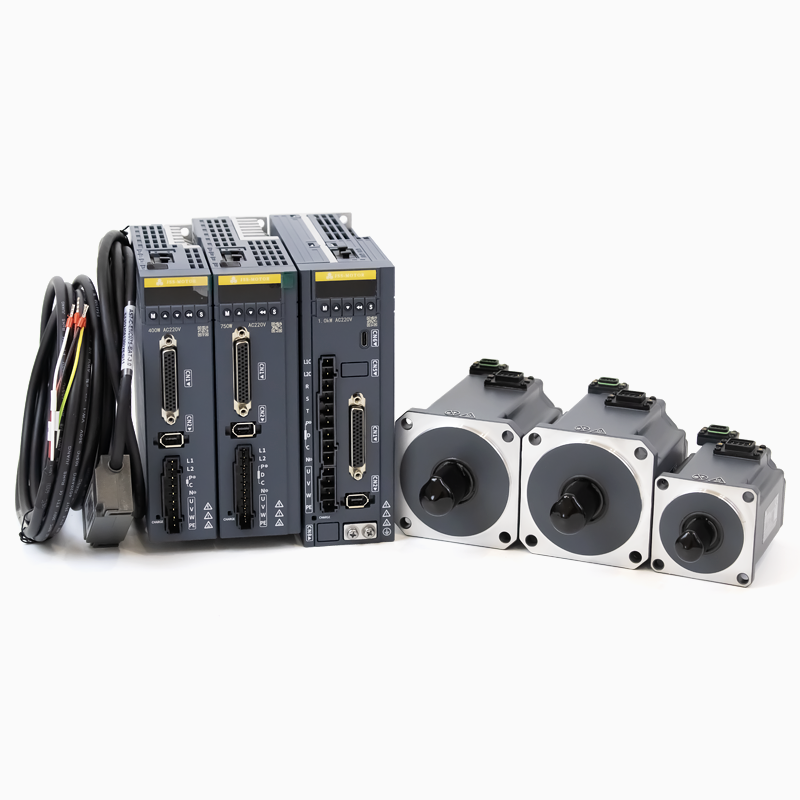
Yüksek hızlı hareket uygulamaları, olağanüstü hassasiyet, hızlı ivmelenme ve dinamik yük koşulları altında tutarlı performans gerektirir. AC servo motor, yarı iletken üretiminden yüksek hızlı ambalaj sistemlerine kadar endüstriler boyunca bu talepkar uygulamaları destekleyen temel teknoloji haline gelmiştir. Bu kritik uygulamaları destekleyen AC servo motor teknolojisinin nasıl çalıştığını anlamak, hassas yüksek hızlı işlemi mümkün kılan temel tasarım ilkelerini ve kontrol mekanizmalarını incelemeyi gerektirir.
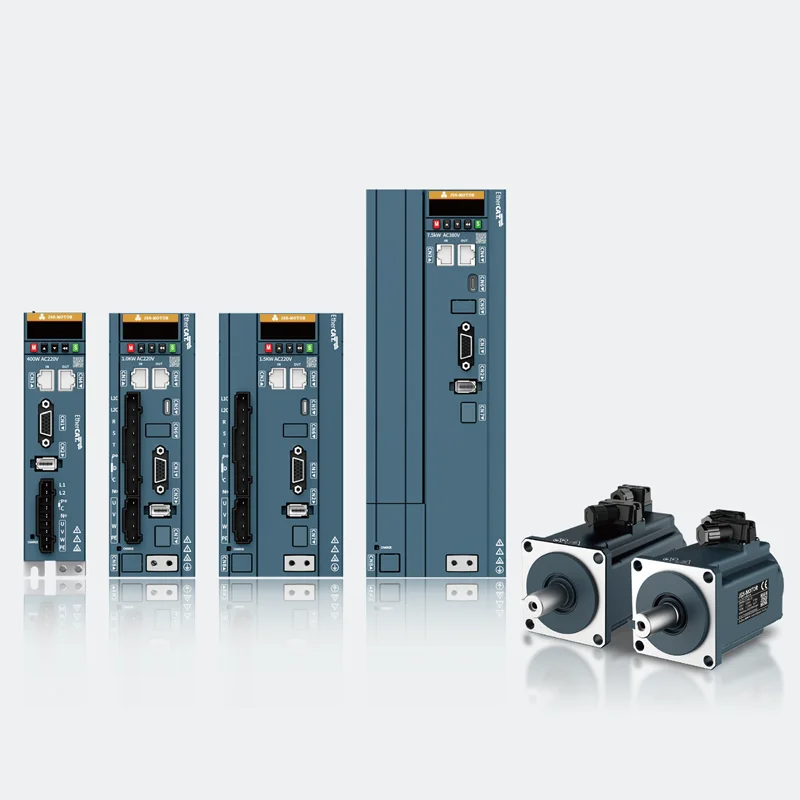
Bir AC servo motorun yüksek hız senaryolarındaki yetenekleri, gelişmiş geri bildirim kontrol sistemlerinden, ileri düzey manyetik alan yönetiminden ve hassas olarak tasarlanmış mekanik bileşenlerden kaynaklanır. Bu sistemler bir araya gelerek, yüksek hız uygulamalarının gerektirdiği hızlı tepki süreleri, doğru konumlandırma ve kararlı çalışma performansını sağlar. Modern dijital kontrol algoritmalarının sağlam mekanik tasarım ile entegrasyonu, günümüzün endüstriyel ortamlarında en talepkar hareket kontrol gereksinimlerini destekleyebilen bir platform oluşturur.
Yüksek Hız Performansı İçin Gelişmiş Kontrol Mimarisi
Gerçek Zamanlı Geri Bildirim Kontrol Sistemleri
Yüksek hızlı AC servo motor performansının temeli, karmaşık geri bildirim kontrollü mimarisinde yatmaktadır. Modern AC servo motor sistemleri, konum, hız ve ivme hakkında gerçek zamanlı geri bildirim sağlayan yüksek çözünürlüklü kodlayıcılar kullanır. Bu kodlayıcılar genellikle 20 bitin üzerinde çözünürlük sunar ve böylece yüksek hızda çalışırken bile mikrometre düzeyinde konum doğruluğu sağlar. Geri bildirim döngüsü, 10 kHz’yi aşan frekanslarda çalışır; bu da kontrol sisteminin hassas hareket profillerini korumak amacıyla anlık düzeltmeler yapmasını sağlar.
Kontrol algoritması, yüksek hızda çalışan uygulamalar için optimize edilmiş oransal-integral-türevsel (PID) kontrol stratejilerini uygulayarak gelişmiş dijital sinyal işleme teknikleriyle geri bildirim verilerini işler. Bu işlem yeteneği, AC servo motorun hareket gereksinimlerini önceden tahmin etmesine ve kontrol parametrelerini proaktif olarak ayarlamasına olanak tanır. Sonuç olarak, farklı hız bölgeleri arasında geçiş yaparken veya karmaşık hareket profilleri yürütürken bile oldukça pürüzsüz bir hareket sağlanır ve yerleşim süresi (settling time) en aza indirilir.
Gelişmiş ileri besleme (feed-forward) kontrol algoritmaları, komutlanan hareket profillerine dayalı olarak sistemin davranışını tahmin ederek yüksek hız performansını daha da artırır. Bu tahmin yetenekleri, AC servo motorun konumlandırma hataları oluşmadan önce mekanik sistem dinamiklerine karşı telafi önlemleri almasını sağlar ve hızlı ivmelenme ile yavaşlama döngüleri boyunca doğruluğu korur.
Dijital Sinyal İşleme ve Hareket Kontrolü
Modern AC servo motor sürücüleri, karmaşık kontrol algoritmalarını gerçek zamanlı olarak yürüten güçlü dijital sinyal işlemcileri içerir. Bu işlemciler, tork kontrolü, hız regülasyonu ve konum doğruluğunu mikrosaniye hassasiyetiyle yöneterek birden fazla kontrol döngüsünü aynı anda işler. Günümüzün servo sürücülerinde mevcut olan hesaplama gücü, daha önce analog kontrol sistemleriyle mümkün olmayan gelişmiş kontrol stratejilerinin uygulanmasını sağlar.
Dijital kontrol mimarisi, AC servo motor sisteminin değişen yük koşullarına veya sistem dinamiklerine göre kontrol parametrelerini otomatik olarak ayarlayan uyarlamalı kontrol gibi gelişmiş özellikleri destekler. Bu uyarlanabilirlik, yüksek hızda çalışan uygulamalarda yaygın olarak karşılaşılan değişken işletme koşulları boyunca tutarlı performansı korumak açısından kritik öneme sahiptir.
Alan yönelimli kontrol teknikleri, AC servo motorun içindeki manyetik alan yönünü optimize ederek tork üretimi verimini maksimize eder ve kayıpları en aza indirir. Bu kontrol yöntemi, hız aralığının tamamında maksimum torkun kullanılabilir olmasını sağlar ve yüksek işletme hızlarında bile hızlı ivmelenmeyi ve hassas kontrolü destekler.
Yüksek Hızda Çalışmayı Sağlayan Motor Tasarım Özellikleri
Rotor Yapısı ve Manyetik Alan Yönetimi
Yüksek hızda çalışan bir AC servo motorun rotor tasarımı, hızlı dönmeyle ilişkili mekanik gerilmelere dayanmak için gelişmiş malzemeler ve üretim teknikleri kullanır. Kalıcı mıknatıslı rotorlar, yüksek enerjili nadir toprak elementi mıknatıslarından oluşur ve bu mıknatıslar, yüksek hızlarda yapısal bütünlüğü korurken manyetik akı dağılımını optimize edecek şekilde yerleştirilir. Rotor montajı, titreşimi ortadan kaldırmak ve hız aralığının tamamında sorunsuz çalışmayı sağlamak amacıyla hassas dengelenmiştir.
İşletme hızları arttıkça manyetik alan yönetimi giderek daha kritik hâle gelir. aC Servo Motor stator sargı konfigürasyonu, manyetik kayıpları en aza indirmek ve çalışma hız aralığı boyunca tutarlı manyetik alan gücünü korumak amacıyla tasarlanmıştır. Gelişmiş sargı teknikleri, yüksek frekanslarda performansı tehlikeye atabilecek parazitik etkileri azaltır.
Manyetik devre tasarımı, girdap akımı kayıplarını ve yüksek çalışma frekanslarında daha belirgin hale gelen histerezis etkilerini en aza indirmek için düşük kayıplı malzemeler ve optimize edilmiş geometri içermektedir. Bu tasarım hususları, AC servo motorun sürekli yüksek hızda çalışma sırasında bile yüksek verimlilik ve tutarlı tork üretimi sağlamasını garanti eder.
Isıl Yönetim ve Soğutma Sistemleri
Yüksek hızda çalışma, performansı ve güvenilirliği korumak için etkili bir şekilde yönetilmesi gereken önemli miktarda termal enerji üretir. Gelişmiş AC servo motor tasarımları, kritik bileşenlerden ısıyı uzaklaştıran ancak aynı zamanda kompakt boyutlarını koruyan karmaşık soğutma sistemleri içerir. En talepkar uygulamalar için uygulandığında sıvı soğutma sistemleri, üstün termal yönetim yetenekleri sağlar.
Stator sargısı tasarımı, ısıl yönetim hususlarını dikkate alır; iletkendir malzemeleri ve yalıtım sistemleri, termal özelliklerine göre seçilir. Gelişmiş yalıtım malzemeleri, yüksek sıcaklıklarda dielektrik özelliklerini korurken, sargılardan ısıyı uzaklaştırmayı kolaylaştırmak için mükemmel termal iletkenlik sağlar.
Sıcaklık izleme sistemleri, AC servo motorun içindeki termal koşullar hakkında gerçek zamanlı geri bildirim sağlar ve aşırı ısınmayı önlerken işletme kapasitelerini maksimize eden tahmine dayalı termal yönetim stratejilerine olanak tanır. Bu izleme sistemleri, uzun süreli yüksek hızda çalışma sırasında güvenli işletme sıcaklıklarını korumak amacıyla işletme parametrelerini otomatik olarak ayarlayabilir.
Yüksek Hız Uygulamaları İçin Dinamik Yanıt Özellikleri
Hızlanma ve Yavaşlama Yetenekleri
Hızlı hızlanma ve yavaşlama yeteneği, yüksek hızda hareket uygulamaları için temel bir gereksinimdir. Bir AC servo motor, optimize edilmiş rotor ataleti ve gelişmiş kontrol stratejileri sayesinde üstün dinamik yanıt sağlar. Düşük rotor ataletine sahip tasarımlar, hız değişimleri için gerekli enerjiyi en aza indirir ve farklı işletme hızları arasında geçişleri minimum yerleşim süresiyle hızlı hale getirir.
Gelişmiş hareket profili oluşturma yetenekleri, AC servo motor kontrol sisteminin hassas zamanlamayla karmaşık hız profillerini gerçekleştirmesine olanak tanır. S-eğrisi şeklindeki ivme profilleri, mekanik stresi azaltırken hızlı geçiş sürelerini korur ve sistem ömrünü veya doğruluğu açısından ödün vermeden sık sık hız değişimi gerektiren uygulamaları destekler.
Modern AC servo motor tasarımlarının tork üretme yetenekleri, birçok uygulamada saniyede 10.000 devir üzeri ivme oranlarını destekler. Bu olağanüstü dinamik yanıt, ivme ve yavaşlama aşamalarında tam konum kontrolünü korurken agresif hareket profillerinin uygulanmasını sağlar.
Dinamik Koşullar Altında Kararlılık ve Hassasiyet
Yüksek hızda çalışırken kararlılığı ve hassasiyeti korumak, karmaşık titreşim kontrolü ve mekanik tasarım hususlarını gerektirir. AC servo motor montaj sistemi ve mekanik bağlantı tasarımı, sistem kararlılığında kritik rol oynar; hassas olarak üretilen bileşenler, doğruluğu tehlikeye atan geri tepme (backlash) ve mekanik esnekliği (compliance) en aza indirir.
Gelişmiş kontrol algoritmaları, mekanik sistemin içindeki rezonans frekanslarını otomatik olarak tanımlayıp telafi eden titreşim bastırma tekniklerini içerir. Bu uyarlamalı kontrol stratejileri, yük değişiklikleri veya sıcaklık etkileri nedeniyle mekanik sistem özelliklerinde değişim olması durumunda bile AC servo motorun kararlı çalışmasını sağlar.
Yüksek performanslı AC servo motor sürücülerinin kontrol sistemi bant genişliği genellikle 1 kHz’yi aşar ve böylece dinamik çalışma sırasında hassasiyeti korumak için gerekli hızlı tepkiyi sağlar. Bu yüksek bant genişliği özelliği, yüksek hızda hareket dizileri sırasında konumlandırma doğruluğunu tehlikeye atabilecek bozucu etkilerin etkili şekilde bastırılmasını sağlar.
Yüksek Hız Sistemleri İçin Entegrasyon Dikkat Edilmesi Gerekenler
İletişim ve Kontrol Arayüzü Gereksinimleri
Yüksek hızda hareket uygulamaları, birden fazla AC servo motor sistemi arasında gerçek zamanlı koordinasyon sağlayan gelişmiş iletişim arayüzlerini gerektirir. Modern servo sürücüler, mikrosaniye düzeyinde çoklu eksen senkronizasyonu sağlayan EtherCAT gibi yüksek hızlı endüstriyel iletişim protokollerini destekler. Bu iletişim yetenekleri, birden fazla AC servo motor ünitesinin tam olarak senkronize çalışması gereken koordine hareket uygulamaları için hayati öneme sahiptir.
Kontrol arayüzü tasarımı, yüksek hızda çalışan uygulamaların hızlı veri alışverişi gereksinimlerini karşılamalıdır. Konum komutları, hız güncellemeleri ve durum bilgileri, sistemin performansını korumak için en düşük gecikmeyle iletilmeli ve işlenmelidir. Gelişmiş servo sürücüler, iletişim işleme amacıyla özel donanıma sahiptir; bu da kontrol döngüsü performansının iletişim yükü nedeniyle etkilenmemesini sağlar.
Daha üst düzey kontrol sistemleriyle entegrasyon, karmaşık hareket kontrol stratejilerini destekleyen standartlaştırılmış programlama arayüzleri gerektirir. AC servo motor kontrol sistemi, üretim operasyonlarını kesmeden sistem optimizasyonu ve sorun gidermeyi sağlayan kapsamlı tanısal özelliklere sahip olmalıdır.
Mekanik Sistem Entegrasyonu
Bir AC servo motorun yüksek hızlı sistemlere mekanik olarak entegrasyonu, bağlantı elemanı tasarımı, rulman seçimi ve yapısal hususlar açısından dikkatli bir yaklaşım gerektirir. Hassas bağlantı elemanları, servo sistemin doğruluğunu korurken, istenmeyen titreşimlere neden olabilecek veya rulman ömrünü kısaltabilecek küçük hizalama hatalarını telafi eder.
Rulman sistemleri, yüksek hızda çalışma yeteneği ve dinamik yüklenme koşulları altında uzun ömürleri göz önünde bulundurularak seçilmelidir. Gelişmiş rulman tasarımları, yüksek hızda çalışmayı optimize etmek amacıyla özel yağlayıcılar ve malzemeler içerir; böylece AC servo motor sisteminin işletme ömrü boyunca tutarlı performans sunulmasını sağlar.
Mekanik montaj sistemi tasarımı, genel sistem performansını etkiler; sert montaj yapılandırmaları üstün doğruluk sağlarken, hassas bileşenleri titreşimden izole etmek için esnek montaj sistemleri gerekebilir. Entegrasyon tasarımı, bu birbirini dışlayan gereksinimleri dengelerken modern yüksek hızlı uygulamalar tarafından talep edilen kompakt form faktörlerini korumalıdır.
SSS
Bir AC servo motoru, diğer motor tiplerine kıyasla yüksek hız uygulamaları için neden uygundur?
Bir AC servo motor, hassas geri bildirim kontrolü, optimize edilmiş manyetik tasarım ve gelişmiş dijital kontrol algoritmalarının birleşimi sayesinde üstün yüksek hız performansı sağlar. Yüksek hızlarda tork kaybeden adımlı motorlardan veya konum geri bildirimi olmayan temel AC motorlardan farklı olarak, AC servo motor sistemleri hız aralıkları boyunca tutarlı tork üretimi ve hassas konum kontrolünü korur. Kapalı çevrim kontrol sistemi, komut değişikliklerine hızlı yanıt verirken doğruluğu korur; bu nedenle hem hız hem de hassasiyet gerektiren uygulamalar için idealdir.
Bir AC servo motorun kontrol sistemi, hızlı ivmelenme sırasında doğruluğu nasıl korur?
AC servo motor kontrol sistemi, yüksek frekanslı geri bildirim döngüleri ve tahmine dayalı kontrol algoritmaları aracılığıyla hızlı ivmelenme sırasında doğruluğu korur. Sistem, konum, hız ve ivmeyi hassas kodlayıcılar aracılığıyla sürekli izler ve dinamik etkileri telafi etmek için gerçek zamanlı ayarlamalar yapar. Gelişmiş ileri besleme kontrol algoritmaları sistemin davranışını öngörür ve kontrol parametrelerini önceden ayarlayarak müdahale eder; buna karşılık uyarlamalı kontrol stratejileri, değişen koşullara göre performansı otomatik olarak optimize eder. Bu kapsamlı kontrol yaklaşımı, agresif ivmelenme profilleri sırasında bile konumlama doğruluğunun korunmasını sağlar.
Yüksek hızlarda AC servo motor çalıştırılmasında temel termal hususlar nelerdir?
Yüksek hızda çalışan AC servo motorların çalışması, performansı ve güvenilirliği korumak için etkili bir şekilde yönetilmesi gereken önemli miktarda ısı üretir. Temel termal hususlar arasında yeterli soğutma sistemi tasarımı, kritik bileşenlerin termal izlenmesi ve yüksek sıcaklıklarda çalışabilen malzemelerin seçilmesi yer alır. Modern AC servo motor tasarımları, gelişmiş soğutma teknikleri, gerçek zamanlı izleme için sıcaklık sensörleri ve hasarı önleyen ancak aynı zamanda işletme kapasitesini maksimize eden termal koruma sistemleri içerir. Uygun termal yönetim, talepkar yüksek hız koşullarında bile tutarlı performans sağlar ve işletme ömrünü uzatır.
Modern AC servo motor sistemleri, çok eksenli yüksek hız uygulamalarında senkronizasyonu nasıl sağlar?
Modern AC servo motor sistemleri, yüksek hızda endüstriyel iletişim ağları ve özel hareket kontrol algoritmaları aracılığıyla hassas senkronizasyonu sağlar. EtherCAT gibi iletişim protokolleri, birden fazla servo sürücü arasında mikrosaniye düzeyinde senkronizasyon sağlayarak, olağanüstü doğrulukta koordine edilmiş hareketi mümkün kılar. Kontrol sistemi, tüm eksenlere senkronize pozisyon komutları dağıtırken her bir AC servo motor için bireysel kontrol döngüsü performansını korur. Gelişmiş enterpolasyon algoritmaları, karmaşık çok eksenli yörüngeler sırasında bile pürüzsüz koordine edilmiş hareketi sağlar ve birden fazla yüksek hızlı hareket ekseni arasında hassas koordinasyon gerektiren uygulamaları destekler.
İçindekiler Tablosu
- Yüksek Hız Performansı İçin Gelişmiş Kontrol Mimarisi
- Yüksek Hızda Çalışmayı Sağlayan Motor Tasarım Özellikleri
- Yüksek Hız Uygulamaları İçin Dinamik Yanıt Özellikleri
- Yüksek Hız Sistemleri İçin Entegrasyon Dikkat Edilmesi Gerekenler
-
SSS
- Bir AC servo motoru, diğer motor tiplerine kıyasla yüksek hız uygulamaları için neden uygundur?
- Bir AC servo motorun kontrol sistemi, hızlı ivmelenme sırasında doğruluğu nasıl korur?
- Yüksek hızlarda AC servo motor çalıştırılmasında temel termal hususlar nelerdir?
- Modern AC servo motor sistemleri, çok eksenli yüksek hız uygulamalarında senkronizasyonu nasıl sağlar?