
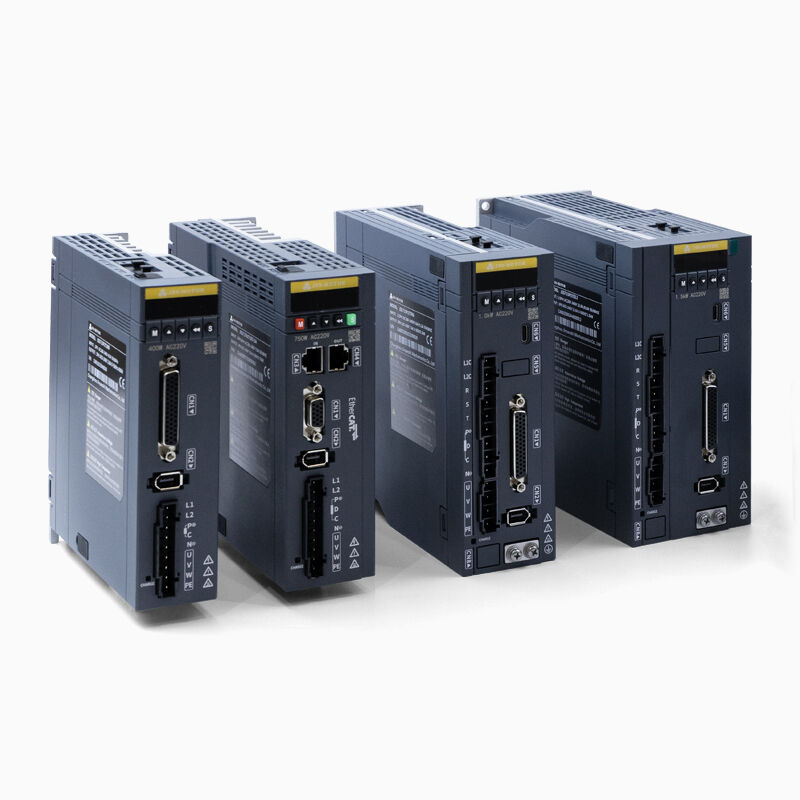
Modern industrial automation relies heavily on precise motion control systems, and at the heart of these systems lies the servo motor driver technology. The feedback mechanism integrated within servo motor driver systems represents one of the most critical components determining overall positioning accuracy and operational efficiency. Understanding how this feedback loop functions and contributes to enhanced positioning results can help engineers and technicians optimize their automation systems for superior performance.
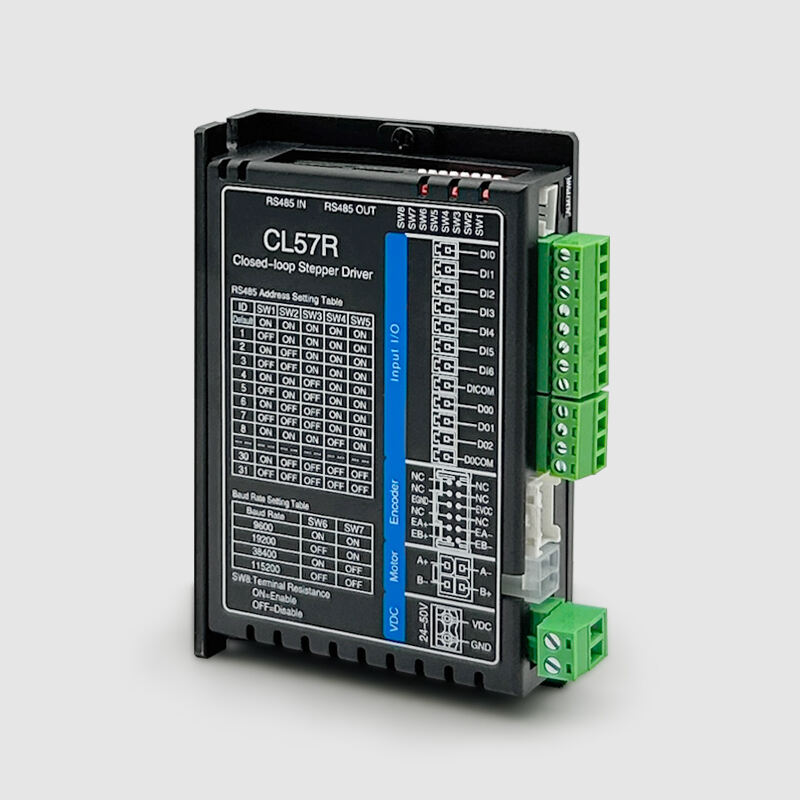
The integration of feedback systems in servo motor driver applications transforms basic motor control into sophisticated positioning solutions. This closed-loop control methodology enables real-time monitoring and adjustment of motor position, velocity, and acceleration parameters. By continuously comparing actual performance against commanded positions, the servo motor driver can make instantaneous corrections to maintain precise positioning accuracy even under varying load conditions or external disturbances.
Fundamentals of Servo Motor Driver Feedback Systems
Closed-Loop Control Architecture
The closed-loop control architecture forms the foundation of effective servo motor driver operation. This system continuously monitors the actual position of the motor shaft through various feedback devices such as encoders, resolvers, or potentiometers. The feedback information is then compared with the desired position command, generating an error signal that drives the correction process. This real-time comparison and adjustment cycle occurs thousands of times per second, ensuring exceptional positioning accuracy.
Within this architecture, the servo motor driver processes multiple feedback signals simultaneously. Position feedback provides absolute or incremental position data, while velocity feedback offers information about rotational speed and direction. Some advanced systems also incorporate torque feedback, allowing for more sophisticated control strategies. The integration of these multiple feedback loops creates a robust control system capable of handling complex positioning requirements with remarkable precision.
Types of Feedback Devices
Encoders represent the most common feedback device used in servo motor driver systems. Optical encoders utilize light patterns to detect rotational position and can achieve resolutions exceeding one million counts per revolution. Magnetic encoders offer improved resistance to environmental contamination while maintaining high accuracy levels. These devices provide the servo motor driver with continuous position information, enabling precise control over motor movement.
Resolvers provide another reliable feedback option for servo motor driver applications, particularly in harsh industrial environments. These electromagnetic devices generate analog signals proportional to shaft position and offer excellent durability and temperature stability. Hall effect sensors and linear variable differential transformers serve specialized applications where specific feedback characteristics are required. The choice of feedback device significantly impacts the overall performance capabilities of the servo motor driver system.
Signal Processing and Control Algorithms
Digital Signal Processing Techniques
Modern servo motor driver systems employ sophisticated digital signal processing techniques to maximize feedback effectiveness. High-speed microprocessors analyze incoming feedback signals using advanced algorithms that filter noise, compensate for system delays, and predict future positioning requirements. These processing capabilities enable the servo motor driver to respond to position commands with exceptional speed and accuracy.
The digital processing infrastructure within servo motor driver systems includes specialized algorithms for trajectory planning, motion profiling, and adaptive control. These algorithms analyze feedback data in real-time to optimize motor performance under varying operating conditions. Advanced filtering techniques eliminate mechanical resonances and electrical noise that could otherwise compromise positioning accuracy. The result is smooth, precise motion control that meets the demanding requirements of modern industrial applications.
Adaptive Control Mechanisms
Adaptive control mechanisms represent a significant advancement in servo motor driver technology. These systems automatically adjust control parameters based on real-time feedback analysis and system performance monitoring. Machine learning algorithms can identify patterns in positioning errors and automatically optimize controller gains and timing parameters. This self-tuning capability ensures optimal performance throughout the operational life of the servo motor driver system.
The implementation of adaptive control in servo motor driver systems includes features such as auto-tuning, disturbance rejection, and predictive compensation. Auto-tuning algorithms automatically determine optimal PID parameters based on system response characteristics. Disturbance rejection mechanisms identify and compensate for external forces that could affect positioning accuracy. Predictive compensation algorithms anticipate system behavior and make preemptive adjustments to maintain positioning precision.
Performance Enhancement Through Advanced Feedback
Real-Time Error Correction
Real-time error correction capabilities distinguish high-performance servo motor driver systems from basic motion control solutions. The feedback loop continuously monitors positioning errors and implements immediate corrective actions. This rapid response capability minimizes settling time and reduces overshoot, resulting in faster cycle times and improved productivity. The servo motor driver can achieve positioning accuracies within micrometers while maintaining high-speed operation.
The error correction process in advanced servo motor driver systems includes multiple levels of compensation. Primary feedback loops handle basic positioning requirements, while secondary loops address velocity and acceleration control. Tertiary feedback systems may incorporate load sensing and environmental compensation. This multi-layered approach ensures robust performance across diverse operating conditions and application requirements.
Dynamic Response Optimization
Dynamic response optimization through advanced feedback mechanisms enables servo motor driver systems to achieve superior performance in high-speed applications. The feedback system continuously monitors system dynamics and adjusts control parameters to optimize response characteristics. This includes compensation for mechanical compliance, backlash, and inertia variations that could otherwise degrade positioning performance.
Modern servo motor driver systems incorporate sophisticated motion profiling algorithms that utilize feedback data to generate optimal velocity and acceleration profiles. These profiles minimize mechanical stress while maximizing positioning speed and accuracy. The feedback system provides real-time validation of profile execution and makes dynamic adjustments as needed. This approach significantly reduces positioning time while maintaining exceptional accuracy standards.
Industrial Applications and Benefits
Manufacturing Automation Systems
Manufacturing automation systems rely heavily on servo motor driver feedback capabilities to achieve precise positioning requirements. Assembly line applications require consistent positioning accuracy to ensure proper component alignment and product quality. The feedback system enables the servo motor driver to maintain positioning tolerances within fractions of a millimeter, even during high-speed production cycles. This precision capability is essential for applications such as pick-and-place operations, welding, and precision machining.
Robotic applications particularly benefit from advanced servo motor driver feedback systems. Multi-axis robotic systems require coordinated motion control across multiple servo axes simultaneously. The feedback system provides the necessary position information for complex trajectory planning and execution. This enables robots to perform intricate assembly tasks, precision painting, and delicate material handling operations with consistent accuracy and repeatability.
CNC Machining and Precision Tools
CNC machining applications demand the highest levels of positioning accuracy available from servo motor driver systems. The feedback mechanism enables these systems to achieve positioning accuracies measured in micrometers while maintaining consistent performance throughout extended machining cycles. Tool path accuracy directly impacts part quality and dimensional tolerances, making feedback system performance critical to manufacturing success.
Precision tool applications, including coordinate measuring machines and inspection equipment, require exceptional positioning stability and repeatability. The servo motor driver feedback system provides continuous position monitoring and correction to maintain measurement accuracy. Environmental factors such as temperature variations and mechanical vibrations are automatically compensated through advanced feedback algorithms. This capability ensures consistent measurement results and reliable quality control processes.
Troubleshooting and Optimization Strategies
Feedback System Diagnostics
Effective diagnostics of servo motor driver feedback systems require systematic analysis of multiple performance parameters. Position error monitoring provides immediate indication of system performance degradation. Velocity feedback analysis can reveal mechanical issues such as bearing wear or coupling problems. The servo motor driver typically includes built-in diagnostic capabilities that continuously monitor feedback signal quality and system performance.
Advanced diagnostic tools analyze feedback signal characteristics to identify potential issues before they impact system performance. Frequency domain analysis can detect mechanical resonances or electrical interference that could compromise positioning accuracy. Time domain analysis reveals dynamic response characteristics and settling behavior. These diagnostic capabilities enable proactive maintenance strategies that minimize downtime and ensure consistent servo motor driver performance.
Performance Tuning Techniques
Performance tuning of servo motor driver systems involves optimizing multiple control parameters based on feedback system characteristics and application requirements. Gain adjustment procedures ensure stable operation while maximizing dynamic response. Filter settings eliminate unwanted resonances and noise while preserving control bandwidth. The tuning process requires careful balance between positioning accuracy, speed, and system stability.
Modern servo motor driver systems often include automated tuning procedures that analyze system response and automatically optimize control parameters. These procedures utilize feedback data to characterize system dynamics and determine optimal controller settings. Manual fine-tuning may be required for specialized applications or unique operating conditions. The feedback system provides real-time validation of tuning effectiveness and performance improvements.
FAQ
How does feedback resolution affect servo motor driver positioning accuracy
Feedback resolution directly determines the smallest positioning increment that a servo motor driver system can detect and control. Higher resolution feedback devices enable finer positioning control and improved accuracy. For example, a 20-bit encoder provides over one million counts per revolution, allowing positioning accuracy within microradians. The servo motor driver processing capabilities must match the feedback resolution to fully utilize the available precision.
What are the main differences between incremental and absolute feedback systems
Incremental feedback systems provide relative position information and require a homing procedure to establish absolute position reference. These systems are cost-effective and suitable for applications where power interruptions are infrequent. Absolute feedback systems maintain position information even during power loss and provide immediate position data upon system startup. The choice between systems depends on application requirements for startup time and position retention capabilities.
How do environmental factors impact servo motor driver feedback performance
Environmental factors such as temperature, humidity, vibration, and electromagnetic interference can significantly impact feedback system performance. Temperature variations can affect encoder accuracy and electrical signal characteristics. Vibration can introduce noise into feedback signals and reduce positioning accuracy. Proper system design includes environmental protection measures and compensation algorithms to maintain consistent servo motor driver performance under varying conditions.
What maintenance procedures ensure optimal feedback system performance
Regular maintenance of servo motor driver feedback systems includes cleaning optical encoder surfaces, checking electrical connections, and verifying signal quality. Periodic calibration procedures ensure continued accuracy and may reveal gradual performance degradation. Monitoring diagnostic data trends helps identify potential issues before they impact system performance. Preventive maintenance schedules should be based on operating environment conditions and manufacturer recommendations for optimal servo motor driver reliability.
Table of Contents
- Fundamentals of Servo Motor Driver Feedback Systems
- Signal Processing and Control Algorithms
- Performance Enhancement Through Advanced Feedback
- Industrial Applications and Benefits
- Troubleshooting and Optimization Strategies
-
FAQ
- How does feedback resolution affect servo motor driver positioning accuracy
- What are the main differences between incremental and absolute feedback systems
- How do environmental factors impact servo motor driver feedback performance
- What maintenance procedures ensure optimal feedback system performance