
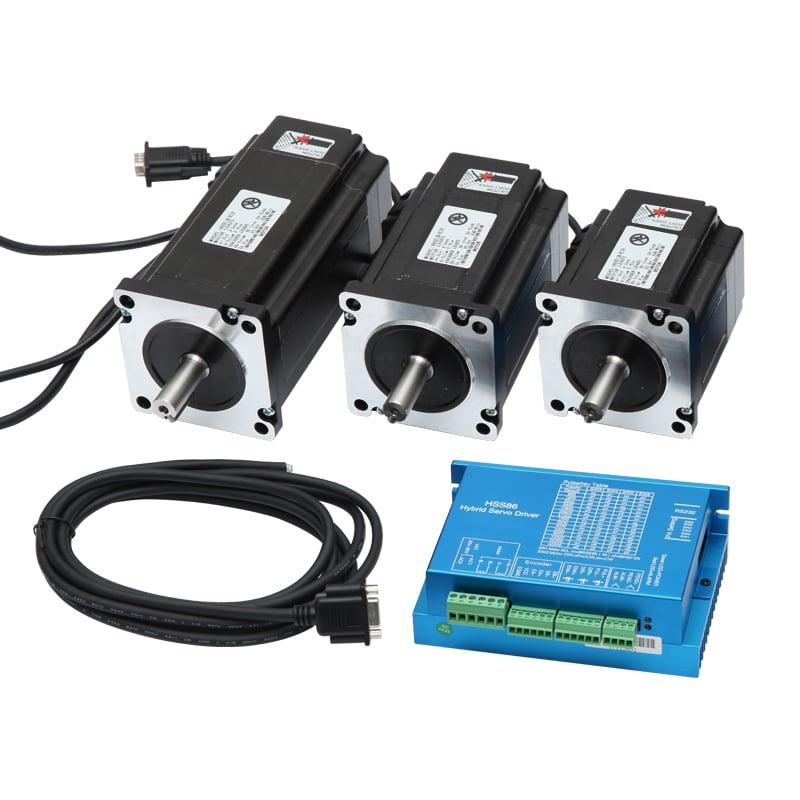
The nema 34 stepper motor represents a critical advancement in precision motion control technology, specifically engineered to deliver exceptional torque performance in demanding industrial applications. When engineers face challenges requiring both precise positioning and substantial rotational force, the unique characteristics of nema 34 stepper motor systems provide an optimal solution that bridges the gap between standard stepper motors and more complex servo systems.
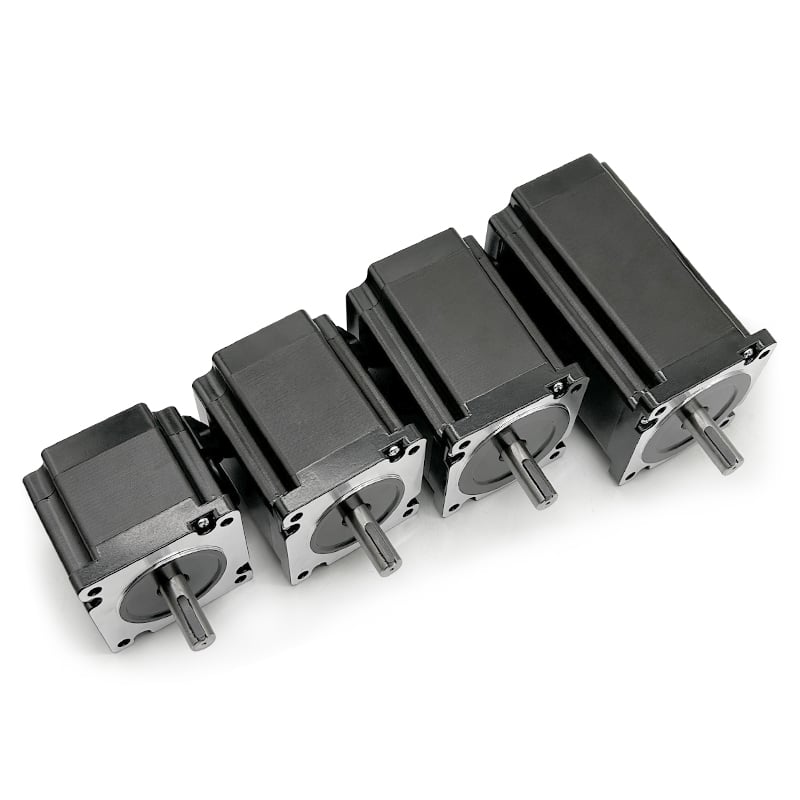
Understanding why the nema 34 stepper motor excels in high-torque scenarios requires examining the fundamental design principles that enable these motors to generate significantly more rotational force than smaller NEMA frame sizes. The physical construction, magnetic field strength, and rotor inertia characteristics combine to create a motor platform capable of handling substantial loads while maintaining the precise step accuracy that defines stepper motor technology.
Physical Design Advantages for High-Torque Generation
Larger Frame Size and Magnetic Structure
The nema 34 stepper motor features an 86mm square frame size that accommodates significantly larger magnets and windings compared to smaller NEMA frame motors. This increased physical dimension directly translates to enhanced magnetic field strength, which forms the foundation for higher torque output. The larger rotor diameter creates a greater lever arm for magnetic forces, multiplying the rotational force generated by each electrical pulse.
The expanded frame dimensions of the nema 34 stepper motor allow for more sophisticated magnetic pole configurations and increased copper winding capacity. These design elements work synergistically to produce the strong magnetic fields necessary for high-torque applications. The larger stator assembly can accommodate more turns of heavier gauge wire, enabling higher current ratings and correspondingly greater torque production.
Rotor Mass and Moment of Inertia
The substantial rotor mass in a nema 34 stepper motor contributes to both torque capability and operational stability under load. While higher rotor inertia requires more energy to accelerate, it also provides natural resistance to external disturbances and load variations. This characteristic proves particularly valuable in applications where maintaining position accuracy under varying load conditions is essential.
The increased rotor mass of the nema 34 stepper motor creates greater momentum during operation, helping to smooth out torque ripple and maintain consistent rotation speed. This mechanical advantage becomes especially important in high-torque applications where load variations might otherwise cause stepping errors or position loss in smaller motor configurations.
Electrical Characteristics Supporting Torque Performance
Current Handling and Power Dissipation
The nema 34 stepper motor typically operates at higher current levels than smaller frame sizes, often ranging from 3 to 8 amperes per phase. This increased current capacity directly correlates to higher torque output, as magnetic field strength increases proportionally with current flow through the windings. The larger frame size provides sufficient thermal mass and surface area for effective heat dissipation, enabling sustained high-current operation.
Advanced thermal management in nema 34 stepper motor designs allows for continuous operation at elevated power levels without compromising reliability. The increased metal mass and surface area facilitate natural convection cooling, while the option for forced air cooling or heat sink mounting extends the operational envelope for the most demanding applications.
Voltage and Inductance Considerations
The electrical characteristics of the nema 34 stepper motor typically include higher inductance values compared to smaller motors, which influences both torque production and high-speed performance. While higher inductance can limit maximum step rates, it also contributes to torque stability at lower speeds where high-torque applications typically operate.
The voltage requirements for optimal nema 34 stepper motor performance often necessitate drive systems capable of delivering 24 to 80 volts or higher. These elevated voltage levels enable rapid current rise times through the higher inductance windings, maintaining torque output across a broader speed range and ensuring reliable stepping under load.
Mechanical Advantages in High-Load Scenarios
Holding Torque Capabilities
The holding torque specifications of nema 34 stepper motor units typically range from 10 to 50 Newton-meters, representing a significant increase over smaller frame sizes. This exceptional holding torque capability ensures that the motor can maintain position against substantial external forces without energizing additional phases or requiring mechanical brakes in many applications.
The robust holding torque characteristics of the nema 34 stepper motor make it particularly suitable for vertical lift applications, heavy-duty positioning systems, and scenarios where external forces might attempt to move the load during stationary periods. The motor's ability to resist motion without continuous power input provides both energy efficiency and simplified control system requirements.
Dynamic Torque Performance
During rotation, the nema 34 stepper motor maintains substantial torque output across typical operating speed ranges encountered in high-torque applications. The torque-speed characteristics of these motors show gradual decline with increasing speed, but maintain usable torque levels well into the hundreds of RPM range, depending on drive system configuration and load requirements.
The dynamic torque curve of a properly configured nema 34 stepper motor system enables acceleration of substantial loads from rest while maintaining position accuracy. This capability proves essential in applications such as heavy-duty CNC axes, large-scale 3D printing systems, and industrial automation equipment where both precision and power are required simultaneously.
Application-Specific Design Features
Shaft Options and Mounting Flexibility
The nema 34 stepper motor platform offers various shaft configurations designed to handle the increased mechanical loads associated with high-torque applications. Standard shaft diameters of 12mm to 14mm provide sufficient strength for direct coupling to substantial loads, while specialized shaft options including keyways, flats, and threaded configurations accommodate diverse mounting requirements.
Mounting flexibility in nema 34 stepper motor designs includes both front and rear bearing options, enabling cantilevered loads and through-shaft configurations. The robust bearing systems used in these motors are specifically selected to handle the radial and axial loads encountered in high-torque applications, ensuring long-term reliability under demanding operating conditions.
Environmental Resistance and Durability
The construction of nema 34 stepper motor units typically incorporates features that enhance durability in industrial environments. Sealed bearing assemblies, moisture-resistant winding insulation, and corrosion-resistant housing materials ensure reliable operation in challenging conditions where high-torque applications are commonly deployed.
Temperature rating specifications for nema 34 stepper motor systems often exceed those of smaller motors, reflecting both the improved thermal mass and the expectation of operation in demanding environments. Class F or Class H insulation systems enable continuous operation at elevated temperatures, while optional temperature sensors provide monitoring capabilities for critical applications.
Integration with Drive and Control Systems
Drive System Requirements
The successful implementation of nema 34 stepper motor systems in high-torque applications requires drive electronics specifically designed to handle the increased current and voltage requirements. Modern microstepping drives offer the resolution and power handling necessary to optimize torque output while minimizing vibration and acoustic noise.
Advanced drive features such as anti-resonance algorithms, automatic current reduction, and thermal protection become particularly important when operating nema 34 stepper motor systems at their full torque potential. These intelligent drive capabilities ensure optimal performance while protecting both the motor and drive electronics from damage due to overload conditions.
Feedback and Monitoring Options
While traditional nema 34 stepper motor systems operate in open-loop mode, high-torque applications often benefit from position feedback systems that verify actual motor position against commanded position. Encoder feedback enables detection of lost steps due to excessive load and allows for corrective action to maintain system accuracy.
Monitoring capabilities integrated into modern nema 34 stepper motor applications include current sensing, temperature measurement, and vibration detection. These diagnostic features provide early warning of potential issues and enable predictive maintenance strategies that maximize system uptime in critical applications.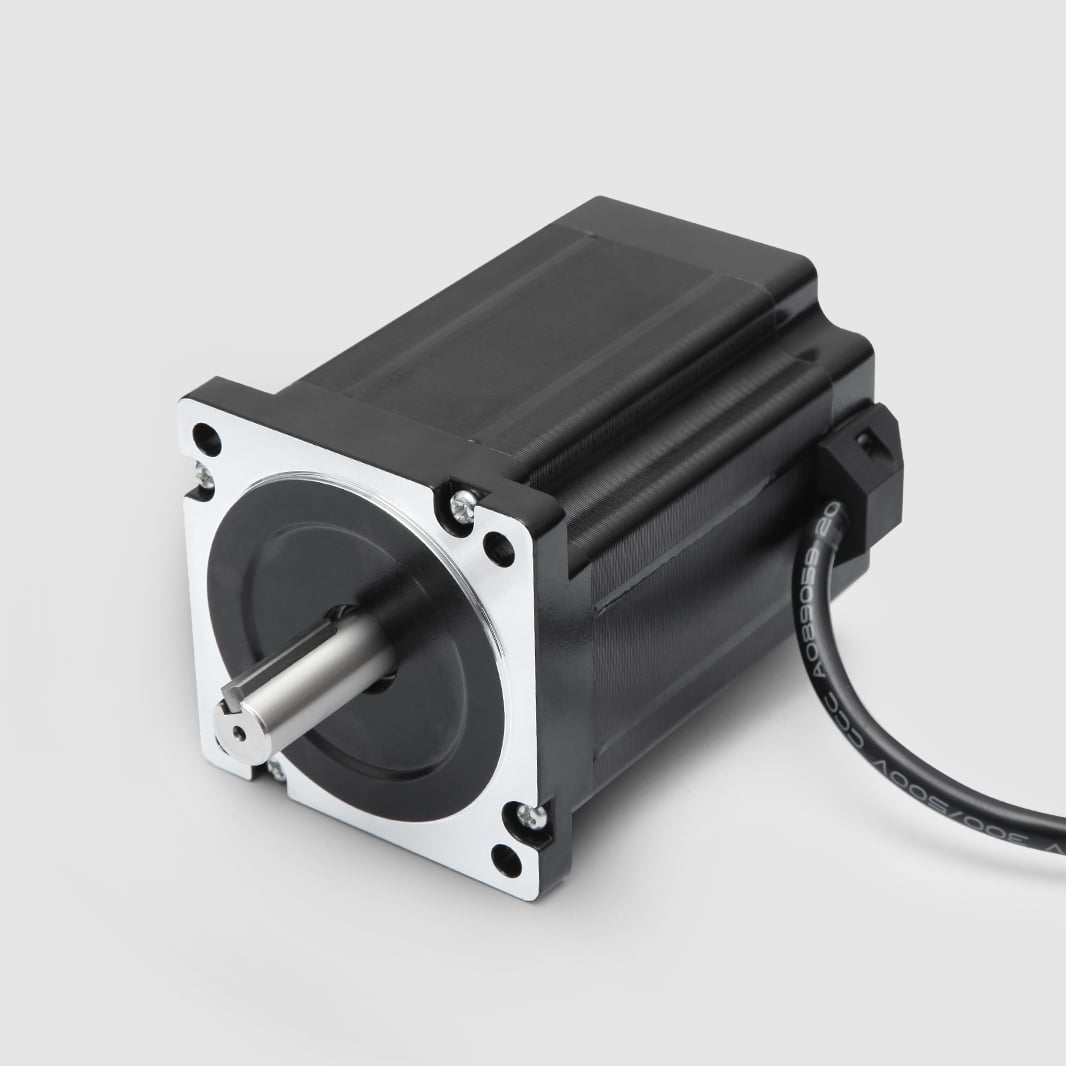
FAQ
What is the typical torque range for nema 34 stepper motors?
Nema 34 stepper motors typically provide holding torque ranging from 10 to 50 Newton-meters, depending on the specific model and current rating. Dynamic torque during operation will be lower but still substantial enough for most high-torque applications, with actual values depending on operating speed and drive system configuration.
How does the torque output of nema 34 stepper motors compare to smaller NEMA sizes?
Nema 34 stepper motors provide significantly higher torque than smaller frame sizes, typically offering 3 to 10 times more torque than NEMA 23 motors and substantially more than NEMA 17 motors. This increased torque capability comes from the larger frame size, stronger magnets, higher current capacity, and increased rotor mass that characterize the NEMA 34 form factor.
What are the main limitations to consider when using nema 34 stepper motors in high-torque applications?
The primary limitations include higher power consumption, increased heat generation, larger physical size, higher cost, and typically lower maximum speed compared to smaller motors. Additionally, the higher rotor inertia can limit acceleration capabilities and may require more sophisticated drive systems to achieve optimal performance in dynamic applications.
Can nema 34 stepper motors operate reliably in continuous high-torque applications?
Yes, nema 34 stepper motors can operate reliably in continuous high-torque applications when properly specified and configured. Key factors include adequate thermal management, appropriate drive system selection, proper current settings, and environmental considerations. Many industrial applications successfully utilize nema 34 stepper motors for 24/7 operation under substantial load conditions.
Table of Contents
- Physical Design Advantages for High-Torque Generation
- Electrical Characteristics Supporting Torque Performance
- Mechanical Advantages in High-Load Scenarios
- Application-Specific Design Features
- Integration with Drive and Control Systems
-
FAQ
- What is the typical torque range for nema 34 stepper motors?
- How does the torque output of nema 34 stepper motors compare to smaller NEMA sizes?
- What are the main limitations to consider when using nema 34 stepper motors in high-torque applications?
- Can nema 34 stepper motors operate reliably in continuous high-torque applications?