
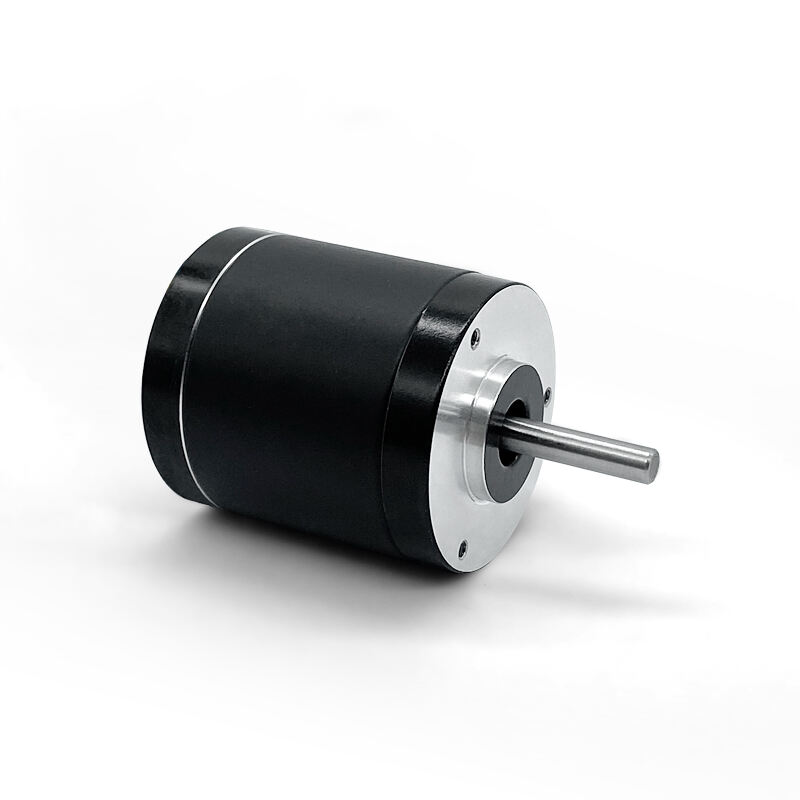
A kefés nélküli egyenáramú motor technológia forradalmi tervezése átalakította az ipari automatizálást, mivel gyakorlatilag megszüntette az elektromos motorok alkalmazásában egyik legtartósabb kihívást: a mechanikai kopást. Ellentétben a hagyományos, keféssel ellátott motorokkal, amelyek a szénkefék és a kommutátor szegmensek közötti fizikai érintkezésre támaszkodnak, a kefés nélküli egyenáramú motorrendszerek fejlett elektronikus kapcsolómechanizmusokat alkalmaznak, amelyek jelentősen meghosszabbítják a működési élettartamot anélkül, hogy csökkentenék a kiváló teljesítményjellemzőket. Ez az alapvető tervezési filozófia egy paradigmaváltást jelent a motormérnöki tudományban, és korábban soha nem látott megbízhatóságot és hatásfokot kínál igényes ipari alkalmazásokhoz.
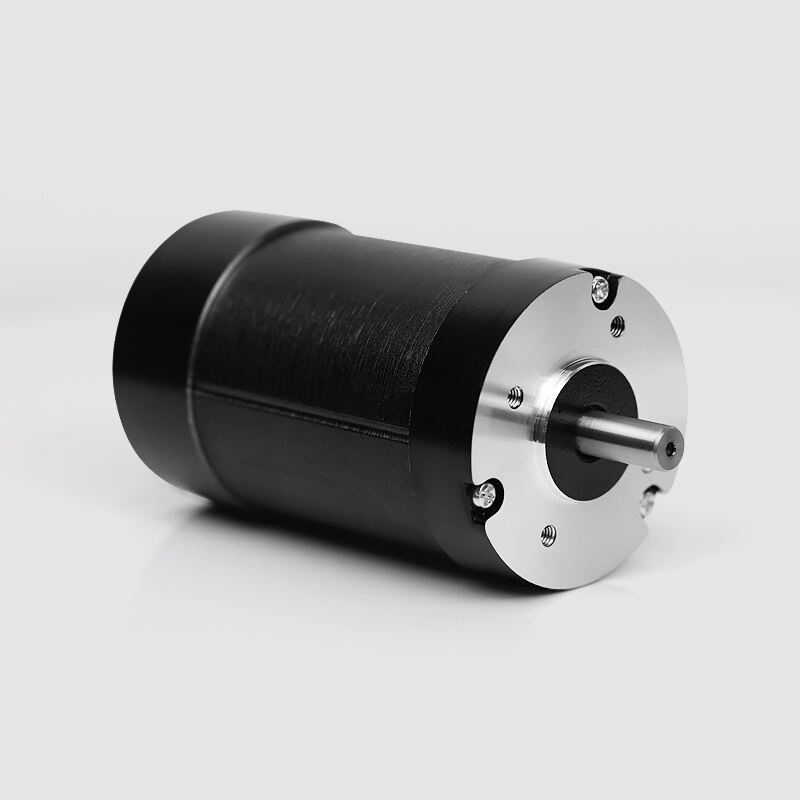
A kefés nélküli egyenáramú motorok alapvető tervezési elvei
Elektronikus Kmutációs Technológia
A kefés nélküli egyenáramú motorok tervezésének alapköve a kifinomult elektronikus kommutációs rendszerük, amely a hagyományos mechanikus kefeegységeket pontos elektronikus kapcsolókörökkel helyettesíti. Ez a fejlett megközelítés félvezető eszközöket – például MOSFET-eket vagy IGBT-ket – használ az áramáramlás szabályozására a motor tekercseléseiben, így megszünteti a súrlódást okozó érintkezési pontokat, amelyek problémát jelentenek a hagyományos kefés motoroknál. Az elektronikus kommutációs folyamatot intelligens vezérlőrendszerek irányítják, amelyek érzékelők segítségével figyelik a rotor helyzetét, és így biztosítják az áramkapcsolási sorozatok optimális időzítését.
A modern egyenáramú kefés motorvezérlők fejlett algoritmusokat alkalmaznak, amelyek pontosan koordinálják a teljesítménytranzisztorok kapcsolását a pozícióérzékelőktől érkező valós idejű visszajelzés alapján. Ez megszünteti a kefeérintkezéssel járó mechanikai kopást, miközben egyidejűleg kiváló sebességvezérlési és nyomaték-szabályozási képességet biztosít. A fizikai kefék hiánya azt jelenti, hogy az egyenáramú kefés motorrendszerek folyamatosan üzemelhetnek anélkül, hogy időszakos karbantartásra lenne szükség a kefék cseréjére és a kommutátor tisztítására.
Mágneses mező-kölcsönhatási mechanizmusok
A kefés nélküli egyenáramú motorok működési elve a permanens mágneses forgórész és az elektromágnesesen szabályozott állórésztekercsek közötti gondosan koordinált mágneses mező-kölcsönhatásra épül. Ellentétben a kefés motorokkal, ahol a mágneses mezőt mechanikus kommutáció segítségével hozzák létre, a kefés nélküli konstrukciók a mező forgását pontos elektronikus időzítési sorozatokkal érik el. Ez a megoldás kiküszöböli a mechanikus kapcsolásból fakadó belső hatástalanságot és kopási mintákat, miközben kiváló vezérlést biztosít a mágneses mező erősségére és irányára.
A fejlett egyenáramú, kefegyűrű nélküli motorok tervezése magas energiasűrűségű állandó mágneseket tartalmaz a rotorösszeállításokban, amelyek erős mágneses mezőket hoznak létre, és ezek kölcsönhatásba lépnek az elektronikusan szabályozott állórész-elektromágnesekkel. Ezeknek a kölcsönhatásoknak a pontos időzítését kifinomult visszacsatolási rendszerek segítségével irányítják, amelyek folyamatosan figyelik a rotor helyzetét, és ennek megfelelően igazítják az állórész-mező időzítését. Ez az elektronikus koordináció optimális nyomatékfejlesztést biztosít, miközben megszünteti a mechanikai kopási pontokat, amelyek hagyományosan korlátozzák a motor élettartamát.
Mechanikai kopás kizárásának stratégiái
Érintésmentes működési elvek
A kefés egyenáramú motorokkal szembeni legfontosabb előnye a forgó és álló alkatrészek közötti csúszó érintkezési felületek teljes kiküszöbölése. A hagyományos kefés motorok szénkefékre támaszkodnak, amelyek fizikai érintkezést tartanak fenn a forgó kommutátor szegmensekkel, így súrlódási zónákat hoznak létre, amelyek hőt termelnek, kopási részecskéket eredményeznek, és végül az alkatrészek meghibásodásához vezetnek. A kefétlen egyenáramú motorrendszerek ezt az alapvető gyengeséget kiküszöbölik úgy, hogy a teljes mechanizmusban kizárólag mágneses vagy precíziós golyóscsapágyakat használnak érintkezési pontként.
Haladó szénszalagos dc motor a megvalósítások gyakran speciális csapágyrendszereket tartalmaznak, amelyeket a nehéz körülmények közötti hosszabb üzemelési életre terveztek. Ezeket a csapágyegységeket fejlett anyagokból és kenőrendszerekkel tervezték, amelyek tovább csökkentik a súrlódást és a kopást. A kefékhez kapcsolódó súrlódás hiánya miatt a kefeforgós egyenáramú motorok magasabb fordulatszámokon is üzemelhetnek, kevesebb hőfejlesztéssel, ami hozzájárul az általános hatásfok javulásához és az alkatrészek élettartamának meghosszabbításához.
Hőelvezetés optimalizálása
Az hatékony hőkezelés egy másik kulcsfontosságú tényező a kefeforgós egyenáramú motorok tervezésében, amely hozzájárul a mechanikai kopás csökkentéséhez. A kefékhez kapcsolódó súrlódás megszüntetése jelentős hőforrást távolít el, miközben egyidejűleg lehetővé teszi a motor egységén belül hatékonyabb hőelvezetési utak kialakítását. A fejlett kefeforgós egyenáramú motorok tervei optimalizált hűtőbordákat, hőátadó anyagokat és célzott légáramlás-mintákat tartalmaznak, amelyek optimális működési hőmérsékletet biztosítanak akár nagy terhelés alatt is.
A kefés nélküli egyenáramú motorok hőmérséklet-szabályozása a hőelvezetés egyszerű megoldásán túlmenően intelligens hőmérséklet-figyelési és védelmi rendszereket is magában foglal. A modern vezérlők folyamatosan figyelik a motor hőmérsékletét, és automatikusan módosítják az üzemeltetési paramétereket annak érdekében, hogy megakadályozzák a túlmelegedést, amely gyorsíthatja az alkatrészek kopását. Ez a proaktív hőkezelési megközelítés biztosítja, hogy a kefés nélküli egyenáramú motorrendszerek hosszabb ideig is fenntartsák teljesítményük csúcsértékeit, miközben minimalizálják a hőterhelésből eredő kopási mechanizmusokat.
Fejlett vezérlőrendszer integráció
Érzékelő-visszajelző technológiák
A modern, kefék nélküli egyenáramú motorrendszerek összetett érzékelőtömböket tartalmaznak, amelyek valós idejű visszajelzést nyújtanak a rotor helyzetéről, sebességéről és működési állapotáról. A Hall-effektusos érzékelők, az optikai kódolók és a rezolvertömbök fejlett vezérlési algoritmusokkal együttműködve biztosítják a motor pontos, mechanikus érintkezési pontok nélküli működését. Ezek az érzékelők lehetővé teszik a vezérlőrendszer számára az optimális kapcsolási időzítés fenntartását, miközben figyelik a rendszer teljesítményparamétereit, amelyek jelezhetik a fokozatos kopás kialakulását.
A többféle érzékelő típus integrálása a kefés nélküli egyenáramú motorok alkalmazásaiban redundanciát és javított diagnosztikai képességeket biztosít, amelyek tovább csökkentik a kopásból eredő hibákat. A fejlett vezérlőrendszerek észlelhetik a motor teljesítményében fellépő apró változásokat, amelyek például csapágykopást vagy más mechanikai problémákat jelezhetnek, így lehetővé teszik a hibák bekövetkezte előtti proaktív karbantartási ütemezést. Ez az előrejelző karbantartási megközelítés jelentős fejlődést jelent a kefés motorrendszerekhez társított hagyományos reaktív karbantartási stratégiákhoz képest.
Adaptív vezérlő algoritmusok
A modern, egyenáramú, kefetlen motorvezérlők adaptív algoritmusokat használnak, amelyek folyamatosan optimalizálják a motor működését a valós idejű teljesítményvisszajelzés és a változó terhelési körülmények alapján. Ezek az intelligens rendszerek automatikusan korrigálják a kapcsolási időzítést, az áramerősséget és a kapcsolási frekvenciákat az optimális hatásfok fenntartása érdekében, miközben minimalizálják a mechanikai igénybevételt a motoralkatrészekre. A működési paraméterek valós idejű adaptációja segít megelőzni azokat a körülményeket, amelyek gyorsíthatnák a kopást vagy csökkenthetnék a rendszer megbízhatóságát.
A kifinomult egyenáramú, kefés nélküli motorvezérlőrendszerek gépi tanulási algoritmusokat tartalmaznak, amelyek képesek azonosítani az adott alkalmazásokhoz legmegfelelőbb működési mintákat, és fokozatosan javítani a teljesítményen idővel. Ezek a rendszerek a működési történetből tanulnak, hogy előre jelezzék és megelőzzék a kopást okozó körülményeket, miközben maximalizálják a motor hatásfokát és élettartamát. A modern egyenáramú, kefés nélküli motorvezérlők folyamatos optimalizálási képessége jelentős fejlődést jelent a motortechnológiában, amely közvetlenül hozzájárul a mechanikai kopás csökkentéséhez és a megbízhatóság növeléséhez.
Anyagtudomány és gyártási innovációk
Fejlett csapágytechnológiák
A speciális csapágyrendszerek fejlesztése kulcsfontosságú eleme a kefék nélküli egyenáramú motorok tervezési stratégiáinak a mechanikai kopás csökkentése érdekében. A modern kefék nélküli egyenáramú motorok alkalmazásai olyan pontossági mérnöki eljárással gyártott csapágyegységeket használnak, amelyeket fejlett anyagokból – például keramikus kompozitokból, speciális acélokból és hibrid keramikus-acél kombinációkból – készítenek. Ezek az anyagok kiváló kopásállóságot, alacsonyabb súrlódási együtthatókat és javított teherbírási képességet nyújtanak a hagyományos csapágyanyagokhoz képest.
Az innovatív kenőrendszerek integrálása a kefés nélküli egyenáramú motor csapágyegységeibe hosszú távú kopásvédelmet biztosítanak speciális zsírösszetételek és zárt kenőkamrák segítségével. Ezeket a rendszereket úgy tervezték, hogy az optimális kenési tulajdonságokat megtartsák a hosszabb üzemidő során anélkül, hogy gyakori karbantartási beavatkozásokra lenne szükség. Az előrehaladott csapágyanyagok és a kifinomult kenőrendszerek kombinációja jelentősen hozzájárul a kefés nélküli egyenáramú motorok jellemző, meghosszabbított üzemidejéhez.
Pontos Gyártási Technikák
A gyártási pontosság döntő szerepet játszik a kefés nélküli egyenáramú motorok teljesítményében és élettartamában, ahol a fejlett gyártási technikák biztosítják az optimális alkatrész-tűrések és felületi minőségek elérését, így minimalizálva a kopást okozó szabálytalanságokat. A számítógéppel vezérelt megmunkálási folyamatok kiváló méretpontossággal készítik el a forgórész és az állórész alkatrészeit, csökkentve a rezgéseket és a feszültségkoncentrációkat, amelyek korai kopáshoz vezethetnek. Ezek a precíziós gyártási módszerek kefés nélküli egyenáramú motorösszeállításokat eredményeznek, amelyek kiváló egyensúlyt és zavartalan működési jellemzőket mutatnak.
A kefés nélküli egyenáramú motorok gyártási folyamataiban integrált minőségellenőrzési rendszerek fejlett mérési technológiákat alkalmaznak a komponensek előírásainak ellenőrzésére és a lehetséges problémák azonosítására a végső összeszerelés előtt. Ezek a teljes körű minőségbiztosítási protokollok biztosítják, hogy minden kefés nélküli egyenáramú motor megfeleljen a szigorú teljesítménykövetelményeknek, miközben minimalizálják a gyártással kapcsolatos kopási problémák valószínűségét. A gyártási pontosságra helyezett hangsúly közvetlenül hozzájárul a kefés nélküli egyenáramú motorok megbízhatóságának javításához és üzemidejük meghosszabbításához.
Teljesítményelőnyök és alkalmazások
Hatékonyság- és megbízhatóság-javulás
A kefékkel kapcsolatos súrlódás kiküszöbölése a kefefelmentes egyenáramú motorok tervezésében jelentős hatásfok-javuláshoz vezet a hagyományos, kefésekkel felszerelt alternatívákhoz képest. A kefék érintkezési ellenállásával és súrlódásával járó energiaveszteségek megszűnnek, így a kefefelmentes egyenáramú motorrendszerek hatásfoka gyakran meghaladja a kilencven százalékot. Ez a javult hatásfok közvetlenül csökkentett hőfejlesztést, alacsonyabb energiafelhasználást és megnövelt alkatrész-élettartamot eredményez a csökkent hőterhelés miatt.
A kefe nélküli egyenáramú motorok technológiájának megbízhatósági előnyei nem csupán az egyszerű kopás csökkentésén túlmutatnak, hanem a teljesítmény-egyenségesség javulását és a karbantartási igények csökkenését is magukban foglalják. A fogyó alkatrészekként szolgáló kefék hiánya megszünteti a szabályozott karbantartás egyik fő forrását, miközben a robusztus elektronikus vezérlőrendszerek hosszabb üzemelési időszakok során is konzisztens teljesítményjellemzőket biztosítanak. Ezek a megbízhatósági javulások különösen vonzóvá teszik a kefe nélküli egyenáramú motorok technológiáját olyan kritikus alkalmazások esetében, ahol a leállásidőt minimálisra kell csökkenteni.
Ipari alkalmazási előnyök
A kefés nélküli egyenáramú motorok ipari alkalmazásai számos különböző szektorra kiterjednek, köztük a gyártási automatizálás, az épületgépészeti rendszerek (HVAC), az elektromos járművek és a precíziós műszerek. A kefés nélküli egyenáramú motorok tervezésének kopás-csökkentő jellemzői miatt ezek a rendszerek különösen értékesek olyan alkalmazásokban, amelyek folyamatos üzemelést igényelnek, vagy ahol a karbantartási hozzáférés korlátozott. A kefés nélküli egyenáramú motorhajtásokat használó gyártóberendezések hosszabb ideig működhetnek beavatkozás nélkül, miközben pontos sebesség- és helyzetvezérlést biztosítanak.
A kefés nélküli egyenáramú motorok alkalmazásának sokoldalúsága abból fakad, hogy pontos vezérlési jellemzőket biztosítanak, miközben minimalizálják a karbantartási igényeket. A nagysebességű megmunkálóközpontoktól a kis sebességű, nagy pontosságú pozicionáló rendszerekig a kefés nélküli egyenáramú motorok technológiája rugalmasan alkalmazkodik a különféle üzemeltetési követelményekhez, miközben folyamatosan nyújtják a tervezésükben rejlő kopás-csökkentő előnyöket. Ez az alkalmazkodóképesség, valamint a megbízhatósággal járó előnyök továbbra is hajtóerőt biztosítanak az ipari szektort érintő területeken, ahol javított üzemeltetési hatékonyságot kívánnak elérni.
GYIK
Mennyi ideig tartanak általában a kefés nélküli egyenáramú motorok a kefés motorokhoz képest
A kefés nélküli egyenáramú motorrendszerek általában 10 000–50 000 órás vagy annál hosszabb üzemidejűek, ami jelentősen meghaladja a kefés motoroknál gyakori 1 000–3 000 órás élettartamot. A kefék kopásának kiküszöbölése jelenti ezen drámai élettartam-növekedés fő okát, mivel a kefék hagyományosan a legfontosabb kopó alkatrészek, amelyeket a konvencionális motorok tervezésében rendszeresen cserélni kell. Az aktuális élettartam az alkalmazási körülményektől, a terhelési tényezőktől és a környezeti feltételektől függ, de a koncepcionális tervezési előnyök következetesen kiváló élettartamot biztosítanak.
Milyen karbantartás szükséges a kefés nélküli egyenáramú motorrendszerekhez
A kefés nélküli egyenáramú motorok üzemeltetéséhez szükséges karbantartási igény minimális a kefés alternatívákhoz képest, elsősorban a csapágyak kenése és az általános tisztítás kerül előtérbe, nem pedig az alkatrészek cseréje. A fő karbantartási tevékenységek a csapágyak állapotának időszakos ellenőrzése, az elektromos kapcsolatok és a hűtőrendszer hatékonyságának vizsgálata. A fogyóelemeket tartalmazó kefék hiánya kizárja a hagyományos motorrendszerekben leggyakoribb karbantartási beavatkozást, így csökkenti a tervezett leállások idejét és a karbantartási költségeket a motor teljes üzemideje alatt.
Működhetnek-e a kefés nélküli egyenáramú motorok kemény környezeti feltételek mellett
A kefés nélküli egyenáramú motorok tervezése kiválóbb környezeti ellenállást mutat a kefés motorokhoz képest, mivel kiküszöbölik a szennyeződésnek és korróziónak kitett, nyitott elektromos érintkezőket. A tömített csapágyegységek és a robusztus elektronikus vezérlőrendszerek megbízható működést tesznek lehetővé poros, páratartalmas vagy kémiai szempontból kihívást jelentő környezetekben, ahol a kefés motorok gyorsult kopásnak lennének kitéve. Számos kefés nélküli egyenáramú motor konfiguráció kifejezetten a nehéz környezeti feltételekhez való alkalmazásra lett tervezve, fokozott tömítéssel és korrózióálló anyagokkal.
Hogyan viszonyul a kefés nélküli egyenáramú motorok ára a kefés alternatívákéhoz?
Bár a kezdeti beszerzési költségek a kefés egyenáramú motorrendszerekhez általában magasabbak, mint a megfelelő kefés motoroké, a teljes tulajdonlási költség elemzése egyértelműen a kefés nélküli technológiát támogatja, mivel csökkentek a karbantartási igények és meghosszabbodik az üzemelési élettartam. A rendszeres kefe-csere elkerülése, a csökkent leállásidő és a javult energiahatékonyság alacsonyabb üzemeltetési költségekhez vezetnek, amelyek kiegyenlítik a magasabb kezdeti beruházást. Olyan alkalmazásokban, ahol nagy megbízhatóság vagy folyamatos üzemelés szükséges, a kefés nélküli egyenáramú motorok költségelőnyei különösen jelentősek lesznek a rendszer teljes üzemelési ideje alatt.
Tartalomjegyzék
- A kefés nélküli egyenáramú motorok alapvető tervezési elvei
- Mechanikai kopás kizárásának stratégiái
- Fejlett vezérlőrendszer integráció
- Anyagtudomány és gyártási innovációk
- Teljesítményelőnyök és alkalmazások
-
GYIK
- Mennyi ideig tartanak általában a kefés nélküli egyenáramú motorok a kefés motorokhoz képest
- Milyen karbantartás szükséges a kefés nélküli egyenáramú motorrendszerekhez
- Működhetnek-e a kefés nélküli egyenáramú motorok kemény környezeti feltételek mellett
- Hogyan viszonyul a kefés nélküli egyenáramú motorok ára a kefés alternatívákéhoz?