
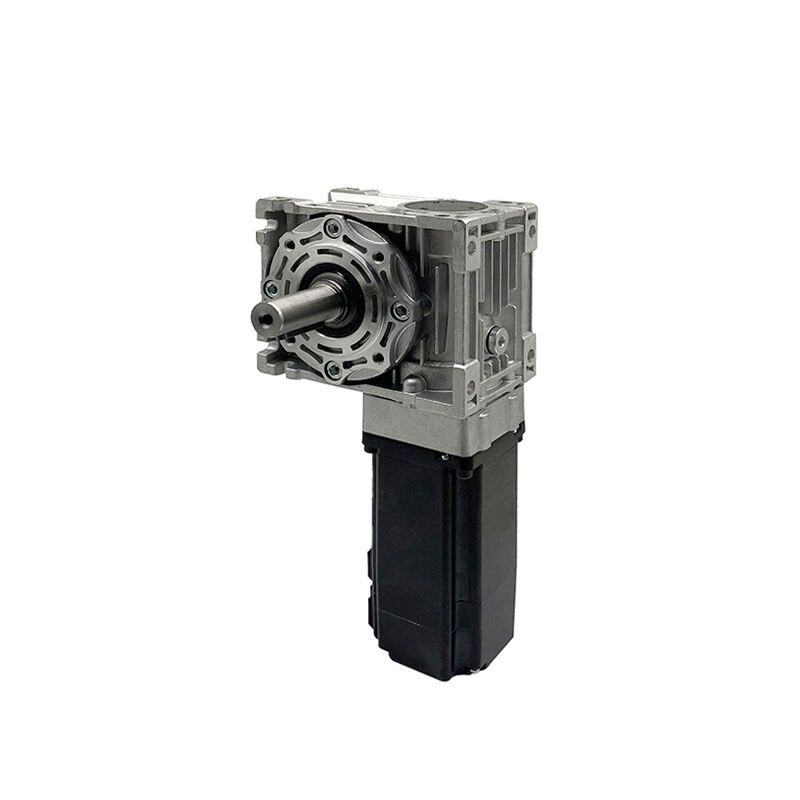
Az iparágokban használt automatizálási rendszerek pontos vezérlést, megbízhatóságot és energiahatékonyságot igényelnek a versenyképesség fenntartásához. A kefe nélküli egyenáramú motor a modern automatizált gépek működtetésének alapvető technológiájává vált, kiváló teljesítményjellemzőkkel rendelkezik, amelyeket a hagyományos motorok egyszerűen nem tudnak felülmúlni. Ezeknek a motoroknak a hatékonysága közvetlenül befolyásolja az üzemeltetési költségeket, a rendszer élettartamát és az általános termelékenységet a gyártási környezetben. A kefe nélküli egyenáramú motorok hatékonyságának kritikus szerepének megértése segíti a mérnököket tájékozott döntések meghozásában olyan automatizálási rendszerek tervezésekor, amelyek folyamatosan, minimális karbantartási igény mellett kell működniük.
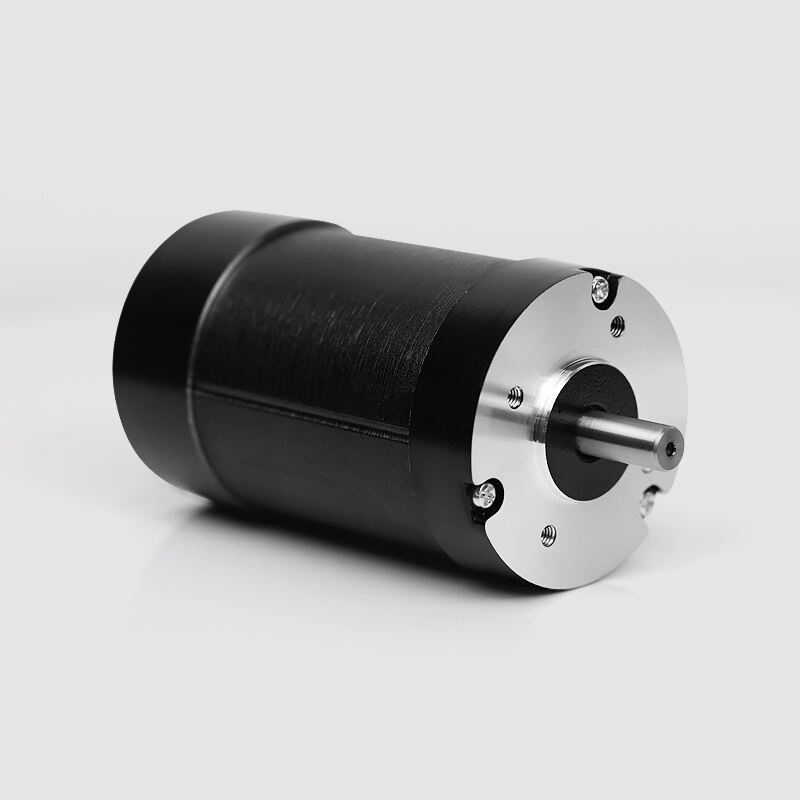
A kefe nélküli egyenáramú motorok alapelvei
Alapvető működési elvek
A kefés nélküli egyenáramú motor alapvető előnye az elektronikus kommutációs rendszerében rejlik, amely kiküszöböli a hagyományos egyenáramú motorokban található fizikai keféket. Ez a tervezési áttörés lehetővé teszi, hogy a motor lényegesen magasabb hatásfokot érjen el, amely általában 85–95 % között mozog, szemben a kefés motorokkal, amelyek gyakran alig haladják meg a 80 %-os hatásfokot. Az elektronikus kommutáció pontosan szabja meg az áram átfolyásának időzítését a motor tekercseiben, így maximalizálja a nyomaték kimenetet, miközben minimálisra csökkenti az energiaveszteséget a hőfejlődés révén.
A kefés egyenáramú motorokban hiányzó kefék jelenléte továbbá kiküszöböli a súrlódásból eredő veszteségeket, amelyek problémát jelentenek a hagyományos motorok tervezésénél. Mivel nincs fizikai érintkezés a szénkefék és a kommutátor között, ezek a motorok lényegesen csökkentett mechanikai kopást mutatnak, ami hosszabb üzemidejű működést eredményez – akár 10 000 óránál is több folyamatos üzemidőt is elérhetnek. Ez a tartóssági tényező különösen fontossá válik az automatizált rendszerekben, ahol a váratlan leállások jelentős pénzügyi veszteségekhez és gyártási késésekhez vezethetnek.
Fejlett vezérlő rendszerek integrációja
A modern egyenáramú kefegyűrűs motorrendszerek kifinomult elektronikus fordulatszám-szabályozókat tartalmaznak, amelyek lehetővé teszik a pontos sebesség- és helyzetvezérlést, amely elengedhetetlen az automatizálási alkalmazásokhoz. Ezek a szabályozók fejlett algoritmusokat – például mezőorientált vezérlést és térvektor-modulációt – alkalmaznak a motor teljesítményének optimalizálására változó terhelési körülmények mellett. A visszacsatolási érzékelők – például kódolók és Hall-érzékelők – integrálása valós idejű helyzet- és sebességinformációkat biztosít, amelyek növelik a rendszer pontosságát és reakcióképességét.
A kefés nélküli egyenáramú motorrendszerek digitális vezérlési jellege lehetővé teszi a zavarmentes integrációt a programozható logikai vezérlőkkel és az ipari kommunikációs hálózatokkal. Ez a kapcsolódás távfelügyeletet, előrejelző karbantartási ütemezést és valós idejű teljesítményoptimalizálást tesz lehetővé, amelyeket a hagyományos motor technológiák nem tudnak biztosítani. Az ilyen képességek különösen értékesek a modern Industry 4.0 gyártási környezetekben, ahol az adatvezérelt döntéshozatal hajtja az üzemeltetési kiválóságot.
Az energiahatékonyság hatása az automatizált rendszerekre
Működési Költség Csökkentése
Egy egyenáramú kefés nélküli motor kiváló hatásfoka közvetlenül csökkentett villamosenergia-fogyasztáshoz vezet, ami jelentős költségmegtakarítást eredményezhet a motor üzemelési ideje alatt. Nagy léptékű automatizált létesítményekben, ahol tucatnyi vagy akár száznyi motor folyamatosan működik, még a mérsékelt hatásfok-javulás is jelentős csökkenést eredményezhet a havi áramszámlákon. Tanulmányok szerint a váltás egyenáramú kefés nélküli motorokra 20–30%-os energiafogyasztás-csökkenést eredményezhet a megfelelő kefés motorrendszerekhez képest.
A kefés egyenáramú motorrendszerek hatékonyságának javulása nemcsak közvetlen energiamegtakarítást eredményez, hanem csökkenti a hőtermelést is, ami csökkenti az ipari létesítmények hűtési igényét. Az alacsonyabb környezeti hőmérséklet a gyártókörnyezetben meghosszabbítja az érzékeny elektronikus alkatrészek élettartamát, és csökkenti a létesítmény HMV-rendszerének terhelését. Ez a hatékonyságjavulásból eredő láncreakció bemutatja, hogyan befolyásolja a motor kiválasztása a létesítmény teljes üzemeltetési költségeit a közvetlen alkalmazáson túl.
Hőkezelési előnyök
A kefés egyenáramú motorok kiváló hatékonysága jelentősen csökkenti a hőterhelést magán a motornál és a körülötte lévő rendszeralkatrészeknél egyaránt. Az alacsonyabb üzemi hőmérséklet meghosszabbítja a szigetelés élettartamát, csökkenti a csapágyak kopását, és minimalizálja a hőhatásra visszavezethető hibák kockázatát, amelyek váratlan rendszerleállásokat okozhatnak. A precíziós automatizálási alkalmazásokban a konzisztens hőmérsékleti jellemzők stabil működést biztosítanak, és csökkentik a hőmérséklet-kiegyenlítő algoritmusok alkalmazásának szükségességét.
Az hatékony motorüzemeltetésen alapuló hatékony hőkezelés lehetővé teszi a nagyobb teljesítménysűrűségű telepítéseket olyan helyeken, ahol a helykorlátozások korlátozzák a hűtési lehetőségeket. szénszalagos dc motor ezek a motorok megbízhatóan üzemelhetnek kis méretű burkolatokban, ahol a hagyományos motorok túlmelegednének, így ideálisak robotikai alkalmazásokhoz és automatizált berendezésekhez, ahol a hely optimalizálása döntő fontosságú.
Teljesítményelőnyök az automatizálási alkalmazásokban
Precíziós vezérlési képességek
A kefés nélküli egyenáramú motor elektronikus kommutációs rendszere kiváló sebességszabályozást és pozicionálási pontosságot biztosít, amely elengedhetetlen a modern automatizálási rendszerek számára. Ezek a motorok képesek a beállított érték 0,1%-os eltérésén belül fenntartani a sebességstabilitást változó terhelési körülmények mellett, így biztosítva azt az egyenletességet, amelyre a CNC megmunkálás, a 3D nyomtatás és az összeszerelő sorok műveletei során szükség van. A kefék hiánya kiküszöböli a kefés motorok jellemző sebességváltozásait és nyomatékingadozását.
A fejlett egyenáramú kefés motorvezérlők előrejelző algoritmusokat alkalmaznak, amelyek előre érzékelik a terhelésváltozásokat, és proaktívan módosítják a motor paramétereit. Ez a képesség lehetővé teszi a sima gyorsulási és lassulási profilokat, amelyek minimalizálják a meghajtott berendezéseken fellépő mechanikai igénybevételt, miközben pontos mozgásszabályozást biztosítanak. Az ilyen kifinomult vezérlési jellemzők különösen értékesek olyan alkalmazásokban, amelyek koordinált többtengelyes mozgást igényelnek, például robotmanipulátorok és automatizált csomagolórendszerek esetében.
Dinamikus válaszjellemzők
A kefés egyenáramú motorok építésére jellemző alacsony tehetetlenségű forgórész-konstrukció lehetővé teszi a gyors gyorsulási és lassulási ciklusokat, amelyek elengedhetetlenek a nagysebességű automatizálási folyamatokhoz. A rövid válaszidők lehetővé teszik, hogy ezek a motorok pontosan kövessék az összetett mozgásprofilokat, így ideálisak olyan alkalmazásokhoz, mint a fogd-meg-és-rakd műveletek, szállítószalag-rendszerek és automatizált ellenőrzőberendezések, ahol a ciklusidő optimalizálása közvetlenül befolyásolja a termelékenységet.
A kefés nélküli egyenáramú motor képessége, hogy egységes nyomatékot szolgáltasson az egész fordulatszám-tartományban, működési rugalmasságot biztosít az automatizált rendszerek számára, amelyet a hagyományos motorok nem tudnak megfelelően biztosítani. Ez a lapos nyomaték-jelleggörbe lehetővé teszi az egyetlen motorral történő megoldást olyan alkalmazásokhoz, amelyek máskülönben több motort vagy összetett átvételi rendszert igényelnének, így leegyszerűsíti a gépek tervezését és csökkenti a karbantartási igényeket.
Megbízhatóság és karbantartási szempontok
Meghosszabbított Szolgáltatási Élettartam
A kefés nélküli egyenáramú motorok tervezésében a kefék kopásának kiküszöbölése jelentősen meghosszabbítja az üzemelési élettartamot a hagyományos kefés motorokhoz képest. Mivel nincsenek szénkefék, amelyeket időszakosan cserélni kell, ezek a motorok tízezres órákig üzemelhetnek minimális karbantartással – kivéve az alapvető csapágykenésre vonatkozó eljárásokat. Ez a megbízhatósági előny csökkenti a karbantartási költségeket és növeli a rendszer rendelkezésre állását, ami kritikus tényező az automatizált gyártási környezetekben, ahol a leállások közvetlenül befolyásolják a jövedelmezőséget.
A kefés nélküli egyenáramú motorrendszerek robusztus felépítése előrehaladott csapágytechnológiákat és javított tömítési módszereket foglal magában, amelyek növelik a szennyeződésekkel és nedvességgel szembeni ellenállást. Ezek a tervezési fejlesztések lehetővé teszik a működést kihívásokat jelentő ipari környezetekben, ahol a hagyományos motorok korai meghibásodással fenyegetettek lehetnek por, vegyi anyagok vagy extrém hőmérsékleti viszonyok miatt. A javított környezeti ellenállás csökkenti a drága védőházak igényét, és meghosszabbítja a karbantartási időszakokat.
Előrejelzéses karbantartás integrációja
A modern kefés nélküli egyenáramú motorrendszerek diagnosztikai képességeket is tartalmaznak, amelyek lehetővé teszik az előrejelző karbantartási stratégiákat, amelyek elengedhetetlenek az optimalizált automatizálási rendszerek menedzseléséhez. A beépített érzékelők figyelik a tekercsek hőmérsékletét, a csapágyak állapotát és az elektromos jellemzőket, így korai figyelmeztetést nyújtanak lehetséges problémákra, még mielőtt azok rendszerhibához vezetnének. Ez a proaktív karbantartási ütemezési megközelítés minimálisra csökkenti a váratlan leállásokat, és optimalizálja a karbantartási erőforrások felhasználását.
A kefés nélküli egyenáramú motorvezérlőrendszerek digitális jellege lehetővé teszi a részletes adatrögzítést és a teljesítményalakulások nyomon követését, amely támogatja a folyamatos fejlesztési kezdeményezéseket. A korábbi teljesítményadatok segítenek az optimalizálási lehetőségek azonosításában, valamint érvényesítik a karbantartási eljárások hatékonyságát, így hozzájárulnak az egész rendszer megbízhatóságának idővel történő javításához.
Felhasználásra jellemző előnyök
Ipari robotika
Robotalkalmazásokban a kefés nélküli egyenáramú motorok pontossága és hatékonysága lehetővé teszi a bonyolult mozgássorozatok végrehajtását minimális energiafelhasználással. Ezeknek a motoroknak a magas nyomaték-tömeg aránya lehetővé teszi a könnyebb robotkarok kialakítását anélkül, hogy csökkenne a teherbírásuk, ami gyorsabb ciklusidőket és alacsonyabb energiafelhasználást eredményez műveletenként. A kefés nélküli egyenáramú motorrendszerek halk működése továbbá javítja a munkakörülményeket a közös munkavégzésre tervezett robotok alkalmazása során.
A több szervomotoros egység koordinált vezérlőrendszerekbe történő integrálásának képessége lehetővé teszi a hat vagy annál több szabadsági fokkal rendelkező, összetett robotmanipulátorok kialakítását. Mindegyik motort függetlenül lehet vezérelni, miközben egyidejűleg szinkronban marad más tengelyekkel, így lehetővé válik az összetett pályatervezés és akadálykerülési funkciók megvalósítása, amelyek növelik az automatizált rendszerek rugalmasságát és termelékenységét.
Szállítószalag és anyagmozgatás
A kefés nélküli egyenáramú motorokkal működtetett szállítószalag-rendszerek kiváló energiatakarékosságot érnek el a hagyományos váltakozó áramú motoros meghajtásokhoz képest, különösen olyan alkalmazásokban, ahol változó terhelési körülmények vagy gyakori indítási-állítási ciklusok fordulnak elő. A sebesség és nyomaték pontos szabályozásának képessége lehetővé teszi a finom termékkezelést anélkül, hogy csökkenne a megcélzott áteresztőképesség, csökkentve ezzel a károsodási arányt és javítva az egész rendszer hatékonyságát.
A kefés egyenáramú motorrendszerekben jelen lévő visszatápláló fékezési képesség lehetővé teszi az energia-visszanyerést a lassulási fázisok során, ami tovább javítja az egész rendszer hatékonyságát. Ez a funkció különösen értékes anyagmozgatási alkalmazásokban, emelkedőkkel és lejtőkkel rendelkező területeken, ahol a helyzeti energia visszanyerhető és újra felhasználható, csökkentve ezzel a létesítmény energiafogyasztását és az üzemeltetési költségeket.
Jövőbeli tendenciák és fejlesztések
Integráció az IoT-platformokkal
A kefés egyenáramú motorok technológiájának fejlődése továbbra is a növekvő kapcsolódás és intelligencia irányába halad az Internet of Things (Dolgok Internetje) integrációjával. A fejlett motorvezérlők ma már vezeték nélküli kommunikációs képességeket is tartalmaznak, amelyek távolról történő figyelést, teljesítményoptimalizálást és előrejelző karbantartást tesznek lehetővé elosztott automatizálási rendszerekben. Ez a kapcsolódás lehetővé teszi a létesítmény-vezetők számára az energiafelhasználás és a karbantartási ütemezés optimalizálását az egész gyártóüzem szintjén.
A gépi tanulási algoritmusok integrálása a kefés nélküli egyenáramú motorvezérlő rendszerekbe lehetővé teszi az adaptív optimalizációt, amely a működési adatok alapján idővel javítja a teljesítményt. Ezek az intelligens rendszerek automatikusan képesek beállítani a motor paramétereit, hogy fenntartsák a csúcs hatékonyságot a rendszeralkatrészek öregedése vagy a működési körülmények változása esetén is, ezzel meghosszabbítva a berendezés élettartamát és biztosítva az optimális energiavázlatot a rendszer teljes életciklusa során.
Haladó anyagok és építés
A mágneses anyagokban és a motorok építési technikájában folyamatosan zajló fejlesztések továbbra is javítják a kefés nélküli egyenáramú motorok hatékonyságát és teljesítményképességét. A nagy energiasűrűségű állandómágnesek és a fejlett tekercselési technikák magasabb teljesítménysűrűséget tesznek lehetővé anélkül, hogy elveszítenék azokat a megbízhatósági előnyöket, amelyek miatt ezek a motorok ideálisak az automatizálási alkalmazásokhoz. Ezek a fejlesztések lehetővé teszik a kompaktabb automatizálási rendszerek tervezését, javított teljesítményjellemzőkkel.
Az előrehaladott hűtési technikák és hőkezelési anyagok bevezetése lehetővé teszi a kefés nélküli egyenáramú motorrendszerek működését magasabb teljesítményszinteken is, miközben megőrzik hatékonysági előnyeiket. Ezek a fejlesztések kibővítik a kefés nélküli technológia alkalmazási körét a korábban alacsonyabb hatékonyságú alternatív motortechnológiákat igénylő, magasabb teljesítményű automatizálási rendszerek irányába.
GYIK
Milyen hatékonysági szintek érhetők el kefés nélküli egyenáramú motorrendszerek esetében automatizálási alkalmazásokban?
A kefés nélküli egyenáramú motorrendszerek általában 85–95 % közötti hatékonyságot érnek el, ami jelentősen magasabb, mint a kefés motorok általános 70–80 %-os hatékonysága. A pontos hatékonyság a motor méretétől, a terhelési feltételektől és a vezérlőrendszer fejlettségétől függ. Automatizálási alkalmazásokban, változó terhelés mellett a kefés nélküli motorok szélesebb üzemi tartományon keresztül is magas hatékonyságot biztosítanak a hagyományos alternatívákhoz képest, így ideálisak olyan felhasználási területekre, ahol a sebesség és a nyomaték igényei változnak.
Hogyan befolyásolja a kefés nélküli egyenáramú motor hatásfoka az automatizált rendszerek teljes költségét
A kefés nélküli egyenáramú motorrendszerek javított hatásfoka csökkenti az üzemeltetési költségeket az alacsonyabb villamosenergia-fogyasztás, a csökkent hűtési igény és a megnövelt berendezés élettartam révén. Bár a kezdeti vásárlási költségek magasabbak lehetnek a hagyományos motoroknál, a teljes tulajdonlási költség általában kedvezőbb a kefés nélküli technológiának a csökkent energia-számlák, a minimális karbantartási igény és a meghosszabbodott szervizelési élettartam miatt. A költségmegtakarítás különösen jelentős folyamatos üzemelésre vagy magas üzemi ciklusra tervezett alkalmazásokban mutatkozik meg.
Milyen karbantartási előnyöket nyújtanak a kefés nélküli egyenáramú motorrendszerek
A kefék hiánya eltávolítja a hagyományos motorok fő kopóelemét, ami drámaian csökkenti a karbantartási igényt, és meghosszabbítja a szolgáltatási élettartamot. A kefefelmentes egyenáramú motorrendszerek általában csak alapvető csapágykenésre és időszakos tisztításra szorulnak, a karbantartási intervallumokat az üzemórák ezreibe, nem százaira mérik. Ez a megbízhatósági előny csökkenti a karbantartási munka költségeit, és minimalizálja a termelési megszakításokat a motorok meghibásodása vagy ütemezett karbantartása miatt.
Alkalmazhatók-e a kefefelmentes egyenáramú motorrendszerek minden automatizálási alkalmazásban?
Bár a kefés nélküli egyenáramú motorok technológiája számottevő előnyöket kínál, az alkalmazásra való alkalmas voltuk a konkrét követelményektől függ, például a teljesítményszinttől, a környezeti feltételektől és a vezérlési pontosságra vonatkozó igényektől. Ezek a motorok kiválóan alkalmazhatók olyan feladatokra, amelyek pontos fordulatszám-vezérlést, változó terhelést, gyakori indítási és leállítási ciklusokat vagy folyamatos üzemelést igényelnek. Egyszerűbb alkalmazásoknál azonban – ahol állandó terhelés és minimális vezérlési igény van – a kefés nélküli technológia további költsége nem mindig indokolható a hagyományos váltakozóáramú motorokkal szemben.
Tartalomjegyzék
- A kefe nélküli egyenáramú motorok alapelvei
- Az energiahatékonyság hatása az automatizált rendszerekre
- Teljesítményelőnyök az automatizálási alkalmazásokban
- Megbízhatóság és karbantartási szempontok
- Felhasználásra jellemző előnyök
- Jövőbeli tendenciák és fejlesztések
-
GYIK
- Milyen hatékonysági szintek érhetők el kefés nélküli egyenáramú motorrendszerek esetében automatizálási alkalmazásokban?
- Hogyan befolyásolja a kefés nélküli egyenáramú motor hatásfoka az automatizált rendszerek teljes költségét
- Milyen karbantartási előnyöket nyújtanak a kefés nélküli egyenáramú motorrendszerek
- Alkalmazhatók-e a kefefelmentes egyenáramú motorrendszerek minden automatizálási alkalmazásban?