
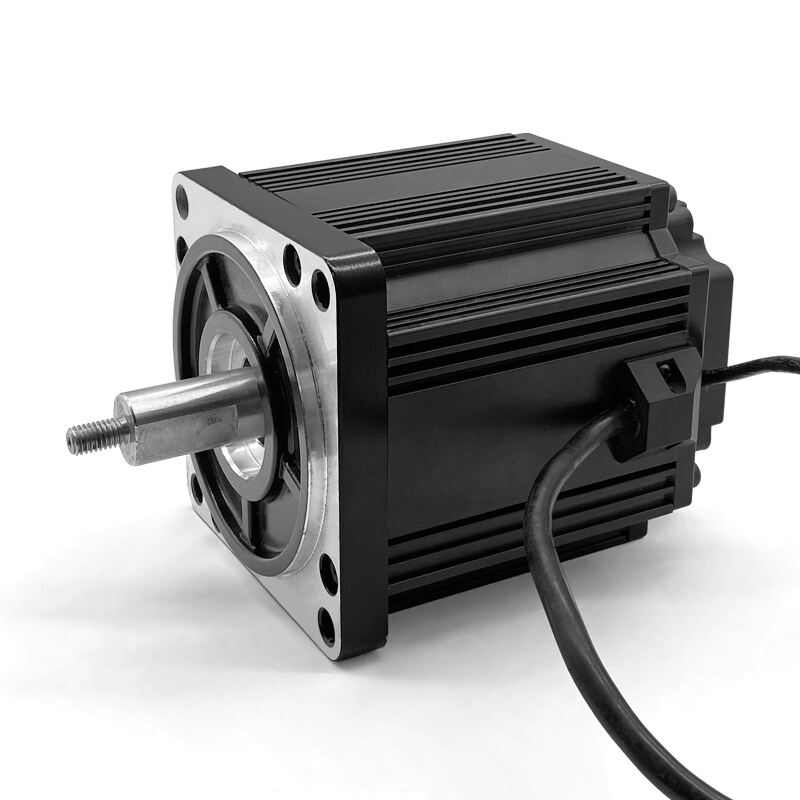
Өнеркәсіптік қолданыстағы дәлме-дәл операциялар өте жоғары айналу жиілігінің тұрақтылығы мен тұрақты жұмыс сипаттамасын талап етеді. Операциялар дәл орналастыруды, сенімді бұрғылау моментін беруді және айналу жиілігінің аз ғана тербелісін талап еткен кезде қозғалтқыштың түрін таңдау өте маңызды болып табылады. Тұрақты токтың қозғалтқышы — бұл қатаң талаптар қойылатын қолданыстар үшін алдыңғы қатарлы шешім ретінде пайда болады, себебі ол әдеттегі қозғалтқыштармен салыстырғанда жоғары деңгейдегі айналу жиілігін реттеу сипаттамаларын ұсынады. Тұрақты токтың қозғалтқышы технологиясының тән конструкциялық артықшылықтары автоматтандырылған өндірісте, роботтектес жүйелерде және жоғары дәлдікті жабдықтарда қажетті дәл реттеуді қамтамасыз етуге негіз болып табылады.
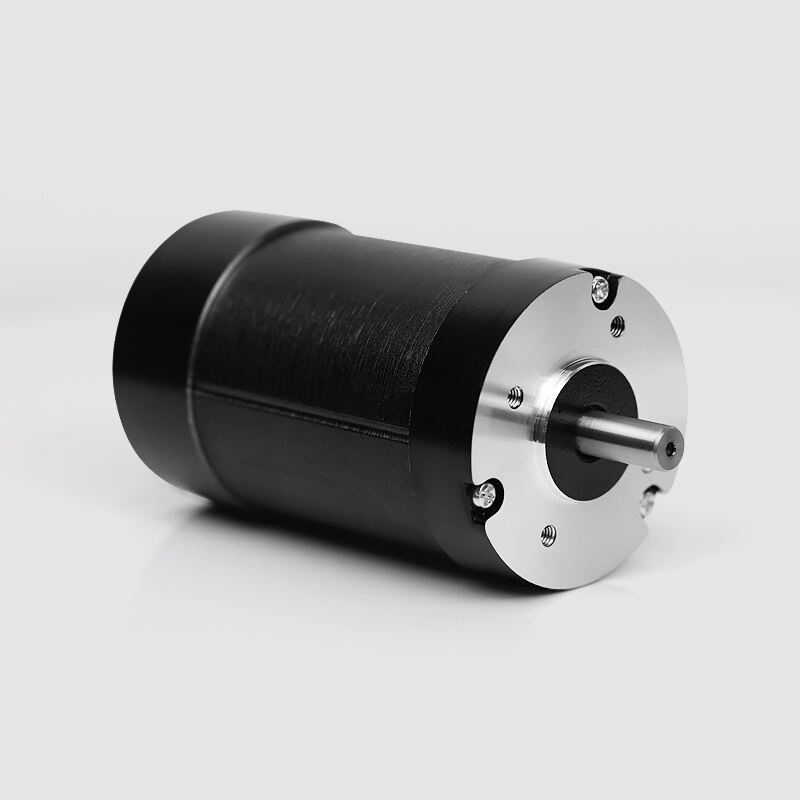
Тұрақты токтың қозғалтқышы жүйелеріндегі айналу жиілігінің тұрақтылығын түсіну
Электронды коммутацияның артықшылықтары
Тұрақты токтың қозғалтқышындағы электронды коммутациялық жүйе көптеген бұрынғы щеткалармен коммутацияланатын қозғалтқыштарға тән механикалық үйкеліс пен тозуға алып келетін факторларды жояды. Бұл конструкциялық жетістік щеткалардың түйісу кедергісінің өзгеруіне байланысты туындайтын жылдамдықтың табиғи тербелістерін жою арқылы жылдамдықтың жоғары тұрақтылығына тікелей үлес қосады. Электронды ауыстыру нақты бақыланатын интервалдарда жүзеге асады, ол бірқалыпты момент беруді қамтамасыз етеді және щеткалары бар қозғалтқыштардың жұмысына тән моменттің тербелісін жояды. Нәтижесінде айналу бірқалыпты болады және жылдамдықтың тербелісі минималды болады, бұл тұрақты жұмыс істеуді талап ететін дәлдікке қойылатын қолданбалар үшін маңызды.
Жылдамдықтың дәлдігін тар шектерде сақтау үшін алғысқа лайықталаған басқару алгоритмдері тұрақты токтың щеткелік емес қозғалтқышымен ынтымақтастықта жұмыс істейді. Бұл жүйелер ротордың орнын үздіксіз бақылап отырып, жүктеме өзгерістері мен сыртқы айқынсыздықтарға қарсы қосу уақытын реттейді. Коммутация процесінің электрондық сипаты механикалық жүйелердің қол жеткізе алмайтын нақты уақыттағы реттеулерді қамтамасыз етеді, ол қиын жұмыс жағдайларында өте жоғары жылдамдықтың тұрақтылығын қамтамасыз етеді.
Кері байланыс басқаруының интеграциясы
Қазіргі заманғы тұрақты токтың щеткелік емес қозғалтқыш жүйелері үздіксіз бақылау және өзгерту үшін күрделі кері байланыс механизмдерін қолданады. Энкодерлардың кері байланысы дәл орын мен жылдамдық туралы ақпарат береді, ол басқару жүйесіне қажетті жылдамдықтың орнатылған мәнін сақтау үшін лезде түзетулер енгізуге мүмкіндік береді. Бұл тұйықталған контурлық жұмыс режимі сыртқы жағдайлар өзгерген кезде немесе жұмыс істеу кезінде жүктеме талаптары тербелген кезде жылдамдықтың ауытқуларын қабылданатын шектерде ұстайды.
Жоғары анықтықтағы энкодерлерді тұрақты токтың щеткалы емес қозғалтқыштарымен интеграциялау жылдамдықты реттеудің дәлдігін қамтамасыз етеді, бұл көрсеткіш қалыпты қозғалтқыштардың мүмкіндіктерінен асады. Бұл кері байланыс жүйелері микросекунд ішінде жылдамдықтың аз ғана өзгерістерін анықтап, түзету шараларын қолдана алады, сондықтан дәлдікті қажет ететін есептерді орындау үшін тұрақты жұмыс режимі сақталады. Электронды коммутация мен алдыңғы қатарлы кері байланыс басқаруының үйлесімі қалыпты қозғалтқыш технологияларымен қол жеткізілмеген жылдамдық тұрақтылығы деңгейлерін қамтамасыз ететін қозғалтқыш жүйесін құрады.
Ерекше жылдамдық тұрақтылығын қажет ететін қолданыстар
Дәлдікті қажет ететін өндіріс операциялары
Өнім сапасы мен өлшемдік дәлдігін қамтамасыз ету үшін кесу, бұрғылау немесе өңдеу операцияларын қамтитын өндірістік процестер тұрақты электрқозғалтқыш жылдамдығына көп тәуелді. Тұрақты токтың щеткалы емес электрқозғалтқышы осы қолданыстар үшін қажетті жылдамдық тұрақтылығын қамтамасыз етеді, соның арқасында кесу құралдары барлық өңдеу циклы бойынша оптималды жылдамдықта жұмыс істейді. Маңызды операциялар кезінде жылдамдықтың ауытқуы беттің жағынан біркелкіліктің жоғалуына, өлшемдік қателіктерге немесе құралдың тозуына әкелуі мүмкін, бұл өнім сапасын төмендетеді және өндіріс шығындарын көтереді.
Жинақтау жолындағы автоматтандыру — тұрақты айналу жиілігі бар тұрақты ток двигателдерінің маңыздылығын көрсететін тағы бір аймақ. Тасымалдаушы жүйелер, детальдарды алу және орналастыру механизмдері мен автоматтандырылған жинақтау жабдықтары өндіріс тиімділігін сақтау үшін дәл уақыттау және тұрақты қозғалыс профилдерін талап етеді. Тұрақты ток двигателдерінің тұрақты жұмыс істеу сипаттамалары осы жүйелердің бағдарламаланған айналу жиіліктерін сақтауын қамтамасыз етеді, бұл бірнеше автоматтандырылған процестердің дәл координациялануын қамтамасыз етеді және уақыттауға байланысты өндірістік қателердің пайда болу қаупін азайтады.
Зертханалық және талдау жабдықтары
Дәлдік нәтижелер алу үшін ғылыми құралдар мен талдау жабдықтары өте жоғары жылдамдық тұрақтылығын талап етеді. Центрифугалар, спектрометрлер және басқа да дәл құралдар өлшеу дәлдігіне тікелей әсер ететін тұрақты айналу жылдамдығын сақтау үшін тұрақты токтың щеткалы емес қозғалтқыштарын қолданады. Жылдамдықтағы ең незік тербелістер талдау нәтижелеріне қателіктер енгізуі мүмкін, сондықтан щеткалы емес тұрақты токтың қозғалтқыш жүйелерінің жоғары жылдамдық тұрақтылығы өлшеу дәлдігі мен деректердің сенімділігін сақтау үшін маңызды.
Медициналық диагностикалық жабдықтар — бұл жылдамдық тұрақтылығы тікелей қызмет көрсету сапасы мен науқастардың қауіпсіздігіне әсер ететін тағы бір маңызды қолдану аймағы. Кескіндеу жүйелері, қан талдағыштары және басқа да медициналық құрылғылар қылқаламсыз тұрақты ток қозғалтқышы диагностикалық процедуралар кезінде тұрақты жұмыс істеуді қамтамасыз ету үшін осы технологияны қолданады. Бұл қозғалтқыш жүйелерінің сенімді жұмыс істеу сипаттамалары дәл диагностикалық нәтижелерге ықпал етеді және медициналық қолданыста қажетті жоғары дәлдік стандарттарын сақтауға көмектеседі.
Жылдамдықтың тұрақтылығын қолдауға арналған техникалық сипаттамалар
Төмен моменттің тербеліс сипаттамалары
Тұрақты токтың щеткалы емес қозғалтқышының жобалау сипаттамалары оның щеткалы қозғалтқыштарға қарағанда төмен моменттің тербелісін туғызуға бағытталған. Бұл моменттің азаюы тікелей жылдамдықтың тұрақтылығын жақсартады, себебі қозғалтқыш ішкі күштерге әсер етпейді, олар жылдамдықтың тербелісіне әкелуі мүмкін. Тұрақты токтың щеткалы емес қозғалтқышы технологиясының тегіс момент беруі электронды коммутациялаудың дәл уақыттасуы мен қозғалтқыш құрылымы ішіндегі оптималды магниттік өрістердің әрекеттесуінен туындайды.
Алдыңғы орамдық конфигурациялар мен магниттік полюстарды орналастыру басқарылмайтын тұрақты ток двигателдерінің айналдырушы моментінің тербелісін одан әрі азайтады. Бұл инженерлік оптимизациялар двигательдің барлық айналу циклы бойынша тұрақты айналдырушы момент шығысын қамтамасыз етеді, сондықтан дәлме-дәл қолданыстар үшін қажетті өте жоғары жылдамдық тұрақтылығы қамтамасыз етіледі. Айналдырушы моменттің тербелісін азайту вибрация деңгейін де төмендетеді, бұл механикалық тұрақтылық маңызды болатын қолданыстар үшін қосымша артықшылықтар береді.
Жылулық басқару және тұрақтылық
Жылулық сипаттамалар басқарылмайтын тұрақты ток двигателдерінің ұзақ уақыт бойы жұмыс істеу кезіндегі жылдамдық тұрақтылығын сақтауда маңызды рөл атқарады. Щеткалардың болмауы негізгі жылу көзін жояды және ішкі үйкелісті азайтады, сондықтан двигатель төмен температурада жұмыс істей алады. Бұл жақсарған жылулық басқару электрлік кедергі мен магниттік қасиеттерге температураға байланысты өзгерістерді азайтып, двигательдің жұмысына әсер ететін себептерді минималдандырып, жылдамдық тұрақтылығына тікелей үлес қосады.
Тұрақты токтың қозғалтқыштарындағы қозғалтқыштардың қуатты жылу шашуы әрекет ету циклдары бойынша өнімділік сипаттамаларының тұрақтылығын қамтамасыз етеді. Температураның тұрақтылығы қозғалтқыштарда қатты жылулық ауытқулар болған кезде пайда болатын айналу жиілігінің ауытқуын болдырмауға көмектеседі, ол қатаң талап етілетін қолданбалар үшін дәл басқаруды қамтамасыз етеді. Жылу шығарудың азаюы мен жақсартылған жылу басқаруы ұзақ уақыт бойы тұрақты айналу жиілігін қолдайтын жұмыс жағдайларын құрады.
Дәлдікті арттыру үшін басқару жүйесінің интеграциясы
Алғы шеттегі қозғалтқыш электроникасы
Тұрақты токтың қозғалтқыштары үшін арнайы әзірленген заманауи жетек электроникасы қозғалтқыштың тән сипаттамаларынан тыс жылдамдықтың тұрақтылығын арттыратын күрделі алгоритмдерді қолданады. Бұл басқару жүйелері жылдамдықты дәл реттеуді әртүрлі жұмыс жағдайларында сақтау үшін жетілдірілген ауыстыру әдістерін, болжамды басқару алгоритмдерін және өзгермелі компенсация әдістерін қолданады. Бұл технологиялардың тұрақты токтың қозғалтқыштарының аппараттық құралдарымен интеграциясы өте жоғары жылдамдық тұрақтылығын қамтамасыз ететін қозғалтқыш жүйелерін жасауға мүмкіндік береді.
Қазіргі заманғы тұрақты токтың қозғалтқыштарын басқарудағы цифрлық сигналды өңдеу мүмкіндіктері жылдамдық ауытқуларын нақты уақытта талдау мен түзету мүмкіндігін береді. Бұл жүйелер жылдамдыққа маңызды әсер етпес бұрын кедергілерді анықтап, оларға қарсы шаралар қолдана алады, сондықтан дәлме-дәл операциялар үшін қажетті тұрақты жұмыс істеу қамтамасыз етіледі. Қазіргі заманғы басқару жүйелерінің есептеу қуаты тұрақты токтың қозғалтқыштары технологиясының жылдамдық тұрақтылығының артықшылықтарын максималды пайдалануға мүмкіндік беретін күрделі басқару стратегияларын іске асыруға мүмкіндік береді.
Бағдарламаланатын жылдамдық профилдері
Тұрақты токтың щеткелік емес қозғалтқыштарын басқару жүйелерінің икемділігі арқылы белгілі бір қолданыстар үшін өнімділікті оптималдауға мүмкіндік беретін, әртүрлі жылдамдық профилдерін іске асыруға болады. Осы бағдарламаланатын жүйелер әртүрлі жылдамдық орнатылған мәндерін өте жоғары дәлдікпен сақтай алады, ол қатаң уақыттау және координацияны талап ететін күрделі қозғалыс тізбегін қамтамасыз етеді. Жоғары тұрақтылықпен бірнеше жылдамдық профилін бағдарламалау мен сақтау мүмкіндігі тұрақты токтың щеткелік емес қозғалтқыштарын әртүрлі жұмыс талаптарын қанағаттандыруға арналған қолданыстар үшін идеалды етеді.
Тұрақты токтың қозғалтқыштарында айналу жиілігінің өсуі мен кему профилдерін дәл бақылауға болады, бұл жылдамдықтың орнатылған мәндері арасындағы ауысуларды асып кетпеу немесе тербеліс болмай, салыстырмалы түрде жұмсак орындауға мүмкіндік береді. Бұл бақылау деңгейі жалпы жүйенің тұрақтылығына үлес қосады және қатаң талап қойылатын қолданбалар үшін қажетті дәл қозғалыс бақылауын қамтамасыз етеді. Осы жүйелердің бағдарламаланатын сипаты олардың жылдамдық профилдерін нақты қолданба талаптарына сәйкестендіру мүмкіндігін береді, сонымен қатар тұрақты токтың қозғалтқыштарының технологиясының өте жоғары тұрақтылық сипаттары сақталады.
Салыстырмалы сипаттамалар мен артықшылықтар
Дәстүрлі қозғалтқыштар технологиясымен салыстыру
Қозғалтқыштардың тұрақты токты қозғалтқыштарымен салыстырғанда, щеткалы емес тұрақты ток қозғалтқыштарының технологиясы айтарлықтай жоғары жылдамдық тұрақтылығын көрсетеді. Дәстүрлі щеткалы қозғалтқыштарда щетканың түйісу кедергісінің өзгеруі, коллектор бөліктерінің айырылуы және жылдамдық тұрақтылығына тікелей әсер ететін механикалық тозу факторлары салдарынан жылдамдықта ауытқулар байқалады. Щеткалы емес тұрақты ток қозғалтқыштарында осы механикалық компоненттердің болмауы жылдамдық тұрақсыздығының осы көздерін жояды, нәтижесінде ұзақ уақыт бойы пайдалану кезінде тұрақтырақ жұмыс істеу қабілеті қамтамасыз етіледі.
Айнымалы токтың индукциялық қозғалтқыштары сенімді және берік болғанымен, дәлме-дәл қолданыстарда тұрақты токтың щеткалы емес қозғалтқыштарының қамтамасыз ететін айналу жиілігінің тұрақтылығы деңгейіне жету әдетте мүмкін емес. Индукциялық қозғалтқыштардың жұмыс істеуіне тән сырғылу сипаттамалары айналу жиілігінің ауытқуларын туғызады; бұл ауытқулар жалпы өнеркәсіптік қолданыстар үшін қабылданған болуы мүмкін, бірақ дәлме-дәл тапсырмалар үшін жеткіліксіз. Тұрақты токтың щеткалы емес қозғалтқыштары жүйелерінің тікелей айналу жиілігін реттеу мүмкіндіктері айналу жиілігін дәл реттеу қажет болатын қолданыстар үшін жоғары деңгейде тұрақтылық қамтамасыз етеді.
Ұзақ мерзімді тұрақтылықтың артықшылықтары
Тұрақты токтың щеткалы емес қозғалтқыштарын қолдану қызмет көрсетудің қажетінсіз болуына әкеледі, сондықтан олардың жылдамдық тұрақтылығы ұзақ мерзімге сақталады, себебі олардың өнімділігі тозуға байланысты төмендеуі болмайды. Щеткалар мен коммутаторлардың болмауы арқасында мұндай қозғалтқыштар ұзақ уақыт бойы өзінің өнімділік сипаттамаларын сақтайды және механикалық коммутациялық жүйелерде бақыланатын жылдамдық тұрақтылығының бірте-бірте нашарлауы болмайды. Бұл уақыт өте келе тұрақты өнімділік дәлдікті қажет ететін қолданбалардың қозғалтқыштың жұмыс істеу өмірі бойы өз дәлдігін сақтауын қамтамасыз етеді.
Тұрақты токтың щеткалы емес қозғалтқыштарындағы қызмет көрсету талаптарының азаюы сондай-ақ қызмет көрсету шараларынан туындайтын жұмыс сапасының өзгерістерін де жояды. Дәстүрлі қозғалтқыштарда щеткаларды алмастыру немесе коллекторды қызметке ие етуден кейін уақытша айналу жиілігінің тұрақтылығы бұзылуы мүмкін, ал тұрақты токтың щеткалы емес қозғалтқыштарында осындай қызмет көрсетуге байланысты ақаулар болмай, тұрақты жұмыс сапасы сақталады. Бұл сенімділік қатаң талаптар қойылатын қолданбаларда қажетті жалпы дәлдік пен тұрақтылыққа үлес қосады.
Жиі қойылатын сұрақтар
Тұрақты токтың щеткалы емес қозғалтқыштарында айналу жиілігінің тұрақтылығына қандай факторлар әсер етеді
Тұрақты айналу жиілігін қамтамасыз ету үшін тұрақты токтың қозғалтқыш жүйелерінде бірнеше негізгі факторлар әсер етеді: механикалық үйкеліс ауытқуларын жоятын электронды коммутация, нақты уақытта айналу жиілігін түзететін алғыс беру басқару жүйелері және айналдырушы моменттің тербелісін азайтатын оптималды магниттік конструкциялар. Бұл факторлардың қосындысы әртүрлі жүктеме жағдайларында да өте тар допустимдік шектерінде айналу жиілігін сақтай алатын қозғалтқыш жүйелерін құруға мүмкіндік береді.
Айналу жиілігінің тұрақтылығы дәлдікпен жасалатын өндірістік қолданбаларға қалай әсер етеді?
Айналу жиілігінің тұрақтылығы дәлдікпен жасалатын өндірісте өнім сапасына тікелей әсер етеді, себебі ол тұрақты кесу жылдамдығын, автоматтандырылған процестердегі дәл уақыттауын және орналастыру жүйелерінің сенімді жұмыс істеуін қамтамасыз етеді. Қозғалтқыштың айналу жиілігіндегі ауытқулар беттің жабылу сапасындағы біркелкіліксіздікке, өлшемдік қателіктерге және өнім сапасын төмендетіп, өндіріс шығындарын көтеретін уақыттау проблемаларына әкелуі мүмкін. Тұрақты токтың қозғалтқыштары өндірістік дәлдікті сақтау үшін қажетті тұрақтылықты қамтамасыз етеді.
Тұрақты токтың қозғалтқыш жүйелері айнымалы жүктемелер кезінде жылдамдық тұрақтылығын сақтай ала ма
Иә, заманауи тұрақты токтың қозғалтқыш жүйелері жылдамдық тұрақтылығын сақтау үшін жүктеме өзгерістерін автоматты түрде компенсациялайтын алғыс басқару алгоритмдері мен кері байланыс механизмдерін қамтиды. Басқару жүйесінің электрондық сипаты оның өзгермелі жағдайларға тез реакция беруіне мүмкіндік береді, сондықтан жылдамдықтың орнатылған мәндері сыртқы факторлардың әсерінен дәстүрлі қозғалтқыш жүйелерінде жиі байқалатын жылдамдық тербелістеріне қарамастан, сақталады.
Ұзақ мерзімді жылдамдық тұрақтылығына әсер ететін техникалық қызмет көрсету ескертпелері қандай
Тұрақты жылдамдықты сақтау үшін тұрақты токтың щеткалы емес қозғалтқыш жүйелеріне негізінен орамдардың майлануы мен электрлік қосылыстардың кезекті тексерілуі ғана қажет. Щеткалар мен коммутаторлардың болмауы дәстүрлі қозғалтқыштарда жылдамдықтың тұрақтылығына әсер ететін негізгі техникалық қызмет көрсету элементтерін жояды. Энкодердің жұмыс істеуі мен қозғалтқыш жүйесінің параметрлерін реде кезекті бақылау қозғалтқыштың пайдалану мерзімі бойы тұрақты жылдамдықтың оптималды көрсеткіштерін сақтауға көмектеседі.
Мазмұны
- Тұрақты токтың қозғалтқышы жүйелеріндегі айналу жиілігінің тұрақтылығын түсіну
- Ерекше жылдамдық тұрақтылығын қажет ететін қолданыстар
- Жылдамдықтың тұрақтылығын қолдауға арналған техникалық сипаттамалар
- Дәлдікті арттыру үшін басқару жүйесінің интеграциясы
- Салыстырмалы сипаттамалар мен артықшылықтар
-
Жиі қойылатын сұрақтар
- Тұрақты токтың щеткалы емес қозғалтқыштарында айналу жиілігінің тұрақтылығына қандай факторлар әсер етеді
- Айналу жиілігінің тұрақтылығы дәлдікпен жасалатын өндірістік қолданбаларға қалай әсер етеді?
- Тұрақты токтың қозғалтқыш жүйелері айнымалы жүктемелер кезінде жылдамдық тұрақтылығын сақтай ала ма
- Ұзақ мерзімді жылдамдық тұрақтылығына әсер ететін техникалық қызмет көрсету ескертпелері қандай