
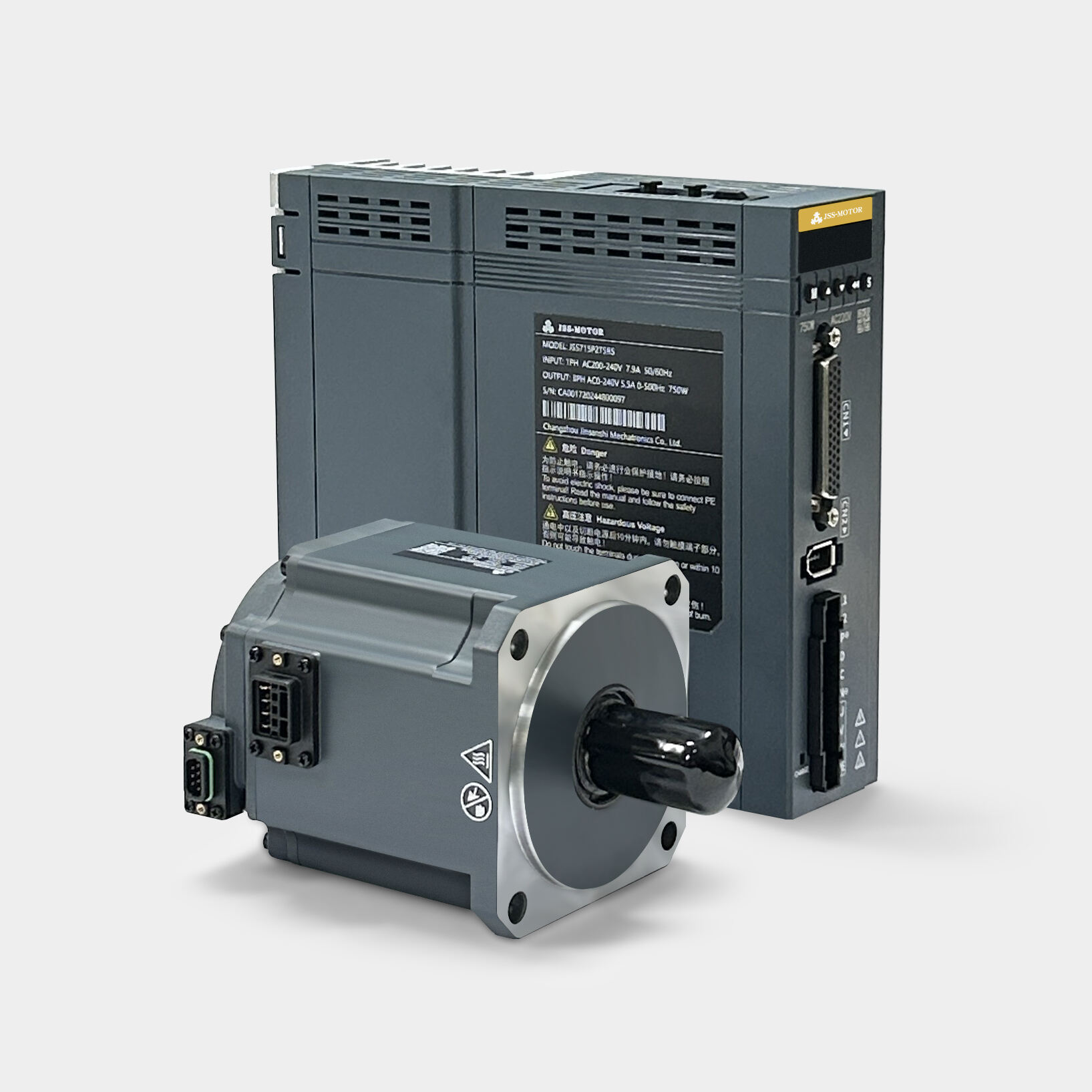
Precyzyjne systemy sterowania ruchem w znacznym stopniu zależą od prawidłowej konfiguracji serwosilnika, aby osiągnąć optymalną wydajność w zastosowaniach przemysłowych. Gdy inżynierowie wdrażają maszyny zautomatyzowane, roboty lub urządzenia CNC, dokładność i stabilność ruchu są bezpośrednio powiązane z tym, jak dobrze dostosowano parametry serwosilnika. Zrozumienie zależności między metodami strojenia a wydajnością systemu staje się kluczowe dla utrzymania konkurencyjnych standardów produkcyjnych oraz zapewnienia spójnej jakości produktów w różnorodnych środowiskach eksploatacyjnych.

Proces strojenia obejmuje wiele korekt pętli sterowania, które bezpośrednio wpływają na sposób reagowania serwosilnika na sygnały sterujące. Korekty te wpływają na czas ustalania się sygnału, charakterystykę przeregulowania oraz poziom błędu w stanie ustalonym, co łącznie określa ogólną jakość ruchu. Nowoczesne systemy serwosilników wykorzystują zaawansowane mechanizmy sprzężenia zwrotnego, wymagające starannej kalibracji w celu osiągnięcia równowagi między czułością a stabilnością, zapewniając tym samym funkcjonowanie układów mechanicznych w ramach określonych dopuszczeń i jednoczesne utrzymanie płynności działania.
Podstawowe zasady sterowania serwosilnikami
Zamknięte Układy Zwrotnego Sterowania
Każdy serwosilnik działa w architekturze sterowania w układzie zamkniętym, która stale monitoruje parametry położenia, prędkości i momentu obrotowego. System sprzężenia zwrotnego porównuje rzeczywistą wydajność silnika z wartościami zadawanymi, generując sygnały błędu, które wyzwalają działania korygujące. Ta zdolność do monitorowania w czasie rzeczywistym umożliwia precyzyjną kontrolę zachowania silnika, jednak jej skuteczność zależy w pełni od prawidłowej konfiguracji parametrów. Inżynierowie muszą rozumieć, w jaki sposób współczynniki proporcjonalny, całkujący i różniczkujący oddziałują na siebie, aby stworzyć stabilne odpowiedzi układu sterowania spełniające wymagania danej aplikacji.
Jakość urządzeń sprzężenia zwrotnego ma istotny wpływ na wydajność systemu sterowania; enkodery o wysokiej rozdzielczości zapewniają bardziej dokładne informacje o położeniu, co przekłada się na większą precyzję sterowania. Gdy serwosilnik zawiera zaawansowaną technologię kodowania, system sterowania może wykrywać mniejsze odchylenia położenia i skuteczniej reagować na zakłócenia. Ta zwiększona rozdzielczość sprzężenia zwrotnego przekłada się bezpośrednio na poprawę dokładności ruchu, szczególnie w zastosowaniach wymagających pozycjonowania z dokładnością submikronową lub pracy w wysokich prędkościach przy minimalnym czasie ustalania.
Architektura pętli sterującej
Nowoczesne sterowniki silników serwo implementują wielopoziomowe pętle sterowania, które niezależnie obsługują regulację położenia, prędkości i prądu, zachowując przy tym zgodność działania. Pętla położenia generuje polecenia prędkości na podstawie wymagań dotyczących trajektorii, podczas gdy pętla prędkości tworzy polecenia momentu obrotowego, które napędzają pętlę prądu. Każdy poziom sterowania wymaga określonych parametrów strojenia, które należy zoptymalizować łącznie, aby osiągnąć pożądane parametry pracy systemu. Niewłaściwe strojenie na dowolnym poziomie może pogorszyć ogólną jakość ruchu oraz spowodować niepożądane drgania lub powolną reakcję systemu.
Interakcja między pętlami sterowania staje się szczególnie krytyczna przy zmieniających się warunkach obciążenia lub zakłóceń zewnętrznych. Poprawnie nastawiony układ serwonapędu zapewnia spójną wydajność w różnych scenariuszach pracy, automatycznie kompensując zmiany obciążenia oraz czynniki środowiskowe. Architektura sterowania musi zapewniać równowagę między agresywnymi cechami odpowiedzi a zapasem stabilności, gwarantując, że układ pozostaje sterowalny we wszystkich przewidywanych warunkach eksploatacyjnych, jednocześnie zapewniając wymaganą dokładność ruchu.
Wpływ parametrów nastawy na dokładność ruchu
Wpływ wzmocnienia proporcjonalnego
Ustawienia wzmocnienia proporcjonalnego bezpośrednio wpływają na agresywność reakcji serwosilnika na błędy położenia. Wyższe wzmocnienia zapewniają szybszą korektę, ale potencjalnie wprowadzają niestabilność. Zbyt niskie ustawienia wzmocnienia proporcjonalnego powodują powolną reakcję systemu i mogą uniemożliwić osiągnięcie zadanych pozycji w akceptowalnych ramach czasowych. Z kolei zbyt wysokie wzmocnienie proporcjonalne może powodować oscylacje, które pogarszają płynność ruchu i mogą prowadzić do wzbudzenia rezonansu mechanicznego. Znalezienie optymalnej równowagi wymaga systematycznych testów w rzeczywistych warunkach obciążenia, aby zapewnić stabilną pracę w całym zakresie ruchu.
Związek między wzmocnieniem proporcjonalnym a dokładnością w stanie ustalonym staje się szczególnie istotny w zastosowaniach pozycjonowania, gdzie kluczowe jest osiągnięcie wysokiej precyzji końcowej pozycji. Wyższe wartości wzmocnienia proporcjonalnego zazwyczaj zmniejszają błędy w stanie ustalonym, ale mogą wzmocnić szumy i zakłócenia występujące w układzie. Inżynierowie muszą ocenić kompromis między szybkością odpowiedzi a wrażliwością na szumy, często stosując techniki filtrowania lub adaptacyjne zaplanowanie wzmocnienia, aby zoptymalizować wydajność w warunkach zmiennej eksploatacji, zachowując przy tym wymagane standardy dokładności.
Składowe całkująca i różniczkująca
Parametry wzmocnienia całkującego pomagają wyeliminować błędy w stanie ustalonym poprzez gromadzenie sygnałów błędów w czasie, zapewniając, że serwosilnik ostatecznie osiągnie zadane pozycje mimo stałych zakłóceń. Jednak zbyt duże wzmocnienie całkujące może powodować przeregulowanie oraz zachowanie oscylacyjne, szczególnie przy dużych poleceniach ruchu lub szybkich zmianach kierunku. Składowa całkująca staje się szczególnie wartościowa w zastosowaniach, w których siły zewnętrzne lub tarcie powodują stałe błędy przesunięcia, których nie da się skutecznie wyeliminować wyłącznie za pomocą sterowania proporcjonalnego.
Współczynnik wzmocnienia pochodnej zapewnia charakterystykę tłumienia, która poprawia stabilność układu poprzez reakcję na szybkość zmiany błędu, a nie tylko na wartość błędu. Poprawnie dobrane wartości współczynnika wzmocnienia pochodnej mogą znacznie skrócić czas ustalania się sygnału oraz zmniejszyć przeregulowanie, bez pogorszenia dokładności w stanie ustalonym. Jednak działanie pochodnej wzmacnia szczytowe składowe zakłóceń o wysokiej częstotliwości, co wymaga starannego uwzględnienia jakości czujników oraz potrzeb związanych z filtrowaniem. Połączenie działania całkującego i różniczkującego z regulacją proporcjonalną tworzy odporny system sterowania serwosilnikami, zdolny do utrzymywania wysokiej dokładności przy jednoczesnym zapewnieniu stabilnej pracy w różnorodnych warunkach.
Uwagi dotyczące stabilności w układach serwosilników
Zarządzanie rezonansami mechanicznymi
Mechaniczne układy połączone z serwosilnikami często wykazują naturalne częstotliwości rezonansowe, które mogą zostać wzbudzone przez działania układu sterowania, prowadząc do drgań i niestabilności. Prawidłowa strojenie musi uwzględniać te cechy mechaniczne, aby uniknąć wzbudzania trybów rezonansowych przy jednoczesnym zachowaniu odpowiedniej szerokości pasma sterowania. Filtry wycinające oraz techniki filtracji dolnoprzepustowej pomagają tłumić problemy związane z określonymi częstotliwościami, jednak ich wdrożenie wymaga starannej analizy dynamiki układu i może wpływać na ogólną szybkość odpowiedzi.
Interakcja między parametrami sterowania silnikiem serwo a rezonansem mechanicznym staje się bardziej złożona w układach wieloosiowych, gdzie efekty sprzężenia mogą powodować dodatkowe wyzwania związane ze stabilnością. Inżynierowie muszą uwzględnić wpływ ruchu jednej osi na pozostałe osie oraz odpowiednio dostosować parametry strojenia, aby zapewnić zsynchronizowany ruch bez wprowadzania niestabilności wynikających ze sprzężenia krzyżowego. Zaawansowane regulatory silników serwo zawierają algorytmy adaptacyjnego filtrowania i tłumienia rezonansu, które automatycznie dopasowują się do zmieniających się warunków mechanicznych, zapewniając stabilną pracę przy różnych konfiguracjach obciążenia.
Kompensacja zmian obciążenia
Zastosowania przemysłowe często wiążą się z różnymi warunkami obciążenia, które mogą znacząco wpływać na wydajność serwosilników, jeśli nie zostaną one odpowiednio uwzględnione w strategiach strojenia. Funkcje automatycznego strojenia w nowoczesnych sterownikach mogą dostosowywać się do zmieniających się warunków obciążenia, jednak początkowe ustawienia parametrów muszą zapewniać wystarczające zapasy stabilności, aby uwzględnić przewidywane wahania. System serwosilnika musi zapewniać spójną wydajność zarówno podczas lekkich ruchów pozycjonujących, jak i przy ciężkich obciążeniach obróbkowych, co wymaga odpornych metod strojenia uwzględniających najbardziej niekorzystne scenariusze.
Techniki kompensacji z wyprzedzeniem (feed-forward) pomagają poprawić wydajność w warunkach zmieniającego się obciążenia, przewidując wymagane działania sterujące na podstawie poleceń ruchu, a nie wyłącznie opierając się na korekcji opartej na sygnale zwrotnym. Właściwie zaimplementowana kontrola z wyprzedzeniem zmniejsza obciążenie pętli sprzężenia zwrotnego i umożliwia bardziej agresywne strojenie bez utraty stabilności. Takie podejście szczególnie korzystnie wpływa na serwo silnik zastosowania obejmujące powtarzające się profile ruchu, w których wzorce zakłóceń mogą być uczone i kompensowane proaktywnie.
Zaawansowane metody strojenia
Algorytmy automatycznego strojenia
Współczesne sterowniki silników serwo zawierają zaawansowane algorytmy automatycznego strojenia, które mogą automatycznie wyznaczać optymalne parametry sterowania na podstawie technik identyfikacji systemu. Algorytmy te wprowadzają sygnały testowe do systemu sterowania i analizują charakterystykę odpowiedzi, aby oszacować dynamikę systemu oraz zapasy stabilności. Automatyczne strojenie zapewnia punkt wyjścia do optymalizacji parametrów, ale może wymagać ręcznej korekty w celu osiągnięcia wymaganej wydajności specyficznej dla danego zastosowania. Skuteczność automatycznego strojenia zależy od jakości identyfikacji systemu oraz możliwości pracy przy reprezentatywnych warunkach obciążenia podczas procesu strojenia.
Iteracyjna kontrola uczenia się to zaawansowane podejście do strojenia, które ciągle poprawia wydajność serwosilników poprzez uczenie się powtarzalnych wzorców ruchu. Technika ta szczególnie przydaje się w zastosowaniach cyklicznych, w których zakłócenia i zmienności systemu mają przewidywalny charakter. Analizując działanie systemu w wielu cyklach, układ sterowania może dostosowywać parametry w celu minimalizacji błędów śledzenia oraz poprawy ogólnej jakości ruchu, bez konieczności dokonywania czasochłonnego strojenia ręcznego.
Podejścia do strojenia oparte na modelu
Techniki modelowania systemów pozwalają inżynierom przewidywać zachowanie serwosilników oraz optymalizować parametry strojenia przed fizyczną realizacją, co skraca czas wprowadzania systemu do eksploatacji i poprawia wyniki przy pierwszym uruchomieniu. Dokładne modele muszą uwzględniać dynamikę mechaniczną, cechy elektryczne oraz ograniczenia systemu sterowania, aby zapewnić rzetelne wskazówki dotyczące strojenia. Walidacja modelu za pomocą testów eksperymentalnych gwarantuje zgodność symulowanej wydajności z rzeczywistym zachowaniem systemu oraz potwierdza poprawność zoptymalizowanych parametrów.
Metody projektowania sterowania odpornego pomagają zapewnić stabilną pracę układów silników serwo mimo niepewności modelowania i zmienności parametrów. Podejścia te wyraźnie uwzględniają niepewności systemu w trakcie procesu strojenia, co prowadzi do uzyskania parametrów sterowania zapewniających wystarczające zapasy stabilności w różnych warunkach eksploatacji. Choć są bardziej konserwatywne niż agresywne metody strojenia, metody projektowania odpornego zapewniają wyższą niezawodność oraz spójną wydajność w różnorodnych zastosowaniach i warunkach środowiskowych.
Strategie optymalizacji wydajności
Optymalizacja pasma przepustowego i czasu odpowiedzi
Szerokość pasma układu sterowania określa, jak szybko serwonapęd może reagować na zmiany polecenia oraz tłumić zakłócenia, co czyni ją kluczowym czynnikiem osiągania wysokiej wydajności sterowania ruchem. Układy o większej szerokości pasma zapewniają szybszą odpowiedź, ale mogą być bardziej wrażliwe na szumy i rezonanse mechaniczne. Inżynierowie muszą zrównoważyć wymagania dotyczące szerokości pasma z ograniczeniami dotyczącymi stabilności, często stosując techniki analizy w dziedzinie częstotliwości w celu zoptymalizowania wydajności w bezpiecznych granicach pracy.
Związek między szerokością pasma serwonapędu a cechami układu mechanicznego wymaga starannego rozważenia podczas optymalizacji strojenia. Elastyczne połączenia mechaniczne lub obciążenia o dużej bezwładności mogą ograniczać osiągalną szerokość pasma niezależnie od ustawień parametrów sterowania. Zrozumienie tych ograniczeń pomaga określić realistyczne oczekiwania co do wydajności oraz kieruje doborem odpowiednich strategii strojenia działających w ramach ograniczeń układu przy jednoczesnym maksymalnym wykorzystaniu osiągalnej wydajności.
Możliwości odrzucania zakłóceń
Skuteczne odrzucanie zakłóceń umożliwia systemom serwonapędowym utrzymanie dokładnego pozycjonowania mimo oddziaływania sił zewnętrznych, zmian tarcia oraz innych zaburzeń. Parametry strojenia mają istotny wpływ na skuteczność odrzucania zakłóceń: zazwyczaj wyższe wzmocnienia zapewniają lepsze odrzucanie, ale wiążą się z ryzykiem problemów ze stabilnością. Zawartość częstotliwościowa oczekiwanych zakłóceń pomaga w podejmowaniu decyzji dotyczących strojenia; różne ustawienia parametrów są optymalne do odrzucania sił przesunięcia o niskiej częstotliwości lub drgań o wysokiej częstotliwości.
Techniki szacowania zakłóceń oparte na obserwatorze pozwalają sterownikom silników serwo wykrywać i kompensować nieznane zakłócenia bez konieczności ich bezpośredniego pomiaru. Te zaawansowane metody mogą znacznie poprawić wydajność w zastosowaniach charakteryzujących się nieprzewidywalnymi siłami zewnętrznymi lub zmiennymi charakterystykami tarcia. Prawidłowe strojenie obserwatorów zakłóceń wymaga zrozumienia dynamiki układu oraz starannego doboru parametrów, aby zapewnić dokładne szacowanie bez wprowadzania dodatkowych niestabilności.
Uwagi dotyczące strojenia dostosowanego do konkretnego zastosowania
Zastosowania wymagające ruchu o wysokiej prędkości
Zastosowania wysokoprędkościowych serwosilników wymagają agresywnych parametrów strojenia, aby osiągnąć szybkie przyspieszanie i hamowanie przy jednoczesnym zachowaniu dokładności śledzenia trajektorii. Wyzwaniem jest maksymalizacja odpowiedzi dynamicznej bez wzbudzania rezonansów mechanicznych ani przekraczania limitów prądowych podczas ruchów o dużym przyspieszeniu. Kompensacja przód-prędkość i przód-przyspieszenie staje się szczególnie ważna dla utrzymania dokładności śledzenia podczas operacji wysokoprędkościowych, gdzie korekcja oparta wyłącznie na sygnale zwrotnym nie zapewnia wystarczającej wydajności.
Uwagi termiczne stają się kluczowe w zastosowaniach wysokoprędkościowych serwosilników, gdzie ciągła praca przy wysokiej mocy może wpływać na właściwości elektryczne i mechaniczne. Parametry strojenia mogą wymagać dostosowania w zależności od temperatury pracy, aby zapewnić stałą wydajność, ponieważ charakterystyka układu zmienia się wraz ze zmianami warunków termicznych. Zaawansowane sterowniki implementują algorytmy kompensacji temperaturowej, które automatycznie dostosowują parametry, uwzględniając wpływ temperatury na stałe silnika oraz właściwości mechaniczne.
Wymagania dotyczące precyzyjnego pozycjonowania
Zastosowania wymagające pozycjonowania o ultra-wysokiej precyzji wymagają metod strojenia serwosilników, w których priorytetem jest dokładność zamiast szybkości; często stosuje się w nich specjalizowane algorytmy minimalizujące czas ustalania się położenia oraz eliminujące przeregulowanie. Izolacja wibracji i kontrola środowiska stają się niezbędne do osiągnięcia dokładności pozycjonowania na poziomie submikronowym, przy czym parametry strojenia dostosowuje się tak, aby działały one skutecznie w środowiskach kontrolowanych. System serwosilnika musi zapewniać stabilność mimo agresywnych wartości wzmocnienia wymaganych do pozycjonowania o wysokiej rozdzielczości oraz tłumić zakłócenia na poziomie mikro, które mogłyby zagrozić dokładności.
Współpraca wieloosiowa staje się szczególnie wyzwaniem w zastosowaniach precyzyjnych, gdzie wydajność poszczególnych osi musi zostać zoptymalizowana przy jednoczesnym zachowaniu zsynchronizowanego ruchu w wielu systemach serwonapędów. Kompensacja sprzężenia krzyżowego oraz planowanie zsynchronizowanego ruchu wymagają zaawansowanych metod strojenia, które uwzględniają wydajność całego systemu, a nie tylko optymalizację poszczególnych osi. Ostateczny wynik wymaga starannego doboru parametrów, który zapewnia równowagę między wydajnością poszczególnych osi a wymaganiami dotyczącymi koordynacji całego systemu.
Często zadawane pytania
Jak często należy przeglądać i dostosowywać parametry strojenia serwonapędu?
Parametry strojenia serwosilnika należy sprawdzić za każdym razem, gdy wystąpią istotne zmiany obciążenia mechanicznego, warunków eksploatacji lub wymagań dotyczących wydajności. W przypadku większości zastosowań przemysłowych wystarczające są przeglądy raz w roku, chyba że zaobserwowano pogorszenie się parametrów pracy. Jednak w zastosowaniach charakteryzujących się wysokim stopniem zużycia lub często zmieniającym się obciążeniem może być konieczna częstsza ocena. Monitorowanie kluczowych wskaźników wydajności, takich jak czas ustalania się sygnału, przeregulowanie oraz błąd w stanie ustalonym, pomaga określić moment, w którym konieczne jest ponowne strojenie.
Jakie są najczęstsze błędy popełniane podczas procesu strojenia serwosilnika?
Do najczęstszych błędów podczas strojenia należą zbyt agresywne ustawianie wzmocnień bez wystarczających zapasów stabilności, pomijanie wpływu rezonansów mechanicznych oraz strojenie w warunkach obciążenia nieodzwierciedlających rzeczywistych zastosowań. Wielu inżynierów koncentruje się wyłącznie na optymalizacji prędkości, nie uwzględniając wymagań dotyczących długotrwałej niezawodności i stabilności. Innym częstym błędem jest strojenie poszczególnych pętli sterowania niezależnie od siebie, bez uwzględnienia ich wzajemnych oddziaływań, co może prowadzić do suboptymalnej ogólnej wydajności mimo dobrych charakterystyk poszczególnych pętli.
Czy nieprawidłowe strojenie serwonapędu może spowodować trwałe uszkodzenie układów mechanicznych?
Tak, nieprawidłowe dostrajanie serwosilnika może potencjalnie spowodować uszkodzenia mechaniczne poprzez nadmierne wibracje, wzbudzanie rezonansu lub nagłe ruchy przekraczające granice projektowe systemu. Zbyt agresywne parametry dostrajania mogą powodować zachowanie oscylacyjne, które prowadzi do zmęczenia elementów mechanicznych lub łożysk. Ponadto niewłaściwe dostrajanie może skutkować dużymi błędami pozycji, co może spowodować kolizje lub przekroczenie bezpiecznych zakresów pracy, prowadząc do natychmiastowych uszkodzeń mechanicznych lub zagrożeń dla bezpieczeństwa.
W jaki sposób czynniki środowiskowe wpływają na skuteczność parametrów dostrajania serwosilnika?
Zmiany temperatury wpływają na cechy elektryczne i właściwości mechaniczne serwonapędu, co może wymagać dostosowania parametrów w celu zapewnienia spójnej wydajności. Wilgotność i zanieczyszczenia mogą wpływać na działanie czujników oraz tarcie mechaniczne, co z kolei wpływa na optymalne ustawienia strojenia. Wibracje pochodzące od pobliskiego sprzętu mogą wymagać dodatkowego filtrowania lub zmodyfikowanych ustawień wzmocnienia w celu utrzymania stabilności. Zaawansowane systemy serwonapędów zawierają monitorowanie warunków środowiskowych oraz adaptacyjne dostosowywanie parametrów, umożliwiając automatyczną kompensację tych zmian bez konieczności interwencji ręcznej.
Spis treści
- Podstawowe zasady sterowania serwosilnikami
- Wpływ parametrów nastawy na dokładność ruchu
- Uwagi dotyczące stabilności w układach serwosilników
- Zaawansowane metody strojenia
- Strategie optymalizacji wydajności
- Uwagi dotyczące strojenia dostosowanego do konkretnego zastosowania
-
Często zadawane pytania
- Jak często należy przeglądać i dostosowywać parametry strojenia serwonapędu?
- Jakie są najczęstsze błędy popełniane podczas procesu strojenia serwosilnika?
- Czy nieprawidłowe strojenie serwonapędu może spowodować trwałe uszkodzenie układów mechanicznych?
- W jaki sposób czynniki środowiskowe wpływają na skuteczność parametrów dostrajania serwosilnika?