Advanced Electronic Commutation Technology
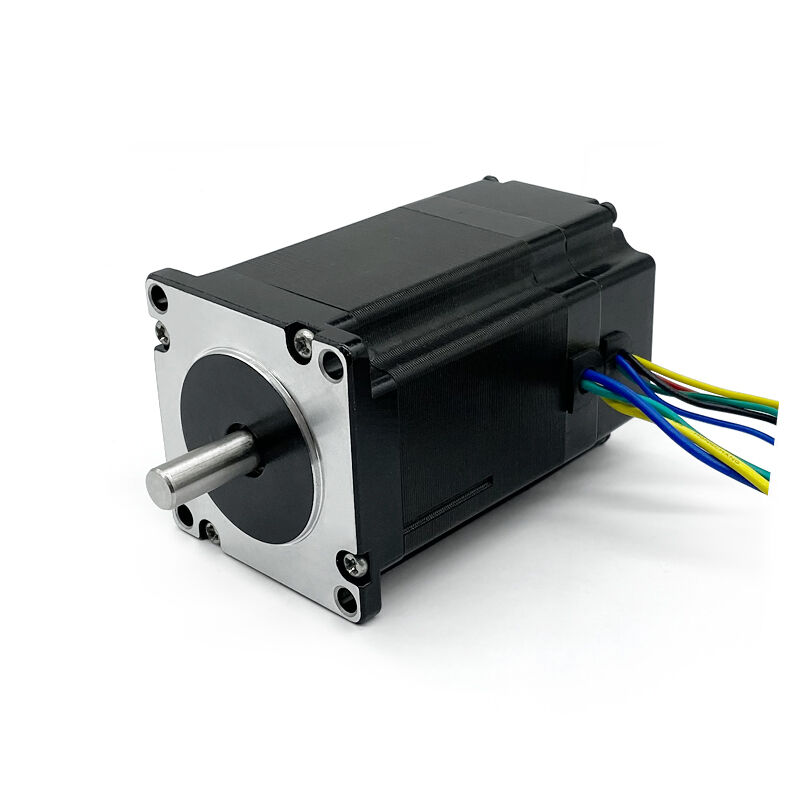
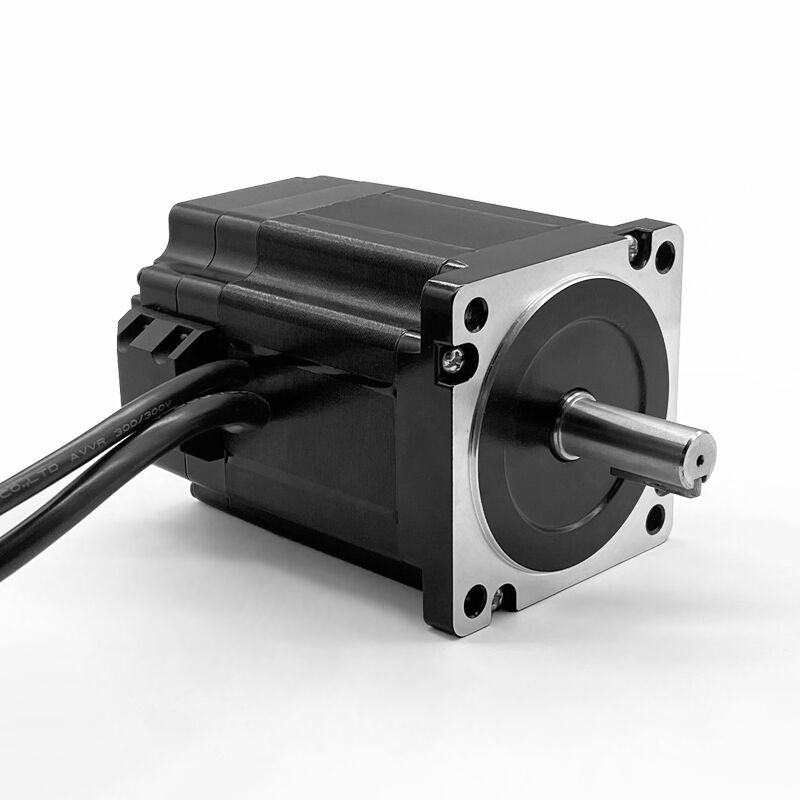
The brushless DC motor 36V utilizes sophisticated electronic commutation technology that revolutionizes traditional motor operation principles, delivering unprecedented control precision and reliability for modern applications. Unlike conventional brushed motors that rely on physical contact between carbon brushes and commutator segments, this advanced system employs electronic switches controlled by sophisticated algorithms to manage current flow through the motor windings. The electronic commutation system continuously monitors rotor position using Hall effect sensors or encoders, providing real-time feedback that enables precise timing of current switching sequences. This technology eliminates the mechanical wear associated with brush contact, dramatically extending motor lifespan while reducing maintenance requirements to virtually zero. The brushless DC motor 36V benefits from this advanced commutation system by achieving superior speed regulation accuracy, typically maintaining speed variations within one percent of setpoint values even under fluctuating load conditions. The electronic control system enables advanced features such as regenerative braking, where the motor can recover energy during deceleration phases, improving overall system efficiency. Soft-start capabilities protect both the motor and driven equipment from mechanical stress associated with abrupt acceleration, while programmable acceleration and deceleration profiles allow customization for specific application requirements. The electronic commutation technology in the brushless DC motor 36V supports multiple control modes including speed control, torque control, and position control, making it adaptable to diverse application needs. Advanced diagnostic capabilities are integrated into the control system, providing real-time monitoring of motor parameters such as temperature, current consumption, and operational hours, enabling predictive maintenance strategies that minimize unexpected downtime and optimize performance throughout the motor's operational life.