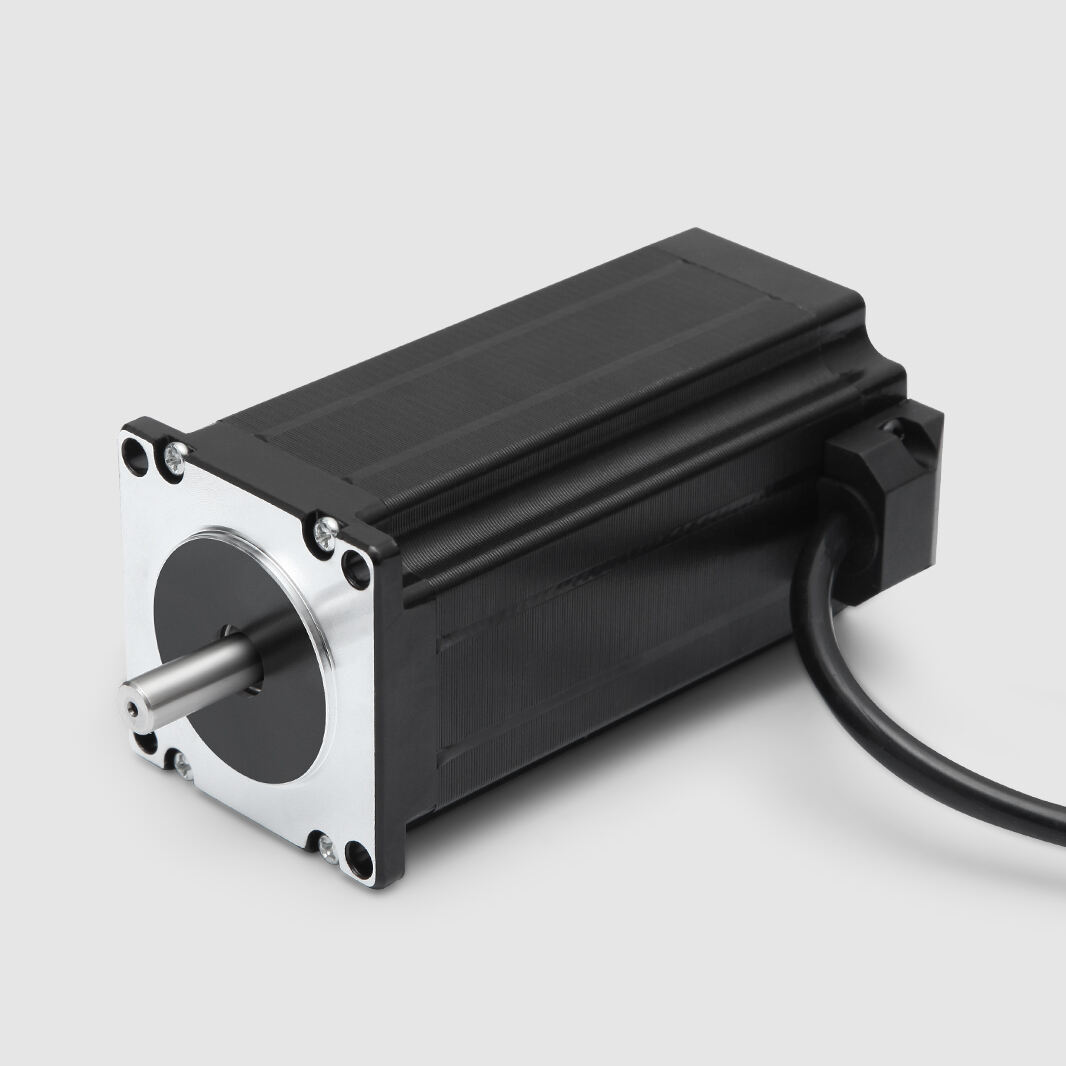
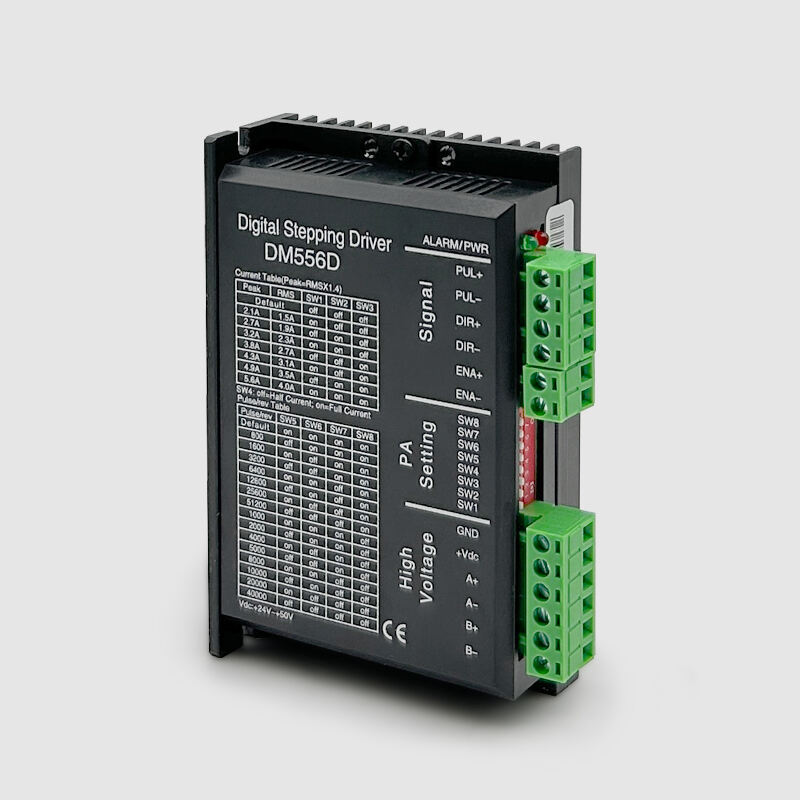
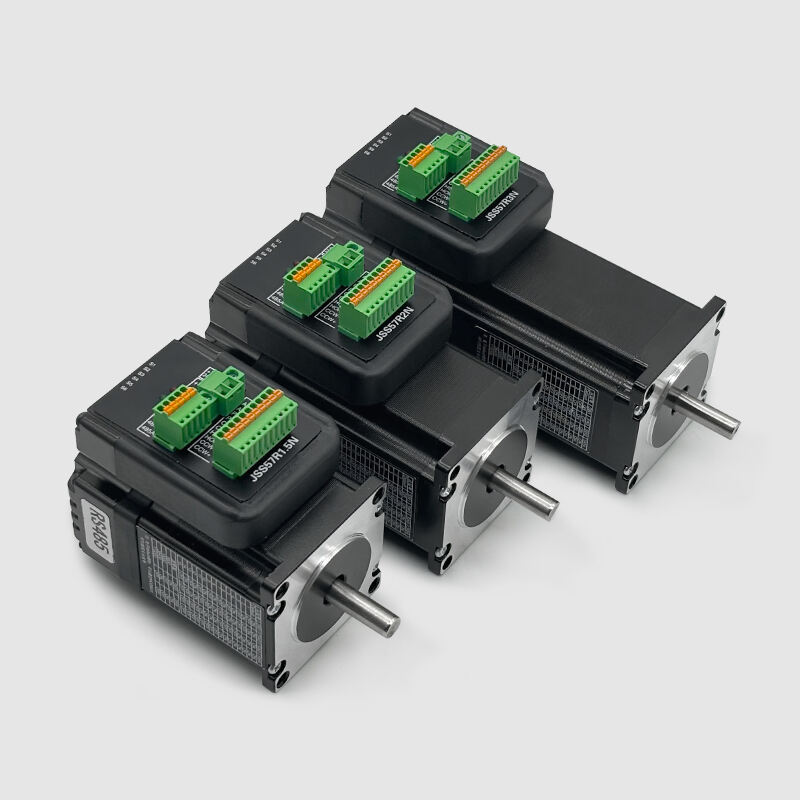
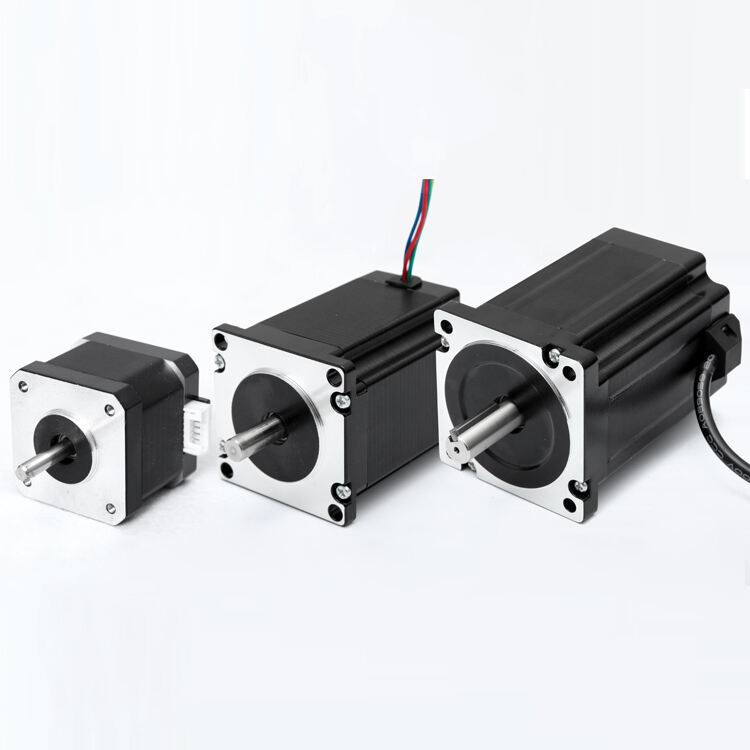
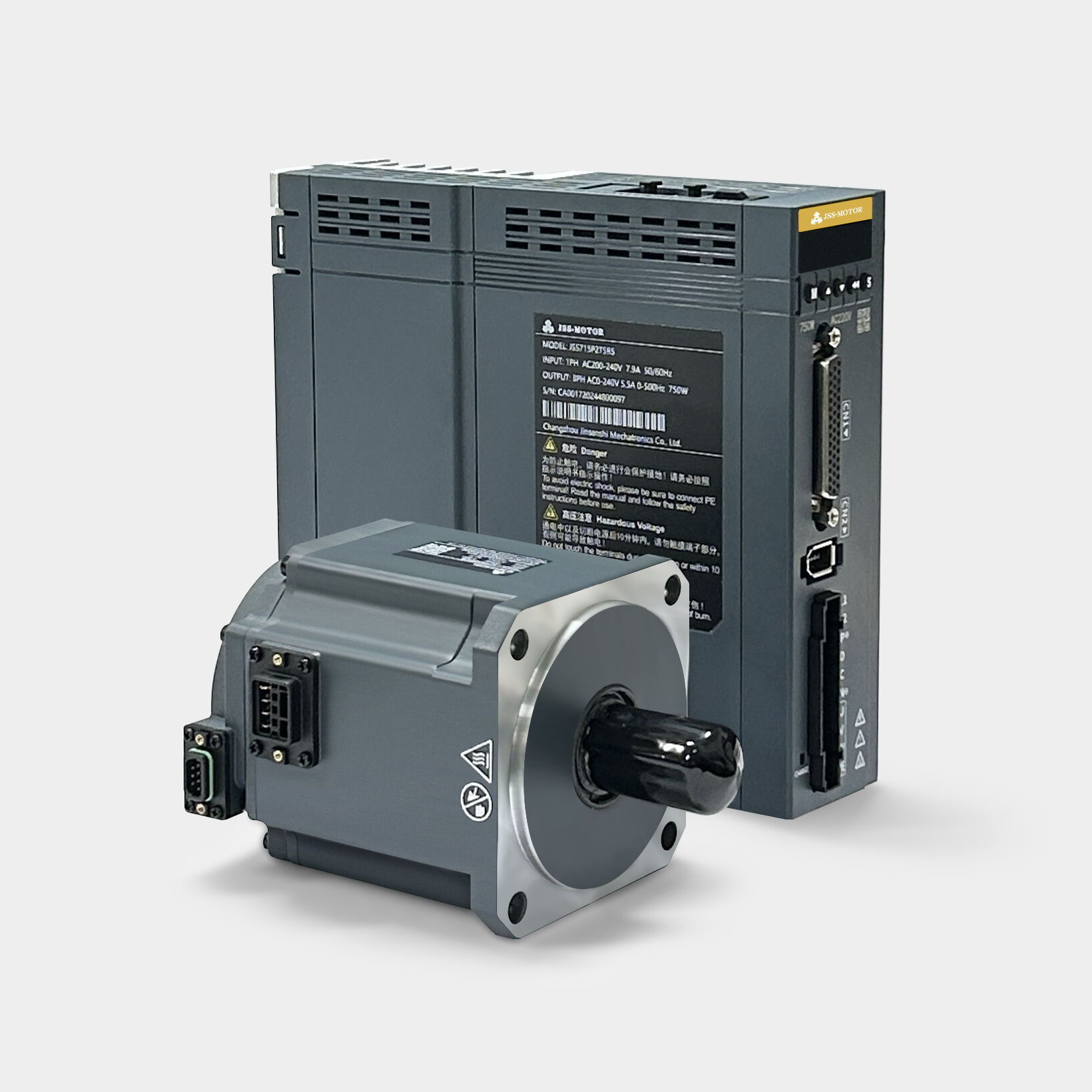
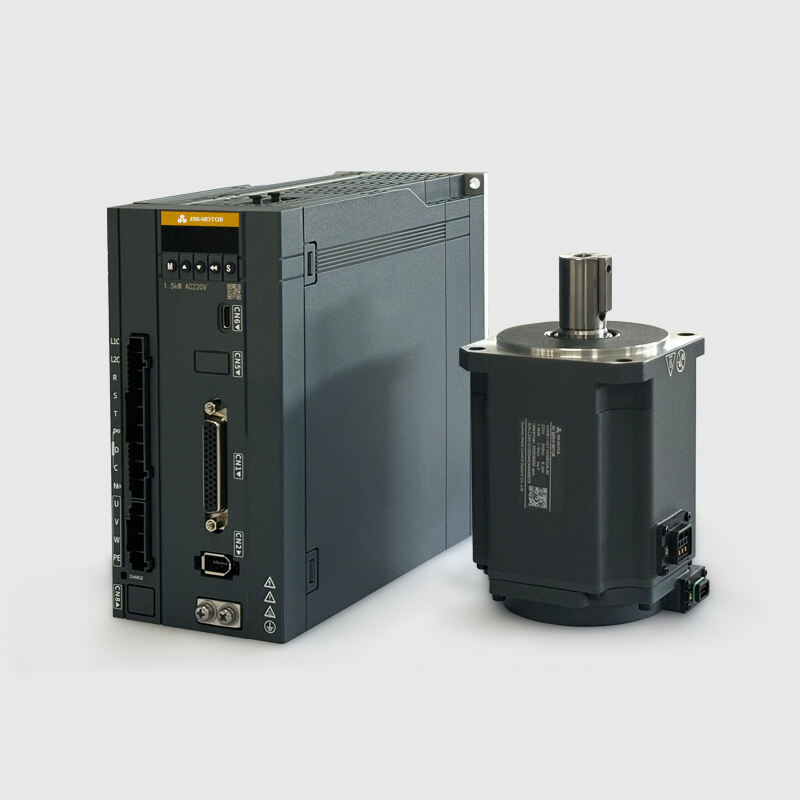
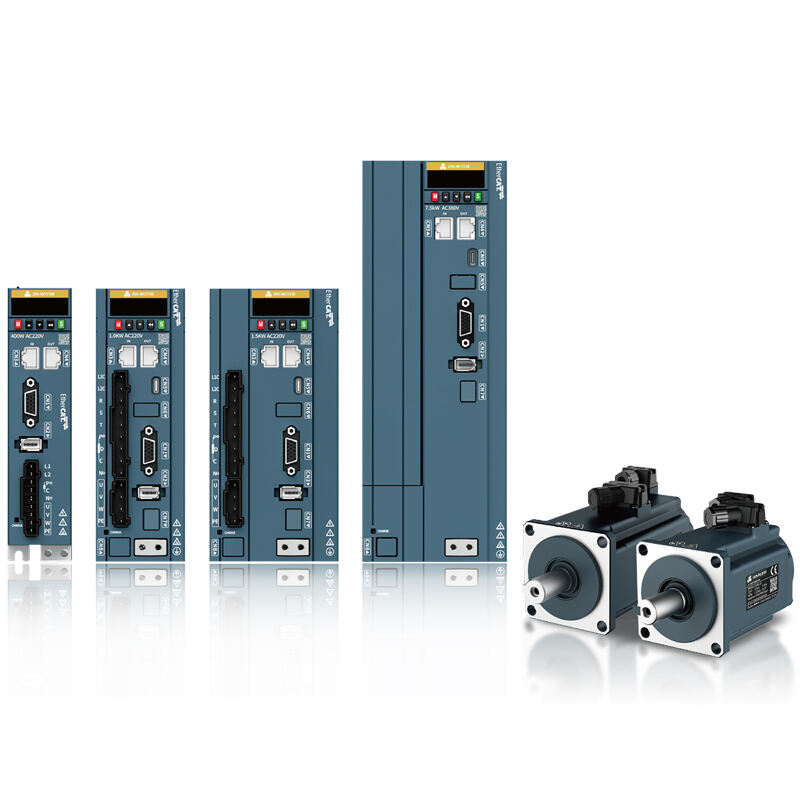
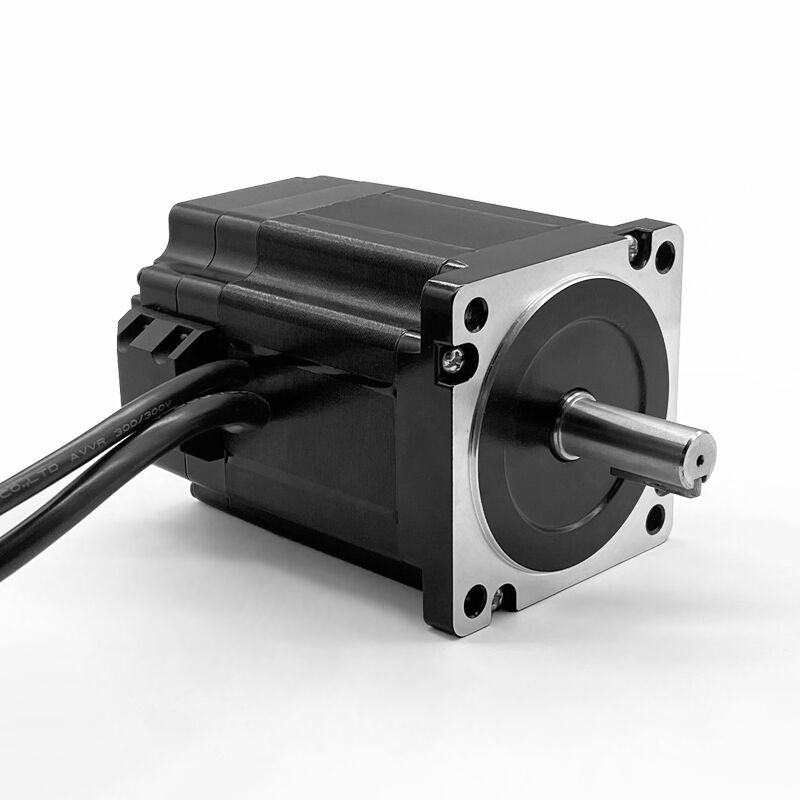
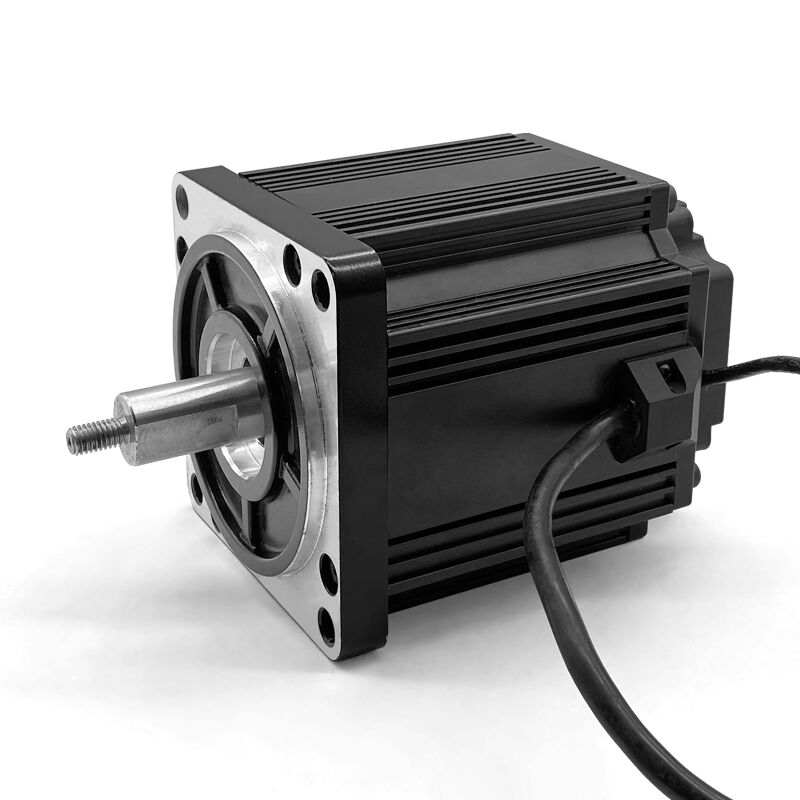
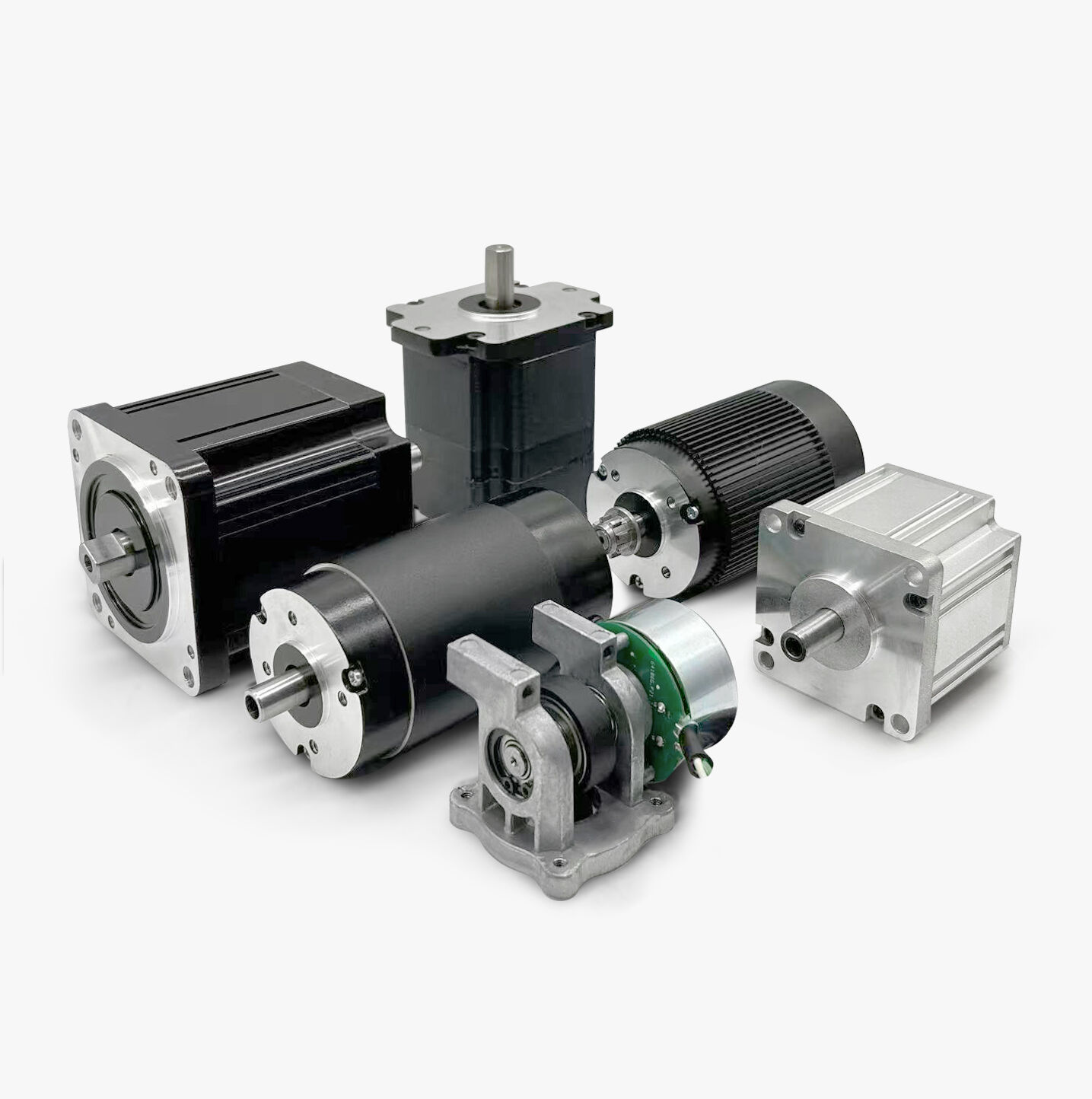
High Speed BLDC Motors: Advanced Brushless Technology for Superior Performance and Efficiency

Get a Free Quote

Our representative will contact you soon.
Email
Name
Company Name
WhatsApp
Mobile
Message
0/1000

high speed bldc

High speed BLDC motors represent a revolutionary advancement in electric motor technology, combining exceptional performance with remarkable efficiency. These brushless direct current motors operate at significantly elevated rotational speeds, typically exceeding 10,000 RPM, making them ideal for demanding applications requiring rapid acceleration and precise control. The high speed BLDC motor eliminates traditional carbon brushes found in conventional DC motors, utilizing electronic switching instead to control current flow through the motor windings. This innovative design reduces mechanical friction, minimizes maintenance requirements, and extends operational lifespan considerably. The technological foundation of high speed BLDC motors relies on permanent magnet rotors and electronically controlled stator windings, enabling seamless speed regulation and torque control. Advanced sensor systems provide real-time feedback on rotor position, ensuring optimal timing for current switching and maintaining peak efficiency across varying load conditions. These motors incorporate sophisticated power electronics, including inverters and controllers, that manage voltage and current delivery with exceptional precision. The absence of brush contact eliminates spark generation, making high speed BLDC motors suitable for sensitive environments and explosive atmospheres. Temperature management systems ensure reliable operation even under continuous high-speed conditions, while advanced materials and manufacturing techniques guarantee structural integrity at extreme rotational velocities. Applications span diverse industries including aerospace, automotive, medical equipment, industrial automation, and renewable energy systems. In aerospace applications, high speed BLDC motors power aircraft actuators, fuel pumps, and ventilation systems where reliability is paramount. Automotive manufacturers integrate these motors into electric vehicle propulsion systems, power steering mechanisms, and cooling fans. Medical devices benefit from the quiet operation and precise control characteristics, particularly in surgical instruments and diagnostic equipment. Industrial machinery utilizes high speed BLDC technology for spindle drives, conveyor systems, and robotic applications where accuracy and repeatability are essential.

New Product Recommendations

High speed BLDC motors deliver superior efficiency compared to traditional motor technologies, achieving energy conversion rates exceeding 90 percent in optimal operating conditions. This exceptional efficiency translates directly into reduced energy consumption and lower operational costs for businesses and consumers alike. The elimination of carbon brushes removes a primary source of energy loss through friction, while electronic commutation ensures precise timing that maximizes power output while minimizing waste heat generation. Users experience significantly reduced maintenance requirements since high speed BLDC motors contain fewer mechanical wear components. Traditional brush replacement becomes unnecessary, eliminating scheduled downtime and associated labor costs. The sealed design protects internal components from environmental contamination, further extending service intervals and reducing unexpected failures. Operational reliability increases dramatically due to the absence of brush arcing and mechanical contact points that typically cause premature component failure in conventional motors. High speed BLDC systems provide exceptional speed and torque control precision, enabling applications requiring exact positioning and variable speed operation. Electronic controllers can adjust motor parameters instantaneously, responding to load changes and operational demands with remarkable accuracy. This responsiveness makes high speed BLDC motors ideal for applications where traditional motors struggle to maintain consistent performance. Noise levels remain substantially lower during operation since mechanical brush contact and associated sparking are eliminated completely. This quiet operation proves particularly valuable in residential applications, medical environments, and precision manufacturing where noise pollution must be minimized. The compact design of high speed BLDC motors allows installation in space-constrained applications while maintaining full performance capabilities. Power-to-weight ratios exceed those of comparable conventional motors, making them attractive for mobile applications and weight-sensitive installations. Environmental benefits include reduced electromagnetic interference generation, making high speed BLDC motors compatible with sensitive electronic equipment and communication systems. The absence of carbon dust from brush wear eliminates potential contamination in clean room environments and food processing applications. Thermal management improvements result from reduced internal heat generation, allowing higher power density operation without compromising reliability. Advanced materials and construction techniques enable operation across wider temperature ranges, expanding application possibilities in extreme environmental conditions.

Latest News

Why monitor voltage ripple when selecting a stepper driver for 3D printers?

26

Sep

Why monitor voltage ripple when selecting a stepper driver for 3D printers?

Understanding Voltage Ripple Impact on 3D Printer Performance The success of any 3D printing project heavily depends on the precision and reliability of the printer's motion control system. At the heart of this system lies the stepper motor driver, w...
View More
2025 Guide: How AC Servo Motors Transform Industrial Automation

20

Oct

2025 Guide: How AC Servo Motors Transform Industrial Automation

The Evolution of Industrial Motion Control Technology Industrial automation has witnessed a remarkable transformation over the past decades, with ac servo motors emerging as the cornerstone of precise motion control. These sophisticated devices have ...
View More
AC Servo Motor Selection: Key Factors for Optimal Performance

20

Oct

AC Servo Motor Selection: Key Factors for Optimal Performance

Understanding the Fundamentals of Modern Motion Control Systems In the evolving landscape of industrial automation, ac servo motors have emerged as the cornerstone of precise motion control. These sophisticated devices combine advanced electromagneti...
View More
2025 Guide: How to Choose the Right Servo Motor

27

Nov

2025 Guide: How to Choose the Right Servo Motor

The selection of the right servo motor stands as a critical decision in modern automation and machinery applications. As we move into 2025, the complexity and capabilities of these precision devices continue to evolve, making it essential for enginee...
View More

Get a Free Quote

Our representative will contact you soon.
Email
Name
Company Name
WhatsApp
Mobile
Message
0/1000

high speed bldc

Revolutionary Brushless Technology for Maximum Efficiency

Revolutionary Brushless Technology for Maximum Efficiency

The cornerstone advantage of high speed BLDC motors lies in their revolutionary brushless design, which fundamentally transforms motor efficiency and operational characteristics. Traditional motors rely on carbon brushes making physical contact with rotating commutators, creating friction, heat, and energy loss that significantly impacts overall performance. High speed BLDC technology eliminates this mechanical interface entirely, replacing it with sophisticated electronic switching systems that control current flow through precisely timed semiconductor switches. This technological leap delivers efficiency improvements of 15-20 percent compared to brushed alternatives, directly translating into substantial energy savings and reduced operational costs over the motor's lifespan. The electronic commutation system continuously monitors rotor position through advanced sensor arrays, including Hall effect sensors, encoders, or sensorless feedback algorithms that calculate position based on back-EMF measurements. This real-time positioning data enables the control system to energize motor windings at optimal moments, ensuring maximum torque production while minimizing energy waste. The absence of physical brush contact eliminates sparking, reducing electromagnetic interference that can disrupt sensitive electronic equipment in the surrounding environment. Manufacturing facilities processing delicate components particularly benefit from this clean electrical operation, as electromagnetic disturbances can cause costly production defects or equipment malfunctions. The brushless design also enables operation in explosive atmospheres where spark generation poses serious safety risks, expanding application possibilities in petrochemical, mining, and pharmaceutical industries. Maintenance costs decrease dramatically since brush replacement intervals become unnecessary, eliminating scheduled downtime and associated labor expenses. Traditional motors require regular brush inspection and replacement every few hundred operating hours, while high speed BLDC motors can operate continuously for thousands of hours without mechanical wear component replacement. This reliability advantage proves especially valuable in remote installations or critical applications where unexpected failures could result in significant operational disruptions or safety concerns.
Exceptional Speed Control and Dynamic Response Capabilities

Exceptional Speed Control and Dynamic Response Capabilities

High speed BLDC motors excel in applications requiring precise speed control and rapid dynamic response, delivering performance characteristics that conventional motors cannot match. The electronic control systems governing these motors can adjust speed with remarkable precision, typically achieving speed regulation accuracy within 0.1 percent of the desired setpoint even under varying load conditions. This exceptional control precision stems from the instantaneous response capability of electronic switching systems, which can modify motor parameters within microseconds compared to the slower mechanical response of traditional motor control methods. Variable frequency drives integrated with high speed BLDC systems enable seamless speed adjustment across the entire operational range, from near-zero RPM to maximum rated speed without performance degradation. This wide speed range capability makes high speed BLDC motors ideal for applications requiring both precise low-speed positioning and high-speed operational phases within the same duty cycle. Torque control accuracy reaches similar precision levels, allowing applications to maintain constant torque output regardless of speed variations or load fluctuations. This characteristic proves particularly valuable in tension control applications, such as web processing machinery, where consistent material tension must be maintained throughout varying operational speeds. The dynamic response capabilities of high speed BLDC systems enable rapid acceleration and deceleration cycles that would stress conventional motors beyond acceptable limits. Servo applications benefit enormously from this responsiveness, as positioning systems can achieve target positions quickly while maintaining smooth motion profiles that minimize mechanical stress on driven equipment. Regenerative braking capabilities built into many high speed BLDC systems capture kinetic energy during deceleration phases, feeding power back into the electrical supply system and further improving overall energy efficiency. This regenerative capability becomes particularly significant in applications with frequent start-stop cycles or those requiring rapid direction changes, as energy recovery can reduce total power consumption by 10-30 percent depending on the duty cycle characteristics.
Compact Design with Superior Power Density Performance

Compact Design with Superior Power Density Performance

High speed BLDC motors achieve remarkable power density performance through innovative design approaches that maximize output while minimizing physical footprint and weight. The elimination of brush assemblies and associated mechanical components allows designers to optimize internal space utilization, creating more compact motor profiles without sacrificing performance capabilities. Advanced permanent magnet materials, including rare-earth magnets with exceptional magnetic field strength, enable smaller rotor designs that maintain high torque output characteristics. These high-performance magnets generate stronger magnetic fields in smaller volumes, allowing motor designers to reduce overall motor dimensions while actually increasing power output compared to conventional alternatives. The compact nature of high speed BLDC motors proves especially advantageous in mobile applications where weight and space constraints significantly impact system design. Electric vehicle manufacturers benefit from reduced motor weight and size, as smaller propulsion motors enable improved vehicle range through reduced energy consumption and allow more flexible vehicle packaging options. Aerospace applications similarly benefit from weight reduction advantages, as every pound saved in motor weight translates into improved aircraft performance and fuel efficiency. Robotic applications gain enhanced maneuverability through lightweight motor designs that reduce inertial loads on positioning systems and enable more precise movement control. The superior power-to-weight ratio of high speed BLDC motors typically exceeds conventional motors by 50-100 percent, depending on the specific application requirements and operating parameters. This performance advantage becomes particularly significant in portable equipment and handheld tools where operator fatigue directly relates to tool weight and size. Medical equipment manufacturers integrate high speed BLDC motors into surgical instruments and diagnostic devices where compact size enables less invasive procedures and improved patient comfort. The reduced physical footprint also enables equipment manufacturers to create more portable diagnostic systems that can be easily transported between treatment locations or used in field medical applications. Heat dissipation characteristics improve in compact high speed BLDC designs through optimized thermal management systems that efficiently remove waste heat from smaller motor volumes, maintaining reliable operation even in demanding thermal environments where conventional motors might require additional cooling systems or face performance limitations.
+86-13401517369
[email protected]

Get a Free Quote

Our representative will contact you soon.
Email
Name
Company Name
WhatsApp
Mobile
Message
0/1000

Copyright © 2026 Changzhou Jinsanshi Mechatronics Co., Ltd. All rights reserved.  -  Privacy policy