Precise Control and Versatile Performance Characteristics
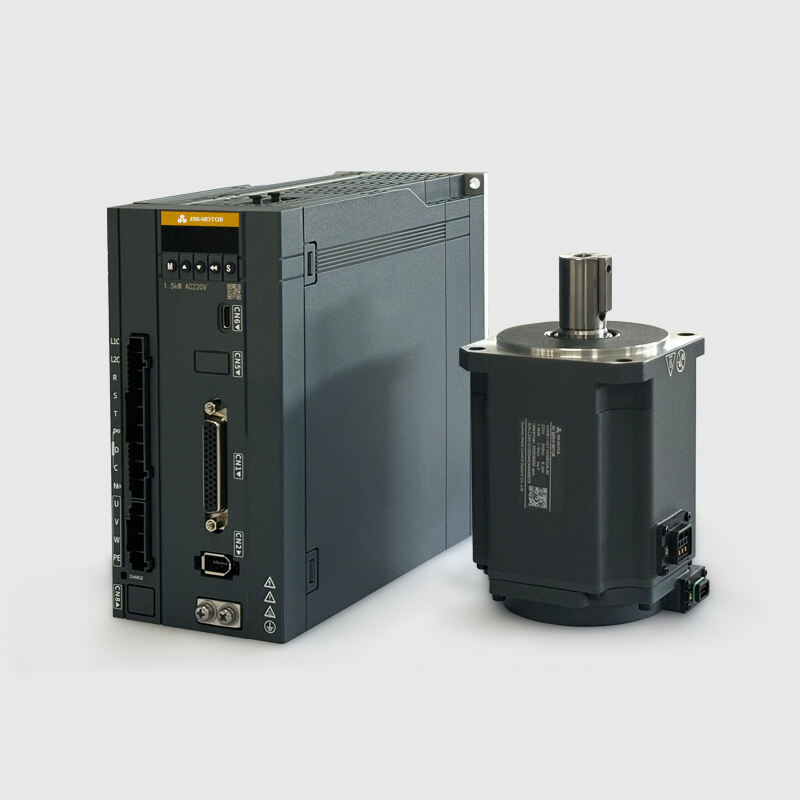
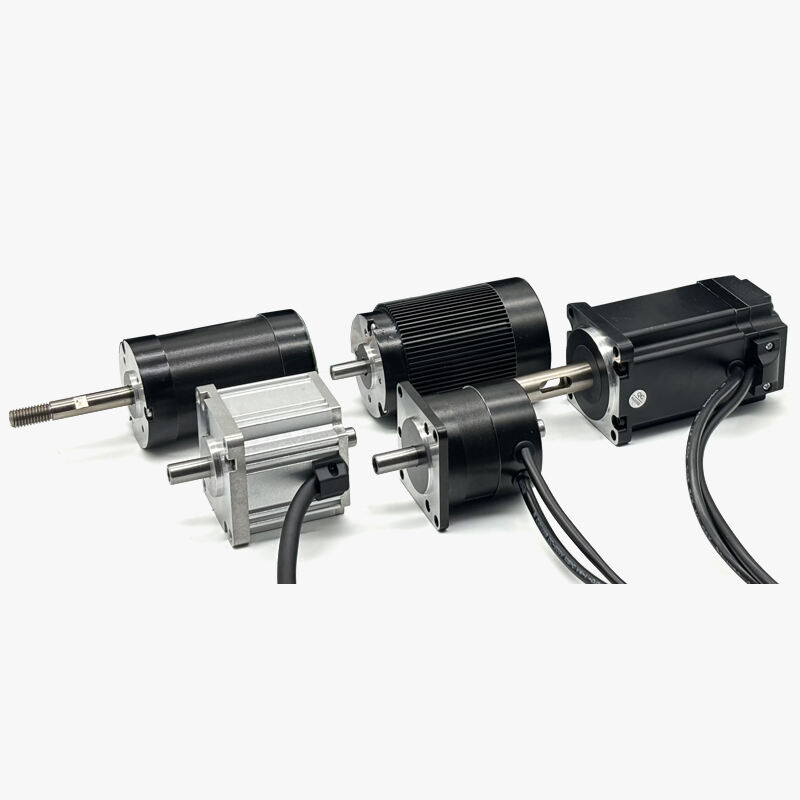
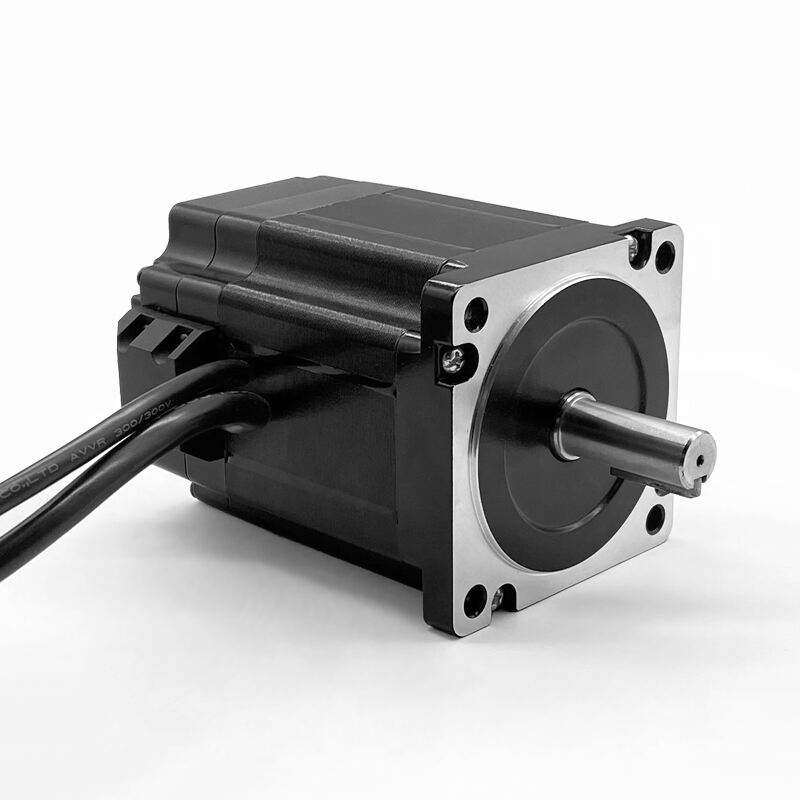
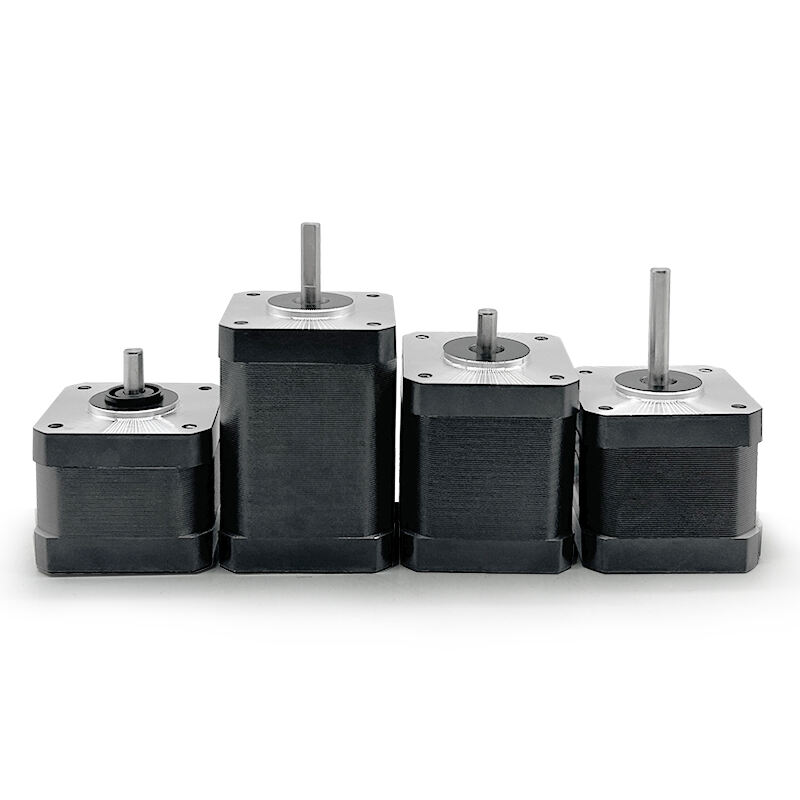
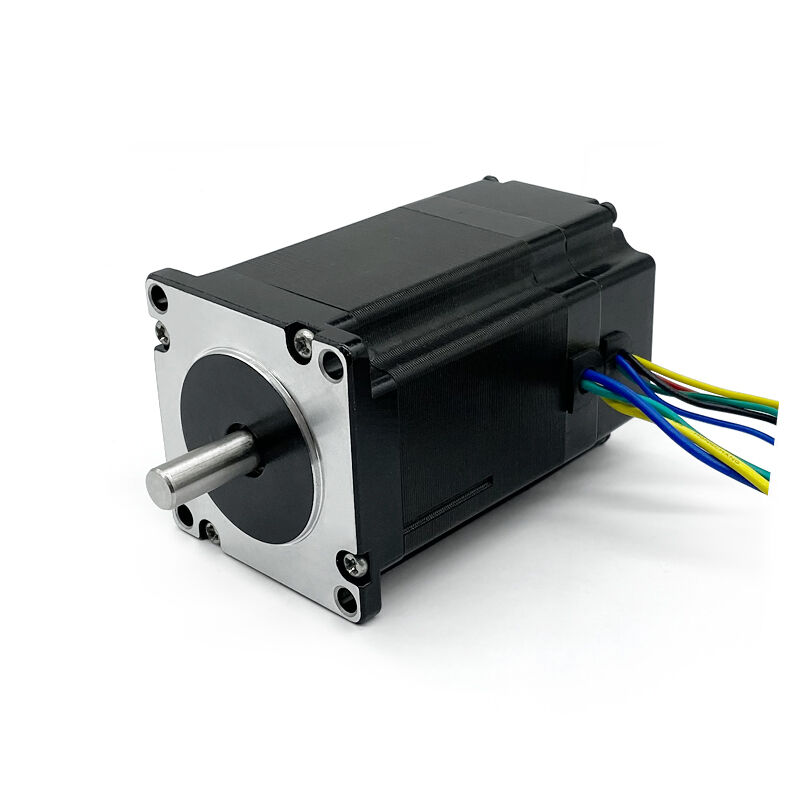
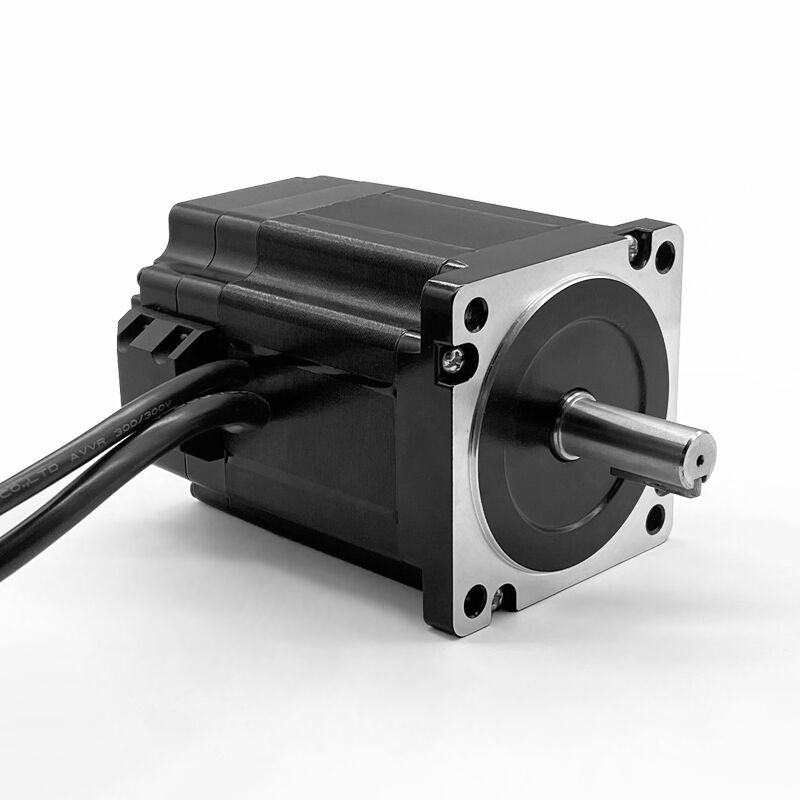
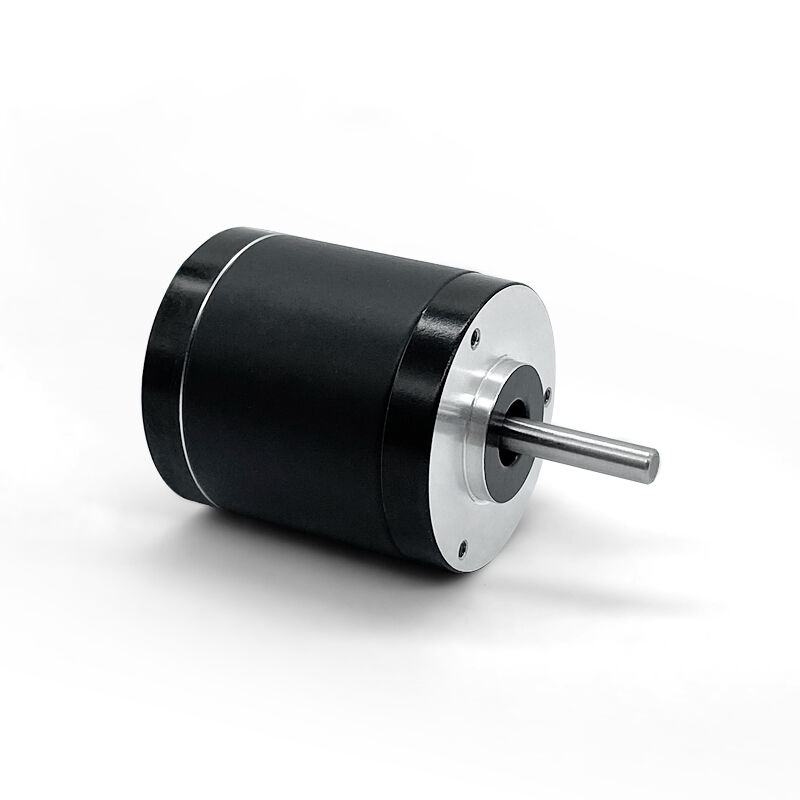
The advanced control capabilities of small bldc motors provide unprecedented precision and versatility that enable sophisticated applications requiring exact speed, position, or torque regulation. Electronic commutation systems respond to control signals with exceptional accuracy, allowing for speed adjustments with resolution often measured in single RPM increments or even finer gradations depending on the control system sophistication. This precise controllability makes small bldc motors ideal for applications such as robotic positioning, medical device operation, and precision manufacturing equipment where traditional motors lack sufficient accuracy. Variable speed operation across wide ranges accommodates diverse application requirements within single motor installations, eliminating the need for mechanical speed reduction systems or multiple motor configurations. The small bldc motor responds rapidly to control input changes, enabling quick acceleration and deceleration profiles that enhance system responsiveness and productivity in automated applications. Closed-loop control systems integrate seamlessly with small bldc motors through encoder feedback or Hall sensor positioning, providing real-time performance monitoring and adjustment capabilities. Torque control precision allows these motors to maintain consistent output force regardless of speed variations, ensuring steady performance across changing operational conditions. Direction reversals occur smoothly and rapidly in small bldc motors through electronic control, avoiding the mechanical complications and wear associated with reversing mechanisms in other motor types. Speed regulation accuracy remains stable under varying load conditions, preventing the speed droop that affects many motor types when mechanical loads increase. The small bldc motor accommodates complex motion profiles including acceleration curves, constant speed segments, and controlled deceleration phases that optimize process efficiency and product quality. Integration capabilities with modern automation systems enable remote monitoring, programmable operation sequences, and diagnostic feedback that enhance overall system intelligence. Multi-axis coordination becomes feasible when multiple small bldc motors work together under centralized control, enabling sophisticated mechanical systems with synchronized operation requirements. The electronic nature of control systems allows for software-based customization of motor characteristics, providing flexibility that mechanical motor systems cannot match.