
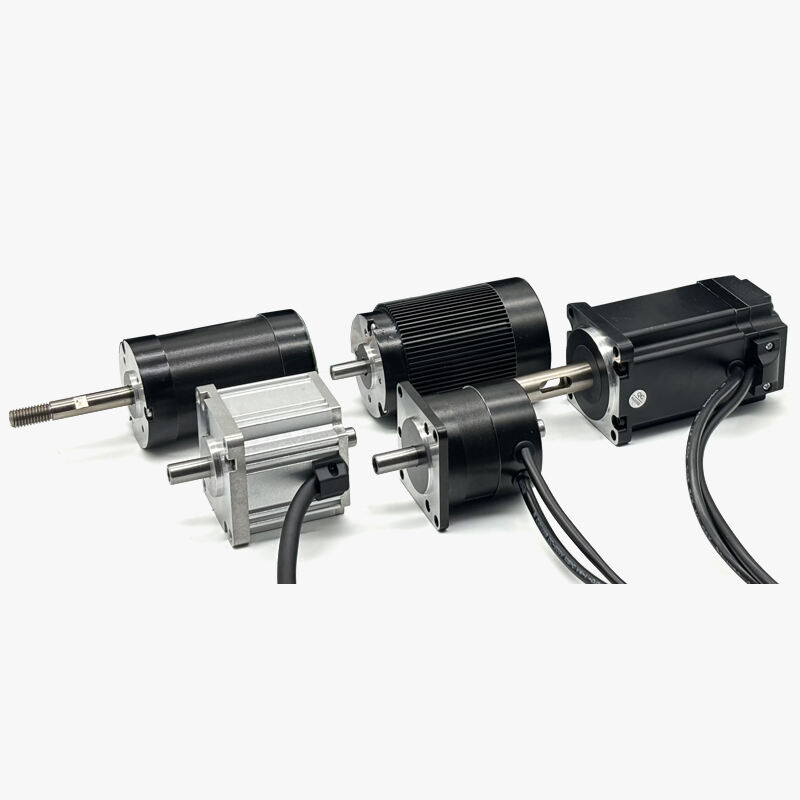
Brushless DC motors have revolutionized modern industrial applications with their superior efficiency, reliability, and precision control capabilities. As we advance into 2025, understanding the intricacies of BLDC motor technology becomes crucial for engineers, manufacturers, and system designers seeking optimal performance solutions. These advanced electric motors eliminate the mechanical brushes found in traditional DC motors, resulting in reduced maintenance requirements, longer operational life, and enhanced performance characteristics that make them ideal for demanding industrial environments.
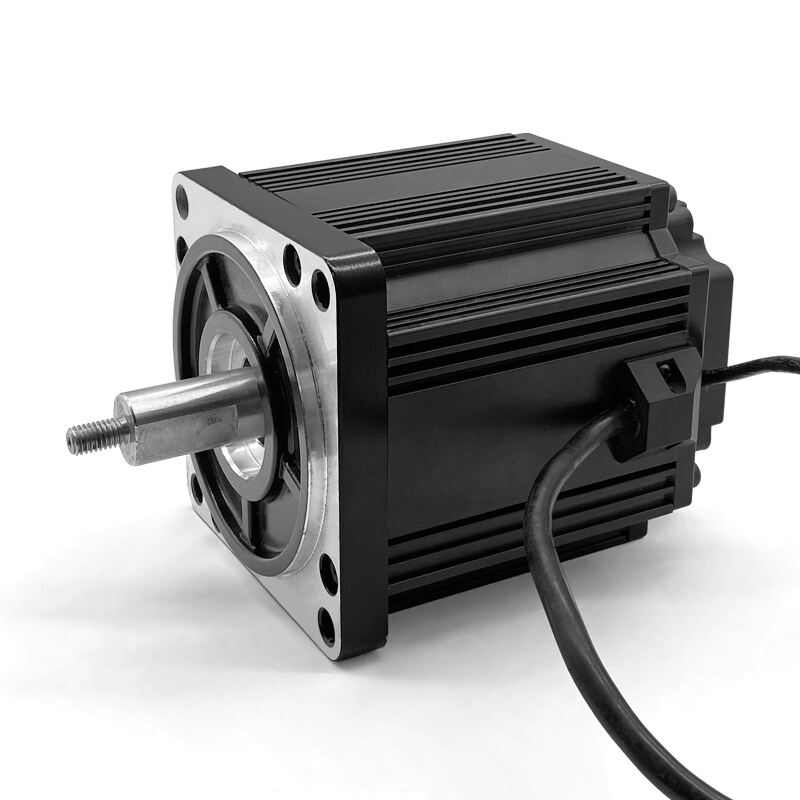
Understanding BLDC Motor Fundamentals
Core Construction and Operating Principles
The fundamental design of a BLDC motor incorporates a permanent magnet rotor and electronically controlled stator windings. Unlike conventional brushed motors, the commutation process occurs electronically through precise timing control, eliminating physical contact between carbon brushes and commutator segments. This electronic commutation system relies on position sensors, typically Hall effect sensors or optical encoders, to determine rotor position and coordinate the switching sequence of stator currents.
The stator contains three-phase windings arranged in a specific configuration to create a rotating magnetic field. When energized in proper sequence, these windings generate electromagnetic forces that interact with the permanent magnet rotor to produce continuous rotation. The electronic speed controller manages the timing and magnitude of current flow through each phase, ensuring optimal torque production and smooth operation across varying load conditions.
Electronic Commutation Technology
Electronic commutation represents the heart of BLDC motor operation, replacing mechanical brush-commutator assemblies with sophisticated electronic switching circuits. Modern controllers utilize power electronics components such as MOSFETs or IGBTs to rapidly switch current flow between stator phases. This electronic switching occurs at precisely timed intervals based on rotor position feedback, ensuring maximum efficiency and torque output throughout the rotation cycle.
Advanced commutation algorithms incorporate predictive control strategies that anticipate load changes and adjust switching patterns accordingly. These intelligent systems optimize power consumption, reduce electromagnetic interference, and enhance overall system performance. The elimination of mechanical commutation also removes a significant source of electrical noise and wear, contributing to the superior reliability characteristics associated with brushless motor technology.
Classification and Types of BLDC Motors
Sensored vs Sensorless Configurations
BLDC motors are primarily classified based on their position sensing methodology, with sensored and sensorless variants offering distinct advantages for different applications. Sensored motors incorporate dedicated position feedback devices such as Hall effect sensors, optical encoders, or resolvers to provide precise rotor position information to the control system. This configuration enables accurate low-speed operation, precise positioning control, and reliable startup performance under varying load conditions.
Sensorless BLDC motors eliminate external position sensors by utilizing back-electromotive force sensing or other indirect position detection methods. These systems analyze voltage and current characteristics during motor operation to determine rotor position, reducing system complexity and component count. While sensorless designs offer cost advantages and improved reliability through reduced sensor dependencies, they typically require minimum operating speeds for effective position detection and may experience limitations during startup or low-speed operation.
Inner Rotor and Outer Rotor Designs
Motor construction varies significantly between inner rotor and outer rotor configurations, each optimized for specific application requirements. Inner rotor designs feature a centrally positioned permanent magnet rotor surrounded by stator windings, providing compact construction and excellent heat dissipation characteristics. This traditional configuration offers high-speed capabilities, efficient cooling, and straightforward mounting arrangements suitable for most general-purpose applications.
Outer rotor BLDC motors position the permanent magnets on the outer circumference with stator windings located at the center. This configuration provides higher torque density, improved thermal management for the windings, and reduced cogging torque characteristics. The bldc motor designs are particularly advantageous for direct-drive applications requiring high torque at low speeds, such as cooling fans, propellers, and wheel hub motors.
Key Advantages and Performance Benefits
Efficiency and Energy Conservation
BLDC motors deliver exceptional efficiency levels typically ranging from 85% to 95%, significantly surpassing the performance of brushed DC motors and many AC induction motors. This superior efficiency stems from the elimination of brush friction losses, optimized electromagnetic design, and precise electronic control of power delivery. The absence of mechanical commutation reduces energy waste associated with arcing and contact resistance, while electronic switching enables optimal current timing for maximum power transfer efficiency.
Energy conservation benefits extend beyond motor efficiency to include regenerative braking capabilities and intelligent power management features. Modern BLDC motor systems can recover energy during deceleration phases, feeding power back to the supply system or energy storage devices. Variable speed operation capabilities allow precise matching of motor output to load requirements, eliminating energy waste associated with mechanical throttling or fixed-speed operation.
Reliability and Maintenance Advantages
The brushless design inherently eliminates the primary wear mechanism found in traditional brushed motors, resulting in dramatically extended operational life and reduced maintenance requirements. Without carbon brushes to replace or commutators to service, BLDC motors can operate for thousands of hours with minimal intervention. This reliability advantage translates to reduced downtime, lower maintenance costs, and improved system availability in critical applications.
Environmental resilience represents another significant advantage, as the sealed construction typical of BLDC motors provides excellent protection against dust, moisture, and contaminants. The absence of brush sparking eliminates explosion risks in hazardous environments, while reduced electromagnetic interference enhances compatibility with sensitive electronic systems. These characteristics make brushless motors ideal for aerospace, medical, and precision industrial applications where reliability is paramount.
Industrial Applications and Use Cases
Automation and Robotics
Industrial automation systems increasingly rely on BLDC motor technology for precise positioning, variable speed control, and reliable operation in demanding environments. Robotic applications benefit from the excellent speed-torque characteristics and precise control capabilities offered by brushless motors. The ability to maintain consistent torque output across wide speed ranges enables smooth robotic movements and accurate positioning for assembly, welding, and material handling operations.
Servo applications particularly benefit from the rapid response characteristics and high-resolution position control possible with BLDC motor systems. CNC machining centers, automated assembly lines, and packaging equipment utilize brushless motors to achieve the precision and repeatability required for modern manufacturing processes. The quiet operation and minimal vibration characteristics enhance working environments while supporting high-precision operations.
HVAC and Cooling Systems
Heating, ventilation, and air conditioning applications represent a growing market segment for BLDC motor technology, driven by energy efficiency regulations and operational cost considerations. Variable speed blower motors enable precise airflow control while significantly reducing energy consumption compared to traditional single-speed alternatives. The ability to modulate fan speed based on actual cooling or heating demands optimizes system efficiency and enhances occupant comfort.
Commercial and industrial HVAC systems benefit from the extended operational life and reduced maintenance requirements of brushless motors. The elimination of brush replacement schedules and the robust construction suitable for continuous operation reduce service costs and system downtime. Integration with intelligent building management systems enables advanced control strategies that optimize energy usage and maintain precise environmental conditions.
Control Systems and Drive Electronics
Electronic Speed Controllers
Modern BLDC motor systems depend on sophisticated electronic speed controllers that manage power delivery, commutation timing, and system protection functions. These controllers incorporate microprocessors or digital signal processors to execute complex control algorithms that optimize motor performance across varying operating conditions. Advanced controllers feature programmable parameters that allow customization for specific applications, including acceleration profiles, current limits, and protection settings.
Power electronics within the controller handle high-current switching operations using components such as MOSFETs or IGBTs arranged in three-phase bridge configurations. These switching devices operate at frequencies typically ranging from several kilohertz to tens of kilohertz, enabling smooth current control and minimal torque ripple. Integrated gate drivers and protection circuits ensure reliable operation while safeguarding against overcurrent, overvoltage, and thermal stress conditions.
Feedback Systems and Sensors
Position feedback systems play a crucial role in BLDC motor control, providing the essential rotor position information required for proper commutation timing. Hall effect sensors represent the most common feedback method, offering reliable position detection with good temperature stability and electromagnetic immunity. These sensors typically provide six discrete position signals per electrical cycle, enabling basic commutation control suitable for many applications.
High-resolution applications often employ optical encoders or magnetic encoders that provide thousands of position pulses per revolution. These systems enable precise speed regulation, accurate positioning control, and advanced control strategies such as field-oriented control. Resolver-based feedback systems offer exceptional reliability for harsh environment applications, providing continuous position signals that remain functional even under extreme temperature and vibration conditions.
Selection Criteria and Design Considerations
Performance Requirements Analysis
Selecting the appropriate BLDC motor requires careful analysis of application-specific performance requirements including torque characteristics, speed range, duty cycle, and environmental conditions. Torque requirements must consider both continuous and peak demands, as brushless motors typically offer excellent overload capabilities for short durations. Speed range considerations encompass both maximum operating speed and low-speed performance requirements, particularly important for applications requiring precise positioning or variable speed operation.
Duty cycle analysis determines the thermal management requirements and influences motor sizing decisions. Continuous duty applications require motors sized for sustained operation at rated conditions, while intermittent duty applications may utilize smaller motors with higher peak capabilities. Environmental factors such as ambient temperature, humidity, vibration, and exposure to contaminants influence enclosure selection and construction materials, ensuring reliable operation throughout the expected service life.
System Integration Factors
Integration considerations encompass mechanical mounting arrangements, electrical interface requirements, and compatibility with existing control systems. Mechanical factors include shaft specifications, mounting configurations, and space constraints that may favor specific motor designs. Electrical integration involves power supply requirements, control signal compatibility, and communication protocol specifications for networked applications.
Cost considerations extend beyond initial motor and controller expenses to include installation costs, energy consumption, and maintenance requirements over the system lifecycle. While BLDC motor systems typically require higher initial investment compared to brushed alternatives, the superior efficiency and reduced maintenance requirements often justify the additional cost through operational savings and improved reliability.
FAQ
What is the typical lifespan of a BLDC motor compared to brushed motors
BLDC motors typically achieve operational lifespans of 10,000 to 30,000 hours or more, significantly exceeding the 1,000 to 3,000-hour lifespan common with brushed DC motors. The elimination of mechanical brush wear represents the primary factor contributing to extended life, as brush replacement often determines the service interval for traditional motors. Environmental conditions and application duty cycles influence actual service life, but the absence of wear-prone components consistently delivers superior longevity.
Can BLDC motors operate effectively at very low speeds
BLDC motor low-speed performance depends primarily on the feedback system implementation and control strategy employed. Sensored motors with Hall effect sensors or encoders can achieve smooth operation at very low speeds, including step-by-step positioning applications. Sensorless systems typically require minimum speeds for reliable position detection, usually limiting low-speed performance to several hundred RPM or higher, depending on the specific control algorithm and motor characteristics.
How do BLDC motors perform in harsh environmental conditions
BLDC motors excel in harsh environments due to their sealed construction and absence of brush sparking that could ignite explosive atmospheres. The electronic commutation system eliminates arcing and reduces electromagnetic interference, while robust bearing systems and protective enclosures provide excellent resistance to dust, moisture, and temperature extremes. Many BLDC motors are available with specialized enclosures rated for specific environmental conditions, including food processing, chemical exposure, and outdoor applications.
What are the power efficiency differences between BLDC and traditional AC motors
BLDC motors typically achieve 85-95% efficiency levels, comparing favorably with premium efficiency AC induction motors that reach 90-96% efficiency at optimal operating points. However, BLDC motors maintain high efficiency across broader speed ranges and load conditions, while AC motor efficiency can drop significantly at partial loads or when operated away from synchronous speed. The electronic control capabilities of BLDC systems enable optimized power delivery and regenerative braking that further enhance overall system efficiency.