Superior Reliability and Extended Operational Life
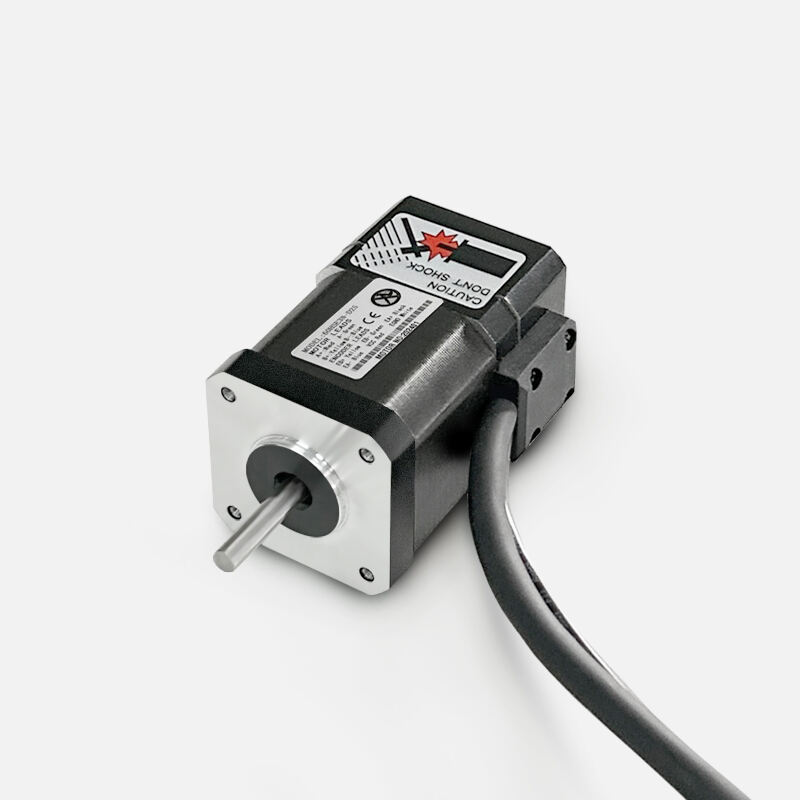
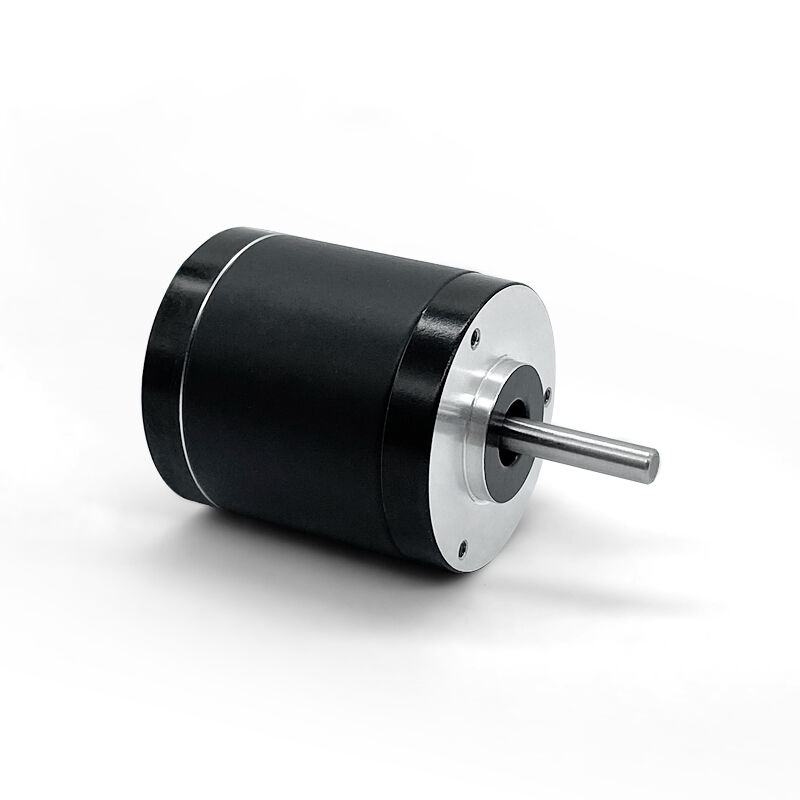
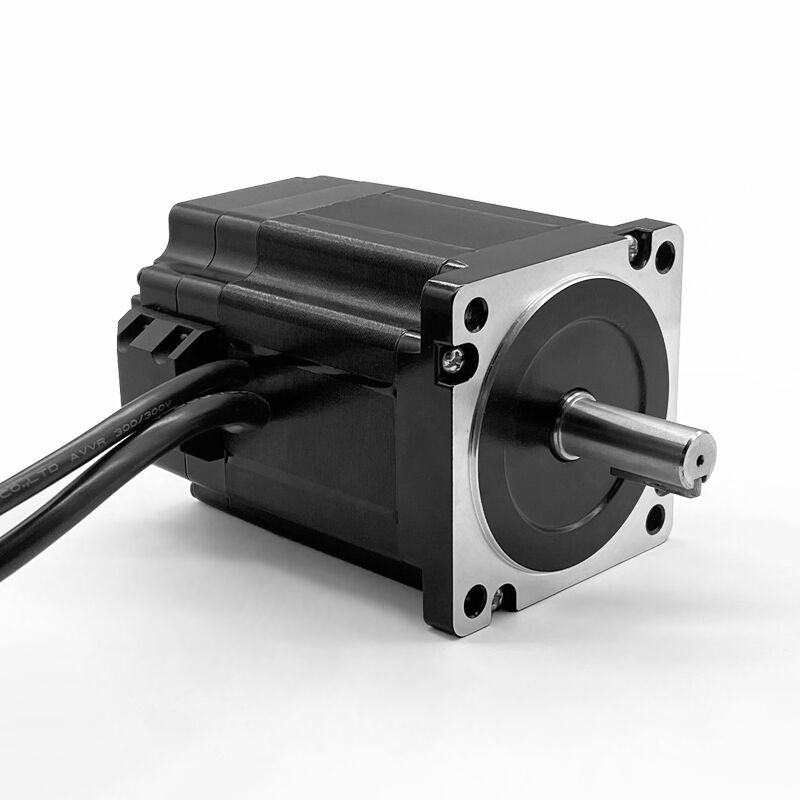
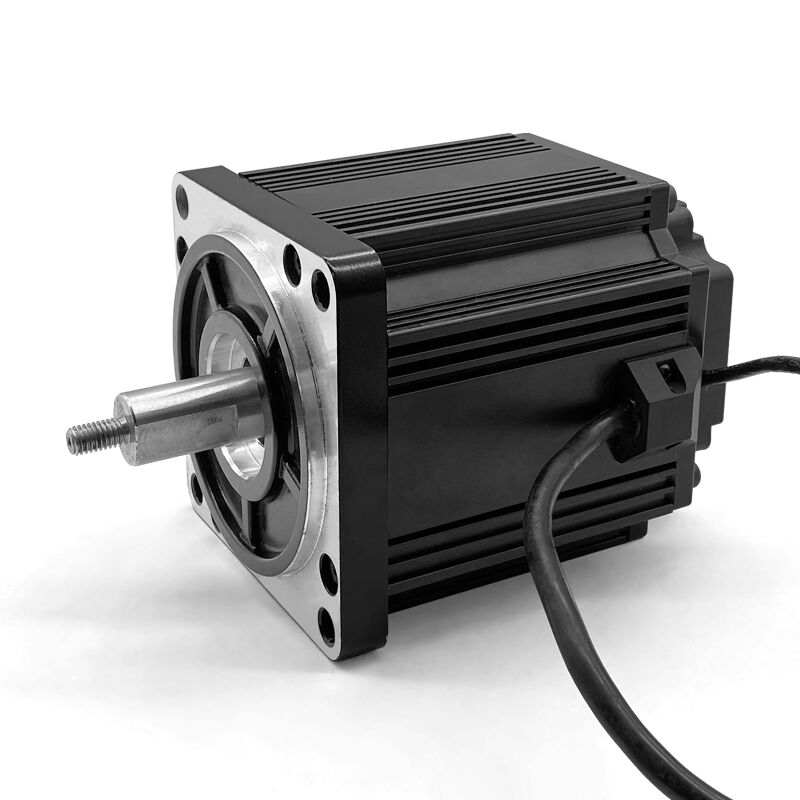
The BLDC motor with encoder delivers exceptional reliability and extended operational life through its brushless design and integrated feedback system architecture. By eliminating physical brushes and commutator segments, this motor technology removes the primary wear components that limit the lifespan of traditional DC motors. Brushes in conventional motors create friction, generate heat, produce electromagnetic interference, and require regular replacement, typically every 1000-3000 operating hours depending on application conditions. The BLDC motor with encoder eliminates these issues entirely, achieving operational lifespans exceeding 10000 hours of continuous operation without requiring maintenance interventions. The electronic commutation system operates without mechanical contact, reducing heat generation and eliminating spark formation that can damage motor components or create safety hazards in explosive environments. The integrated encoder design prevents alignment drift and mechanical coupling failures that separate encoder systems experience over time due to vibration, thermal cycling, and mechanical stress. This integration ensures that position accuracy remains consistent throughout the motor's operational life without requiring periodic recalibration or adjustment procedures. The solid-state switching components in the motor controller have no moving parts and demonstrate excellent long-term stability when properly designed and thermally managed. Environmental resistance improves significantly since sealed encoder assemblies protect sensitive optical or magnetic sensing elements from contamination, moisture, and temperature extremes that could affect performance. The absence of brush dust eliminates contamination issues that plague traditional motors in clean environments such as medical device manufacturing, food processing, and semiconductor fabrication facilities. Thermal management benefits from the higher efficiency operation, with less waste heat generation reducing thermal stress on motor windings, bearings, and electronic components. The digital nature of encoder signals provides inherent noise immunity and signal integrity that analog systems cannot match, ensuring reliable operation even in electrically noisy industrial environments with variable frequency drives, welding equipment, and other electromagnetic interference sources.