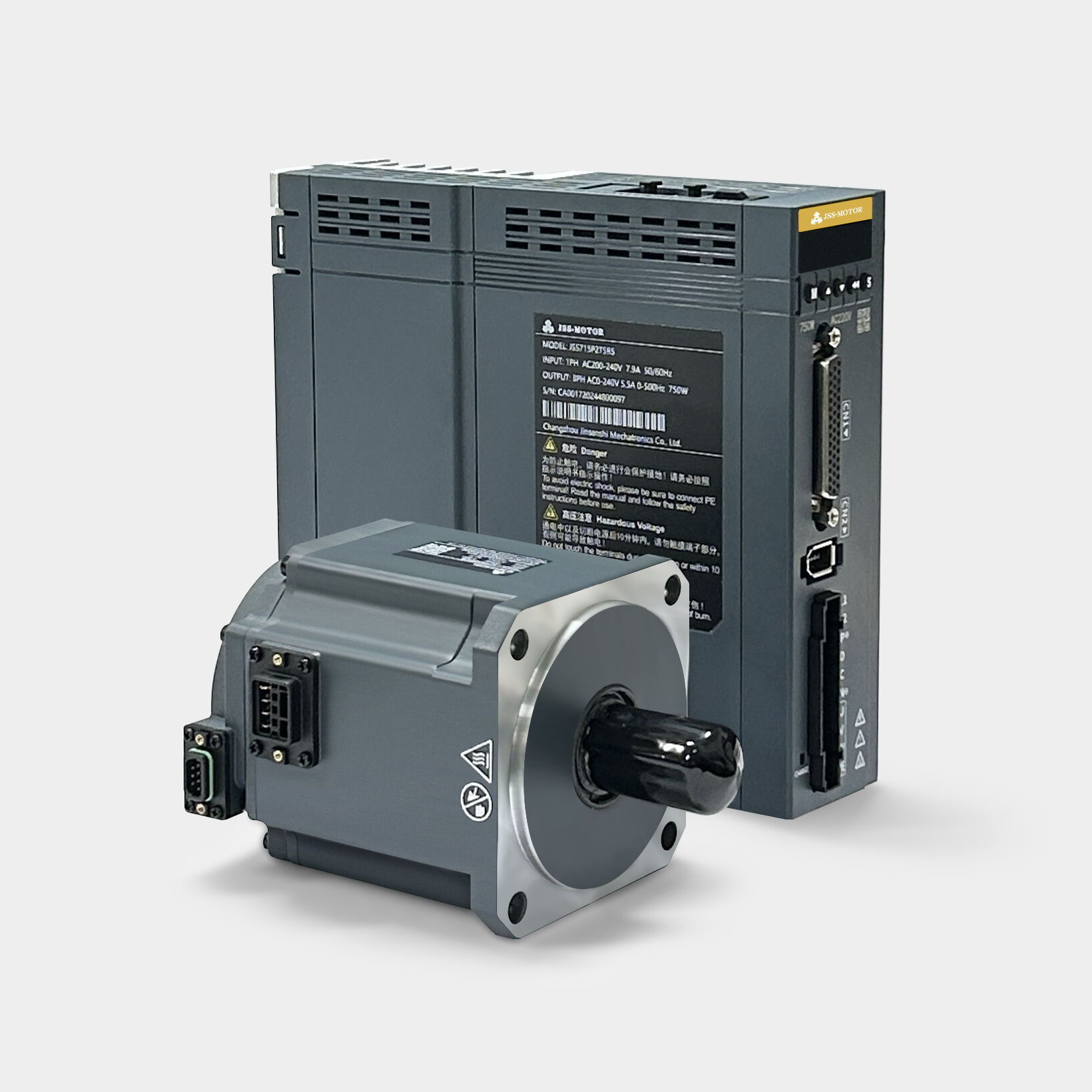
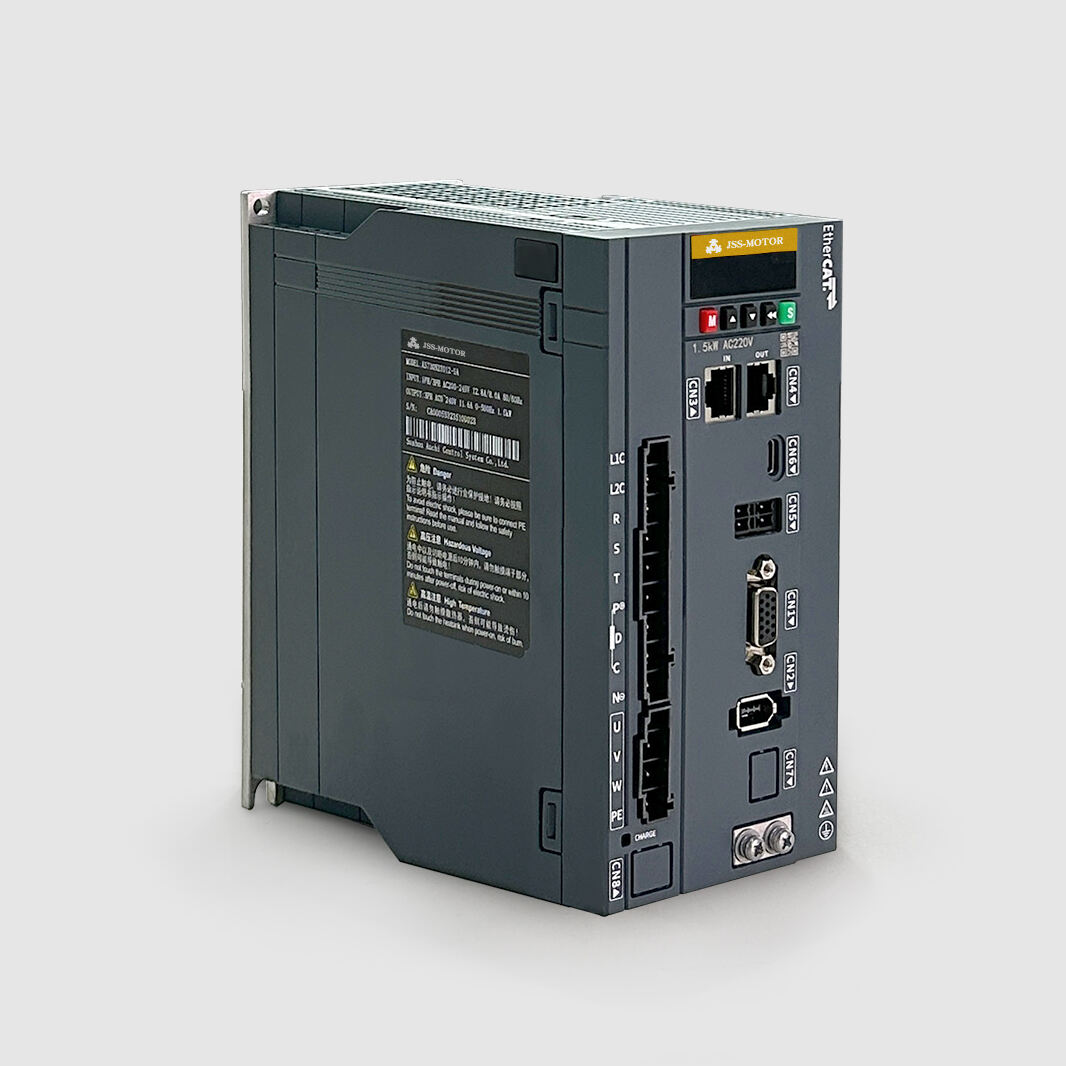
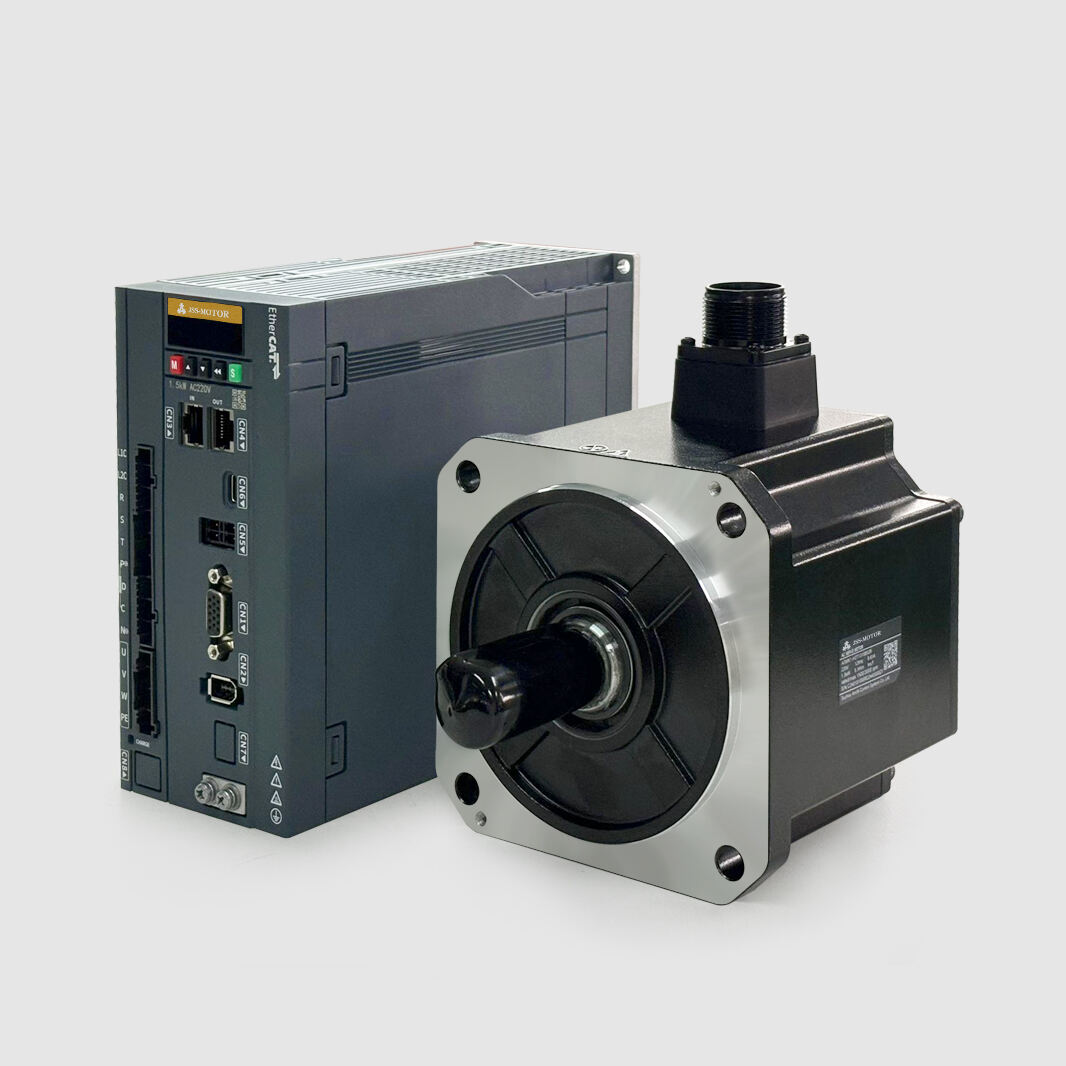
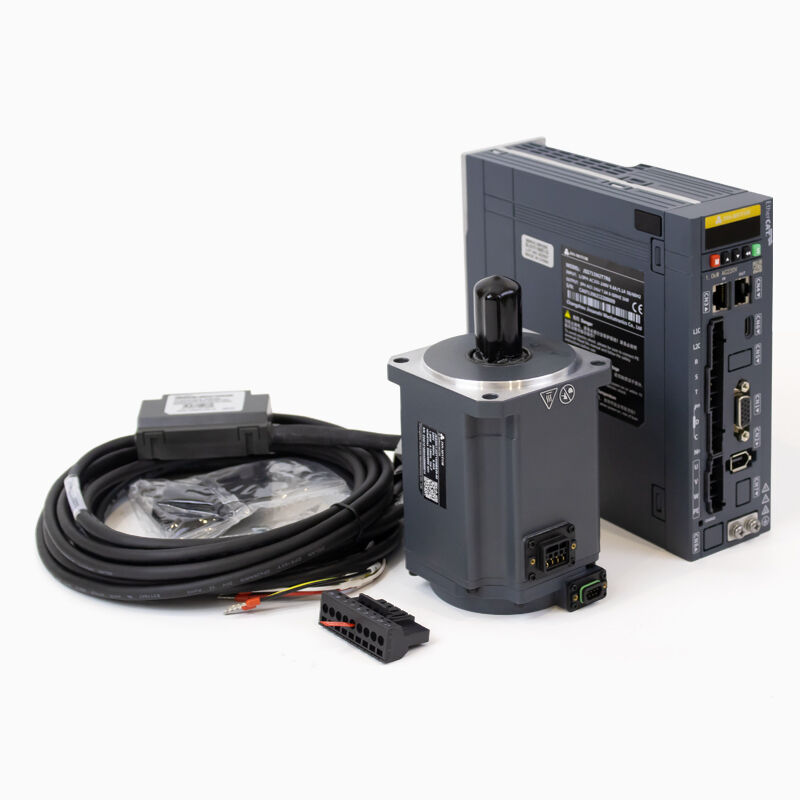
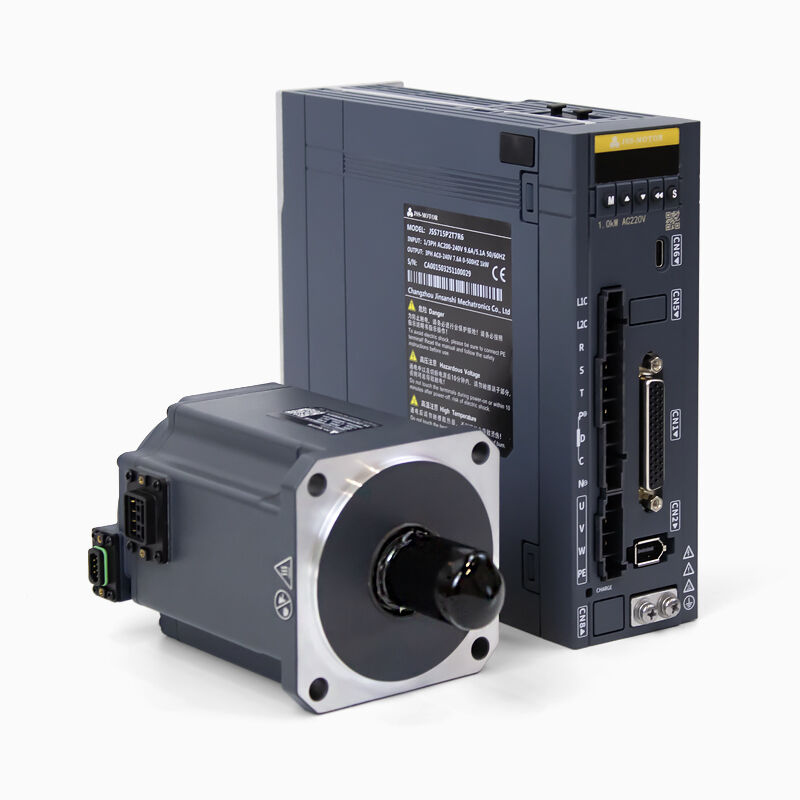
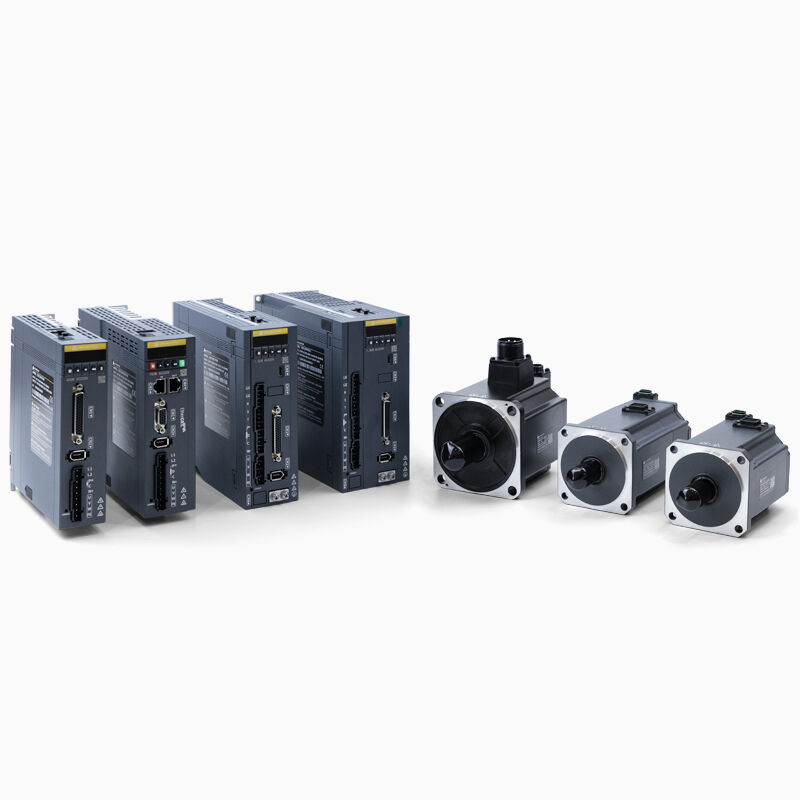
Electric Servo Drive Systems: Precision Motion Control for Industrial Automation

Get a Free Quote

Our representative will contact you soon.
Email
Name
Company Name
WhatsApp
Mobile
Message
0/1000

electric servo drive

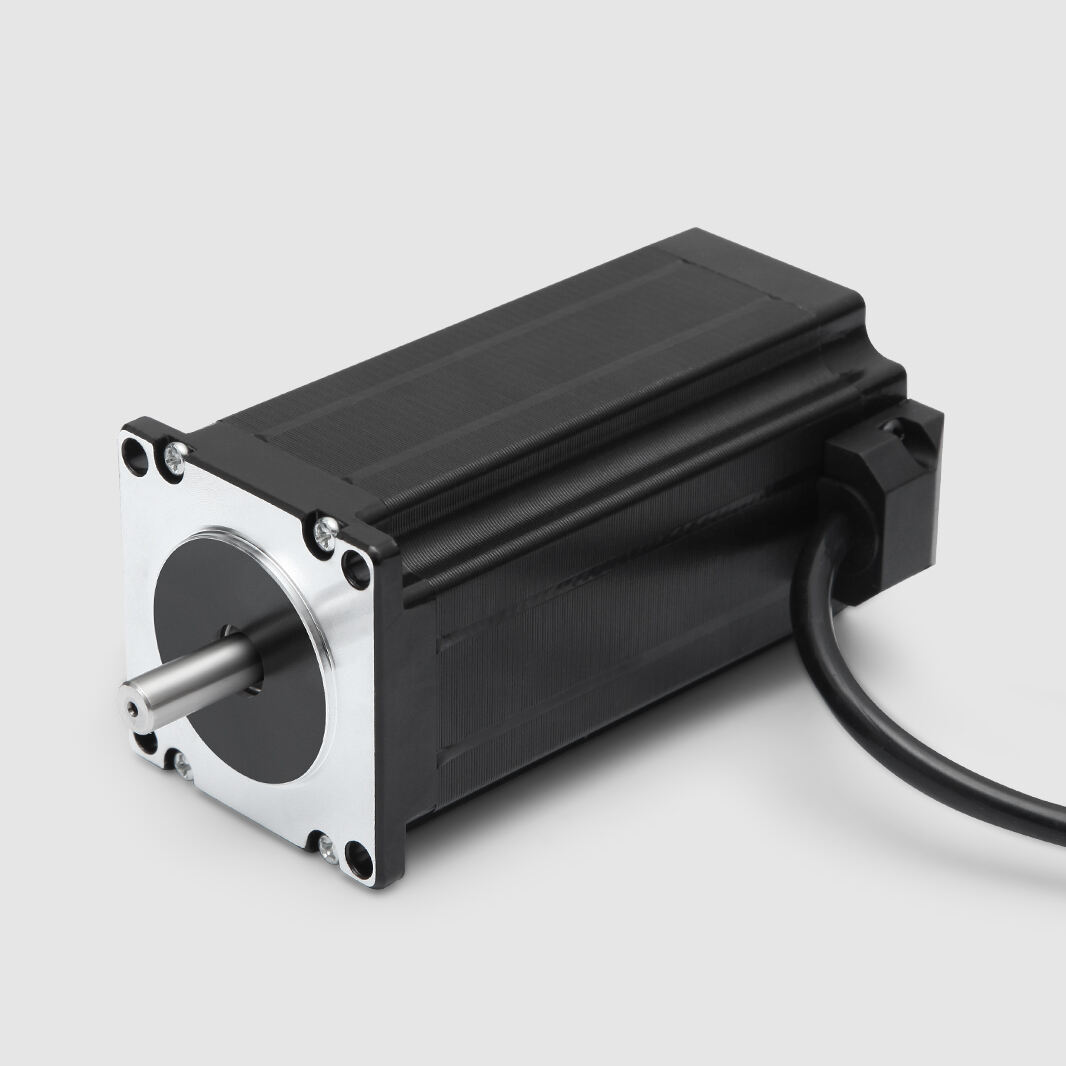
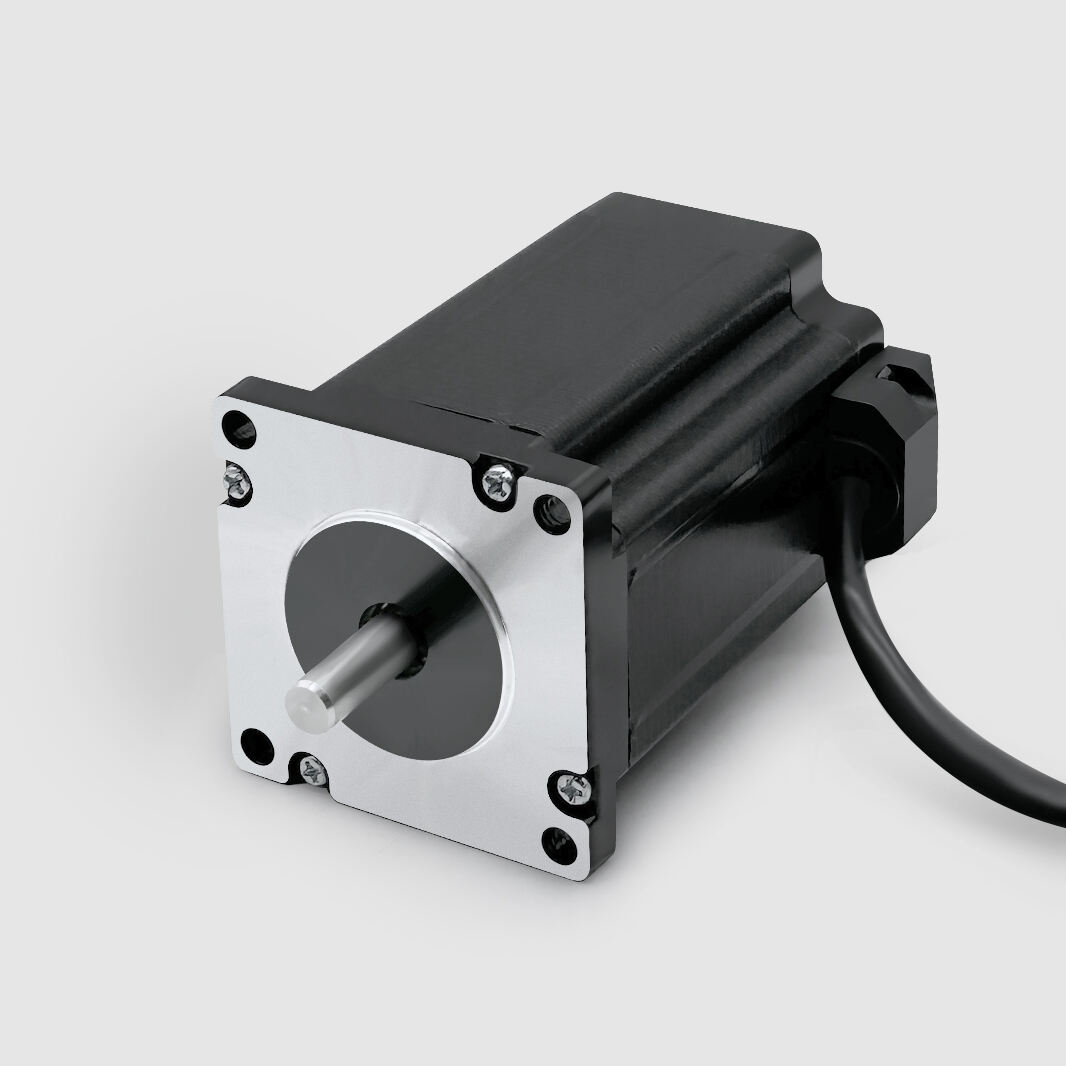
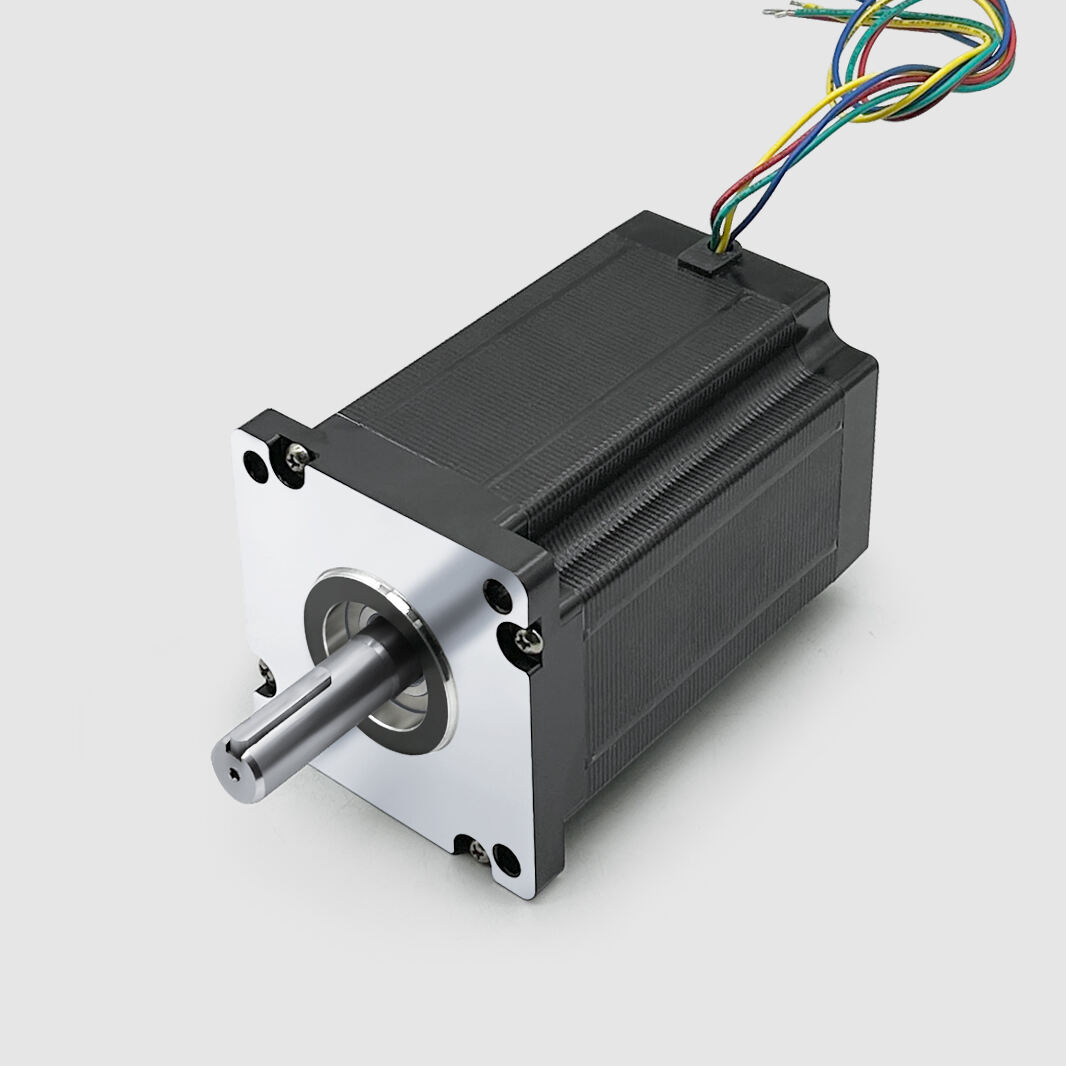
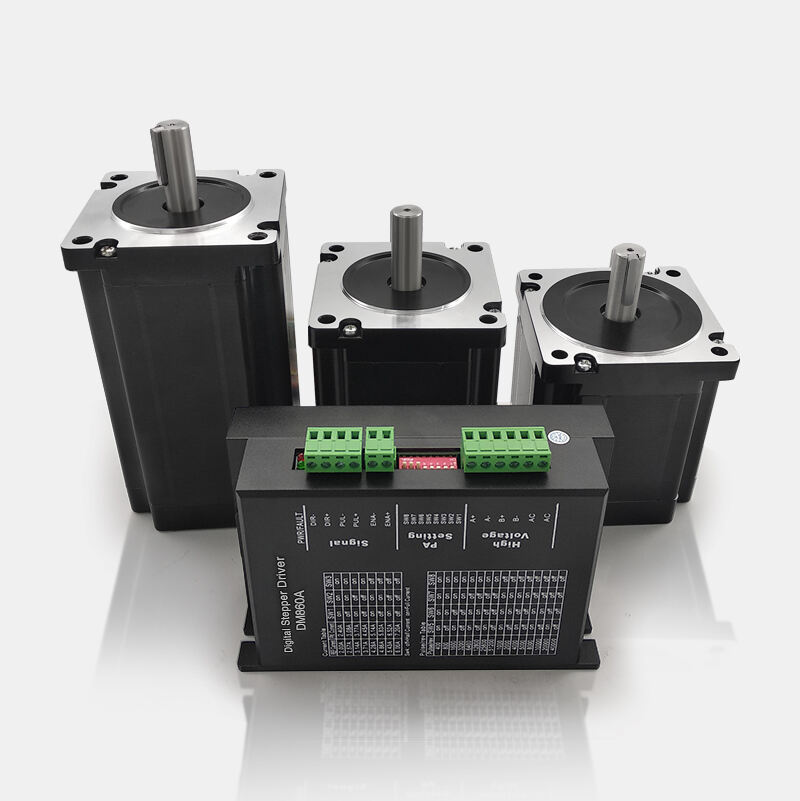
Electric servo drive technology represents a cornerstone of modern industrial automation, delivering precise control over motor speed, position, and torque with exceptional accuracy. These sophisticated devices serve as the critical link between control systems and servo motors, converting command signals into precisely controlled mechanical motion. The electric servo drive operates by continuously monitoring feedback from encoders or resolvers, comparing actual motor performance against desired parameters, and making real-time adjustments to maintain optimal operation. This closed-loop control system ensures that machinery performs exactly as programmed, regardless of external disturbances or load variations. Modern electric servo drive systems incorporate advanced digital signal processing capabilities, enabling them to execute complex motion profiles with sub-millisecond response times. The integration of high-speed microprocessors allows these drives to handle multiple axes of control simultaneously while maintaining synchronization across all connected motors. Communication protocols such as EtherCAT, Profinet, and Modbus enable seamless integration with programmable logic controllers and higher-level automation systems. The electric servo drive architecture includes power electronics components that efficiently convert AC input power to precisely controlled three-phase output, minimizing energy losses through advanced switching techniques. Regenerative braking capabilities allow the drive to capture energy during deceleration phases, feeding it back to the supply network and reducing overall power consumption. Safety features built into modern electric servo drive systems include overcurrent protection, thermal monitoring, and safe torque-off functionality that meets international safety standards. These drives support various motor types including synchronous and asynchronous servo motors, providing flexibility in application design. The compact form factor of contemporary electric servo drive units enables space-efficient installation in control panels while maintaining robust performance under demanding industrial conditions.
Popular Products

Electric servo drive systems deliver substantial operational benefits that directly impact productivity and profitability across diverse industrial applications. The primary advantage lies in their exceptional precision control capabilities, enabling manufacturers to achieve tolerances measured in micrometers while maintaining consistent quality throughout production runs. This level of accuracy translates into reduced material waste, fewer defective products, and enhanced customer satisfaction through reliable product quality. Energy efficiency represents another significant benefit, as modern electric servo drive technology optimizes power consumption by matching motor output precisely to load requirements. Unlike traditional fixed-speed drive systems that waste energy through throttling or mechanical reduction, servo drives deliver only the necessary power, resulting in energy savings of up to thirty percent in typical applications. The intelligent control algorithms continuously adjust motor performance based on real-time conditions, further enhancing efficiency while reducing operating costs. Maintenance requirements decrease significantly when using electric servo drive systems compared to mechanical alternatives such as gear trains or hydraulic systems. The absence of wear-prone mechanical components like gears, belts, and hydraulic seals eliminates frequent replacement cycles and associated downtime. Predictive maintenance features monitor drive performance parameters, alerting operators to potential issues before failures occur, enabling scheduled maintenance during planned downtime periods. Flexibility in motion control represents a crucial advantage for manufacturers seeking to adapt quickly to changing production requirements. Electric servo drive systems allow operators to modify speed profiles, acceleration rates, and positioning parameters through software changes rather than mechanical adjustments. This capability enables rapid changeovers between product variants without extensive retooling, supporting lean manufacturing principles and reducing time-to-market for new products. The digital nature of electric servo drive control enables comprehensive data collection and analysis, providing valuable insights into production processes. Real-time monitoring of position accuracy, speed variations, and power consumption helps identify optimization opportunities and supports continuous improvement initiatives. Integration capabilities with modern manufacturing execution systems enable automatic data transfer for quality control documentation and regulatory compliance reporting. Safety enhancements provided by electric servo drive technology include precise stopping capabilities, controlled acceleration limits, and fail-safe modes that protect both equipment and personnel. Emergency stop functions engage instantly when triggered, bringing machinery to a controlled halt within predetermined safety boundaries. These safety features help manufacturers comply with increasingly stringent workplace safety regulations while protecting valuable equipment investments.

Practical Tips

Can a stepper driver run on 24 V without extra heat sinking?

26

Sep

Can a stepper driver run on 24 V without extra heat sinking?

Understanding Stepper Driver Voltage Requirements and Thermal Management Stepper drivers are essential components in motion control systems, and their voltage capabilities significantly impact performance. When considering whether a stepper driver ca...
View More
AC Servo Motor vs. Stepper Motor: Which to Choose?

20

Oct

AC Servo Motor vs. Stepper Motor: Which to Choose?

Understanding Motion Control System Fundamentals In the world of precision motion control and automation, choosing the right motor technology can make or break your application's success. The debate between ac servo motors and stepper motors continue...
View More
Servo Drive Basics: A Complete Beginner's Guide

27

Nov

Servo Drive Basics: A Complete Beginner's Guide

Understanding servo drives is essential for anyone working in industrial automation, robotics, or precision manufacturing. A servo drive acts as the brain behind precise motion control, converting electrical signals into mechanical movements with exc...
View More
Servo Motor vs Stepper Motor: Key Differences Explained

27

Nov

Servo Motor vs Stepper Motor: Key Differences Explained

In the world of industrial automation and precision motion control, understanding the distinction between servo motors and stepper motors is crucial for engineers and system designers. A servo motor represents the pinnacle of precise motion control, ...
View More

Get a Free Quote

Our representative will contact you soon.
Email
Name
Company Name
WhatsApp
Mobile
Message
0/1000

electric servo drive

Unmatched Precision and Repeatability for Critical Applications

Unmatched Precision and Repeatability for Critical Applications

The electric servo drive excels in delivering extraordinary precision that surpasses traditional motion control solutions by several orders of magnitude. This remarkable accuracy stems from advanced feedback control systems that continuously monitor motor position using high-resolution encoders capable of detecting movements as small as a few arc-seconds. The closed-loop control architecture ensures that actual motor position matches commanded position with exceptional fidelity, even under varying load conditions or external disturbances. Manufacturing processes requiring tight dimensional tolerances, such as semiconductor fabrication, precision machining, and medical device assembly, rely heavily on this level of control precision. The repeatability characteristics of electric servo drive systems enable consistent reproduction of complex motion sequences thousands of times with virtually no deviation from programmed parameters. This consistency proves invaluable in automated assembly lines where component placement accuracy directly impacts product quality and manufacturing yield. Advanced interpolation algorithms within the electric servo drive enable smooth motion transitions between programmed points, eliminating the jerky movements associated with simpler control systems. The ability to execute complex motion profiles, including S-curve acceleration and deceleration patterns, reduces mechanical stress on driven components while maintaining high throughput rates. Multi-axis synchronization capabilities allow multiple electric servo drive units to coordinate their movements with sub-millisecond timing accuracy, enabling sophisticated manufacturing operations such as coordinated material handling and precision cutting applications. The integration of advanced filtering algorithms suppresses mechanical resonances and external vibrations that could compromise positioning accuracy, ensuring stable operation even in challenging industrial environments. Temperature compensation features automatically adjust control parameters to maintain consistent performance across wide operating temperature ranges, eliminating the need for frequent recalibration. This precision advantage translates directly into improved product quality, reduced waste, and enhanced customer satisfaction, making the electric servo drive an essential component for manufacturers competing in quality-sensitive markets.
Superior Energy Efficiency and Environmental Benefits

Superior Energy Efficiency and Environmental Benefits

Electric servo drive technology delivers exceptional energy efficiency through intelligent power management that adapts motor output to actual load requirements in real-time. Unlike conventional motor control methods that operate at fixed speeds regardless of demand, the electric servo drive continuously optimizes power consumption by matching motor torque and speed precisely to application needs. This dynamic adjustment capability results in substantial energy savings, particularly in applications with varying load profiles or frequent start-stop cycles. The regenerative braking feature represents a significant advancement in energy recovery, capturing kinetic energy during deceleration phases and feeding it back to the electrical supply network. This capability proves especially beneficial in applications involving frequent direction changes or elevation changes, such as crane operations or vertical material handling systems. The recovered energy can reduce overall power consumption by fifteen to twenty-five percent in typical applications, contributing to lower operating costs and reduced environmental impact. Advanced power factor correction built into modern electric servo drive systems improves electrical efficiency by minimizing reactive power consumption, reducing strain on electrical infrastructure and lowering utility demand charges. The high switching frequency of modern power electronics minimizes harmonic distortion, ensuring compliance with electrical power quality standards while reducing interference with other sensitive equipment. Intelligent sleep modes automatically reduce power consumption during idle periods without compromising response times when operation resumes, further enhancing overall system efficiency. The elimination of mechanical inefficiencies associated with gear reduction systems, hydraulic pumps, and pneumatic compressors contributes significantly to the superior efficiency of electric servo drive solutions. Direct-drive configurations enabled by servo technology eliminate energy losses through mechanical transmission components, achieving overall system efficiencies exceeding ninety percent. Environmental benefits extend beyond energy savings, as electric servo drive systems eliminate the need for hydraulic fluids, compressed air generation, and associated filtration systems that consume additional energy and require periodic maintenance. The reduced heat generation from efficient operation minimizes cooling requirements in control panels and manufacturing facilities, further contributing to energy savings. Comprehensive energy monitoring capabilities provide detailed consumption data that supports energy management initiatives and helps identify additional optimization opportunities throughout manufacturing operations.
Advanced Connectivity and Industry 4.0 Integration

Advanced Connectivity and Industry 4.0 Integration

Modern electric servo drive systems embody the principles of Industry 4.0 through comprehensive connectivity features that enable seamless integration with digital manufacturing ecosystems. High-speed industrial communication protocols including EtherCAT, Profinet, and CC-Link provide deterministic data exchange with cycle times measured in microseconds, ensuring real-time coordination between multiple drive systems and central control units. This advanced connectivity enables sophisticated motion control applications such as synchronized multi-axis systems, flying shears, and electronic gearing that would be impossible with traditional control methods. The electric servo drive serves as an intelligent node within distributed control architectures, processing complex motion algorithms locally while maintaining continuous communication with supervisory systems. Built-in web server capabilities allow direct access to drive parameters and diagnostic information through standard internet browsers, enabling remote monitoring and troubleshooting without specialized software tools. This connectivity advantage proves invaluable for equipment manufacturers providing remote support services to customers worldwide, reducing service costs and minimizing equipment downtime. Advanced diagnostic capabilities continuously monitor drive performance parameters including temperature, vibration signatures, and electrical characteristics, comparing actual values against established baselines to detect emerging issues before they result in failures. Predictive maintenance algorithms analyze historical performance data to estimate remaining component life and schedule maintenance activities during planned production breaks. The electric servo drive supports over-the-air firmware updates that enable new features and performance improvements without requiring physical access to equipment, ensuring systems remain current with latest technological advances. Data logging capabilities capture detailed operational information that supports process optimization initiatives and provides valuable insights into production efficiency trends. Integration with manufacturing execution systems enables automatic production data collection, eliminating manual data entry errors and providing real-time visibility into manufacturing operations. Cloud connectivity options allow electric servo drive systems to participate in Industrial Internet of Things applications, enabling advanced analytics and machine learning algorithms to optimize performance across entire production networks. Security features including encrypted communications and access control mechanisms protect against cyber threats while enabling secure remote access for authorized personnel. The standardized communication interfaces ensure compatibility with existing automation infrastructure, protecting previous investments while enabling gradual migration to more advanced control architectures. This comprehensive connectivity transforms the electric servo drive from a simple motor controller into an intelligent manufacturing component that actively contributes to operational excellence and continuous improvement initiatives.
+86-13401517369
[email protected]

Get a Free Quote

Our representative will contact you soon.
Email
Name
Company Name
WhatsApp
Mobile
Message
0/1000

Copyright © 2026 Changzhou Jinsanshi Mechatronics Co., Ltd. All rights reserved.  -  Privacy policy