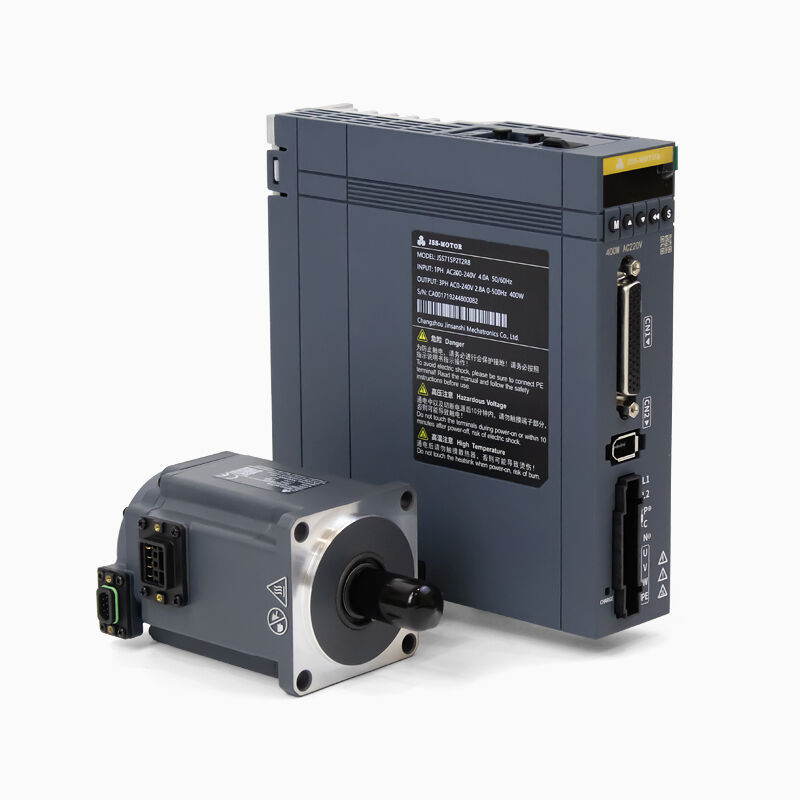
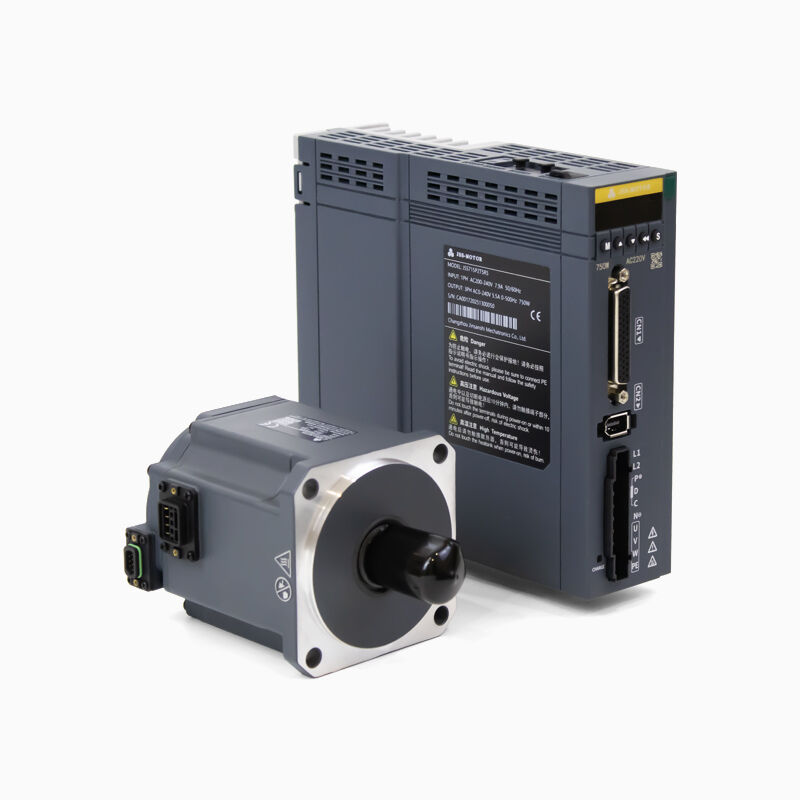
Professional Servo Drive and Servo Motor Solutions - Precision Motion Control Systems

Get a Free Quote

Our representative will contact you soon.
Email
Name
Company Name
WhatsApp
Mobile
Message
0/1000

servo drive and servo motor

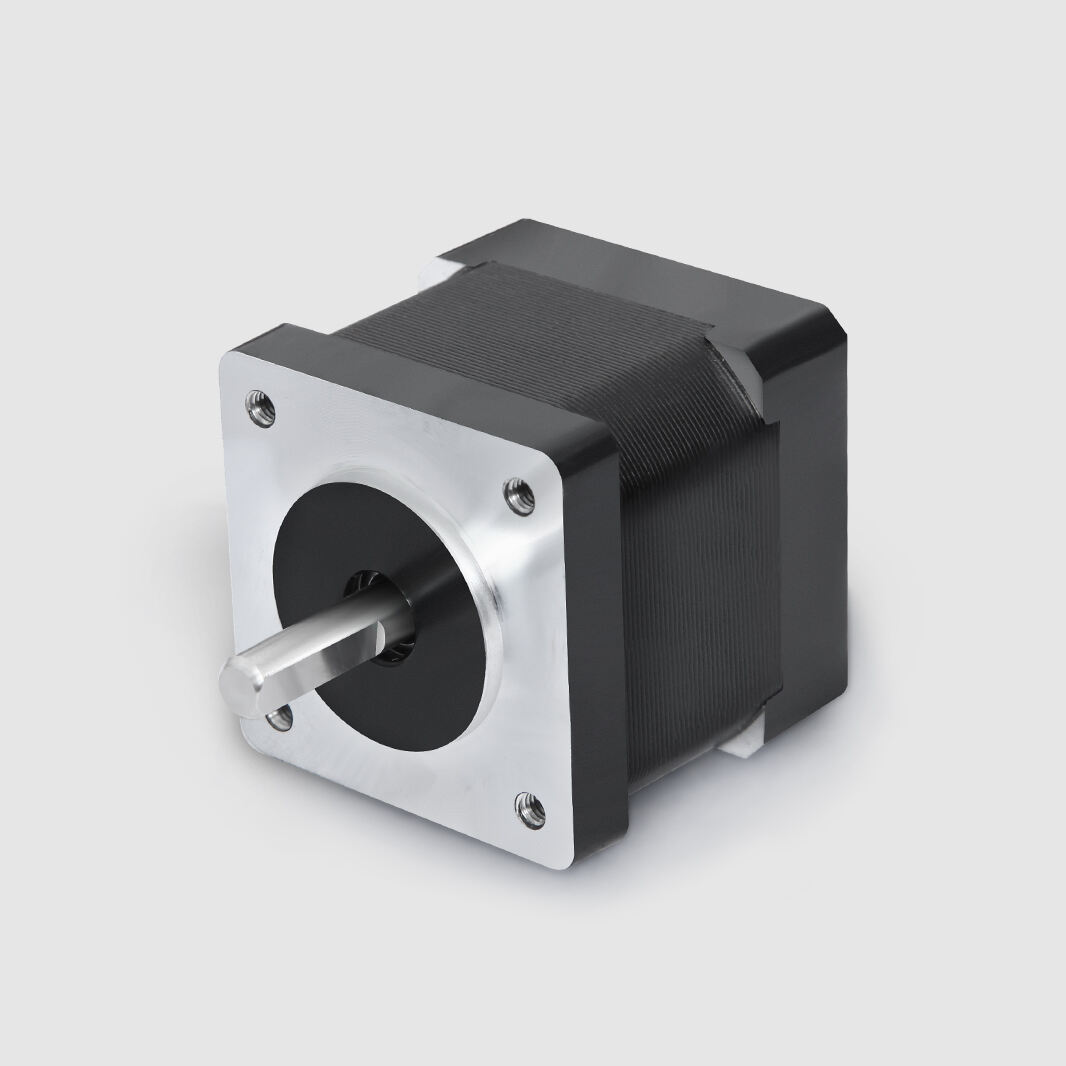
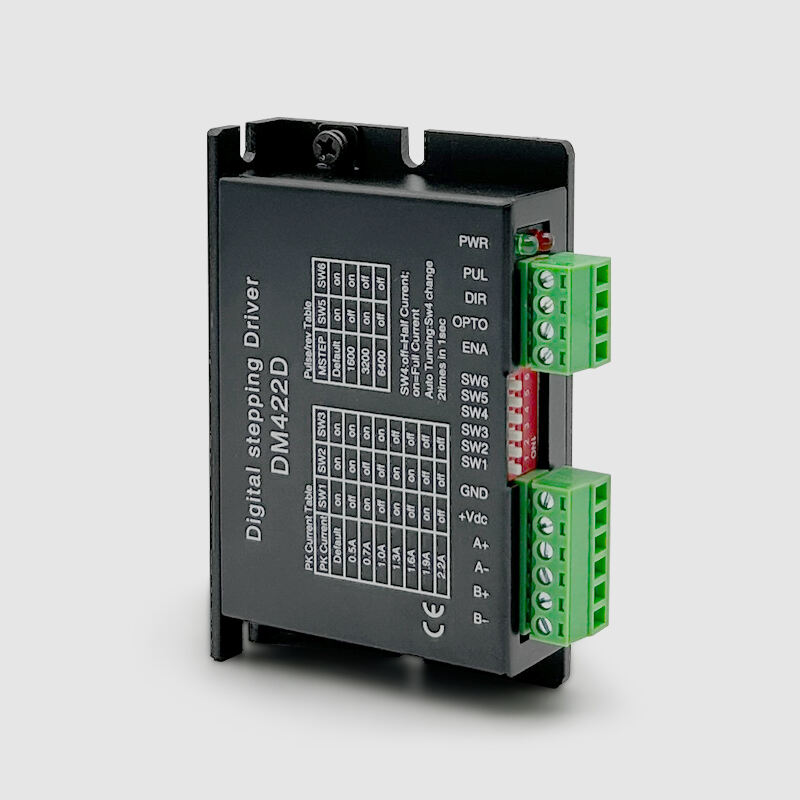
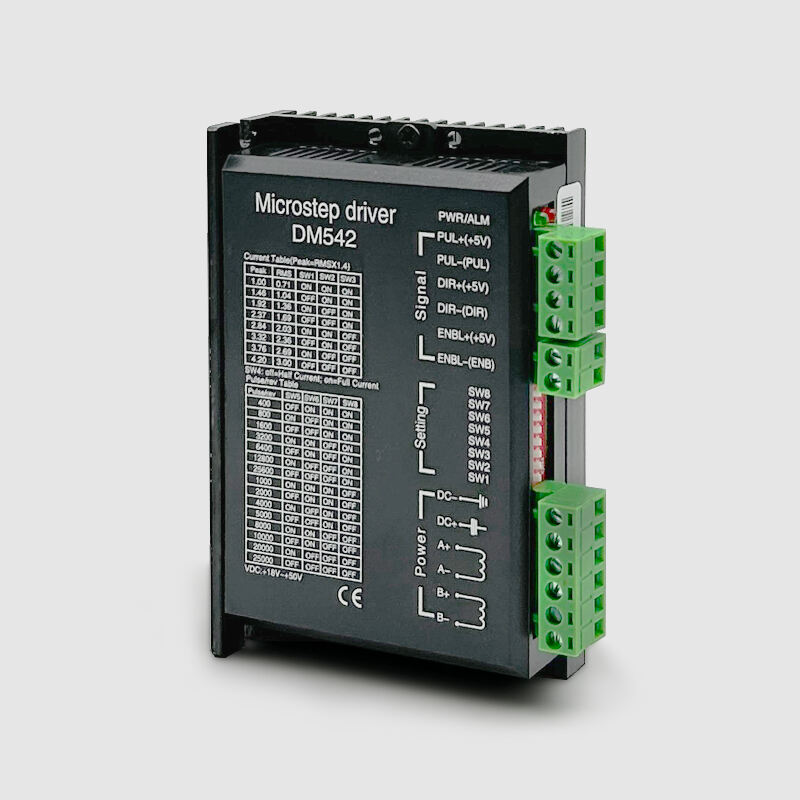
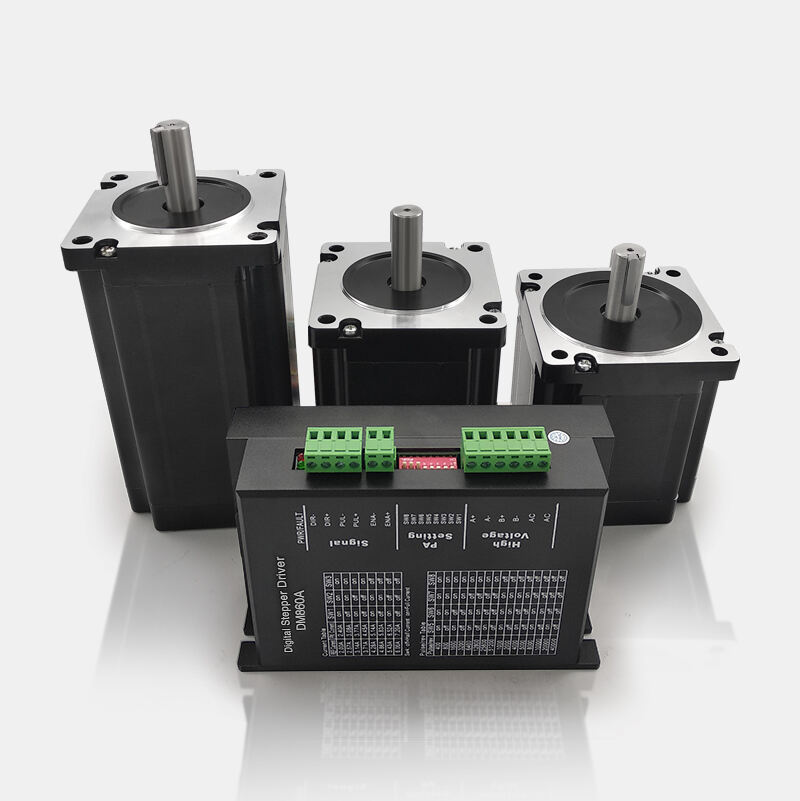
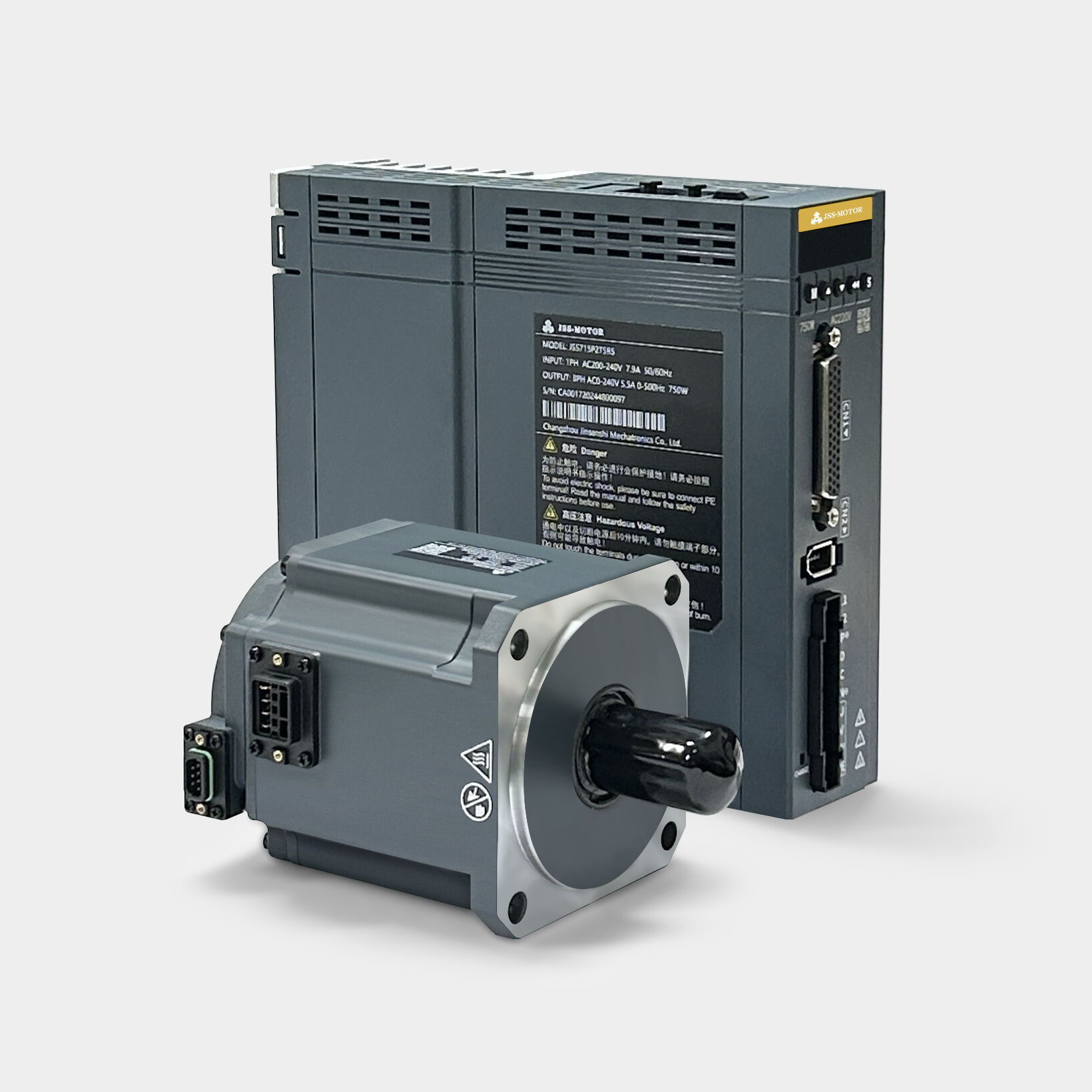
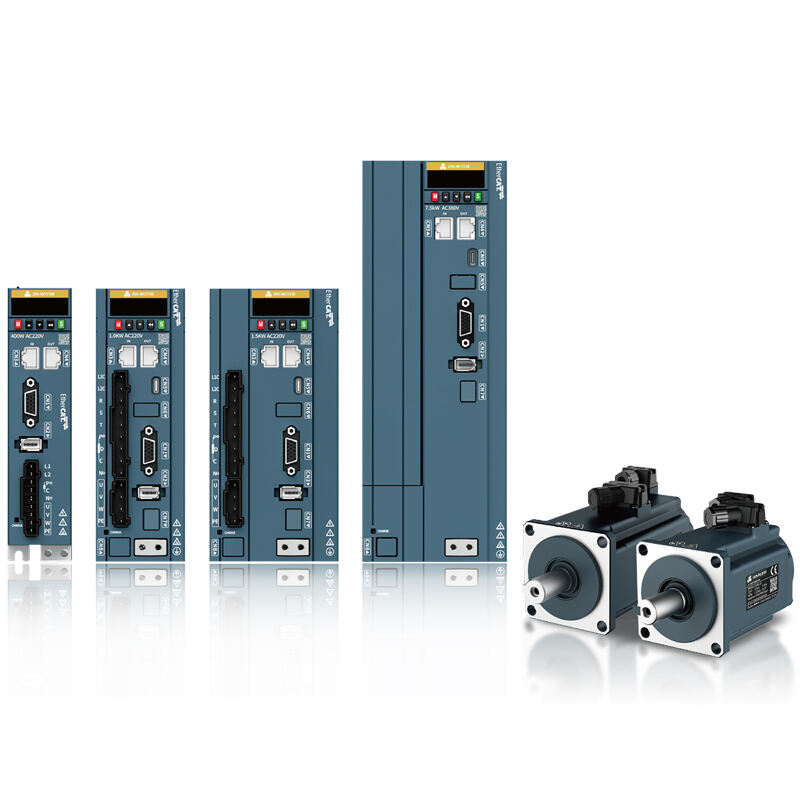
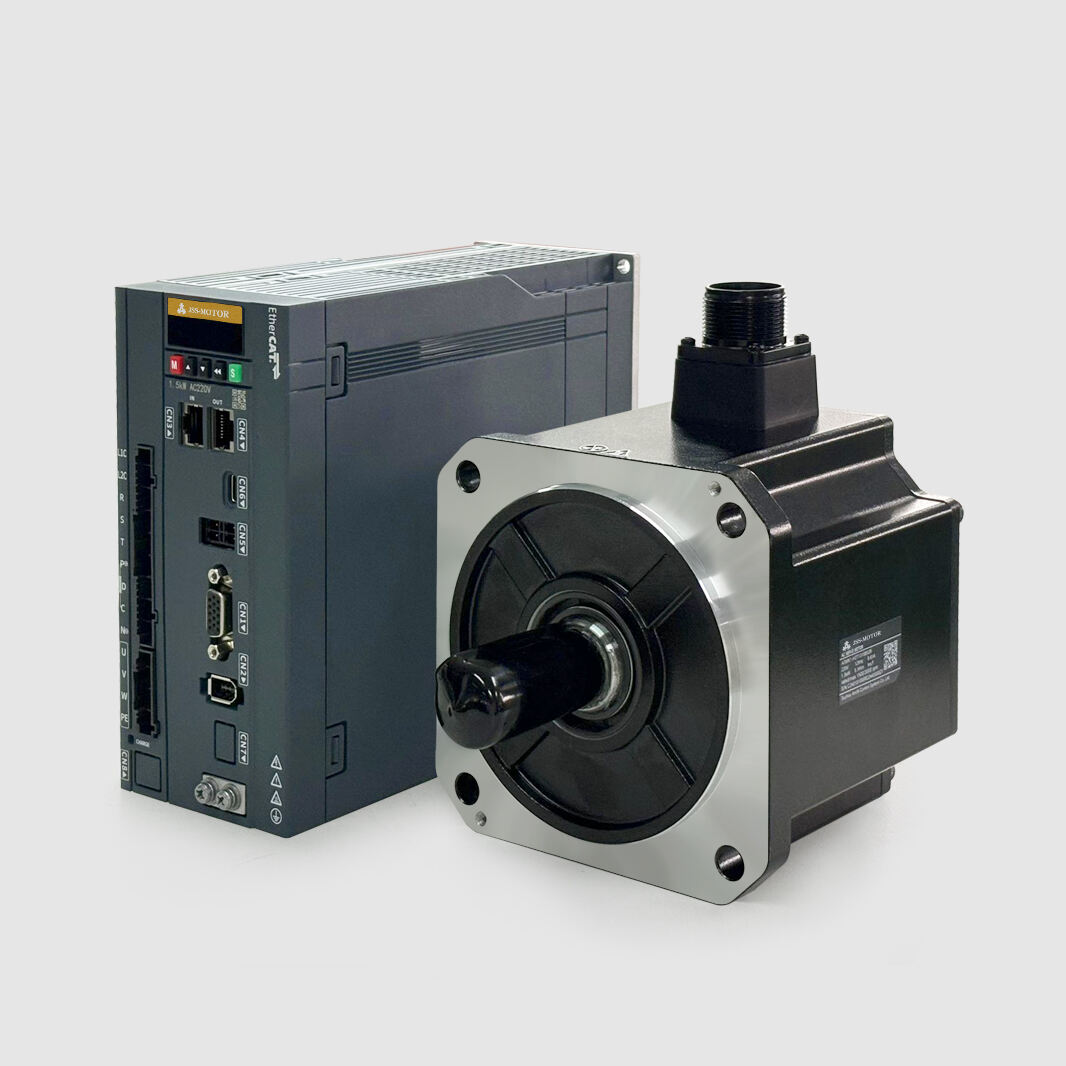
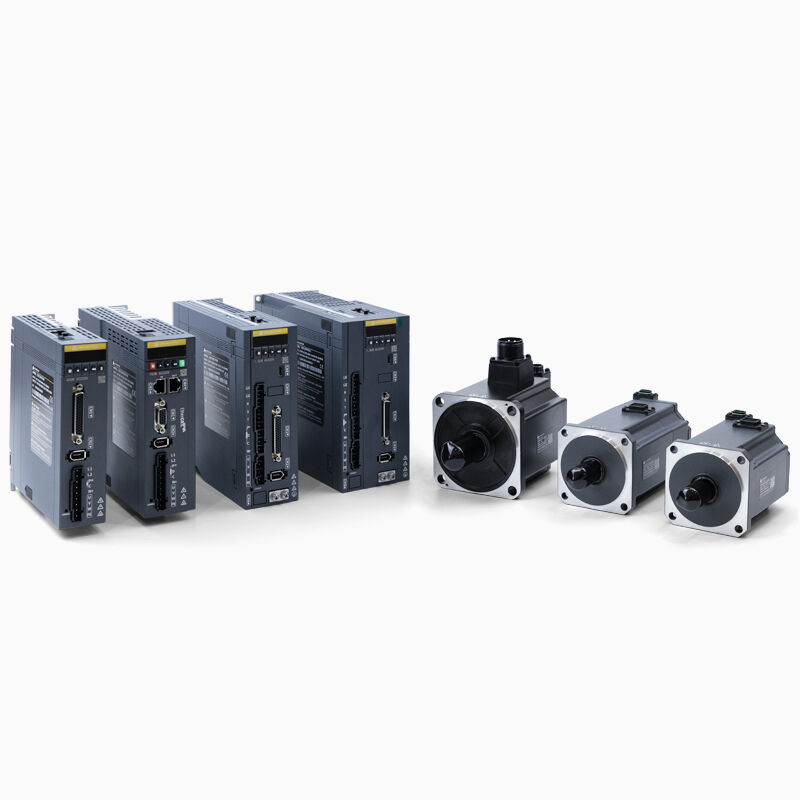
Servo drives and servo motors form an integrated motion control system that delivers exceptional precision and reliability across industrial automation applications. A servo drive functions as the intelligent controller that processes command signals and manages power delivery to the servo motor, while the servo motor converts electrical energy into precise mechanical motion. This sophisticated partnership creates a feedback control loop that continuously monitors position, velocity, and torque to ensure accurate performance. The servo drive receives input commands from programmable logic controllers or motion controllers, then amplifies these signals to drive the servo motor with exact specifications. Advanced servo drives incorporate digital signal processing technology that enables real-time adjustments and optimizations during operation. The servo motor typically features permanent magnet construction with high-resolution encoders that provide detailed position feedback to the drive system. This combination allows for exceptional positioning accuracy, often within micrometers, making servo systems ideal for applications requiring precise control. Modern servo drives support multiple communication protocols including EtherCAT, Profibus, and CANopen, enabling seamless integration with existing automation networks. The technology excels in applications demanding rapid acceleration, deceleration, and directional changes while maintaining consistent performance. Servo systems find extensive use in manufacturing equipment, robotics, packaging machinery, material handling systems, and precision cutting tools. The versatility of servo drive and servo motor combinations allows customization for specific torque, speed, and positioning requirements. Energy efficiency represents another key characteristic, as servo systems only consume power proportional to the load requirements. This intelligent power management reduces operating costs and heat generation compared to traditional motor systems. The robust design of both servo drives and servo motors ensures reliable operation in demanding industrial environments with features like overload protection and fault diagnostics that minimize downtime and maintenance requirements.
New Product Recommendations

Servo drives and servo motors offer numerous practical benefits that directly impact operational efficiency and cost-effectiveness for businesses across various industries. The primary advantage lies in their exceptional positioning accuracy, which eliminates waste and reduces production errors significantly. Companies using servo systems report up to 95 percent reduction in positioning errors compared to traditional motor systems, leading to higher quality products and fewer rejected parts. This precision translates into immediate cost savings through reduced material waste and rework requirements. The responsive nature of servo drive and servo motor combinations enables rapid cycle times, increasing overall production throughput by 20 to 40 percent in typical applications. The system responds instantly to command changes, allowing for complex motion profiles and synchronized multi-axis operations that would be impossible with conventional motor technologies. Energy efficiency provides another compelling advantage, as servo systems consume power only when needed and operate at optimal efficiency points throughout their speed range. This intelligent power management results in energy savings of 15 to 30 percent compared to traditional motor drives, directly reducing operational costs and supporting sustainability goals. The built-in diagnostic capabilities of modern servo drives provide real-time monitoring and predictive maintenance alerts, helping prevent unexpected failures and reducing maintenance costs by up to 25 percent. Servo systems require minimal mechanical maintenance due to their precise control and reduced mechanical stress on components. The flexibility of servo drive and servo motor systems allows easy reprogramming for different products or processes without hardware changes, reducing changeover times from hours to minutes. This adaptability proves especially valuable in industries with frequent product changes or custom manufacturing requirements. The quiet operation of servo systems creates better working environments and enables installation in noise-sensitive areas. Additionally, the compact design of servo drives and servo motors saves valuable floor space while delivering superior performance. The long service life of servo systems, typically 10 to 15 years with proper maintenance, provides excellent return on investment through reduced replacement costs and extended production capability.

Tips And Tricks

Can a stepper driver run on 24 V without extra heat sinking?

26

Sep

Can a stepper driver run on 24 V without extra heat sinking?

Understanding Stepper Driver Voltage Requirements and Thermal Management Stepper drivers are essential components in motion control systems, and their voltage capabilities significantly impact performance. When considering whether a stepper driver ca...
View More
2025 Guide: How AC Servo Motors Transform Industrial Automation

20

Oct

2025 Guide: How AC Servo Motors Transform Industrial Automation

The Evolution of Industrial Motion Control Technology Industrial automation has witnessed a remarkable transformation over the past decades, with ac servo motors emerging as the cornerstone of precise motion control. These sophisticated devices have ...
View More
2025 Guide: How to Choose the Right Servo Motor

27

Nov

2025 Guide: How to Choose the Right Servo Motor

The selection of the right servo motor stands as a critical decision in modern automation and machinery applications. As we move into 2025, the complexity and capabilities of these precision devices continue to evolve, making it essential for enginee...
View More
Servo Motor vs Stepper Motor: Key Differences Explained

27

Nov

Servo Motor vs Stepper Motor: Key Differences Explained

In the world of industrial automation and precision motion control, understanding the distinction between servo motors and stepper motors is crucial for engineers and system designers. A servo motor represents the pinnacle of precise motion control, ...
View More

Get a Free Quote

Our representative will contact you soon.
Email
Name
Company Name
WhatsApp
Mobile
Message
0/1000

servo drive and servo motor

Precision Control Technology That Transforms Manufacturing Accuracy

Precision Control Technology That Transforms Manufacturing Accuracy

The precision control technology inherent in servo drive and servo motor systems revolutionizes manufacturing accuracy by delivering positioning precision that exceeds conventional motor systems by several orders of magnitude. This remarkable accuracy stems from the closed-loop feedback system that continuously monitors and adjusts motor position, velocity, and torque in real-time. The servo drive processes encoder feedback signals thousands of times per second, making instantaneous corrections to maintain exact positioning within tolerances as tight as 0.001 degrees or micrometers. This level of precision eliminates the cumulative errors that plague open-loop systems, ensuring consistent quality throughout extended production runs. Manufacturing operations benefit tremendously from this precision through reduced scrap rates, improved product quality, and enhanced customer satisfaction. In semiconductor manufacturing, for example, servo systems enable the precise positioning required for chip placement and wire bonding operations where even microscopic deviations can result in product failure. Similarly, in medical device manufacturing, the exceptional accuracy of servo drive and servo motor combinations ensures that critical components meet stringent regulatory requirements and safety standards. The precision control extends beyond simple positioning to include complex motion profiles with smooth acceleration and deceleration curves that prevent mechanical stress and vibration. This controlled motion capability proves essential in applications such as pick-and-place operations, where delicate components require gentle handling while maintaining high-speed operation. The servo system automatically compensates for load variations, temperature changes, and mechanical wear, maintaining consistent precision throughout the equipment lifecycle. Advanced servo drives incorporate learning algorithms that optimize performance based on operating conditions, further enhancing accuracy over time. This intelligent adaptation capability means that servo systems actually improve their performance as they accumulate operational experience, unlike traditional systems that typically degrade over time. The precision control technology also enables synchronization of multiple axes with microsecond timing accuracy, facilitating complex coordinated motions in multi-axis systems such as robotic arms and CNC machining centers.
Energy Efficiency Innovation That Reduces Operating Costs Dramatically

Energy Efficiency Innovation That Reduces Operating Costs Dramatically

The energy efficiency innovation embedded in servo drive and servo motor technology represents a paradigm shift in industrial power consumption, delivering substantial cost reductions and environmental benefits that far exceed traditional motor systems. Unlike conventional motors that operate at fixed speeds regardless of load requirements, servo systems intelligently modulate power consumption to match actual demand, resulting in energy savings that typically range from 20 to 50 percent depending on the application. This remarkable efficiency stems from advanced power electronics within the servo drive that employ sophisticated switching techniques and regenerative braking capabilities. When the servo motor decelerates or operates in generator mode, the servo drive captures kinetic energy and feeds it back to the power supply, further reducing overall energy consumption. This regenerative capability proves particularly beneficial in applications with frequent acceleration and deceleration cycles, such as material handling and packaging equipment. The variable frequency drive technology integrated into servo systems ensures optimal motor operation across the entire speed range, maintaining high efficiency even at partial loads where traditional motors experience significant efficiency degradation. Modern servo drives incorporate power factor correction and harmonic filtering technologies that not only reduce energy consumption but also improve power quality throughout the facility. This improved power quality reduces stress on electrical infrastructure and can lower utility demand charges, providing additional cost savings beyond direct energy reduction. The intelligent power management extends to standby modes, where servo systems consume minimal power when not actively operating, unlike traditional systems that maintain constant power draw. Facilities implementing servo drive and servo motor technology often qualify for utility rebates and energy efficiency incentives, providing immediate financial benefits that improve project return on investment. The reduced energy consumption also translates to lower heat generation, reducing air conditioning requirements in manufacturing facilities and further contributing to overall energy savings. Environmental benefits include reduced carbon footprint and support for corporate sustainability initiatives, increasingly important factors in today's environmentally conscious business environment. The energy monitoring capabilities built into modern servo drives provide detailed consumption data that enables facility managers to optimize operations and identify additional energy-saving opportunities throughout their operations.
Maintenance Simplicity That Maximizes Equipment Uptime and Reliability

Maintenance Simplicity That Maximizes Equipment Uptime and Reliability

The maintenance simplicity inherent in servo drive and servo motor systems fundamentally transforms equipment reliability and uptime by eliminating many of the mechanical wear points and maintenance requirements associated with traditional motor systems. This simplified maintenance approach stems from the precision control capabilities that reduce mechanical stress on all system components, extending component life and reducing wear-related failures. The servo drive continuously monitors system parameters including temperature, current, voltage, and vibration, providing early warning indicators of potential issues before they develop into costly failures. This predictive maintenance capability allows maintenance teams to schedule repairs during planned downtime rather than responding to unexpected breakdowns that disrupt production schedules. The brushless design of servo motors eliminates the most common maintenance requirement found in traditional DC motors, namely brush replacement, which typically requires monthly or quarterly attention. Instead, servo motors can operate for years without requiring any scheduled maintenance beyond periodic cleaning and connection inspection. The integrated diagnostic capabilities of servo drive systems provide detailed fault codes and troubleshooting information that significantly reduces diagnostic time when issues do occur. Maintenance technicians can quickly identify problems and determine appropriate corrective actions without extensive troubleshooting procedures. Many servo drives feature removable memory modules that store system parameters and configurations, enabling rapid replacement and system restoration in the event of drive failure. This capability minimizes downtime to minutes rather than hours or days required for system reconfiguration. The modular design of servo systems allows individual component replacement without disturbing other system elements, facilitating rapid repairs and reducing maintenance labor requirements. Remote monitoring capabilities enable off-site diagnostic support and system optimization, allowing expert technical support without requiring on-site visits. The robust construction of servo drive and servo motor components provides exceptional durability in harsh industrial environments, with typical service lives exceeding 100,000 operating hours under normal conditions. This longevity reduces replacement costs and provides predictable maintenance budgets for facility managers. The self-tuning capabilities of modern servo drives automatically optimize performance parameters as operating conditions change, maintaining peak performance without manual intervention. This automatic optimization extends component life by preventing operation outside optimal parameters that could accelerate wear or cause premature failure.
+86-13401517369
[email protected]

Get a Free Quote

Our representative will contact you soon.
Email
Name
Company Name
WhatsApp
Mobile
Message
0/1000

Copyright © 2026 Changzhou Jinsanshi Mechatronics Co., Ltd. All rights reserved.  -  Privacy policy