ethernet servo controller
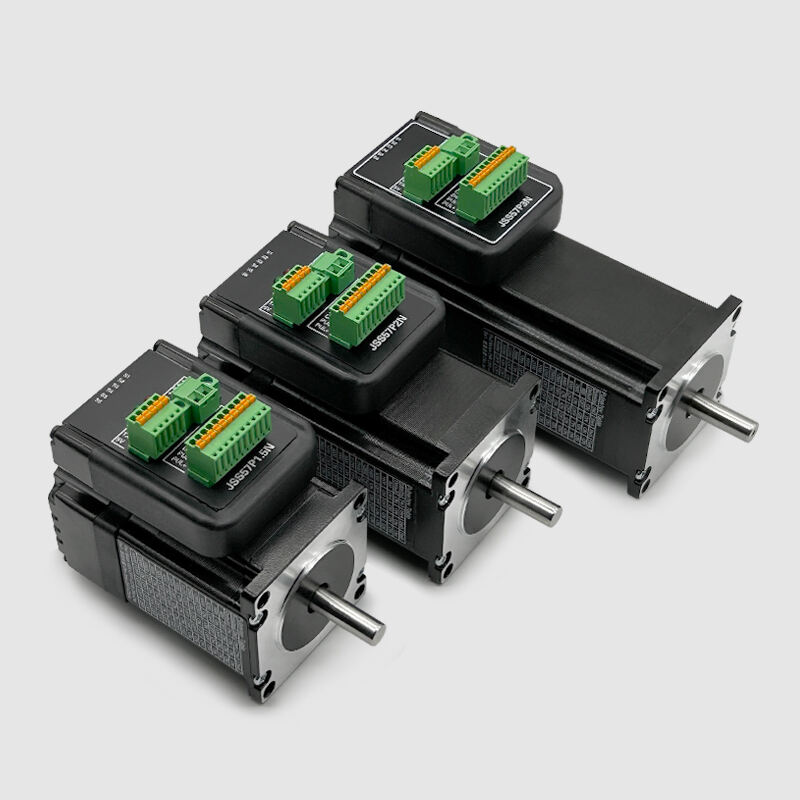
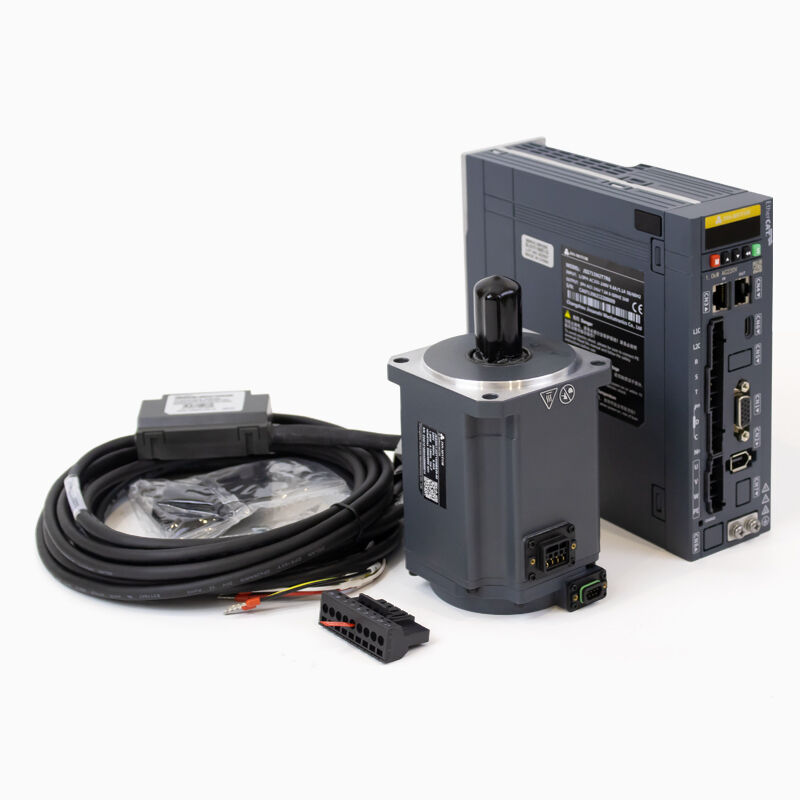
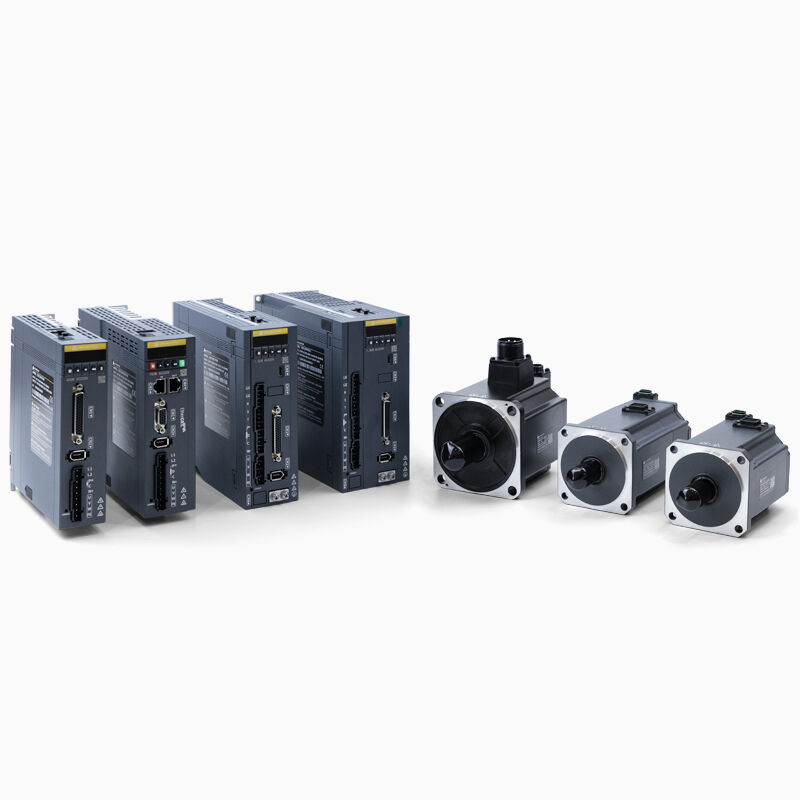
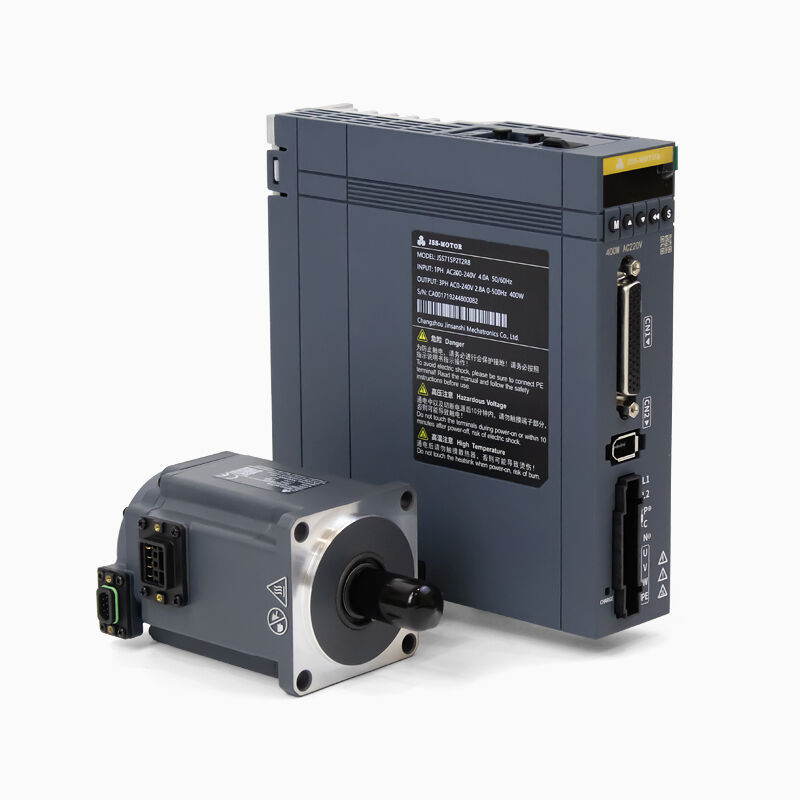
An ethernet servo controller represents a sophisticated motion control device that integrates advanced ethernet communication protocols with precise servo motor management capabilities. This cutting-edge technology serves as the central hub for industrial automation systems, enabling seamless communication between control systems and servo motors through standard ethernet networks. The ethernet servo controller eliminates the need for traditional analog control methods by providing digital precision and network-based command transmission. Modern manufacturing environments demand reliable, high-speed communication systems that can handle complex motion profiles while maintaining exceptional accuracy. The ethernet servo controller meets these requirements by offering real-time data exchange, position feedback, and velocity control through ethernet connectivity. These controllers support multiple communication protocols including EtherCAT, Ethernet/IP, and PROFINET, making them compatible with diverse industrial networks. The device typically features multiple axis control capabilities, allowing operators to manage several servo motors simultaneously from a single control unit. Built-in safety functions ensure operational security while diagnostic capabilities provide comprehensive system monitoring. The ethernet servo controller incorporates advanced algorithms for smooth motion interpolation, reducing mechanical stress and improving overall system performance. Temperature monitoring, overcurrent protection, and encoder feedback processing are standard features that enhance reliability. The compact design of modern ethernet servo controllers enables easy integration into existing control panels without requiring extensive modifications. Programming flexibility allows customization of motion profiles, acceleration curves, and positioning parameters to match specific application requirements. The ethernet servo controller delivers consistent performance across various industrial sectors including packaging, robotics, CNC machining, and automated assembly lines. Energy efficiency features help reduce operational costs while maintaining peak performance levels.