Competitive Servo Drive Price Solutions: Advanced Motion Control Technology for Industrial Automation

Get a Free Quote

Our representative will contact you soon.
Email
Name
Company Name
WhatsApp
Mobile
Message
0/1000

servo drive price

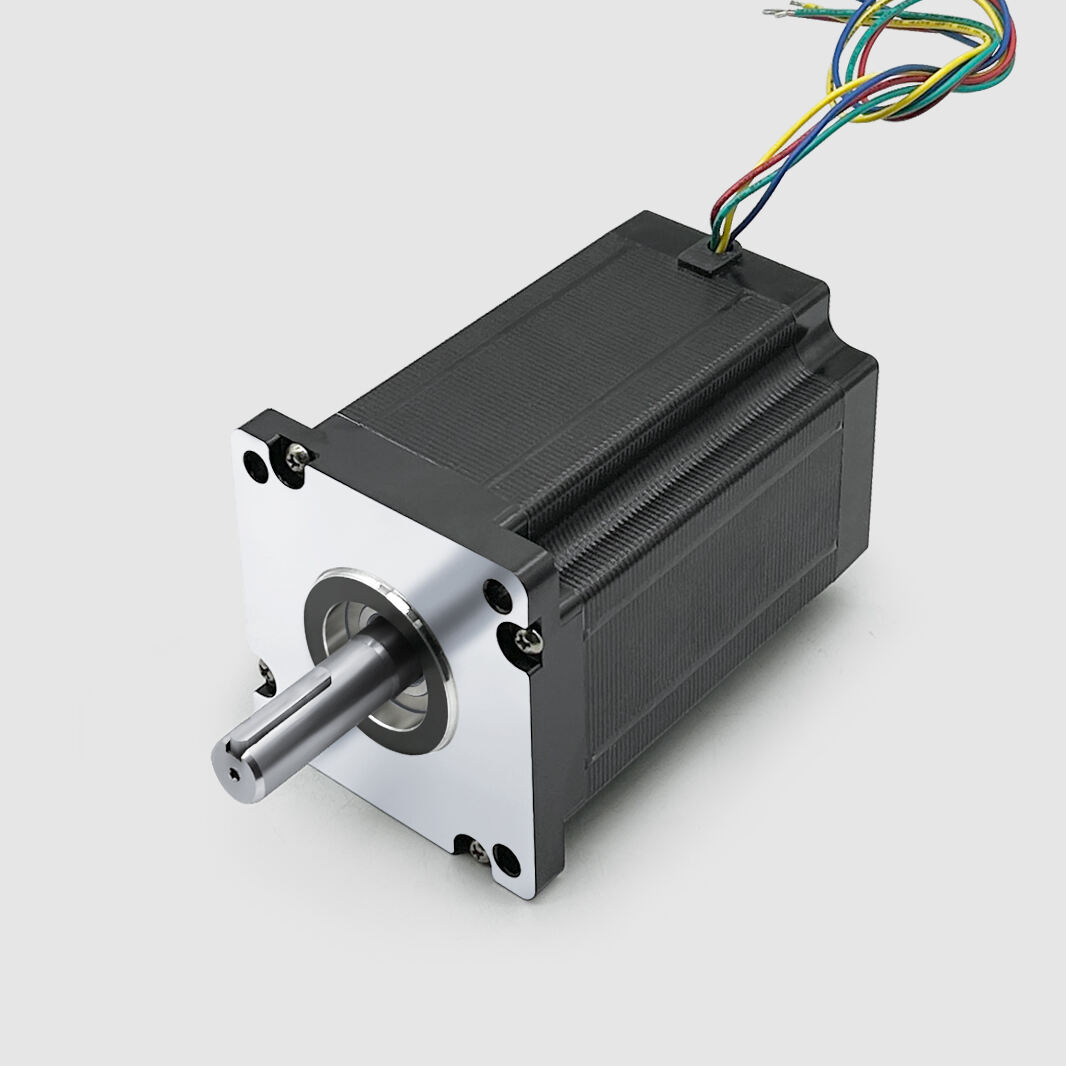
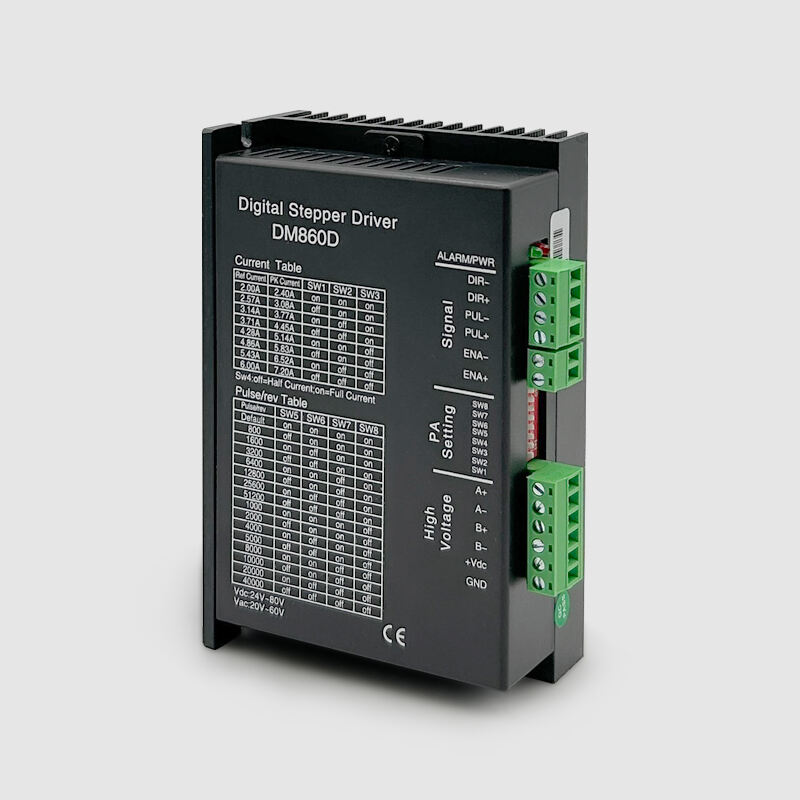
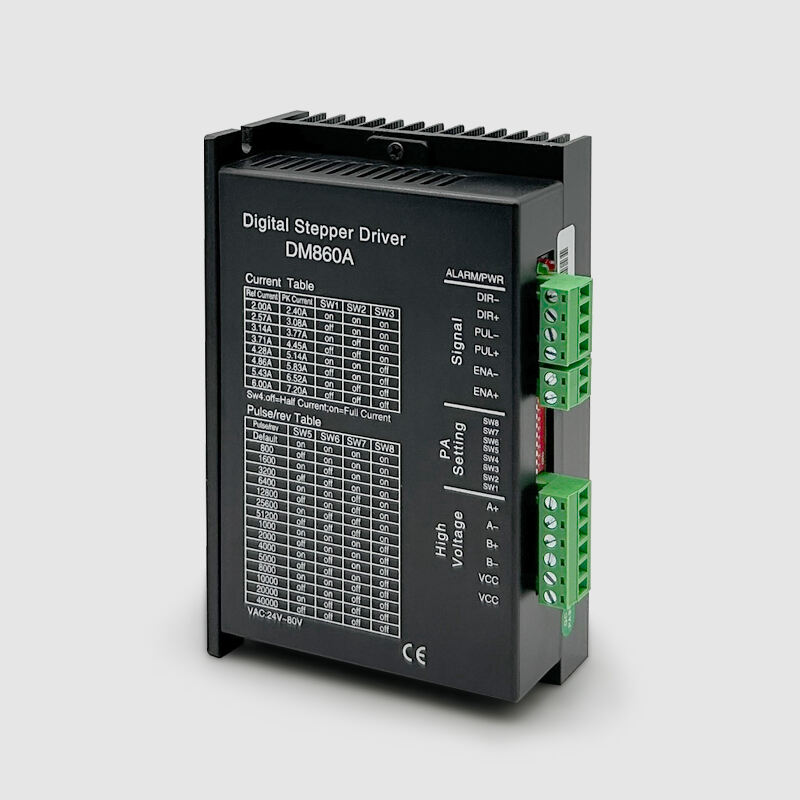
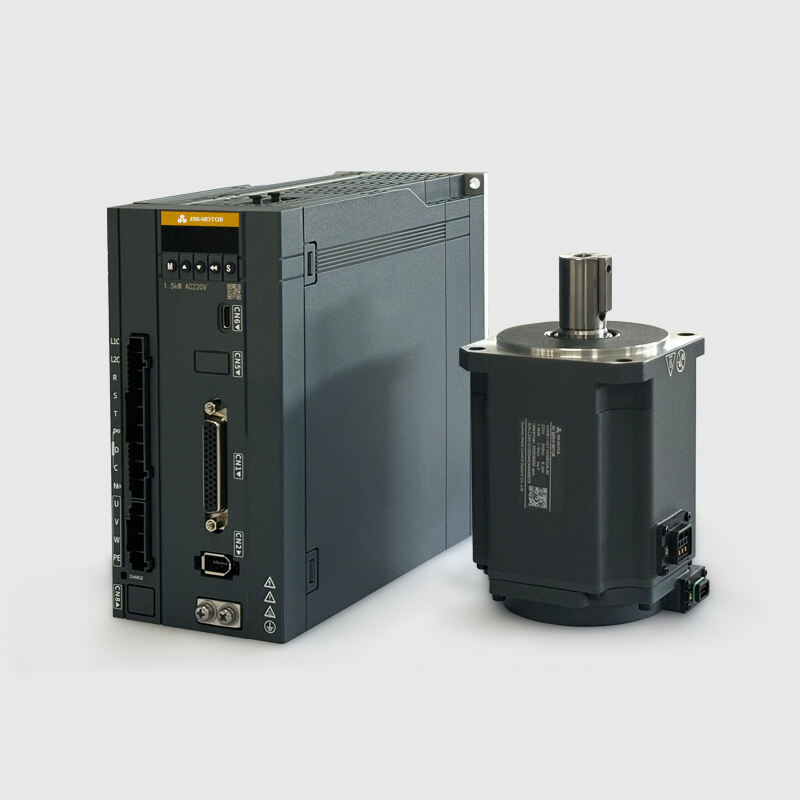
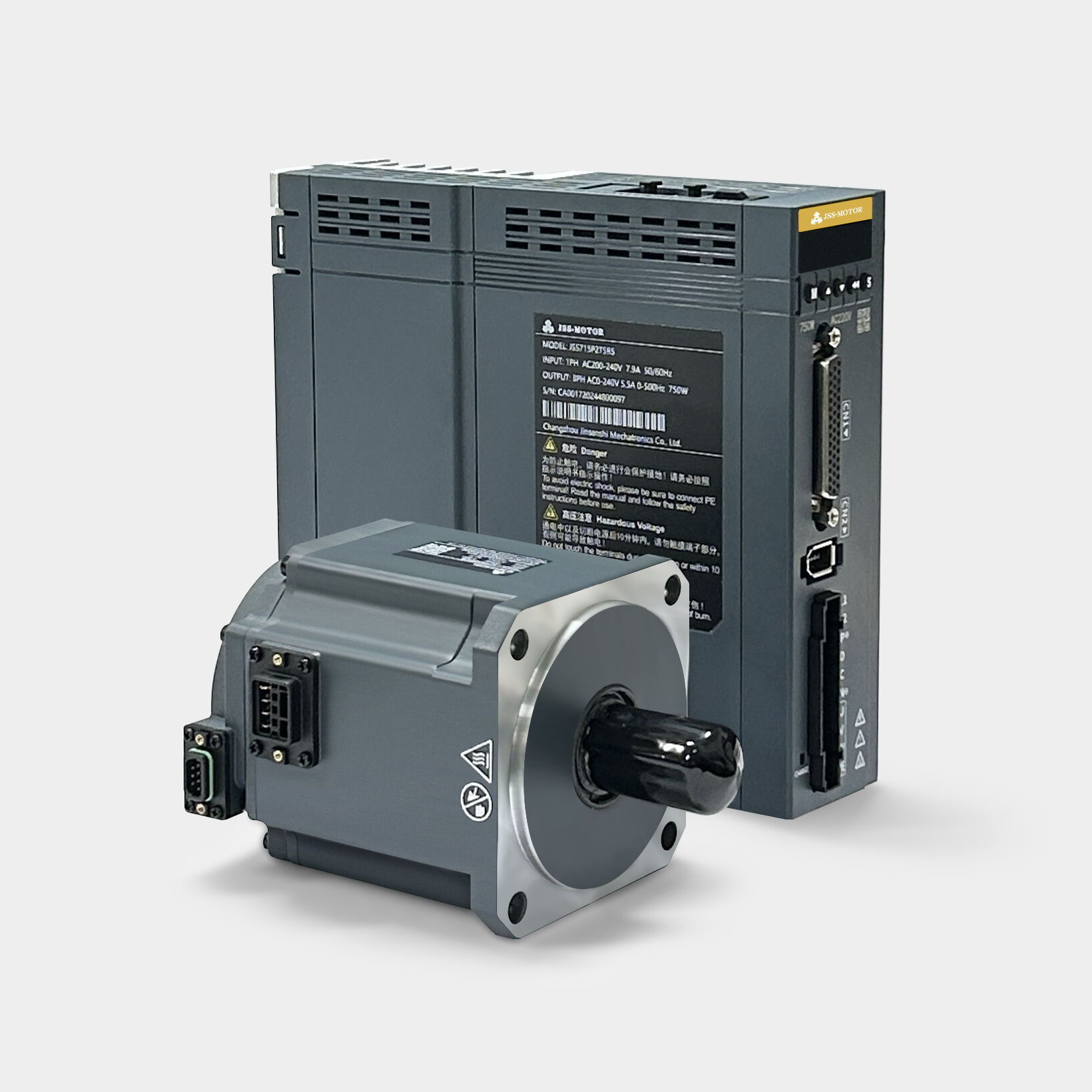
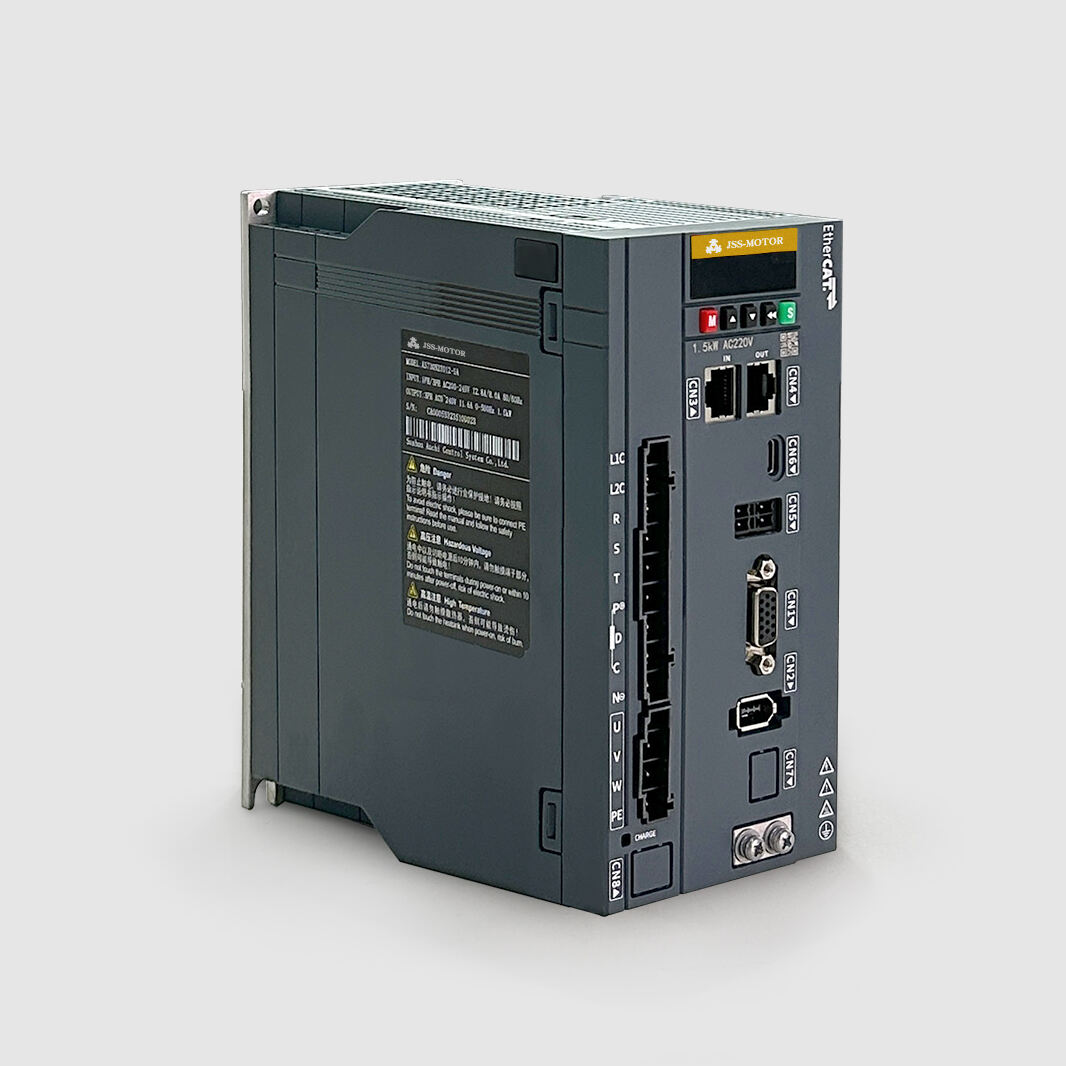
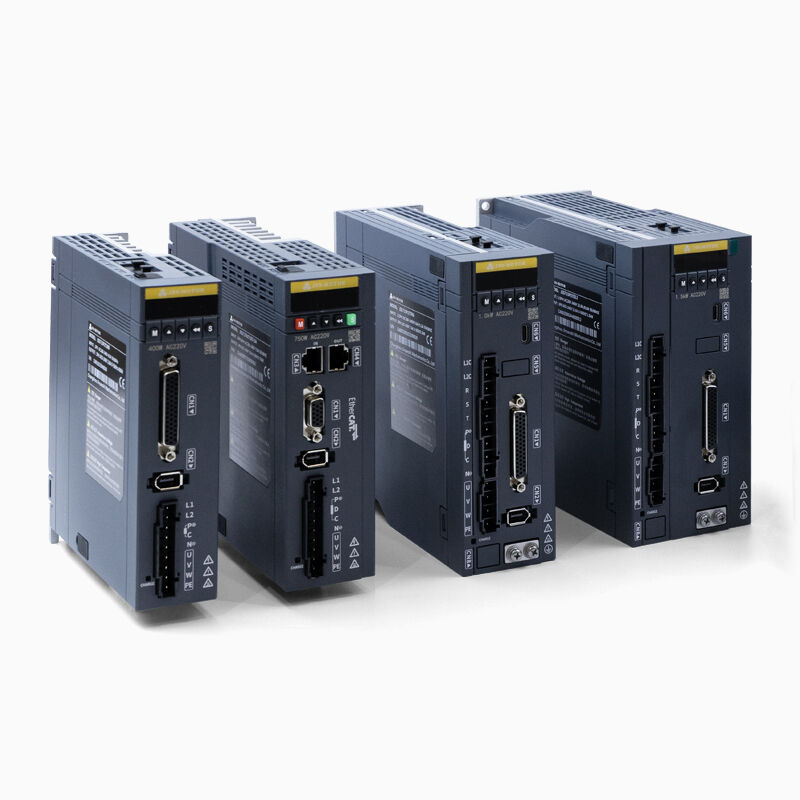
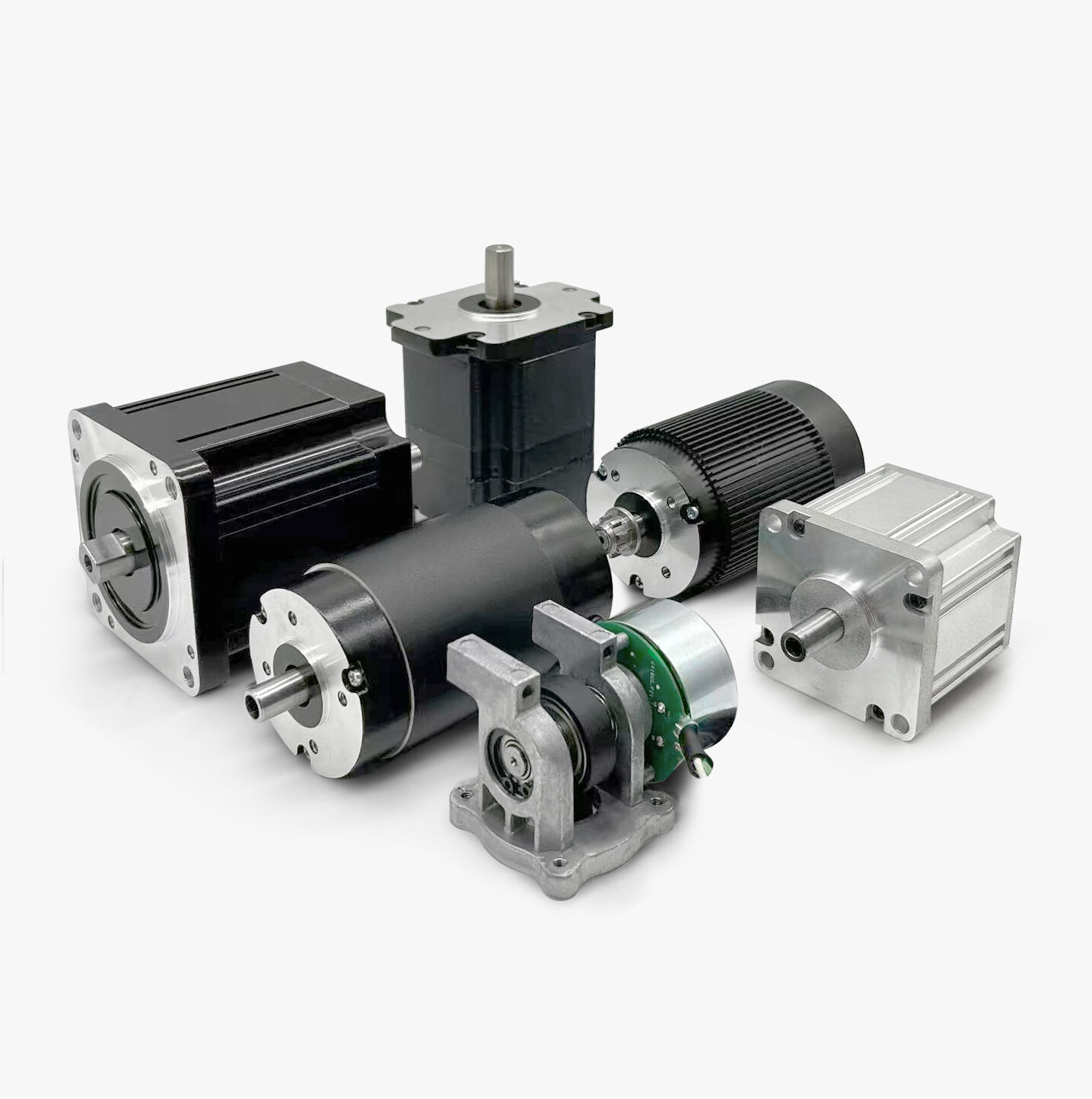
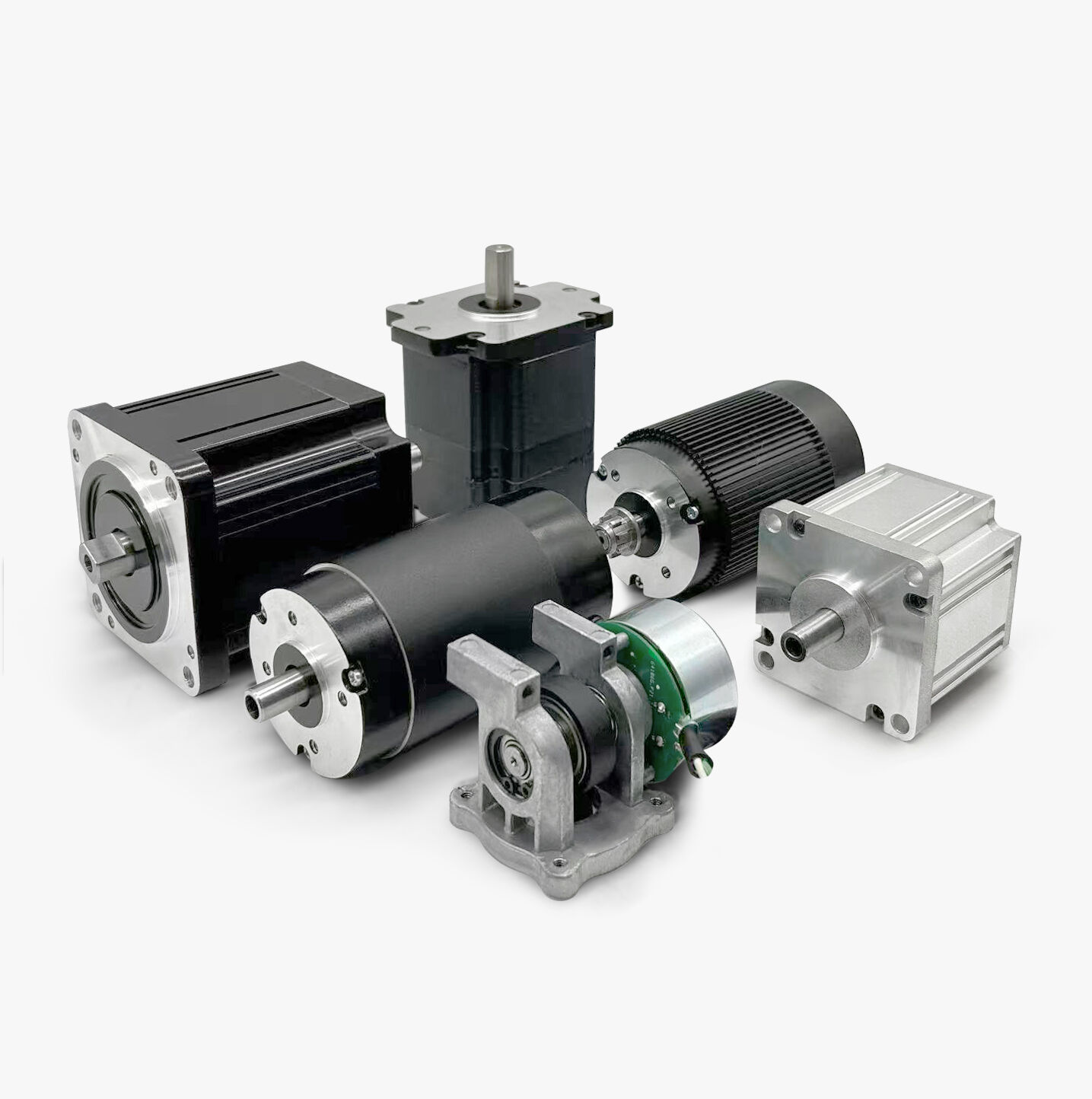
Understanding servo drive price requires examining the comprehensive value proposition these advanced motion control systems deliver across industrial automation applications. Servo drives represent sophisticated electronic devices that precisely control servo motors by regulating position, velocity, and torque with exceptional accuracy. The servo drive price reflects the integration of cutting-edge technology, including high-performance processors, advanced algorithms, and robust hardware components designed for demanding industrial environments. These systems utilize closed-loop feedback mechanisms through encoders or resolvers to maintain precise control over motor operations, ensuring consistent performance even under varying load conditions. The technological features embedded within modern servo drives include digital signal processing capabilities, multiple communication protocols such as EtherCAT, Profinet, and Modbus, along with advanced safety functions that comply with international standards. Servo drive price considerations encompass various models ranging from basic positioning applications to complex multi-axis coordination systems. The applications span across manufacturing sectors including packaging machinery, CNC machine tools, robotics, textile equipment, printing systems, and automated assembly lines. Each application demands specific performance characteristics that influence the overall servo drive price structure. Modern servo drives incorporate regenerative braking capabilities, allowing energy recovery during deceleration phases, which contributes to operational cost savings over time. The price variation depends on factors such as power rating, communication interfaces, safety certifications, environmental ratings, and specialized features like built-in motion controllers or integrated safety functions. Higher-end servo drives feature advanced tuning capabilities, predictive maintenance diagnostics, and enhanced connectivity options that justify their premium servo drive price positioning. The market offers solutions ranging from compact single-axis drives for simple applications to sophisticated multi-axis systems capable of coordinating complex motion sequences. Understanding servo drive price dynamics helps engineers and procurement specialists make informed decisions based on specific application requirements and long-term operational considerations.

New Products

The servo drive price advantage becomes evident when evaluating the comprehensive benefits these systems deliver to industrial operations. Cost-effectiveness emerges as a primary advantage, as competitive servo drive price points enable businesses to implement advanced motion control without excessive capital investment. These drives reduce operational expenses through improved energy efficiency, with many models achieving efficiency ratings exceeding ninety-five percent, directly translating to lower electricity costs. The servo drive price justification strengthens when considering maintenance cost reductions, as modern drives feature self-diagnostic capabilities that predict potential failures before they occur, minimizing unexpected downtime and repair expenses. Productivity gains represent another significant advantage, as precise motion control capabilities increase throughput while maintaining consistent quality standards. The versatility offered at current servo drive price levels allows single drive platforms to handle multiple application types, reducing inventory requirements and simplification of spare parts management. Installation simplicity reduces labor costs, with many drives featuring plug-and-play connectivity and intuitive configuration software that accelerates commissioning processes. The servo drive price competitiveness extends to retrofitting older equipment, providing cost-effective modernization paths without complete system replacement. Reliability improvements deliver substantial long-term value, with modern servo drives operating continuously for years without major maintenance interventions. The favorable servo drive price structure supports scalability, allowing manufacturers to expand automation gradually without prohibitive upfront investments. Energy regeneration capabilities built into contemporary drives provide additional cost savings by returning energy to the power grid during braking operations. The servo drive price advantage includes comprehensive communication capabilities that facilitate integration with existing factory networks, eliminating costly interface equipment. Noise reduction features minimize acoustic pollution in manufacturing environments, improving working conditions without additional investments. The price competitiveness of servo drives extends to their compact designs, which save valuable panel space and reduce installation costs. Advanced protection features prevent damage from power fluctuations, mechanical overloads, and environmental factors, protecting the investment over extended operational periods. The servo drive price value proposition includes extensive parameter customization options that optimize performance for specific applications without requiring expensive specialized variants.

Latest News

Why monitor voltage ripple when selecting a stepper driver for 3D printers?

26

Sep

Why monitor voltage ripple when selecting a stepper driver for 3D printers?

Understanding Voltage Ripple Impact on 3D Printer Performance The success of any 3D printing project heavily depends on the precision and reliability of the printer's motion control system. At the heart of this system lies the stepper motor driver, w...
View More
AC Servo Motor Selection: Key Factors for Optimal Performance

20

Oct

AC Servo Motor Selection: Key Factors for Optimal Performance

Understanding the Fundamentals of Modern Motion Control Systems In the evolving landscape of industrial automation, ac servo motors have emerged as the cornerstone of precise motion control. These sophisticated devices combine advanced electromagneti...
View More
AC Servo Motor vs. Stepper Motor: Which to Choose?

20

Oct

AC Servo Motor vs. Stepper Motor: Which to Choose?

Understanding Motion Control System Fundamentals In the world of precision motion control and automation, choosing the right motor technology can make or break your application's success. The debate between ac servo motors and stepper motors continue...
View More
Servo Drive Basics: A Complete Beginner's Guide

27

Nov

Servo Drive Basics: A Complete Beginner's Guide

Understanding servo drives is essential for anyone working in industrial automation, robotics, or precision manufacturing. A servo drive acts as the brain behind precise motion control, converting electrical signals into mechanical movements with exc...
View More

Get a Free Quote

Our representative will contact you soon.
Email
Name
Company Name
WhatsApp
Mobile
Message
0/1000

servo drive price

Superior Cost-Performance Ratio in Modern Manufacturing

Superior Cost-Performance Ratio in Modern Manufacturing

The exceptional cost-performance ratio achieved by contemporary servo drives establishes them as indispensable components in competitive manufacturing environments. The servo drive price optimization has reached unprecedented levels, delivering advanced motion control capabilities previously available only in premium systems. This democratization of high-performance technology enables small and medium enterprises to implement sophisticated automation solutions without compromising their operational budgets. The price-performance equilibrium reflects significant technological advancements in semiconductor design, manufacturing processes, and software development that collectively reduce production costs while enhancing functionality. Modern servo drives integrate multiple control functions within single packages, eliminating the need for separate positioning controllers, amplifiers, and interface modules that historically increased system complexity and costs. The servo drive price advantage becomes particularly pronounced when evaluating total cost of ownership, including installation, commissioning, maintenance, and energy consumption over the equipment lifecycle. These drives feature standardized mounting dimensions, simplified wiring requirements, and universal communication protocols that reduce installation time and associated labor costs. The software tools accompanying modern servo drives provide intuitive configuration interfaces that minimize engineering time during system setup and optimization. Energy efficiency improvements deliver ongoing operational cost reductions, with regenerative capabilities recovering energy during deceleration cycles and returning it to the power supply. The servo drive price competitiveness extends to their diagnostic capabilities, which provide real-time monitoring of system health parameters, enabling predictive maintenance strategies that prevent costly unexpected failures. Advanced thermal management systems ensure consistent performance across wide temperature ranges, reducing the need for expensive environmental control systems. The integration of safety functions directly within servo drives eliminates separate safety components, further improving the overall cost-performance proposition. Quality manufacturing processes ensure extended operational life, minimizing replacement costs and maximizing return on investment. The servo drive price structure accommodates various performance tiers, allowing users to select optimal configurations that match specific application requirements without paying for unnecessary capabilities.
Technological Innovation Driving Market Accessibility

Technological Innovation Driving Market Accessibility

Technological innovation has fundamentally transformed servo drive accessibility, making advanced motion control solutions available across diverse market segments at competitive price points. The servo drive price reduction trajectory reflects continuous improvements in semiconductor technology, digital signal processing capabilities, and manufacturing efficiency that collectively lower production costs while enhancing performance characteristics. Modern servo drives incorporate powerful microprocessors and field-programmable gate arrays that enable sophisticated control algorithms previously requiring expensive dedicated hardware. The integration of multiple communication protocols within standard drive configurations eliminates the need for costly interface modules, improving system integration while reducing overall servo drive price requirements. Advanced manufacturing techniques, including surface-mount technology and automated assembly processes, have streamlined production workflows and reduced manufacturing costs, benefits that transfer directly to end-user pricing. The servo drive price accessibility has expanded through modular design approaches that allow manufacturers to offer scalable solutions ranging from basic positioning drives to complex multi-axis motion controllers within unified product families. Standardization of mechanical interfaces, electrical connections, and software tools across drive ranges reduces development costs and enables economies of scale that support competitive pricing strategies. The technological advancement in power semiconductor devices has improved efficiency ratings while reducing heat generation, minimizing cooling requirements and associated costs. Embedded safety functions, including safe torque off, safely limited speed, and safe operating stop, eliminate the need for external safety components, improving the overall servo drive price proposition. Software-based tuning capabilities reduce commissioning time and eliminate the need for specialized test equipment, further enhancing cost-effectiveness. The incorporation of condition monitoring features provides predictive maintenance capabilities that extend equipment life and reduce operational costs. Cloud connectivity options enable remote monitoring and diagnostics, reducing service costs and improving system availability. The servo drive price competitiveness benefits from open-source software tools and standardized development platforms that reduce engineering costs and accelerate time-to-market for new applications. Continuous firmware updates extend product lifecycles and add new functionality without hardware changes, maximizing investment value over extended operational periods.
Comprehensive Value Ecosystem Beyond Initial Investment

Comprehensive Value Ecosystem Beyond Initial Investment

The comprehensive value ecosystem surrounding servo drives extends far beyond initial purchase considerations, encompassing operational efficiency, maintenance optimization, and long-term strategic advantages that justify servo drive price investments. This holistic value proposition recognizes that initial servo drive price represents only a fraction of total ownership costs, with operational benefits providing substantial returns throughout the equipment lifecycle. Energy efficiency improvements delivered by modern servo drives generate continuous cost savings through reduced power consumption, with high-efficiency ratings translating directly to lower utility expenses in energy-intensive applications. The regenerative capabilities built into contemporary drives capture energy during braking operations and return it to the power grid, creating additional cost savings that accumulate over time. Predictive maintenance features embedded within advanced servo drives monitor critical parameters including temperature, vibration, current consumption, and positioning accuracy to identify potential issues before they cause system failures. This proactive approach minimizes unplanned downtime costs that often exceed initial servo drive price by significant margins. The diagnostic capabilities provide detailed system health reports that enable maintenance teams to optimize service intervals and reduce unnecessary interventions. Integration capabilities facilitate seamless connectivity with existing automation infrastructure, eliminating costly system redesign requirements and preserving investments in complementary equipment. The servo drive price value extends through improved product quality achieved by precise motion control, reducing waste, rework costs, and customer complaints. Flexibility features enable single drive platforms to support multiple machine configurations, reducing inventory requirements and simplifying maintenance procedures. Training costs decrease through intuitive user interfaces and comprehensive documentation that accelerate operator proficiency development. The scalability offered by modular servo drive architectures supports business growth without requiring complete system replacement, protecting long-term investment strategies. Remote monitoring capabilities reduce service costs by enabling diagnostic procedures without on-site visits, particularly valuable for geographically distributed operations. The servo drive price advantage includes compliance with international safety and environmental standards, eliminating costly retrofitting requirements and ensuring regulatory compliance. Software update capabilities extend product lifecycles and add new functionality without hardware modifications, maximizing value retention over extended operational periods.
+86-13401517369
[email protected]

Get a Free Quote

Our representative will contact you soon.
Email
Name
Company Name
WhatsApp
Mobile
Message
0/1000

Copyright © 2026 Changzhou Jinsanshi Mechatronics Co., Ltd. All rights reserved.  -  Privacy policy