industrial servo drives
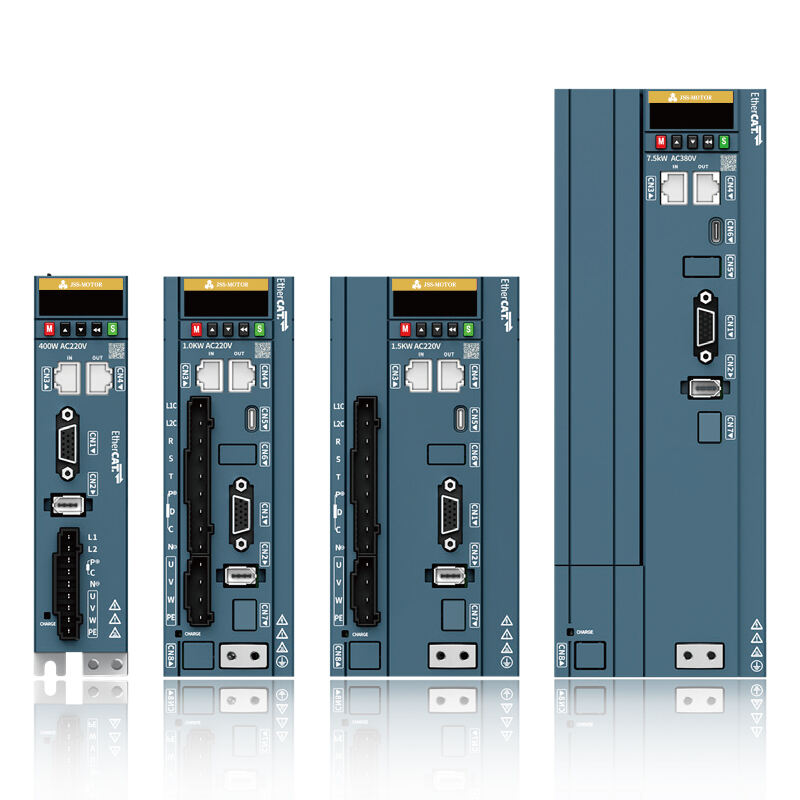
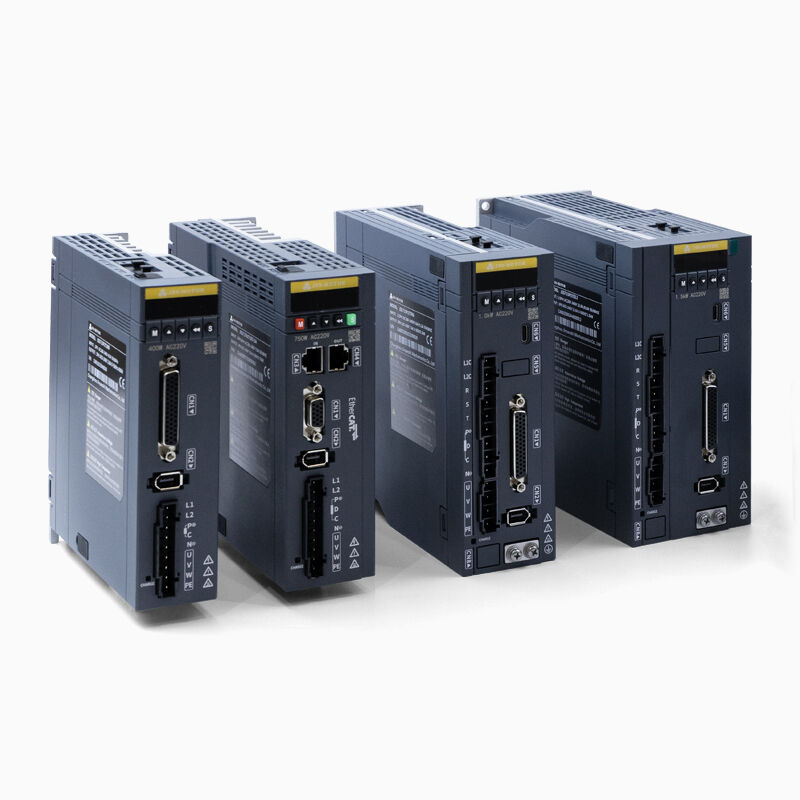
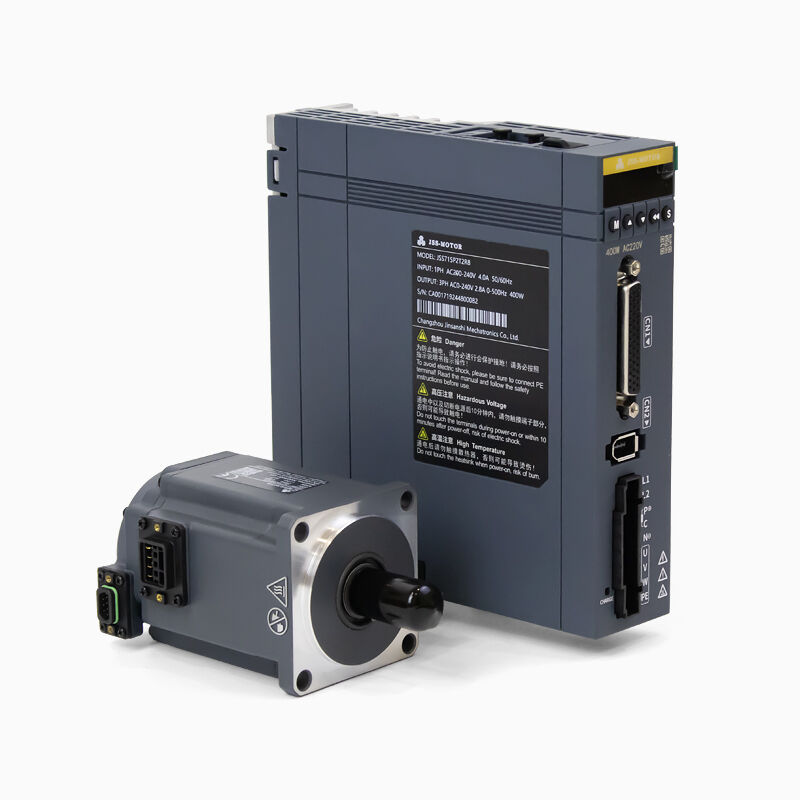
Industrial servo drives represent sophisticated motion control systems that precisely regulate the position, speed, and torque of servo motors in manufacturing environments. These electronic devices function as the critical interface between control systems and mechanical components, converting electrical signals into precise mechanical motion. The primary purpose of industrial servo drives centers on delivering exceptional accuracy and repeatability in automated processes, making them indispensable for modern manufacturing operations. The fundamental operation of industrial servo drives relies on closed-loop feedback systems that continuously monitor motor performance and adjust parameters in real-time. This feedback mechanism ensures that the motor responds exactly to commanded positions and velocities, maintaining consistent performance even under varying load conditions. The drives receive command signals from programmable logic controllers or computer numerical control systems, then translate these digital instructions into appropriate power outputs for the connected servo motors. Advanced control algorithms within industrial servo drives enable sophisticated motion profiles, including smooth acceleration and deceleration curves that minimize mechanical stress and enhance system longevity. These systems incorporate multiple control modes, allowing operators to optimize performance for specific applications whether requiring precise positioning, constant speed operation, or torque control. The technological architecture of industrial servo drives includes power electronics, digital signal processors, and communication interfaces that facilitate seamless integration with factory automation networks. Modern industrial servo drives support various communication protocols, enabling real-time data exchange with supervisory systems for monitoring, diagnostics, and performance optimization. The applications for industrial servo drives span numerous industries, from automotive assembly lines where they control robotic welding and painting operations, to packaging machinery requiring precise product handling and positioning. In semiconductor manufacturing, these drives enable the ultra-precise movements necessary for wafer processing and component placement, while in textile production, they control the tension and positioning systems that ensure fabric quality and consistency.