Advanced Servo Drive Controller Solutions - Precision Motion Control Systems

Get a Free Quote

Our representative will contact you soon.
Email
Name
Company Name
WhatsApp
Mobile
Message
0/1000

servo drive controller

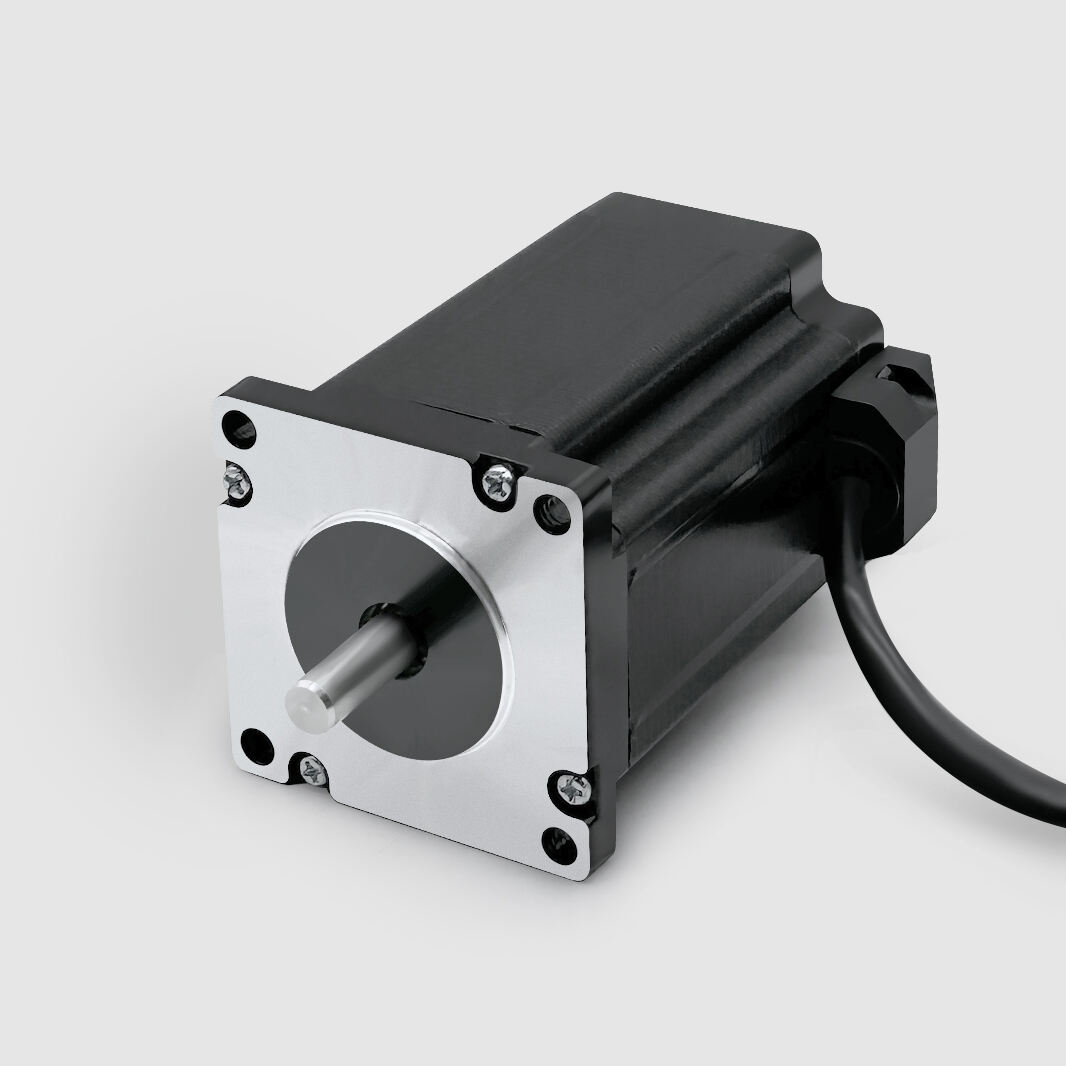
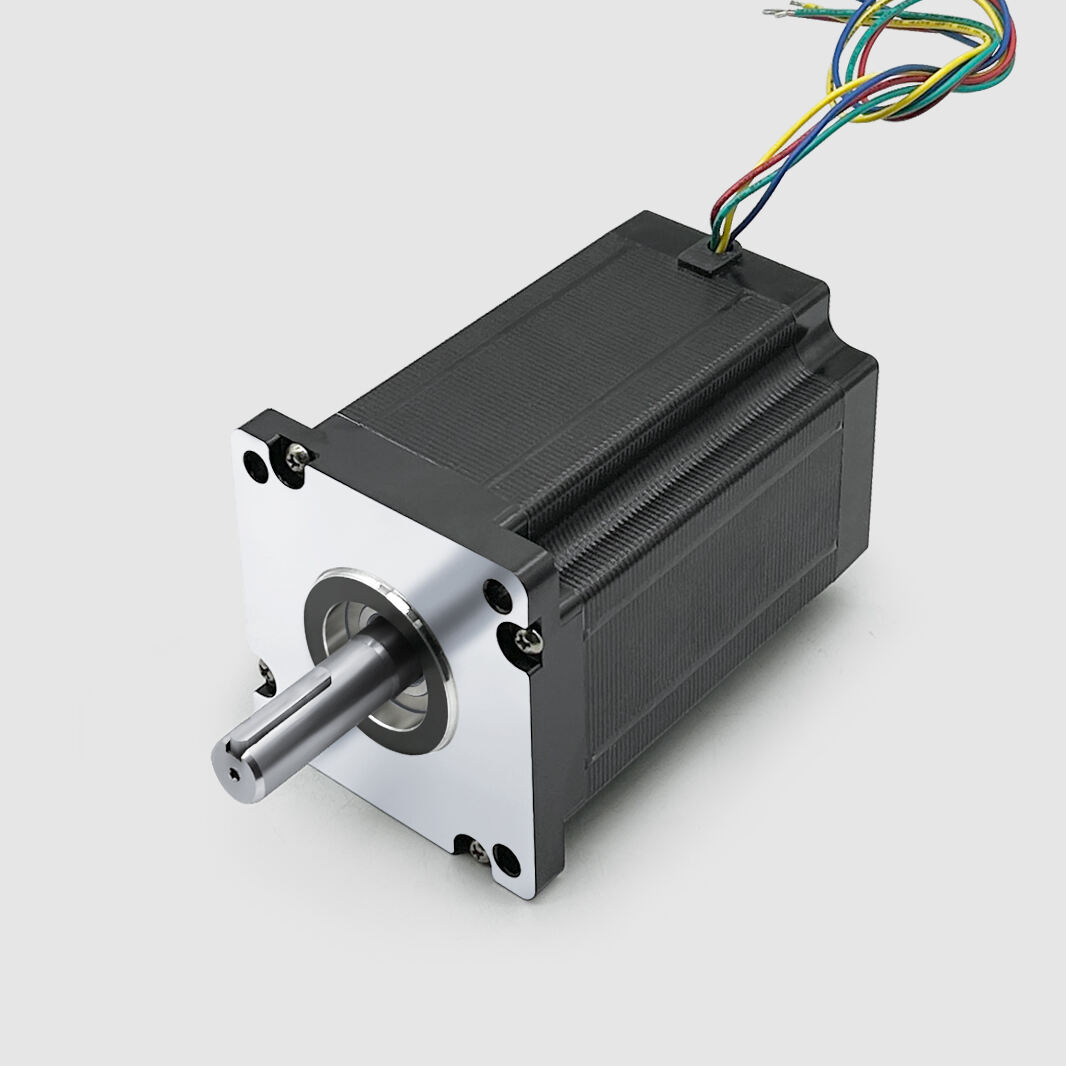
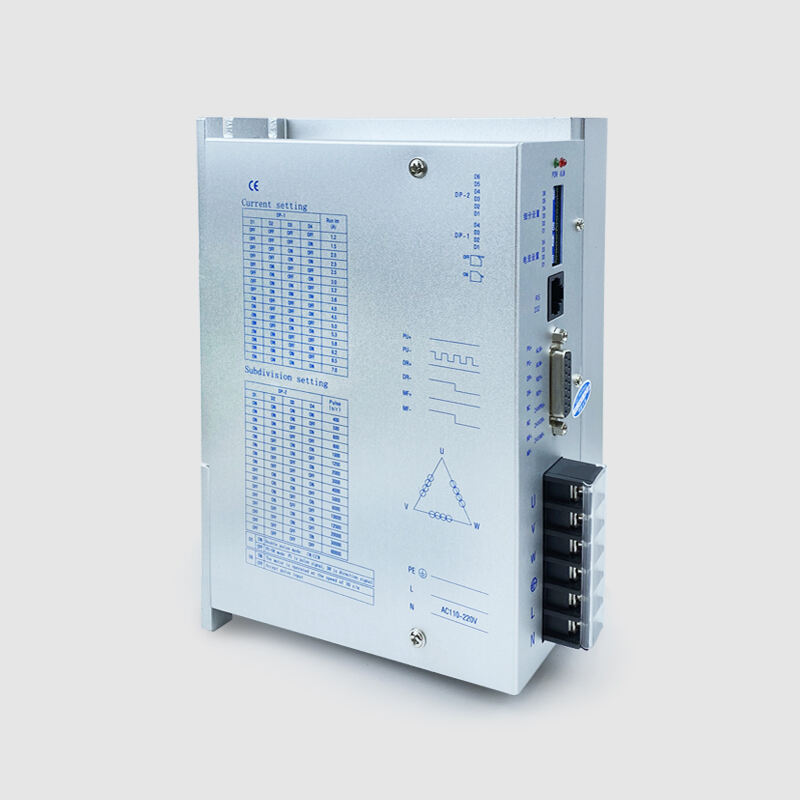
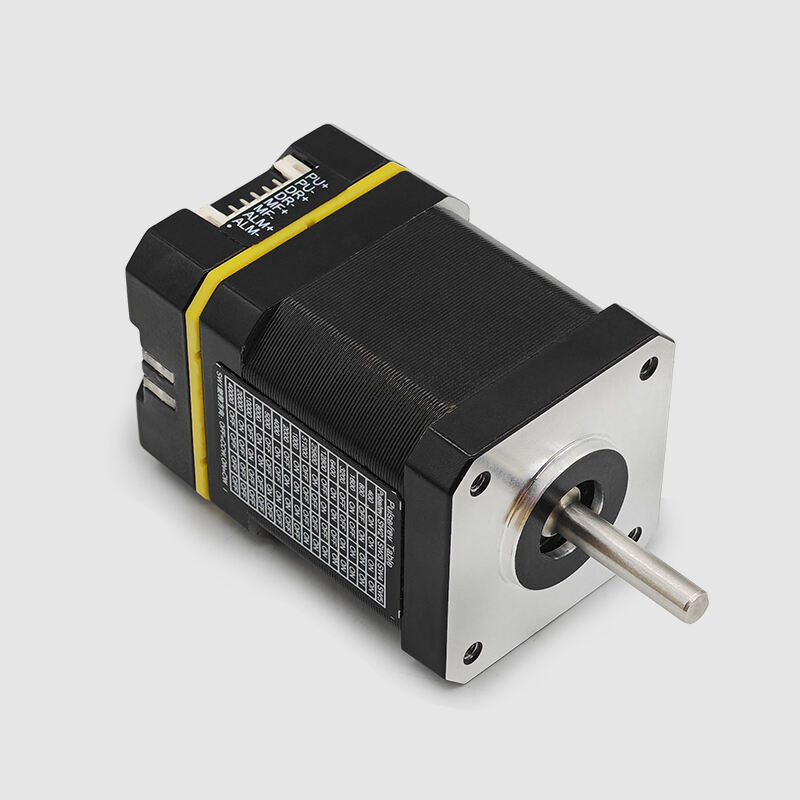
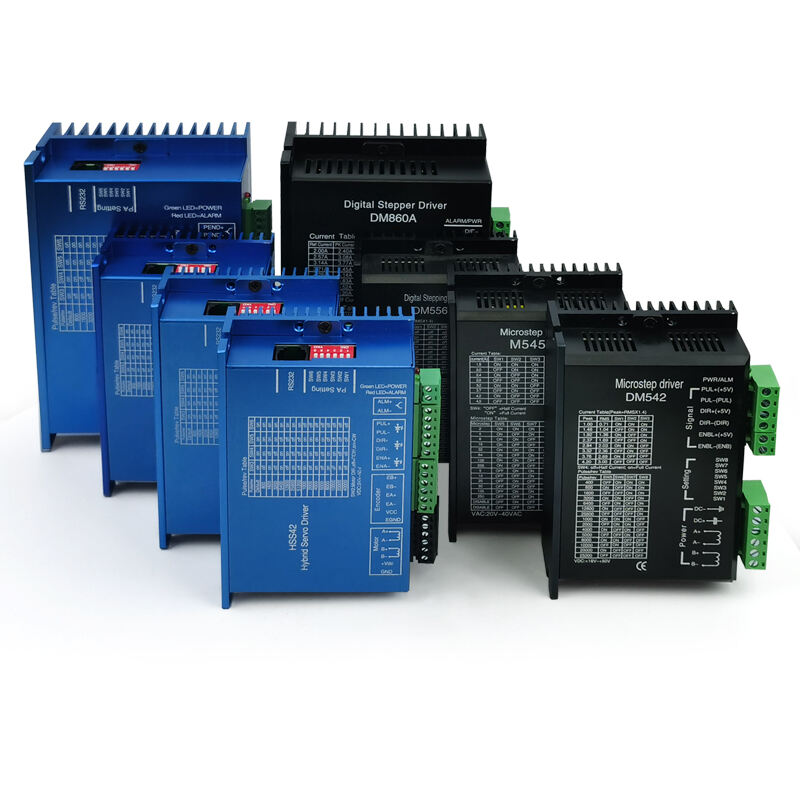
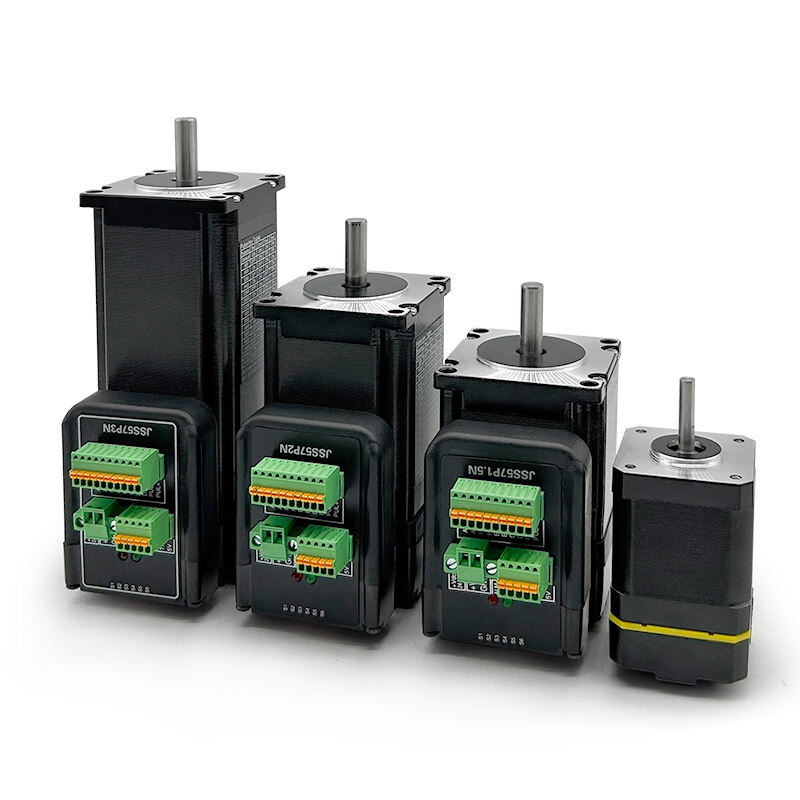
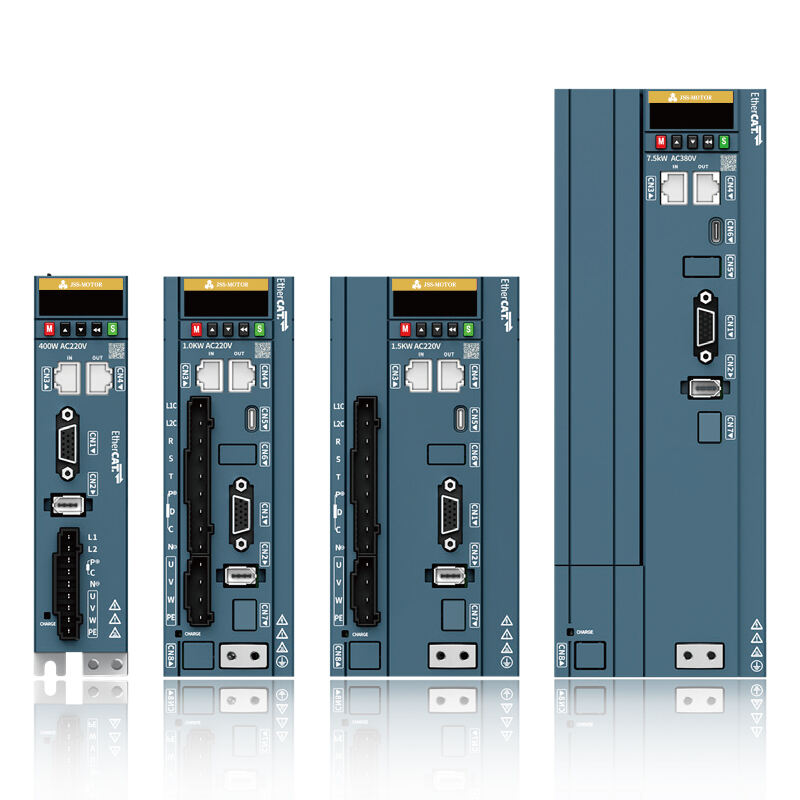
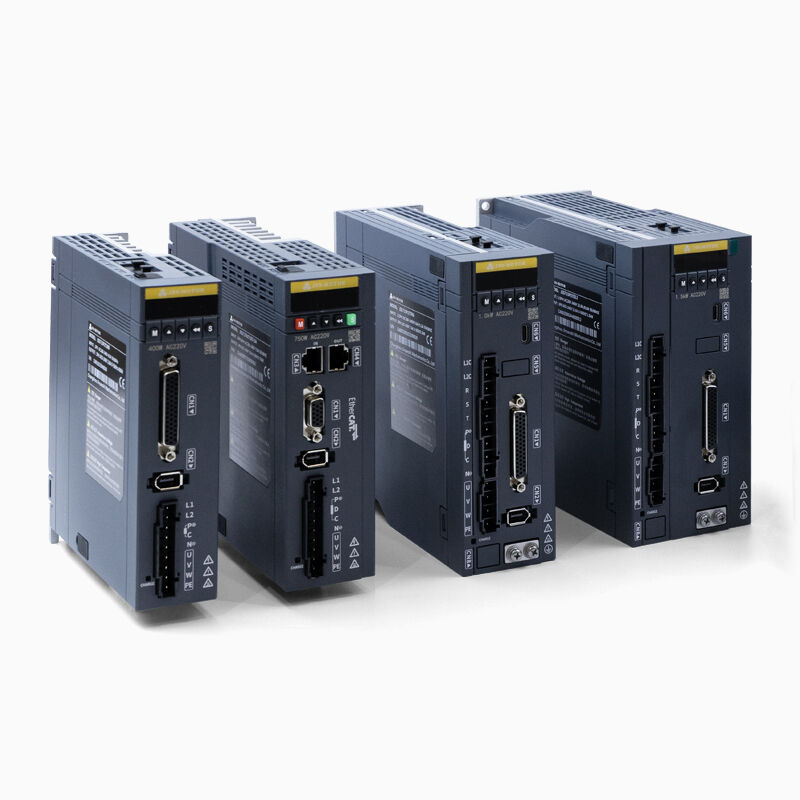
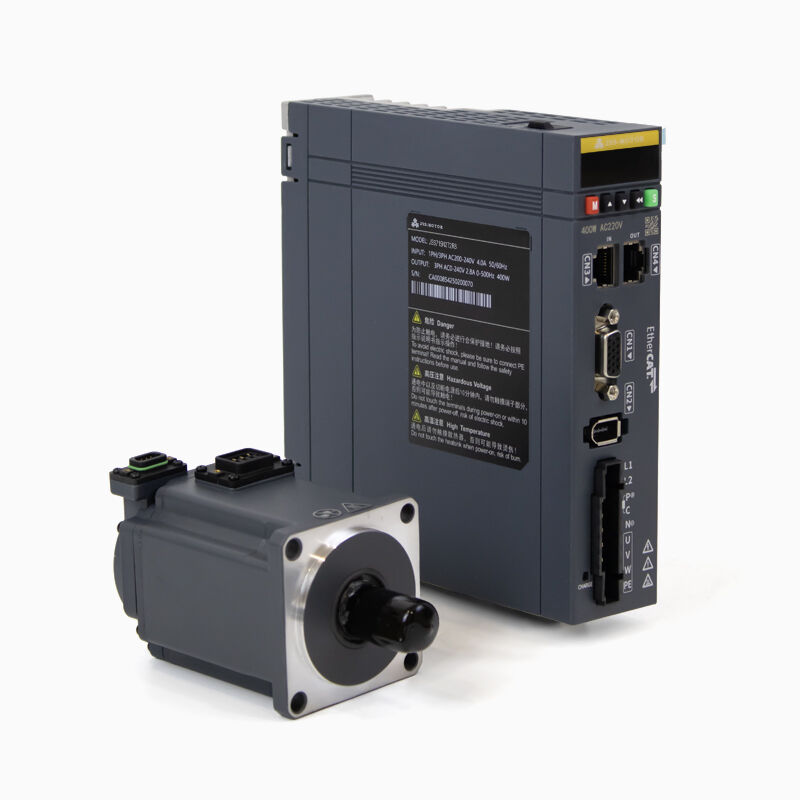
A servo drive controller represents a sophisticated electronic device that manages and regulates the operation of servo motors in automated systems. This essential component serves as the brain behind precise motion control applications, converting command signals into accurate motor movements. The servo drive controller receives input commands from higher-level control systems, processes these signals, and delivers appropriate power and control signals to servo motors for exact positioning and speed control. Modern servo drive controllers incorporate advanced digital signal processing capabilities, enabling them to handle complex motion profiles with exceptional accuracy. These devices typically feature multiple feedback loops that continuously monitor motor position, velocity, and torque, ensuring optimal performance under varying load conditions. The controller's primary function involves interpreting position commands, calculating necessary adjustments, and sending precise electrical signals to the servo motor. Advanced servo drive controllers support various communication protocols, including EtherCAT, CANopen, and Modbus, facilitating seamless integration into existing automation networks. Temperature monitoring, fault detection, and protective shutdown mechanisms are standard features that enhance system reliability and prevent equipment damage. Many contemporary servo drive controllers offer programmable parameters, allowing engineers to customize performance characteristics for specific applications. The device's compact design and modular architecture make installation straightforward while providing scalability for future system expansions. Energy efficiency optimization features help reduce operational costs by minimizing power consumption during idle periods and optimizing current delivery during active operations. Real-time diagnostic capabilities enable predictive maintenance scheduling, reducing unexpected downtime and extending equipment lifespan.

New Product Releases

Servo drive controllers deliver exceptional precision that transforms manufacturing processes and automation systems. These controllers achieve positioning accuracy within micrometers, enabling manufacturers to produce components with tight tolerances consistently. The enhanced precision directly translates to improved product quality, reduced waste, and increased customer satisfaction. Unlike traditional motor control methods, servo drive controllers provide real-time feedback correction, automatically adjusting for load variations, temperature changes, and mechanical wear. This continuous monitoring and adjustment capability ensures consistent performance throughout extended operation periods. Energy efficiency represents another significant advantage, as servo drive controllers optimize power consumption by delivering only the necessary current and voltage to accomplish specific tasks. This intelligent power management reduces electricity costs substantially compared to conventional motor control systems. The controllers eliminate unnecessary energy waste during idle periods through advanced sleep modes and standby functions. Flexibility stands out as a crucial benefit, allowing engineers to program multiple motion profiles and operational parameters without hardware modifications. Users can easily adjust speed, acceleration, deceleration, and positioning parameters through software interfaces, adapting to changing production requirements quickly. Integration capabilities simplify system design and reduce installation time significantly. Modern servo drive controllers support standard industrial communication protocols, enabling seamless connectivity with programmable logic controllers, human-machine interfaces, and enterprise resource planning systems. This compatibility eliminates the need for custom interface development, reducing project costs and implementation timeframes. Reliability improvements result from built-in protective features that monitor system health continuously. Overcurrent protection, thermal monitoring, and fault detection mechanisms prevent equipment damage and ensure safe operation. These protective features reduce maintenance requirements and extend system lifespan considerably. Diagnostic capabilities provide valuable insights into system performance, enabling proactive maintenance scheduling and preventing unexpected failures. The controllers generate detailed performance reports, helping engineers optimize system efficiency and identify potential issues before they cause downtime.

Tips And Tricks

Why set current limits before first use of any stepper motor driver?

26

Sep

Why set current limits before first use of any stepper motor driver?

Understanding Current Limitation in Stepper Motor Control Systems Stepper motor drivers play a crucial role in modern automation and precision control applications. Setting proper current limits before initial operation is not just a recommendation -...
View More
Does a digital stepper driver reduce EMI compared to analog models?

26

Sep

Does a digital stepper driver reduce EMI compared to analog models?

Understanding EMI Reduction in Modern Motor Control Systems The evolution of motor control technology has brought significant advancements in how we manage electromagnetic interference (EMI) in industrial and automation applications. Digital stepper ...
View More
Why monitor voltage ripple when selecting a stepper driver for 3D printers?

26

Sep

Why monitor voltage ripple when selecting a stepper driver for 3D printers?

Understanding Voltage Ripple Impact on 3D Printer Performance The success of any 3D printing project heavily depends on the precision and reliability of the printer's motion control system. At the heart of this system lies the stepper motor driver, w...
View More
Troubleshooting Common Servo Drive Problems

27

Nov

Troubleshooting Common Servo Drive Problems

Industrial automation systems rely heavily on the precise control and reliability of servo drives for optimal performance. A servo drive functions as the brain of motion control systems, converting command signals into precise motor movements. Unders...
View More

Get a Free Quote

Our representative will contact you soon.
Email
Name
Company Name
WhatsApp
Mobile
Message
0/1000

servo drive controller

Advanced Precision Control Technology

Advanced Precision Control Technology

The servo drive controller incorporates cutting-edge precision control technology that revolutionizes motion control applications across diverse industries. This sophisticated system utilizes high-resolution encoders and advanced feedback algorithms to achieve positioning accuracy within nanometer ranges, surpassing traditional motor control solutions by significant margins. The controller's multi-loop feedback system continuously monitors position, velocity, and torque parameters, making real-time adjustments to maintain precise control under varying operational conditions. This technology enables manufacturers to achieve consistent quality standards while minimizing material waste and reducing production costs. The precision control capabilities extend beyond basic positioning to include complex trajectory planning, enabling smooth acceleration and deceleration profiles that minimize mechanical stress and extend equipment lifespan. Advanced interpolation algorithms ensure seamless motion transitions between different positioning commands, eliminating jerky movements that could compromise product quality or cause mechanical damage. The controller's ability to compensate for mechanical backlash, thermal expansion, and load variations automatically ensures consistent performance regardless of environmental conditions or operational demands. This level of precision control proves invaluable in applications requiring exact positioning, such as semiconductor manufacturing, medical device production, and precision assembly operations. The technology's adaptability allows engineers to fine-tune control parameters for specific applications, optimizing performance for unique operational requirements. Real-time monitoring capabilities provide instant feedback on system performance, enabling immediate corrections and preventing quality issues before they occur. The precision control technology also supports advanced features like electronic camming, gearing, and synchronization, allowing multiple axes to work together seamlessly in complex motion applications.
Intelligent Energy Management System

Intelligent Energy Management System

The servo drive controller features an innovative energy management system that significantly reduces operational costs while maintaining optimal performance levels. This intelligent system continuously analyzes power consumption patterns and automatically adjusts energy delivery based on actual load requirements, eliminating unnecessary power waste that characterizes traditional motor control methods. The controller's sophisticated algorithms predict energy needs based on programmed motion profiles, pre-positioning power delivery systems to minimize energy spikes and reduce overall consumption. During idle periods, the system automatically transitions to low-power modes while maintaining readiness for immediate operation, balancing energy conservation with operational responsiveness. Regenerative braking capabilities capture kinetic energy during deceleration phases, converting it back into usable electrical power that can be utilized by other system components or returned to the power grid. This energy recovery feature particularly benefits applications with frequent start-stop cycles or repetitive motion patterns, reducing overall energy consumption by substantial percentages. The energy management system includes advanced power factor correction mechanisms that optimize electrical efficiency and reduce harmonic distortion, improving power quality throughout the facility. Smart scheduling features allow operators to program energy-saving modes during non-production periods while ensuring systems are ready for immediate operation when needed. The controller provides detailed energy consumption reports, enabling facility managers to identify optimization opportunities and track energy savings achievements over time. Temperature-based power management adjusts motor current delivery based on ambient conditions and motor temperature, preventing overheating while optimizing energy utilization. Load-adaptive power scaling automatically reduces power delivery when lighter loads are detected, further enhancing energy efficiency without compromising performance capabilities. These comprehensive energy management features typically result in energy savings of twenty to forty percent compared to conventional motor control systems, providing substantial cost reductions and supporting sustainability initiatives.
Seamless System Integration Capabilities

Seamless System Integration Capabilities

The servo drive controller excels in system integration capabilities, offering comprehensive connectivity options that simplify installation and enhance operational flexibility. This advanced integration framework supports multiple industrial communication protocols simultaneously, including EtherCAT, Profinet, DeviceNet, and Modbus, ensuring compatibility with existing automation infrastructures regardless of manufacturer or vintage. The controller's universal communication architecture eliminates the need for protocol converters or custom interface development, significantly reducing integration costs and implementation timeframes. Plug-and-play functionality streamlines the installation process, with automatic device recognition and configuration capabilities that minimize setup time and reduce the likelihood of configuration errors. The system's modular design allows for scalable expansion, enabling facilities to add additional servo drive controllers as production requirements grow without redesigning existing control architectures. Built-in web server functionality provides remote access capabilities, allowing engineers to monitor, configure, and troubleshoot systems from anywhere with internet connectivity. This remote accessibility feature proves invaluable for multi-site operations and reduces the need for on-site technical visits. The controller's integration capabilities extend to enterprise-level systems, with support for manufacturing execution systems, enterprise resource planning platforms, and quality management systems. Real-time data exchange capabilities enable seamless information flow between production floor equipment and management systems, supporting Industry 4.0 initiatives and smart manufacturing strategies. Comprehensive diagnostic interfaces provide detailed system status information, performance metrics, and fault reporting capabilities that integrate directly with plant-wide maintenance management systems. The controller supports both centralized and distributed control architectures, adapting to various facility layouts and operational preferences. Advanced synchronization capabilities enable multiple servo drive controllers to coordinate complex multi-axis motions with precise timing relationships, essential for sophisticated automation applications. The integration framework includes robust cybersecurity features, protecting against unauthorized access while maintaining operational connectivity requirements.
+86-13401517369
[email protected]

Get a Free Quote

Our representative will contact you soon.
Email
Name
Company Name
WhatsApp
Mobile
Message
0/1000

Copyright © 2026 Changzhou Jinsanshi Mechatronics Co., Ltd. All rights reserved.  -  Privacy policy