
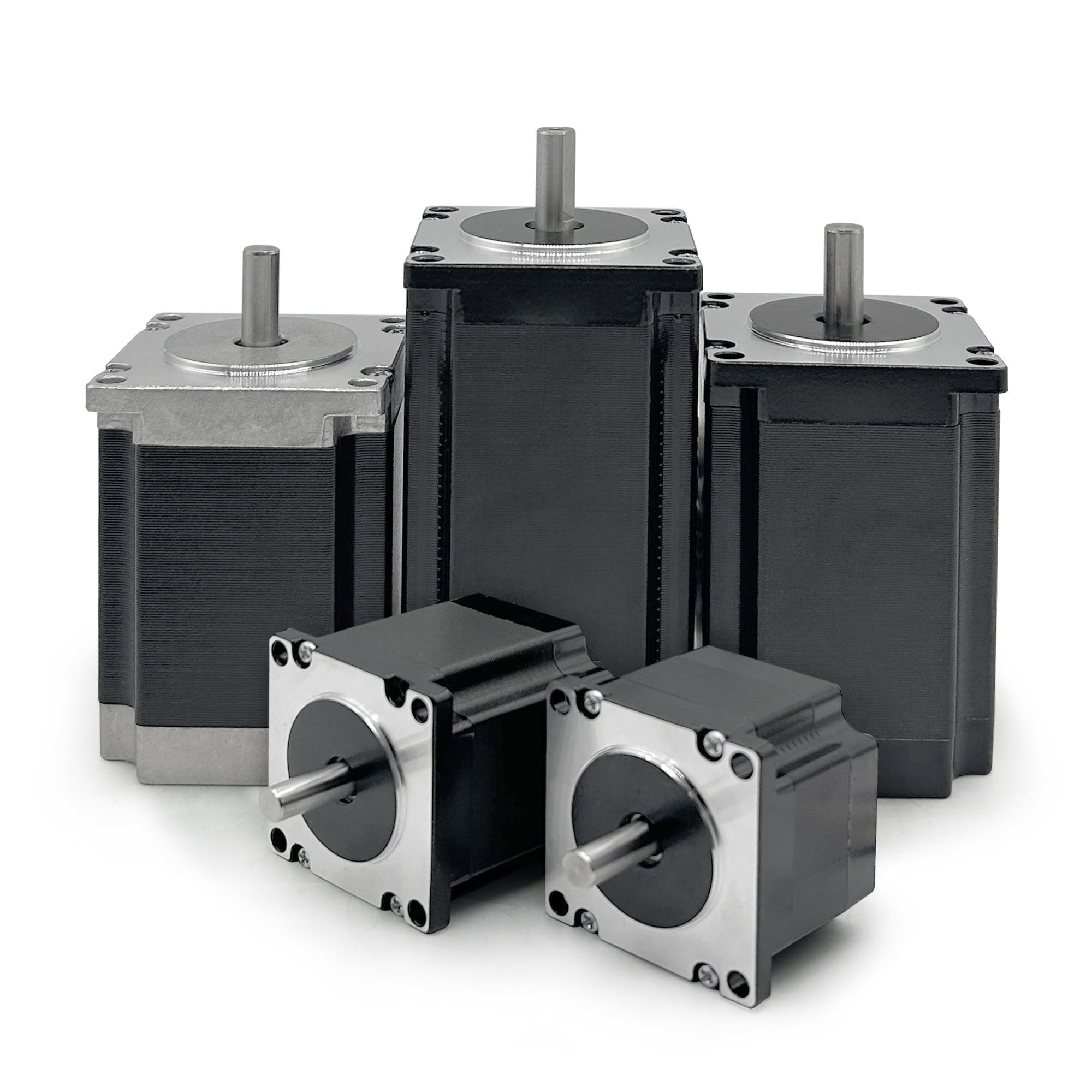
Industrial automation systems demand precise, repeatable motion control to maintain consistent manufacturing quality and operational efficiency. The nema 23 stepper motor has emerged as a cornerstone technology for achieving this reliability, offering deterministic positioning capabilities that transform complex motion requirements into predictable, accurate outcomes. This motor size represents an optimal balance between torque delivery and compact design, making it suitable for numerous industrial applications where repeatability is non-negotiable.
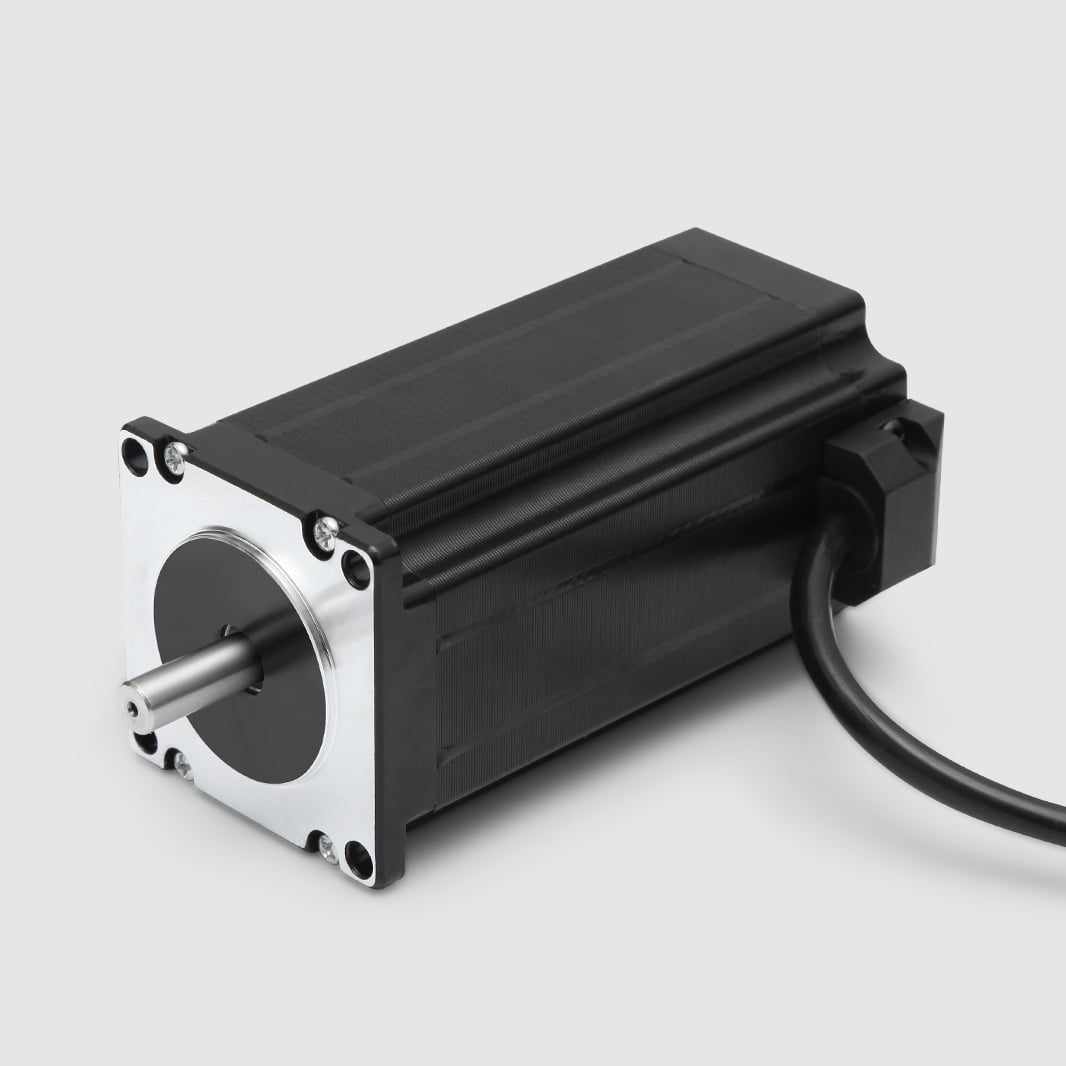
Understanding how a nema 23 stepper motor enables repeatable motion requires examining its fundamental operating principles, mechanical characteristics, and control methodologies. Unlike traditional servo motors that rely on feedback systems to correct positioning errors, stepper motors achieve repeatability through inherent step-by-step movement patterns that eliminate cumulative positioning drift. This predictable behavior makes the nema 23 stepper motor particularly valuable in applications where consistent positioning accuracy directly impacts product quality and process reliability.
Fundamental Motion Control Mechanism
Step-Based Positioning Architecture
The nema 23 stepper motor operates through a discrete stepping mechanism that divides full rotational movement into precise angular increments, typically 1.8 degrees per step for standard configurations. This translates to 200 steps per complete revolution, creating a digital positioning system that inherently provides repeatable motion characteristics. Each electrical pulse sent to the motor corresponds to one mechanical step, establishing a direct relationship between digital control signals and physical positioning outcomes.
The stepping architecture eliminates the positioning uncertainty commonly associated with continuous rotation motors, as the nema 23 stepper motor naturally stops at predetermined angular positions without requiring external feedback sensors. This open-loop control capability significantly reduces system complexity while maintaining high repeatability standards. The motor's ability to hold position when stationary, combined with its predictable stepping behavior, creates a foundation for reliable industrial motion control.
Microstepping technology further enhances the repeatability of nema 23 stepper motor systems by subdividing each full step into smaller increments, typically ranging from 2 to 256 microsteps per step. This increased resolution enables smoother motion profiles and finer positioning control while preserving the inherent repeatability characteristics of the basic stepping mechanism.
Torque Delivery and Load Handling
The nema 23 stepper motor provides consistent torque output across its operational range, ensuring that motion repeatability remains stable under varying load conditions. This torque consistency stems from the motor's electromagnetic design, which generates holding torque even when stationary, preventing position drift due to external forces or mechanical backlash. The motor's ability to maintain position without continuous power consumption contributes to both energy efficiency and positioning stability.
Load variations that might cause positioning inconsistencies in other motor types have minimal impact on nema 23 stepper motor repeatability, provided the load remains within the motor's specified torque capacity. The motor's torque-speed characteristics allow for predictable performance across different operating speeds, enabling system designers to optimize motion profiles for both repeatability and throughput requirements.
Dynamic torque management through current control algorithms allows the nema 23 stepper motor to maintain consistent performance while adapting to changing load conditions. This adaptive capability ensures that motion repeatability remains constant even when industrial processes introduce variable mechanical loads or resistance factors.
Industrial Application Mechanisms
Manufacturing Process Integration
In manufacturing environments, the nema 23 stepper motor supports repeatable motion through precise control of assembly operations, material handling systems, and quality control processes. The motor's deterministic positioning enables consistent part placement, accurate tool positioning, and reliable material feed operations that directly impact product quality and manufacturing efficiency. These applications benefit from the motor's ability to return to exact positions repeatedly without cumulative error accumulation.
Automated assembly lines utilize nema 23 stepper motor technology to maintain consistent spacing, alignment, and timing across production cycles. The motor's step-based operation allows for synchronization with other system components, creating coordinated motion sequences that support complex manufacturing processes. This synchronization capability is particularly valuable in applications where multiple motion axes must work together to achieve precise assembly or processing operations.
Quality control systems leverage the repeatability of nema 23 stepper motor positioning to ensure consistent measurement and inspection procedures. The motor's ability to position sensing equipment, test fixtures, or measurement tools at exact locations enables reliable data collection and comparison across production batches, supporting statistical process control and quality assurance protocols.
Automation System Architecture
Modern industrial automation systems integrate nema 23 stepper motor technology through programmable logic controllers and motion control platforms that optimize repeatability performance. These control systems implement sophisticated stepping algorithms, acceleration profiles, and positioning sequences that maximize the motor's inherent repeatability while minimizing mechanical stress and wear factors that could degrade long-term performance.
The integration of nema 23 stepper motor systems with industrial communication networks enables real-time monitoring and adjustment of motion parameters to maintain optimal repeatability performance. Network-connected systems can track positioning accuracy, monitor system performance trends, and implement predictive maintenance protocols that preserve motion repeatability throughout the motor's operational lifetime.
Advanced motion control algorithms compensate for environmental factors such as temperature variations, mechanical wear, and load fluctuations that might affect the long-term repeatability of nema 23 stepper motor systems. These compensation mechanisms ensure that industrial processes maintain consistent motion accuracy even under changing operational conditions.
Technical Performance Characteristics
Positioning Accuracy and Resolution
The nema 23 stepper motor achieves remarkable positioning accuracy through its inherent step resolution and advanced control methodologies. Standard configurations provide positioning accuracy within ±5% of a step angle, which translates to approximately ±0.09 degrees for typical 1.8-degree motors. This level of accuracy, combined with the motor's repeatability characteristics, enables industrial applications to achieve consistent positioning performance over millions of operational cycles.
Microstepping technology enhances the effective resolution of nema 23 stepper motor systems, allowing for positioning increments as small as 0.007 degrees or finer, depending on the microstepping ratio employed. This increased resolution enables smoother motion profiles and finer positioning control while maintaining the fundamental repeatability advantages of stepper motor technology. The combination of high resolution and inherent repeatability makes the nema 23 stepper motor suitable for precision industrial applications.
Environmental stability factors contribute to the long-term repeatability performance of nema 23 stepper motor systems. The motor's robust construction and electromagnetic design provide consistent operation across typical industrial temperature ranges, humidity conditions, and mechanical vibration environments without degradation of positioning accuracy or repeatability characteristics.
Control System Integration
Modern control systems optimize nema 23 stepper motor repeatability through sophisticated drive electronics that manage current profiles, stepping sequences, and thermal characteristics. These drive systems implement advanced algorithms that minimize resonance effects, reduce motor heating, and optimize torque delivery to maintain consistent repeatability performance across varying operational conditions.
Encoder feedback integration with nema 23 stepper motor systems provides enhanced repeatability verification and error detection capabilities without compromising the motor's inherent open-loop advantages. Hybrid control approaches combine the deterministic nature of stepper motor operation with feedback-based error correction to achieve superior repeatability performance in demanding industrial applications.
Real-time motion profiling allows nema 23 stepper motor systems to adapt acceleration, deceleration, and velocity parameters dynamically to maintain optimal repeatability while maximizing throughput. These adaptive control strategies ensure that motion profiles remain optimized for both speed and repeatability requirements across different operational scenarios and load conditions.
Implementation Strategies and Best Practices
System Design Considerations
Successful implementation of nema 23 stepper motor technology for repeatable motion requires careful attention to mechanical system design, including proper shaft coupling selection, bearing arrangements, and load transmission mechanisms. These mechanical components must be designed to minimize backlash, compliance, and other factors that could degrade the motor's inherent repeatability characteristics. Rigid mechanical systems preserve the precise positioning capabilities of the nema 23 stepper motor throughout the motion transmission path.
Environmental protection strategies ensure that nema 23 stepper motor repeatability performance remains stable over extended operational periods. Proper enclosure design, thermal management, and contamination prevention protect the motor and its associated control electronics from conditions that might affect positioning accuracy or repeatability. These protective measures are particularly important in industrial environments with challenging operational conditions.
Load matching considerations optimize the repeatability performance of nema 23 stepper motor systems by ensuring that mechanical loads remain within optimal operating ranges. Proper load analysis prevents motor stalling, missed steps, or excessive heating that could compromise positioning accuracy. Load matching also enables optimal selection of gear ratios, lead screw pitches, and other mechanical transmission parameters that affect overall system repeatability.
Maintenance and Optimization Protocols
Preventive maintenance protocols preserve the repeatability performance of nema 23 stepper motor systems throughout their operational lifetime. Regular inspection of mechanical components, verification of electrical connections, and monitoring of performance parameters help identify potential issues before they affect motion repeatability. These maintenance practices ensure that industrial systems continue to meet repeatability requirements over extended operational periods.
Performance monitoring systems track key indicators of nema 23 stepper motor repeatability, including positioning accuracy trends, thermal characteristics, and mechanical wear patterns. This monitoring data enables predictive maintenance strategies that address potential issues before they impact system performance. Trend analysis helps optimize maintenance schedules and replacement intervals to maintain consistent repeatability performance.
Calibration procedures verify and maintain the repeatability performance of nema 23 stepper motor systems over time. Regular position verification, accuracy testing, and system alignment checks ensure that installed systems continue to meet their original repeatability specifications. These calibration protocols are essential for maintaining quality standards in precision manufacturing applications.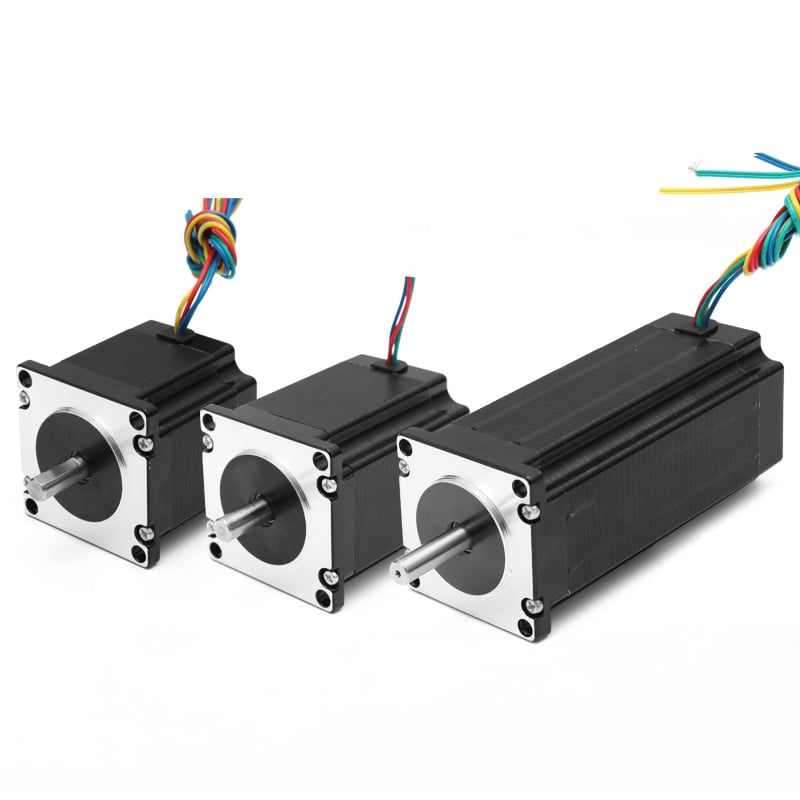
FAQ
What makes a nema 23 stepper motor more repeatable than other motor types?
The nema 23 stepper motor achieves superior repeatability through its inherent step-based operation, which eliminates the cumulative positioning errors common in continuous rotation motors. Each step represents a fixed angular displacement, creating a digital positioning system that naturally returns to exact positions without feedback correction. This open-loop repeatability, combined with the motor's ability to hold position when stationary, provides consistent performance over millions of cycles without drift or error accumulation.
How does microstepping affect the repeatability of nema 23 stepper motor systems?
Microstepping enhances nema 23 stepper motor repeatability by increasing positioning resolution while preserving the motor's inherent step-based accuracy. By subdividing each full step into smaller increments, microstepping provides finer positioning control and smoother motion profiles without compromising the fundamental repeatability characteristics. The increased resolution allows for more precise positioning while maintaining the predictable, deterministic behavior that makes stepper motors ideal for repeatable motion applications.
What environmental factors can affect nema 23 stepper motor repeatability performance?
Temperature variations, mechanical vibration, and electrical interference can impact nema 23 stepper motor repeatability if not properly managed. Temperature changes affect motor characteristics and mechanical system dimensions, while vibration can cause step loss or positioning errors. Electrical noise may interfere with control signals, leading to missed steps or irregular motion. Proper system design, environmental protection, and control system shielding minimize these effects and preserve repeatability performance in industrial environments.
How can I verify that my nema 23 stepper motor system maintains adequate repeatability over time?
Repeatability verification involves regular position accuracy testing, performance monitoring, and trend analysis of key system parameters. Implement periodic calibration checks using precision measurement equipment to verify positioning accuracy across the motor's operating range. Monitor system parameters such as step response, holding torque, and thermal characteristics to identify gradual performance changes. Document performance trends to establish baseline repeatability metrics and detect any degradation that might require maintenance or adjustment.
Table of Contents
- Fundamental Motion Control Mechanism
- Industrial Application Mechanisms
- Technical Performance Characteristics
- Implementation Strategies and Best Practices
-
FAQ
- What makes a nema 23 stepper motor more repeatable than other motor types?
- How does microstepping affect the repeatability of nema 23 stepper motor systems?
- What environmental factors can affect nema 23 stepper motor repeatability performance?
- How can I verify that my nema 23 stepper motor system maintains adequate repeatability over time?