
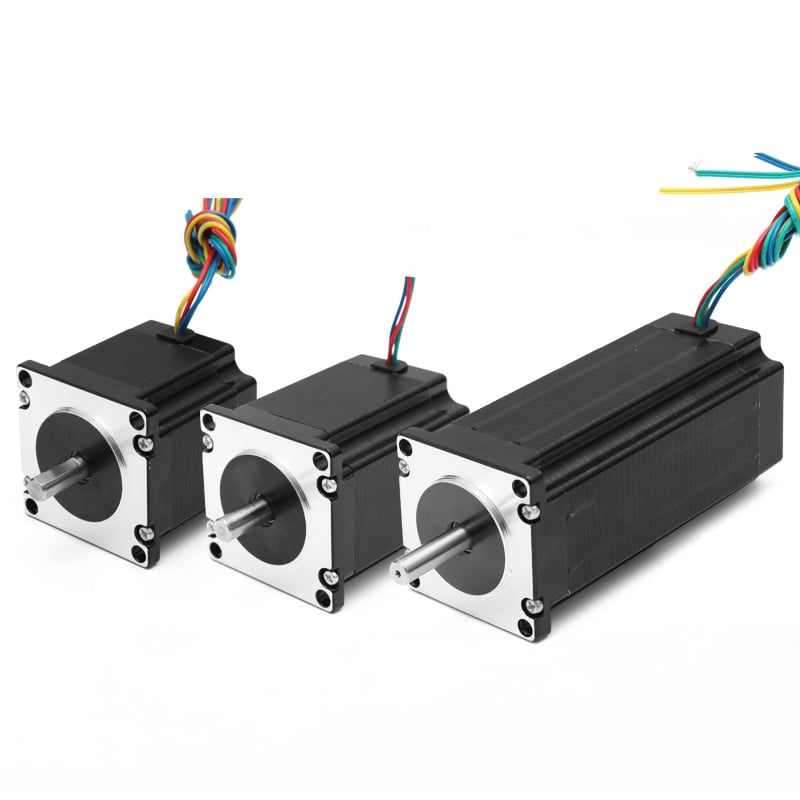
Understanding which motion tasks align with nema 23 stepper motor capabilities requires evaluating the specific performance characteristics these motors deliver. The nema 23 stepper motor stands out in industrial automation for its balanced combination of torque output, precision control, and size efficiency, making it suitable for distinct categories of motion applications that demand reliable positioning without excessive power consumption.
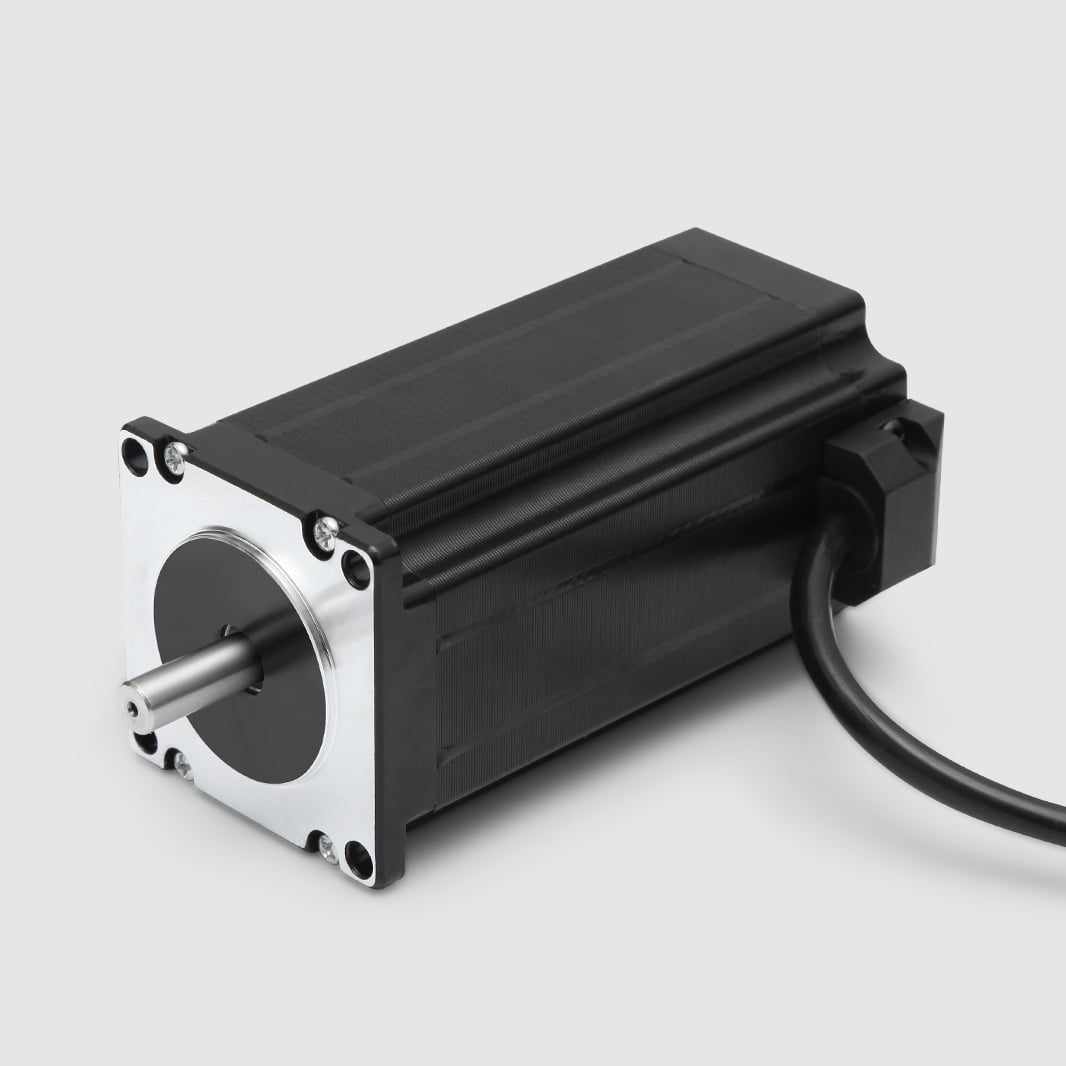
The performance envelope of a nema 23 stepper motor encompasses torque ranges typically between 0.5 to 3.0 Nm, step resolution of 1.8 degrees per full step, and operational speeds reaching several thousand RPM under optimal load conditions. These specifications directly influence which motion tasks will achieve optimal performance versus those that may strain the motor beyond its efficient operating range or fail to utilize its capabilities effectively.
Precision Positioning Applications
Laboratory Equipment and Analytical Instruments
Laboratory automation systems benefit significantly from nema 23 stepper motor integration due to their requirement for precise sample positioning and repeatable movement patterns. Automated pipetting systems utilize these motors to control XYZ positioning stages with accuracy requirements often within micrometers. The inherent step resolution of 1.8 degrees translates to highly controllable linear motion when paired with appropriate lead screws or timing belts.
Spectroscopy equipment frequently incorporates nema 23 stepper motor assemblies for wavelength scanning mechanisms and sample carousel rotation. These applications demand smooth motion profiles without vibration that could affect measurement accuracy. The holding torque characteristics of nema 23 stepper motor designs provide stable positioning during measurement cycles without continuous power consumption, reducing heat generation near sensitive optical components.
3D Printing and Additive Manufacturing
Desktop and professional 3D printing systems commonly employ nema 23 stepper motor configurations for extruder feed mechanisms and build platform positioning. The torque output range suits filament feeding applications where consistent material flow requires overcoming friction forces in heated environments. Print head positioning demands the precise step control that nema 23 stepper motor technology delivers without the complexity of encoder feedback systems.
Multi-axis CNC machines in the prosumer category often integrate nema 23 stepper motor assemblies for their balance between positioning accuracy and drive simplicity. These applications benefit from the motor's ability to maintain position without active control, eliminating drift concerns during extended machining operations while providing sufficient torque for cutting loads in softer materials.
Light-Duty Automation Tasks
Packaging and Material Handling
Automated packaging lines utilize nema 23 stepper motor systems for conveyor indexing, product positioning, and packaging material feeding operations. The motors excel in applications requiring precise stop-and-go motion cycles with consistent timing between operations. Bottle filling stations, label application systems, and small parts assembly equipment benefit from the controllable acceleration profiles that reduce mechanical stress on handled products.
Pick-and-place operations for lightweight components often incorporate nema 23 stepper motor drives in their actuator systems. The motors provide adequate force for component manipulation while maintaining the positional accuracy required for assembly operations. Vision system integration becomes simplified when using stepper technology due to the predictable relationship between commanded position and actual motor shaft location.
Textile and Embroidery Equipment
Commercial embroidery machines rely on nema 23 stepper motor performance for fabric positioning and needle positioning mechanisms. These applications require smooth motion at variable speeds with precise stopping capability to achieve complex stitch patterns. The motor's torque characteristics suit the loading conditions encountered when moving fabric frames through multi-directional motion sequences.
Fabric cutting systems integrate nema 23 stepper motor assemblies for blade positioning and material advancement functions. The combination of holding torque and step resolution enables accurate pattern cutting while maintaining blade perpendicularity throughout the cutting cycle. Variable speed operation allows optimization for different fabric types and cutting complexity requirements.
Camera and Optical Systems
Pan-Tilt and Focus Mechanisms
Security camera systems and broadcasting equipment frequently employ nema 23 stepper motor technology for pan-tilt-zoom mechanisms due to their precise angular positioning capabilities. The motors provide smooth rotation with definable speed profiles that eliminate jerky motion visible in recorded footage. Remote control applications benefit from the motor's ability to return to exact positions without drift or calibration requirements.
Microscopy and telescopic systems utilize nema 23 stepper motor assemblies for focus adjustment and objective lens changing mechanisms. These applications demand fine positioning control with minimal vibration transmission to prevent image disturbance during observation. The motor's step resolution allows focus adjustments that correlate directly to optical depth requirements across various magnification levels.
Scanning and Imaging Applications
Document scanning equipment integrates nema 23 stepper motor drives for document feeding and sensor positioning systems. The motors provide consistent feed rates essential for uniform image capture across document lengths. Variable speed capabilities enable optimization for different document types while maintaining registration accuracy between successive scan lines.
Industrial inspection systems employ nema 23 stepper motor configurations for part manipulation and camera positioning during automated quality control processes. The combination of torque availability and positioning accuracy suits applications requiring multiple viewing angles of inspected components while maintaining throughput requirements in production environments.
Limitations and Unsuitable Applications
High-Speed Continuous Operation
Applications requiring continuous high-speed rotation typically exceed the optimal performance range of nema 23 stepper motor designs. Centrifuge operations, high-speed spindles, and blower applications generate heat buildup and efficiency losses when operated at sustained high RPM levels. The step-wise motion characteristics that provide positioning advantages become limiting factors in applications demanding smooth continuous rotation.
Pump applications requiring variable flow rates often prove unsuitable for nema 23 stepper motor integration due to torque ripple effects and efficiency considerations. While the motors can drive small pumps, the energy consumption and heat generation typically exceed acceptable levels for continuous pumping operations compared to more suitable motor technologies designed for such applications.
Heavy Load and High Torque Requirements
Material handling applications involving significant inertial loads or high breakaway torques often exceed nema 23 stepper motor capabilities. Conveyor systems for heavy products, large valve actuators, and heavy-duty linear actuators require torque levels that push these motors beyond their efficient operating range, leading to missed steps and positioning errors.
Machine tool applications involving substantial cutting forces typically require servo motor solutions rather than nema 23 stepper motor implementations. While lighter machining operations may succeed, applications involving heavy metal cutting, large workpiece manipulation, or high-force forming operations exceed both the torque capacity and dynamic response characteristics of stepper motor technology.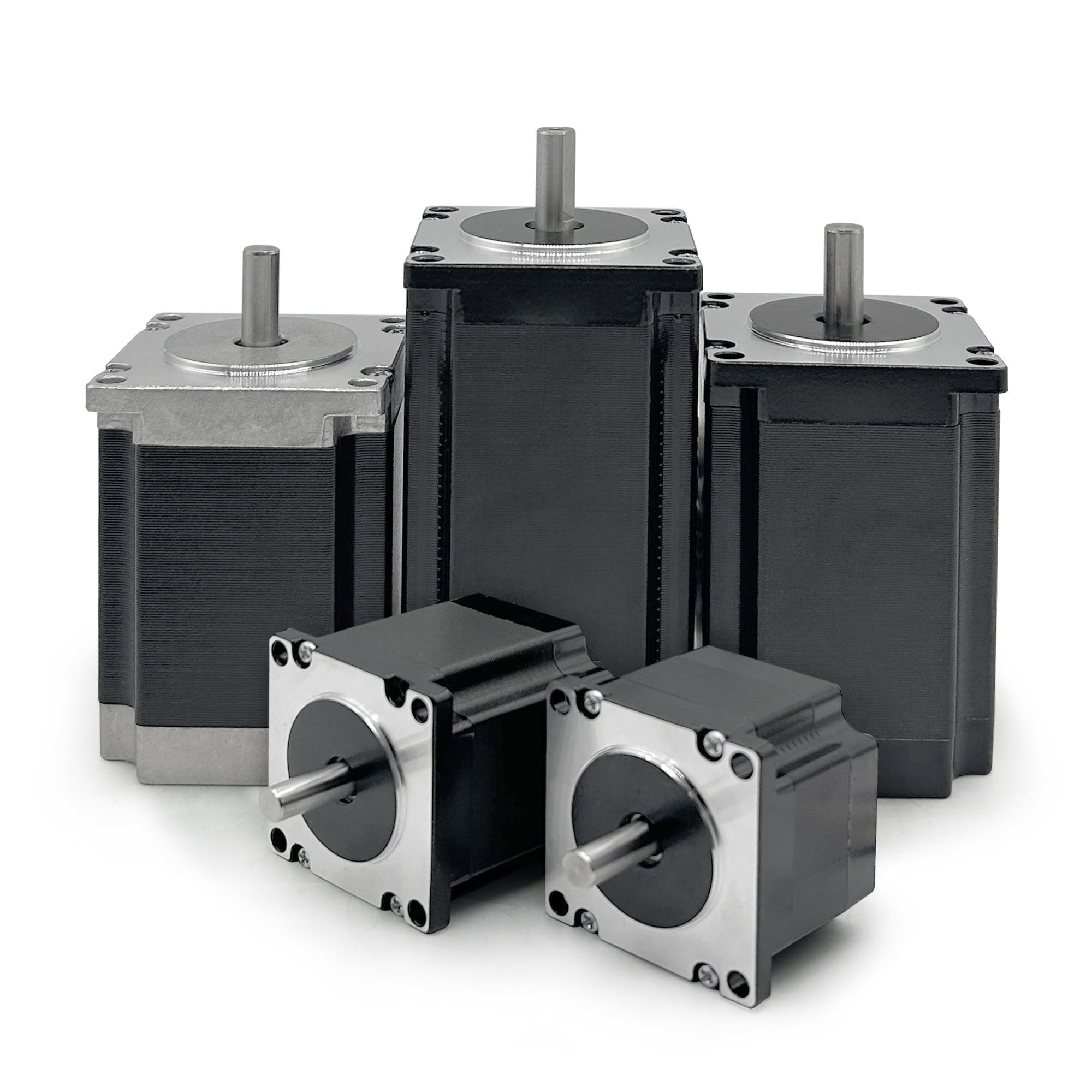
FAQ
What torque range makes nema 23 stepper motor most effective for positioning tasks?
The optimal torque range for nema 23 stepper motor positioning applications typically falls between 30% to 70% of the motor's rated holding torque. This range provides reliable step execution while maintaining efficiency and preventing overheating. Applications requiring consistent torque below 0.3 Nm or above 2.1 Nm should consider alternative motor sizes for better performance matching.
How does step resolution affect application suitability for nema 23 stepper motor systems?
The standard 1.8-degree step resolution of nema 23 stepper motor designs provides 200 steps per revolution, which translates to positioning resolution based on the mechanical system's reduction ratio. Applications requiring positioning accuracy better than what this resolution provides through mechanical advantage should incorporate microstepping drives or consider higher resolution motor alternatives for optimal performance.
What speed limitations should be considered when selecting nema 23 stepper motor for motion tasks?
The effective speed range for nema 23 stepper motor applications typically peaks between 1000-3000 RPM depending on load conditions and drive configuration. Above these speeds, torque output decreases significantly and efficiency drops, making the motors unsuitable for high-speed continuous operation tasks. Applications requiring sustained operation above 3000 RPM should evaluate alternative motor technologies.
Which environmental factors affect nema 23 stepper motor task suitability?
Operating temperature, vibration levels, and contamination exposure significantly influence nema 23 stepper motor application suitability. Standard motors operate effectively between 0°C to 50°C ambient temperatures, while applications in harsh environments require specially rated motors. Excessive vibration can cause step loss, and dusty or corrosive environments necessitate appropriate motor enclosure ratings for reliable long-term operation.
Table of Contents
- Precision Positioning Applications
- Light-Duty Automation Tasks
- Camera and Optical Systems
- Limitations and Unsuitable Applications
-
FAQ
- What torque range makes nema 23 stepper motor most effective for positioning tasks?
- How does step resolution affect application suitability for nema 23 stepper motor systems?
- What speed limitations should be considered when selecting nema 23 stepper motor for motion tasks?
- Which environmental factors affect nema 23 stepper motor task suitability?