
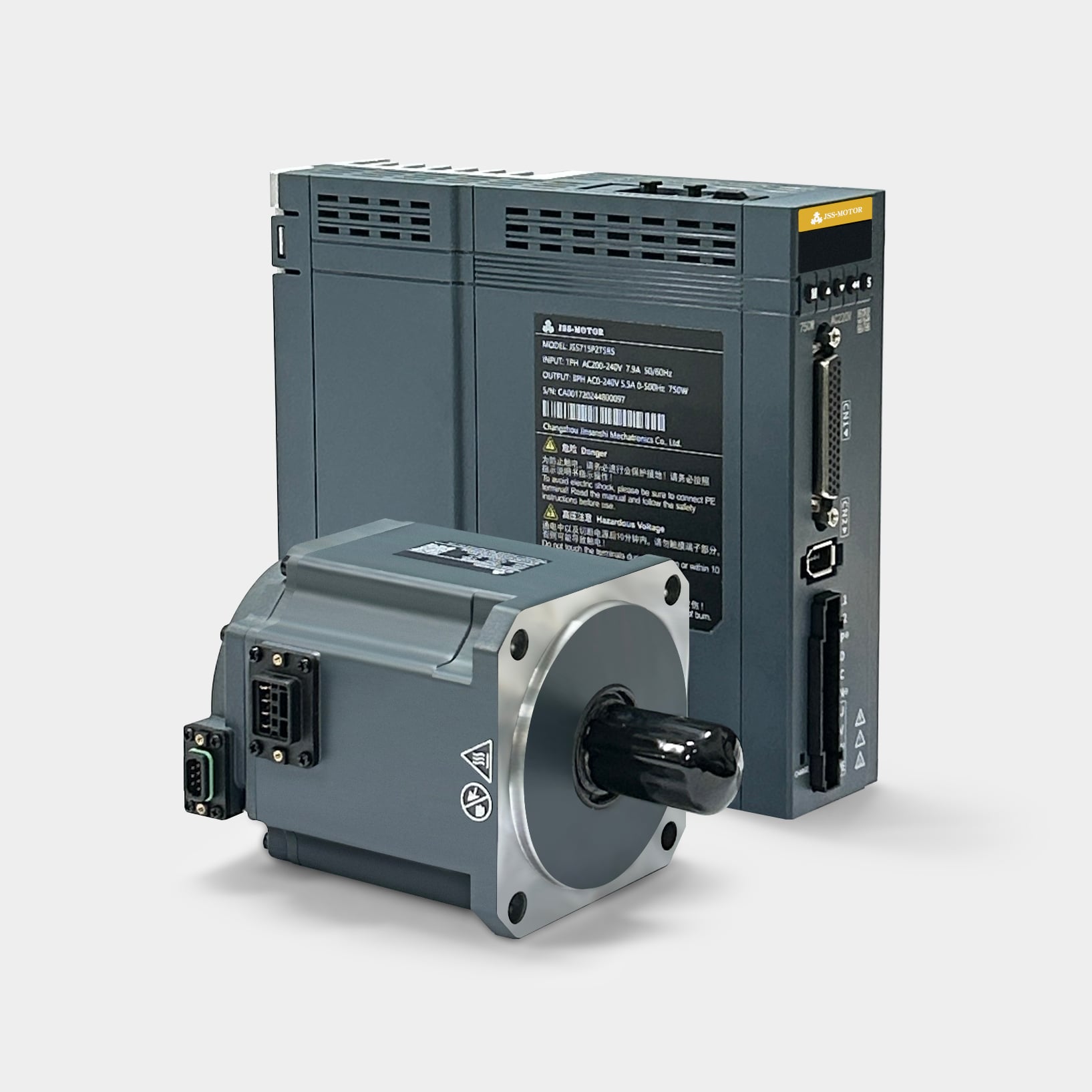
In today's demanding industrial automation landscape, achieving superior dynamic performance requires precise motion control systems that can respond instantly to changing operational requirements. The responsiveness of a servo motor plays a crucial role in determining overall system efficiency, accuracy, and productivity across various manufacturing applications. Understanding how servo motor characteristics directly influence dynamic performance enables engineers and system designers to make informed decisions that optimize their automation solutions.
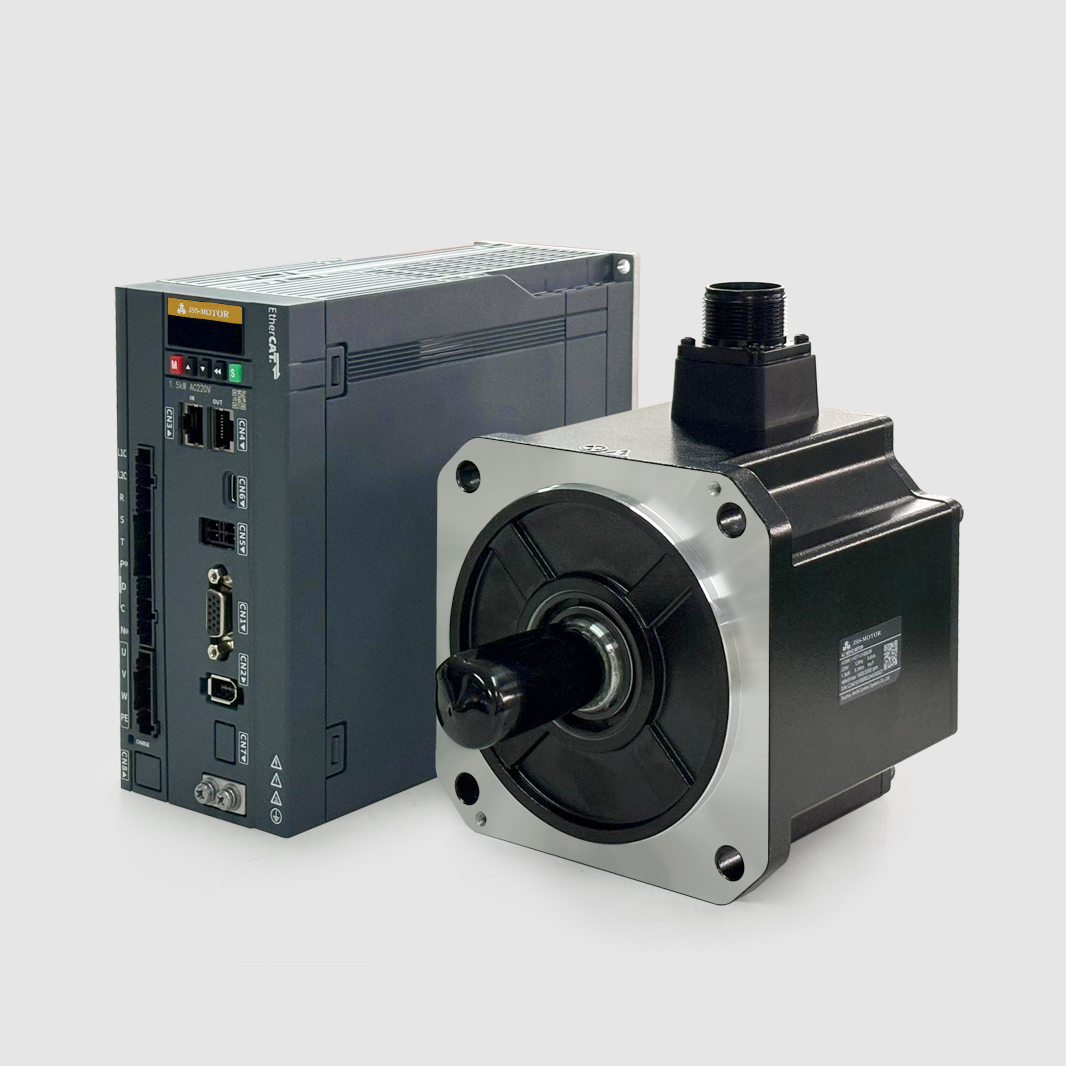
Dynamic performance in automated systems encompasses multiple factors including acceleration capabilities, positioning accuracy, settling time, and the ability to maintain consistent operation under varying load conditions. A responsive servo motor system can dramatically enhance these performance metrics by providing rapid torque generation, precise feedback control, and seamless integration with advanced drive technologies. Modern industrial applications increasingly depend on these capabilities to maintain competitive advantages in manufacturing efficiency and product quality.
Fundamental Principles of Servo Motor Responsiveness
Control Loop Architecture and Response Time
The responsiveness of a servo motor fundamentally depends on its control loop architecture, which typically consists of position, velocity, and current control loops operating at different frequencies. The current loop, operating at the highest frequency, directly influences the motor's ability to generate rapid torque changes in response to command signals. Advanced servo motor systems implement these control loops with sampling rates exceeding 20 kHz, enabling sub-millisecond response times that are essential for high-performance applications.
Feedback resolution plays a critical role in determining servo motor responsiveness, as higher resolution encoders provide more precise position information that enables tighter control and faster settling times. Modern servo motor systems often incorporate high-resolution absolute encoders with 17-bit or higher resolution, allowing for extremely precise positioning and smooth operation even at very low speeds. This enhanced feedback capability directly translates to improved dynamic performance across the entire operating range.
Motor Design Characteristics Affecting Response
The physical design characteristics of a servo motor significantly impact its responsiveness and subsequent dynamic performance capabilities. Low inertia rotors enable rapid acceleration and deceleration, reducing the time required to reach target positions and minimizing settling time. The ratio between motor inertia and load inertia, known as the inertia matching ratio, should typically be maintained between 1:1 and 1:10 for optimal responsiveness and system stability.
High torque-to-inertia ratios in servo motor designs allow for exceptional acceleration capabilities, enabling systems to respond quickly to step changes in position commands. Modern servo motor construction utilizes advanced magnetic materials and optimized winding configurations to maximize torque density while minimizing rotor inertia. These design improvements result in servo motor systems that can achieve acceleration rates exceeding 10,000 rpm per second, dramatically improving dynamic performance in high-speed applications.
Impact on System Acceleration and Deceleration
Rapid Acceleration Capabilities
Enhanced servo motor responsiveness directly translates to superior acceleration performance, enabling machinery to reach operational speeds more quickly and efficiently. The ability of a servo motor to generate high initial torque allows systems to overcome static friction and inertial loads rapidly, reducing cycle times and increasing overall throughput. This rapid acceleration capability is particularly valuable in applications such as pick-and-place operations, packaging machinery, and automated assembly systems where minimizing motion time directly impacts productivity.
Advanced servo motor drive systems implement sophisticated acceleration profiling algorithms that optimize torque delivery throughout the acceleration phase. These systems can dynamically adjust acceleration rates based on load conditions and system constraints, ensuring optimal performance while protecting mechanical components from excessive stress. The result is smooth, controlled acceleration that maximizes speed while maintaining system longevity and reliability.
Controlled Deceleration and Stopping Precision
Responsive servo motor systems excel not only in acceleration but also in providing precise deceleration control that enhances overall dynamic performance. The ability to modulate braking torque accurately allows for smooth deceleration profiles that minimize mechanical shock and vibration while ensuring precise positioning. This controlled deceleration capability is essential in applications requiring frequent start-stop cycles or precise positioning accuracy.
Regenerative braking capabilities in modern servo motor systems not only provide precise deceleration control but also recover energy that would otherwise be dissipated as heat. This energy recovery improves overall system efficiency while reducing thermal stress on drive components. The combination of precise deceleration control and energy recovery significantly enhances the dynamic performance and operational efficiency of automated systems.
Positioning Accuracy and Settling Time Improvements
High-Resolution Feedback Systems
The integration of high-resolution feedback systems in responsive servo motor configurations dramatically improves positioning accuracy and reduces settling time. Advanced encoder technologies, including optical and magnetic encoders with resolution exceeding one million counts per revolution, enable servo motor systems to achieve positioning accuracies measured in micrometers. This exceptional precision is maintained even under varying load conditions and environmental factors, ensuring consistent performance across diverse operating scenarios.
Multi-turn absolute encoders eliminate the need for homing sequences and provide immediate position information upon system startup, further enhancing dynamic performance by reducing initialization time. These advanced feedback systems also incorporate built-in diagnostics and health monitoring capabilities that ensure long-term reliability and performance consistency. The combination of high resolution and absolute positioning capability makes modern servo motor systems ideal for precision manufacturing applications.
Minimized Settling Time Through Optimal Tuning
Responsive servo motor systems achieve minimal settling time through advanced tuning algorithms that optimize control loop parameters for specific application requirements. Auto-tuning capabilities in modern servo drives analyze system characteristics and automatically adjust gain settings to minimize overshoot and oscillation while maximizing response speed. This optimization process ensures that each servo motor system operates at peak performance levels without requiring extensive manual tuning procedures.
Adaptive control algorithms continuously monitor system performance and make real-time adjustments to maintain optimal settling characteristics even as operating conditions change. These systems can compensate for variations in load inertia, friction levels, and environmental factors, ensuring consistent dynamic performance throughout the operational lifecycle. The result is servo motor systems that maintain exceptional positioning accuracy and rapid settling times across diverse operating conditions.
Load Handling and Disturbance Rejection
Dynamic Load Compensation
Advanced servo motor systems demonstrate superior dynamic performance through their ability to handle varying loads while maintaining consistent motion profiles. Sophisticated load estimation algorithms continuously monitor system behavior and adjust control parameters to compensate for changing load conditions. This dynamic adaptation ensures that servo motor performance remains optimal even when handling loads that vary significantly during operation cycles.
Feedforward control strategies enhance servo motor responsiveness by predicting required torque based on commanded motion profiles and known load characteristics. This predictive approach reduces the burden on feedback control loops and minimizes position errors during acceleration and deceleration phases. The combination of dynamic load compensation and feedforward control enables servo motor systems to maintain exceptional accuracy and responsiveness across varying operational demands.
External Disturbance Rejection Capabilities
Responsive servo motor systems excel at rejecting external disturbances that could otherwise degrade dynamic performance and positioning accuracy. Advanced disturbance observer algorithms detect and compensate for unexpected forces or torques that may affect system operation, such as cutting forces in machining applications or varying friction in linear motion systems. This disturbance rejection capability ensures that servo motor systems maintain consistent performance even in challenging operating environments.
High-bandwidth control loops in modern servo motor drives enable rapid response to disturbance inputs, minimizing their impact on system performance. The combination of fast current loops operating at frequencies exceeding 50 kHz and sophisticated filtering algorithms allows servo motor systems to distinguish between commanded motion and unwanted disturbances. This capability is particularly valuable in applications where external forces vary unpredictably, such as robotic assembly operations or material handling systems.
Integration with Advanced Drive Technologies
EtherCAT and Real-Time Communication
The integration of servo motor systems with advanced communication protocols such as EtherCAT significantly enhances dynamic performance through improved synchronization and reduced communication delays. EtherCAT technology enables deterministic communication with cycle times as low as 125 microseconds, allowing for precise coordination between multiple servo motor axes. This enhanced communication capability is essential for applications requiring tight synchronization, such as multi-axis machining centers and coordinated motion systems.
Real-time communication protocols also enable advanced features such as distributed clocks, which ensure precise timing synchronization across all connected servo motor drives. This synchronization capability allows for complex motion profiles that require multiple axes to work in perfect coordination, enhancing overall system dynamic performance. The reduced communication overhead and improved reliability of modern fieldbus systems directly contribute to enhanced servo motor responsiveness and system efficiency.
Advanced Drive Features and Algorithms
Modern servo motor drive systems incorporate sophisticated algorithms that continuously optimize performance based on real-time operating conditions. Machine learning capabilities enable these systems to adapt to changing application requirements and improve performance over time through continuous optimization. Features such as vibration suppression, notch filtering, and adaptive gain scheduling ensure that servo motor systems maintain optimal dynamic performance across diverse operating scenarios.
Integrated safety functions within advanced servo motor drives enhance both performance and operational safety by providing rapid response to emergency conditions while maintaining precise control during normal operation. These safety features include safe torque off, safely-limited speed, and safe direction monitoring, all implemented without compromising dynamic performance. The seamless integration of safety and performance features ensures that servo motor systems can operate at maximum efficiency while meeting stringent safety requirements.
Application-Specific Performance Benefits
Manufacturing and Assembly Operations
In manufacturing and assembly applications, responsive servo motor systems provide significant improvements in cycle times and production throughput. The ability to achieve rapid acceleration and precise positioning enables pick-and-place operations to complete more cycles per minute while maintaining exceptional accuracy. This enhanced performance directly translates to increased productivity and reduced manufacturing costs, making responsive servo motor systems essential for competitive manufacturing operations.
Assembly operations benefit from the smooth motion profiles and precise force control capabilities of advanced servo motor systems. The ability to modulate torque precisely during insertion operations or delicate handling tasks ensures consistent quality while minimizing product damage. These capabilities are particularly valuable in electronics assembly, automotive manufacturing, and precision instrument production where quality and reliability are paramount.
Packaging and Material Handling
Packaging machinery relies heavily on servo motor responsiveness to achieve the high-speed operation required for modern production demands. The ability to synchronize multiple servo motor axes precisely enables complex packaging operations such as form-fill-seal processes to operate at maximum efficiency. Responsive servo motor systems can adapt quickly to different product sizes and packaging formats, reducing changeover times and improving overall equipment effectiveness.
Material handling systems benefit from the enhanced acceleration capabilities and precise positioning control of responsive servo motor systems. Conveyor systems, sorting equipment, and automated storage systems all rely on precise motion control to optimize throughput while maintaining product integrity. The ability to handle varying load conditions and adapt to different material characteristics makes responsive servo motor systems ideal for diverse material handling applications.
Future Developments and Technological Advances
Artificial Intelligence Integration
The integration of artificial intelligence technologies with servo motor systems represents the next frontier in dynamic performance enhancement. AI-powered predictive maintenance algorithms can anticipate potential performance degradation and automatically adjust control parameters to maintain optimal operation. Machine learning capabilities enable servo motor systems to continuously improve their performance characteristics based on historical operating data and real-time feedback.
Advanced AI algorithms can optimize motion profiles in real-time based on varying operational requirements and constraints. These systems can balance multiple performance objectives simultaneously, such as minimizing cycle time while reducing energy consumption and mechanical stress. The result is servo motor systems that continuously adapt and improve their dynamic performance characteristics throughout their operational lifetime.
Enhanced Sensor Integration
Future servo motor systems will incorporate multiple sensor types to provide comprehensive feedback about system operation and environmental conditions. Advanced sensor fusion techniques will combine data from position encoders, accelerometers, temperature sensors, and vibration monitors to create a complete picture of system health and performance. This enhanced sensing capability will enable even more responsive control algorithms and predictive maintenance strategies.
Wireless sensor networks will enable monitoring and control of servo motor systems in challenging environments where traditional wired connections are impractical. These wireless systems will maintain the high-bandwidth communication required for responsive control while providing flexibility in system installation and configuration. The integration of edge computing capabilities will enable local processing and decision-making, further enhancing system responsiveness and reducing dependence on centralized control systems.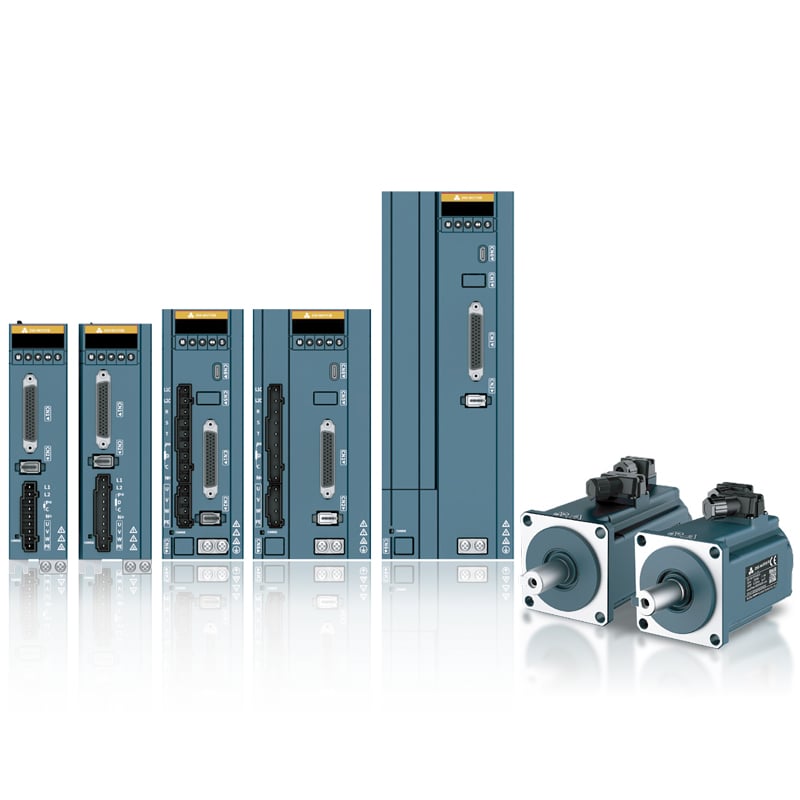
FAQ
What factors most significantly influence servo motor responsiveness?
The most significant factors influencing servo motor responsiveness include control loop bandwidth, feedback resolution, motor inertia characteristics, and drive system capabilities. High-bandwidth control loops operating at frequencies above 20 kHz enable rapid response to command changes. Low rotor inertia allows for quick acceleration and deceleration, while high-resolution encoders provide the precise feedback necessary for accurate control. Advanced drive systems with sophisticated algorithms further enhance responsiveness through optimized control strategies and real-time adaptation to operating conditions.
How does servo motor responsiveness impact overall system efficiency?
Enhanced servo motor responsiveness directly improves system efficiency by reducing cycle times, minimizing settling delays, and optimizing energy usage. Faster response times enable machinery to complete more production cycles per unit time, increasing throughput and productivity. Precise control reduces waste by improving positioning accuracy and minimizing rejected parts. Additionally, responsive servo motor systems can implement energy recovery strategies during deceleration phases, reducing overall power consumption and operating costs.
What role does feedback resolution play in servo motor dynamic performance?
Feedback resolution is crucial for servo motor dynamic performance as it determines the system's ability to detect and respond to small position deviations. Higher resolution encoders enable more precise control and smoother operation, particularly at low speeds where coarse feedback can result in jerky motion. Advanced encoders with 17-bit or higher resolution allow servo motor systems to achieve positioning accuracies measured in micrometers while maintaining stable operation across the entire speed range. This precision directly translates to improved product quality and reduced scrap rates in manufacturing applications.
Can servo motor responsiveness be improved through software optimization alone?
While software optimization can significantly enhance servo motor responsiveness, the greatest improvements are achieved through a combination of advanced hardware and sophisticated control algorithms. Software optimizations such as auto-tuning, adaptive control, and advanced filtering can maximize the performance of existing hardware. However, fundamental limitations such as mechanical inertia, encoder resolution, and drive bandwidth ultimately constrain the maximum achievable responsiveness. The most effective approach combines high-performance hardware components with intelligent software algorithms to achieve optimal dynamic performance across diverse operating conditions.
Table of Contents
- Fundamental Principles of Servo Motor Responsiveness
- Impact on System Acceleration and Deceleration
- Positioning Accuracy and Settling Time Improvements
- Load Handling and Disturbance Rejection
- Integration with Advanced Drive Technologies
- Application-Specific Performance Benefits
- Future Developments and Technological Advances
- FAQ