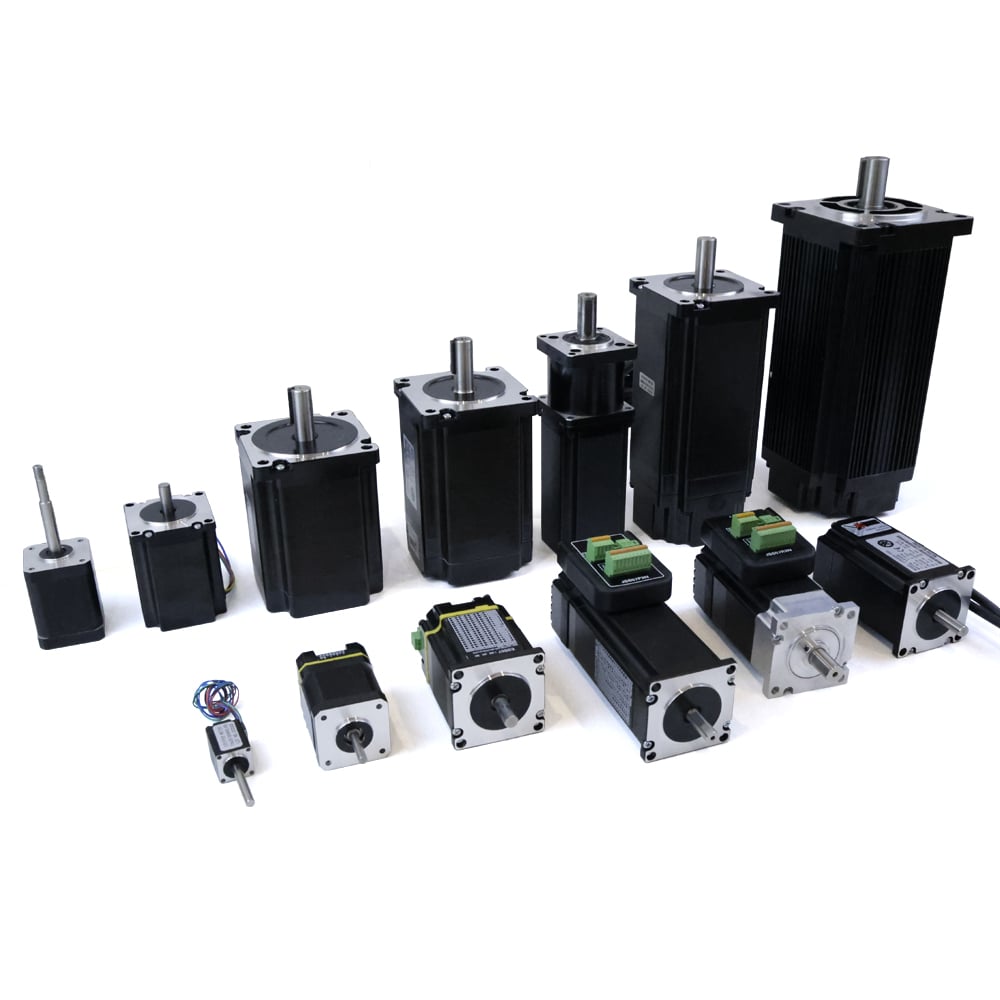
When integrating automation systems, the compatibility between a stepper motor and driver becomes a critical factor that determines overall system performance. Mismatched components can lead to significant operational inefficiencies, reduced precision, and premature equipment failure. Understanding the fundamental relationship between these two components helps engineers avoid costly mistakes and optimize their motion control applications. The complexity of modern industrial applications demands precise coordination between motor specifications and driver capabilities to achieve desired performance outcomes.
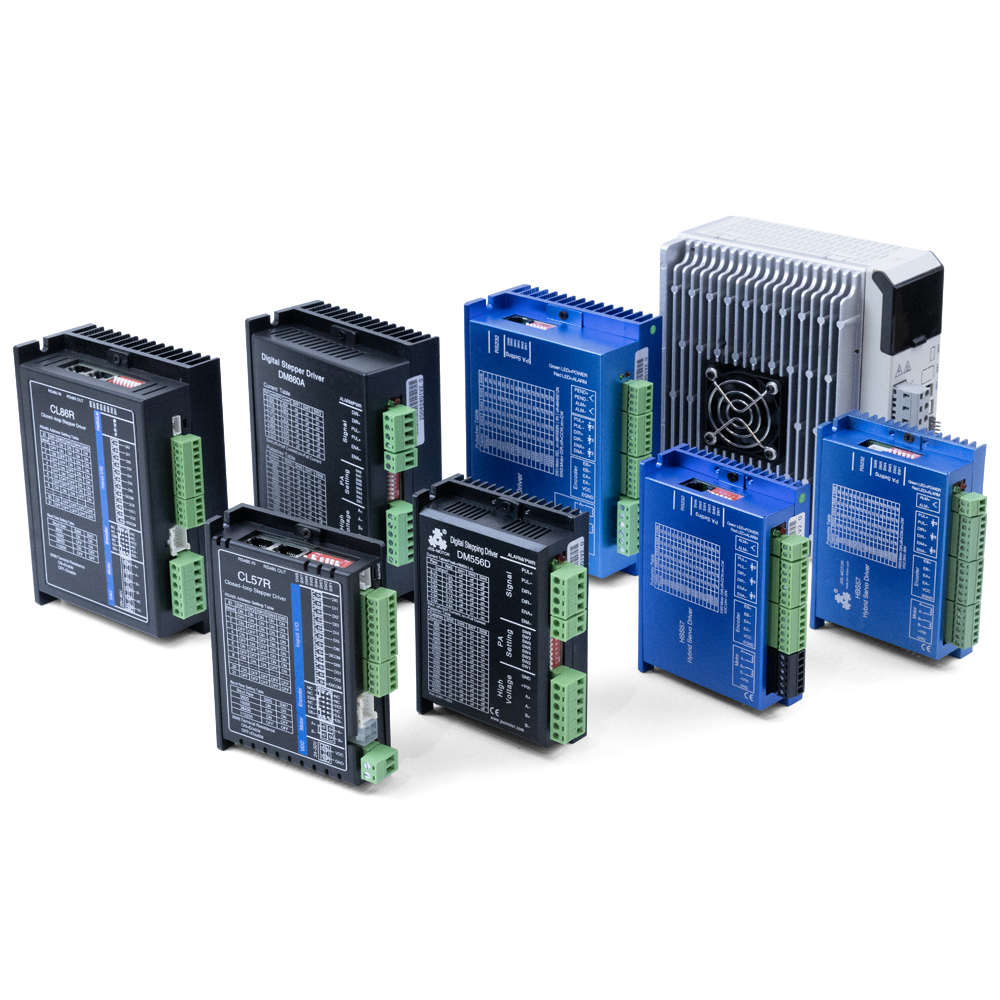
Understanding Stepper Motor and Driver Compatibility Requirements
Electrical Characteristics Matching
The electrical specifications between a stepper motor and driver must align precisely to prevent performance degradation and component damage. Voltage ratings represent one of the most critical matching criteria, as excessive voltage can cause motor overheating and insulation breakdown. Conversely, insufficient voltage limits the motor's ability to maintain torque at higher speeds, resulting in step loss and positioning errors. Current ratings also play a vital role in determining compatibility, where mismatched current specifications can lead to either underpowered operation or excessive heat generation.
Phase configuration compatibility ensures proper motor operation and prevents electrical conflicts that could damage both components. Two-phase and five-phase systems require specific driver architectures that cannot be interchanged without significant performance penalties. The impedance characteristics of the stepper motor and driver combination directly affect the system's dynamic response and settling time. Engineers must carefully evaluate these electrical parameters during the selection process to ensure optimal performance and longevity.
Mechanical Performance Alignment
Torque requirements and speed capabilities must be properly matched between the stepper motor and driver to achieve desired mechanical performance. The driver's microstepping capabilities should complement the motor's inherent resolution to provide the required positioning accuracy. Step angle precision becomes compromised when the driver cannot adequately control the motor's electromagnetic fields, leading to positioning errors and reduced repeatability. The mechanical time constants of the motor must align with the driver's control algorithms to prevent oscillations and instability.
Load characteristics and inertial matching between the motor and driven components require careful consideration of the driver's acceleration and deceleration profiles. Improper matching can result in resonance issues, where the system exhibits unwanted vibrations at specific operating frequencies. The driver's feedback capabilities must be compatible with the motor's encoder or sensor systems to provide accurate position and velocity information. These mechanical considerations directly impact the overall system's precision and operational smoothness.
Common Performance Issues from Mismatched Components
Torque and Power Delivery Problems
Inadequate torque delivery represents one of the most frequently encountered issues when using mismatched stepper motor and driver combinations. When the driver cannot provide sufficient current to the motor windings, the resulting torque output falls below application requirements, causing step loss and positioning errors. This problem becomes particularly pronounced at higher operating speeds, where the motor's back EMF limits the driver's ability to maintain adequate current flow. The relationship between torque and speed becomes severely compromised, limiting the system's operational envelope.
Power dissipation imbalances occur when the driver's current regulation algorithms are not optimized for the specific motor characteristics. Excessive power consumption not only reduces system efficiency but also generates unnecessary heat that can damage both components. The thermal management requirements increase significantly when components are mismatched, often requiring additional cooling systems that increase overall system complexity and cost. These power-related issues can cascade into other performance problems, creating a cycle of degraded operation.
Precision and Accuracy Deterioration
Step accuracy suffers dramatically when the driver's control signals are not properly calibrated for the motor's electromagnetic characteristics. Microstep interpolation becomes unreliable, resulting in non-linear positioning errors that accumulate over multiple moves. The driver's current control algorithms may not be optimized for the motor's inductance and resistance values, leading to inconsistent step sizes and poor repeatability. These precision issues become more pronounced in applications requiring high resolution positioning or smooth motion profiles.
Dynamic response characteristics deteriorate when the stepper motor and driver are not properly matched, resulting in increased settling times and overshoot. The system's ability to respond to rapid direction changes or speed variations becomes compromised, affecting overall throughput and productivity. Position holding accuracy may also be affected, as the driver's idle current settings might not provide adequate detent torque for the specific motor design. These accuracy problems can render precision applications unusable without significant compensation mechanisms.
Thermal Management and Reliability Concerns
Heat Generation and Distribution Issues
Mismatched stepper motor and driver combinations often result in excessive heat generation due to inefficient current control and poor electromagnetic coupling. The driver may operate outside its optimal efficiency range, converting excess electrical energy into heat rather than useful mechanical work. This thermal stress accelerates component aging and can lead to premature failure of both the motor windings and driver power semiconductors. The heat distribution becomes uneven, creating hot spots that further compromise system reliability and performance consistency.
Thermal cycling effects become more severe when components operate at elevated temperatures due to poor matching. The expansion and contraction of materials can affect mechanical tolerances and electrical connections, leading to intermittent failures and degraded performance over time. The motor's permanent magnets may experience demagnetization if exposed to excessive temperatures, permanently reducing torque output and positioning accuracy. These thermal issues require careful monitoring and often necessitate derating the system's performance specifications to maintain acceptable reliability levels.
Component Longevity and Maintenance Requirements
The operational lifespan of both stepper motor and driver components decreases significantly when they are not properly matched for the application requirements. Bearing wear accelerates due to increased vibration and heat generation, requiring more frequent maintenance and replacement. The driver's power components experience higher stress levels, leading to earlier failure and increased downtime costs. Insulation degradation in motor windings occurs more rapidly when exposed to thermal stress from mismatched operation.
Preventive maintenance intervals must be shortened when using mismatched components, increasing operational costs and reducing system availability. The unpredictable nature of failures in mismatched systems makes maintenance planning more difficult and expensive. Quality control becomes more challenging as performance variations increase with component mismatch, requiring more frequent calibration and adjustment procedures. These reliability concerns often necessitate keeping spare components on hand, further increasing the total cost of ownership.
Impact on System Performance and Efficiency
Speed and Acceleration Limitations
The maximum achievable speed of a stepper motor and driver system becomes severely limited when components are mismatched. The driver's voltage headroom may be insufficient to overcome the motor's back EMF at higher speeds, causing premature torque rolloff and step loss. Acceleration and deceleration profiles must be significantly reduced to maintain reliable operation, directly impacting system throughput and productivity. The optimal operating speed range becomes narrower, limiting the system's flexibility for varying application requirements.
Resonance avoidance becomes more challenging with mismatched components, as the natural frequencies of the system may fall within the normal operating range. The driver's microstepping algorithms may not be optimized for the motor's mechanical characteristics, leading to increased vibration and noise at certain speeds. These speed limitations often require mechanical gear reduction or different motor technologies to achieve the desired performance, increasing system complexity and cost. The overall dynamic performance of automated systems suffers when speed capabilities are compromised.
Energy Efficiency and Operating Costs
Energy efficiency drops significantly when using mismatched stepper motor and driver combinations due to poor current regulation and timing control. The driver may operate in less efficient modes to accommodate the motor's characteristics, converting more electrical energy into waste heat. Power factor correction becomes less effective, leading to higher utility costs and potential power quality issues in industrial facilities. The overall energy consumption of the motion control system increases, impacting operational profitability and environmental sustainability goals.
Operating costs escalate due to increased maintenance requirements, higher energy consumption, and reduced system reliability. The need for additional cooling systems and protective devices adds to both initial investment and ongoing operational expenses. Production efficiency decreases due to more frequent downtime and reduced operating speeds, affecting overall manufacturing competitiveness. These economic impacts often justify the additional investment in properly matched components, despite higher initial costs.
Diagnostic Techniques and Troubleshooting Methods
Performance Monitoring and Analysis
Effective diagnostic techniques for identifying stepper motor and driver mismatch issues begin with comprehensive performance monitoring systems. Oscilloscope analysis of current and voltage waveforms can reveal timing issues, current regulation problems, and electromagnetic compatibility concerns. Temperature monitoring of both motor and driver components helps identify thermal stress conditions that indicate poor matching. Vibration analysis can detect resonance issues and mechanical coupling problems that result from incompatible component specifications.
Position feedback systems provide valuable data for assessing step accuracy and repeatability issues associated with component mismatch. Torque measurement techniques can quantify the actual output performance compared to theoretical specifications. Power analysis tools help identify efficiency losses and energy waste that indicate suboptimal component matching. These diagnostic approaches enable engineers to quantify the impact of component mismatch and develop appropriate corrective measures.
Corrective Measures and Optimization Strategies
Parameter adjustment and fine-tuning of driver settings can sometimes compensate for minor component mismatches without requiring hardware changes. Current limiting, microstepping resolution, and acceleration profiles can be optimized to work within the constraints of mismatched components. Software compensation algorithms can be implemented to correct for known positioning errors and timing issues. These corrective measures may provide temporary solutions while proper component matching is arranged.
Hardware modifications such as adding series or parallel resistances, inductors, or capacitors can sometimes improve compatibility between mismatched stepper motor and driver systems. External cooling systems may be necessary to manage thermal issues resulting from poor component matching. In severe cases, intermediate coupling devices or signal conditioning circuits may be required to achieve acceptable performance. However, these corrective measures often add complexity and cost that exceeds the benefits of proper component selection from the beginning.
Selection Criteria for Optimal Component Matching
Technical Specification Analysis
Proper selection of compatible stepper motor and driver combinations requires thorough analysis of electrical, mechanical, and thermal specifications. Voltage and current ratings must be matched within acceptable tolerances to ensure reliable operation and optimal performance. Phase configuration, step angle, and holding torque specifications must align with application requirements and driver capabilities. The motor's inductance and resistance values should fall within the driver's recommended operating range for optimal current control and efficiency.
Dynamic characteristics such as rotor inertia, detent torque, and maximum speed capabilities must be considered when selecting compatible components. The driver's microstepping resolution should complement the motor's inherent accuracy requirements for the specific application. Feedback system compatibility ensures proper closed-loop operation when position or velocity control is required. Environmental specifications including temperature range, protection ratings, and vibration resistance must be matched for reliable operation in the intended application environment.
Application-Specific Considerations
Load characteristics including inertia, friction, and external forces directly influence the selection criteria for stepper motor and driver combinations. Precision requirements determine the necessary resolution and accuracy specifications for both components. Speed and acceleration requirements establish the minimum performance envelope that must be supported by the selected components. Duty cycle and operational patterns affect thermal management requirements and component sizing decisions.
Integration requirements with existing control systems influence communication protocols, signal formats, and interface specifications. Space constraints may limit component selection options and require compact designs with specific mounting configurations. Cost considerations must balance initial investment with long-term operational expenses and maintenance requirements. Vendor support and availability of replacement parts become important factors for critical applications requiring high availability and minimal downtime.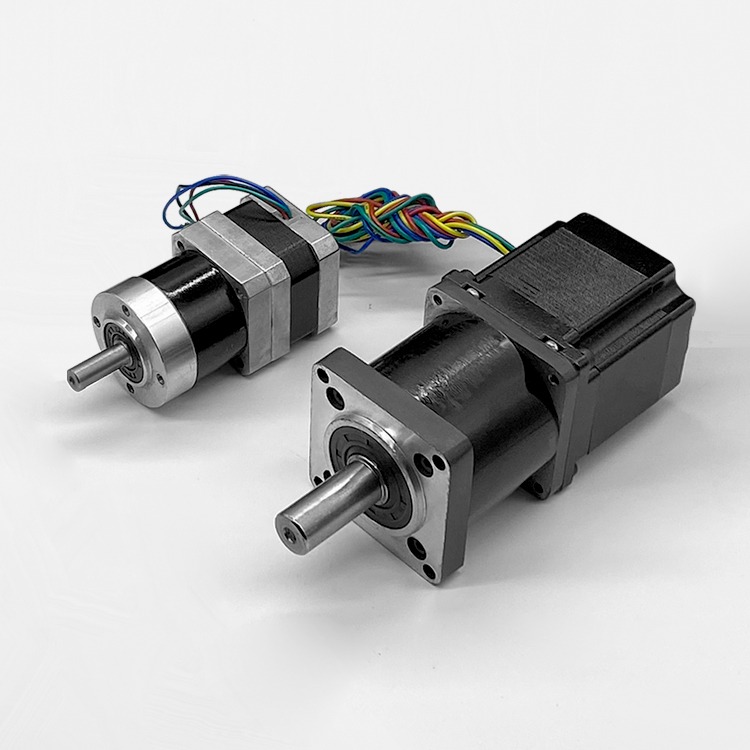
FAQ
What are the most common signs of stepper motor and driver mismatch?
The most common signs include excessive heat generation in either component, irregular or noisy operation, step loss at normal operating speeds, poor positioning accuracy, and premature component failure. Vibration, resonance at certain speeds, and inability to reach specified torque or speed ratings also indicate compatibility issues. Monitoring current consumption, temperature, and positioning accuracy can help identify mismatch problems early before they cause permanent damage.
Can software adjustments compensate for mismatched stepper motor and driver combinations?
Software adjustments can provide limited compensation for minor mismatches, including current limiting, microstepping optimization, and modified acceleration profiles. However, fundamental electrical or mechanical incompatibilities cannot be fully corrected through software alone. While these adjustments may improve operation temporarily, they often result in reduced performance, efficiency, or reliability compared to properly matched components. Major mismatches typically require hardware changes for optimal operation.
How does component mismatch affect the total cost of ownership for motion control systems?
Component mismatch significantly increases total cost of ownership through higher energy consumption, increased maintenance requirements, shorter component lifespan, and reduced system availability. Additional cooling systems, protective devices, and spare components add to operational costs. Reduced productivity due to lower speeds and frequent downtime further impacts profitability. The initial savings from using mismatched components are typically offset by these higher operational costs within the first year of operation.
What diagnostic tools are most effective for identifying stepper motor and driver compatibility issues?
Oscilloscopes for analyzing current and voltage waveforms, thermal imaging cameras for identifying hot spots, vibration analyzers for detecting resonance issues, and power analyzers for measuring efficiency are the most effective diagnostic tools. Position feedback systems help quantify accuracy problems, while current probes can verify proper current regulation. Combination of multiple diagnostic approaches provides comprehensive assessment of component compatibility and system performance.
Table of Contents
- Understanding Stepper Motor and Driver Compatibility Requirements
- Common Performance Issues from Mismatched Components
- Thermal Management and Reliability Concerns
- Impact on System Performance and Efficiency
- Diagnostic Techniques and Troubleshooting Methods
- Selection Criteria for Optimal Component Matching
-
FAQ
- What are the most common signs of stepper motor and driver mismatch?
- Can software adjustments compensate for mismatched stepper motor and driver combinations?
- How does component mismatch affect the total cost of ownership for motion control systems?
- What diagnostic tools are most effective for identifying stepper motor and driver compatibility issues?