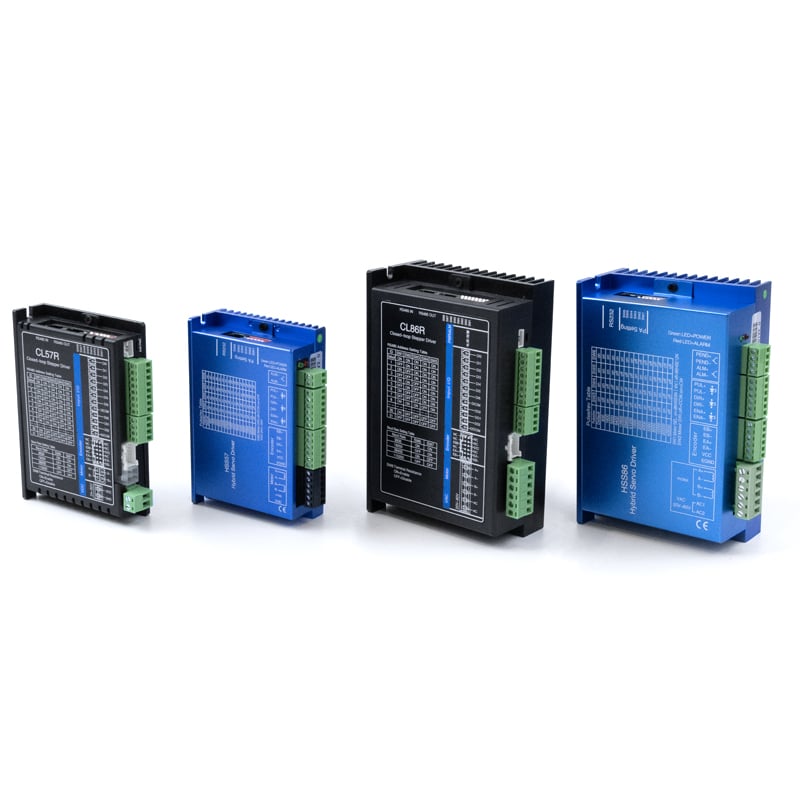
Achieving optimal motion control performance in industrial applications requires precise coordination between stepper motor and driver components. The relationship between these two essential elements determines the overall stability, accuracy, and reliability of automated systems. When properly tuned, a stepper motor and driver configuration can deliver exceptional positioning accuracy while minimizing vibration, heat generation, and electrical noise. Understanding the intricacies of this relationship is crucial for engineers and technicians who demand consistent performance from their motion control systems.
Understanding the Fundamentals of Stepper Motor and Driver Integration
The Symbiotic Relationship Between Motor and Driver
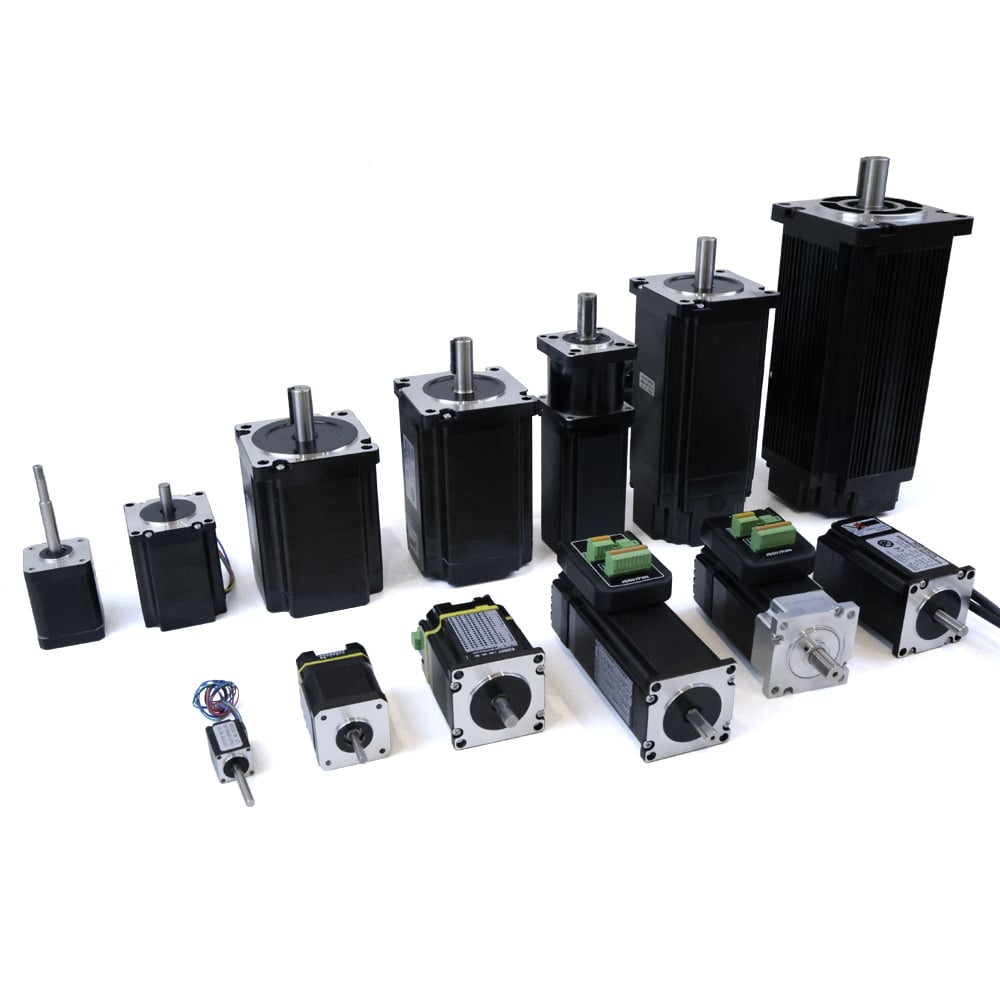
The stepper motor and driver system operates as an integrated unit where each component's characteristics directly influence the other's performance. A stepper motor converts electrical pulses into precise mechanical rotation, while the driver circuit controls the current flow, timing, and sequencing of these pulses. This partnership requires careful consideration of electrical parameters, mechanical load characteristics, and environmental factors to achieve optimal stability.
Modern stepper motor and driver combinations utilize advanced control algorithms that monitor feedback signals and adjust operating parameters in real-time. These sophisticated systems can compensate for load variations, temperature changes, and supply voltage fluctuations that would otherwise compromise positioning accuracy. The driver's microstepping capability allows for smoother rotation and reduced resonance, significantly improving overall system stability.
Critical Parameters Affecting System Stability
Several key parameters determine how well a stepper motor and driver combination performs under varying conditions. Current regulation is perhaps the most critical factor, as it directly affects torque output, heat generation, and electromagnetic interference. Proper current tuning ensures that the motor receives adequate power while preventing excessive heating that could lead to performance degradation or component failure.
Timing parameters such as pulse frequency, acceleration profiles, and hold current settings also play vital roles in system stability. A well-tuned stepper motor and driver setup will exhibit smooth acceleration and deceleration curves without sudden velocity changes that could cause mechanical stress or positioning errors. These parameters must be carefully balanced to match the specific requirements of each application.
Advanced Tuning Techniques for Enhanced Performance
Current Control Optimization Strategies
Effective current control represents the foundation of stable stepper motor and driver operation. Advanced drivers incorporate sophisticated current regulation circuits that can adapt to changing load conditions and maintain consistent torque output throughout the operating range. These systems utilize feedback mechanisms to monitor actual current flow and make real-time adjustments to compensate for variations in motor impedance or supply voltage.
The implementation of decay control algorithms further enhances current regulation by managing how quickly current decreases between step transitions. Fast decay modes provide rapid current changes for high-speed operation, while slow decay modes offer smoother current transitions for applications requiring minimal vibration. A properly configured stepper motor and driver system will automatically select the appropriate decay mode based on operating conditions.
Microstepping Configuration and Benefits
Microstepping technology represents one of the most significant advances in stepper motor and driver control, enabling smooth rotation and precise positioning that was previously unattainable with full-step operation. By subdividing each full step into multiple microsteps, the driver can create nearly sinusoidal current waveforms that eliminate the characteristic stepping motion and associated vibrations.
The selection of microstep resolution requires careful consideration of application requirements and system capabilities. Higher microstep resolutions provide smoother motion and reduced noise but may sacrifice some torque and positioning accuracy at very low speeds. A well-tuned stepper motor and driver system will balance these competing factors to achieve optimal performance for specific operating conditions.
Addressing Common Stability Challenges
Resonance Mitigation Techniques
Mechanical resonance represents one of the most common stability challenges encountered in stepper motor and driver applications. This phenomenon occurs when the natural frequency of the mechanical system matches the stepping frequency, resulting in excessive vibration, noise, and potential loss of position accuracy. Understanding and addressing resonance requires comprehensive analysis of both electrical and mechanical system characteristics.
Modern stepper motor and driver systems incorporate various anti-resonance features designed to minimize these effects. Damping algorithms can detect resonant conditions and automatically adjust current levels or stepping patterns to reduce vibration. Some advanced drivers also offer resonance compensation modes that apply controlled torque variations to counteract natural oscillations in the mechanical system.
Load Matching and Torque Optimization
Proper load matching ensures that the stepper motor and driver system operates within its optimal performance envelope while maintaining adequate safety margins. Insufficient torque capacity can result in missed steps and positioning errors, while excessive torque capability leads to unnecessary power consumption and heat generation. The key lies in selecting components that provide appropriate torque reserves while maintaining efficient operation.
Dynamic load analysis becomes particularly important for applications involving varying loads or complex motion profiles. A properly tuned stepper motor and driver combination will maintain stable operation throughout the entire duty cycle, automatically adjusting current levels and timing parameters to accommodate load changes without compromising positioning accuracy or system reliability.
Environmental Considerations and Adaptive Control
Temperature Compensation Strategies
Temperature variations significantly impact stepper motor and driver performance by affecting electrical resistance, magnetic properties, and mechanical clearances. Advanced driver circuits incorporate temperature monitoring and compensation features that automatically adjust operating parameters to maintain consistent performance across varying environmental conditions. These systems can modify current levels, timing parameters, and control algorithms based on real-time temperature measurements.
Thermal management becomes especially critical in high-power applications where excessive heat generation can lead to performance degradation or component failure. A well-designed stepper motor and driver system will incorporate effective cooling strategies and thermal protection features to ensure reliable operation under demanding conditions. This includes intelligent current reduction algorithms that minimize heat generation during idle periods while maintaining adequate holding torque.
Supply Voltage Regulation and Power Management
Stable supply voltage is essential for consistent stepper motor and driver performance, as voltage fluctuations directly affect current regulation accuracy and torque output. Advanced power management circuits can compensate for supply voltage variations by adjusting pulse timing and current control parameters to maintain consistent motor performance. These systems often incorporate energy recovery features that capture and reuse energy from motor deceleration, improving overall system efficiency.
Power supply design considerations extend beyond simple voltage regulation to include ripple rejection, transient response, and electromagnetic compatibility. A properly engineered stepper motor and driver system will maintain stable operation even under challenging electrical conditions, ensuring reliable performance in industrial environments where power quality may be compromised.
Integration with Modern Control Systems
Communication Protocols and Real-Time Monitoring
Contemporary stepper motor and driver systems increasingly incorporate advanced communication capabilities that enable seamless integration with modern automation platforms. Industrial communication protocols such as Ethernet/IP, Modbus, and CANopen allow for real-time monitoring and control of multiple motor axes while providing comprehensive diagnostic information to help optimize system performance.
These communication features enable predictive maintenance strategies by continuously monitoring operating parameters and identifying potential issues before they result in system failures. Intelligent stepper motor and driver combinations can report current consumption, temperature readings, and performance metrics that help maintenance personnel optimize system settings and schedule preventive maintenance activities.
Software Configuration and Optimization Tools
Modern software tools have revolutionized the process of configuring and optimizing stepper motor and driver systems. These applications provide intuitive interfaces for adjusting operating parameters, analyzing performance data, and implementing advanced control algorithms without requiring extensive programming knowledge. Many tools also include simulation capabilities that allow engineers to test different configurations before implementing changes in production systems.
Automated tuning functions represent particularly valuable features that can analyze system characteristics and recommend optimal parameter settings for specific applications. These algorithms consider factors such as load inertia, friction characteristics, and performance requirements to generate customized configuration files that maximize system stability and performance. The result is significantly reduced commissioning time and improved system reliability compared to manual tuning approaches.
Future Developments in Stepper Motor and Driver Technology
Artificial Intelligence and Machine Learning Applications
The integration of artificial intelligence and machine learning technologies promises to further enhance stepper motor and driver performance by enabling adaptive control algorithms that continuously optimize system operation based on real-world performance data. These advanced systems can learn from operating experience and automatically adjust parameters to improve efficiency, reduce wear, and enhance positioning accuracy over time.
Predictive analytics capabilities will enable stepper motor and driver systems to anticipate maintenance requirements and performance degradation before they affect system operation. By analyzing patterns in current consumption, vibration signatures, and temperature profiles, these intelligent systems can provide early warning of potential issues and recommend corrective actions to maintain optimal performance.
Enhanced Integration and Connectivity Features
Future stepper motor and driver developments will likely focus on enhanced connectivity and integration capabilities that support the growing demands of Industry 4.0 applications. This includes improved support for cloud-based monitoring and control systems, enhanced cybersecurity features, and more sophisticated diagnostic capabilities that provide detailed insights into system performance and health.
Standardization efforts will continue to improve interoperability between different manufacturers' products, making it easier to create integrated solutions that combine components from multiple suppliers. These developments will enable more flexible and cost-effective stepper motor and driver solutions that can adapt to changing application requirements without requiring complete system redesigns.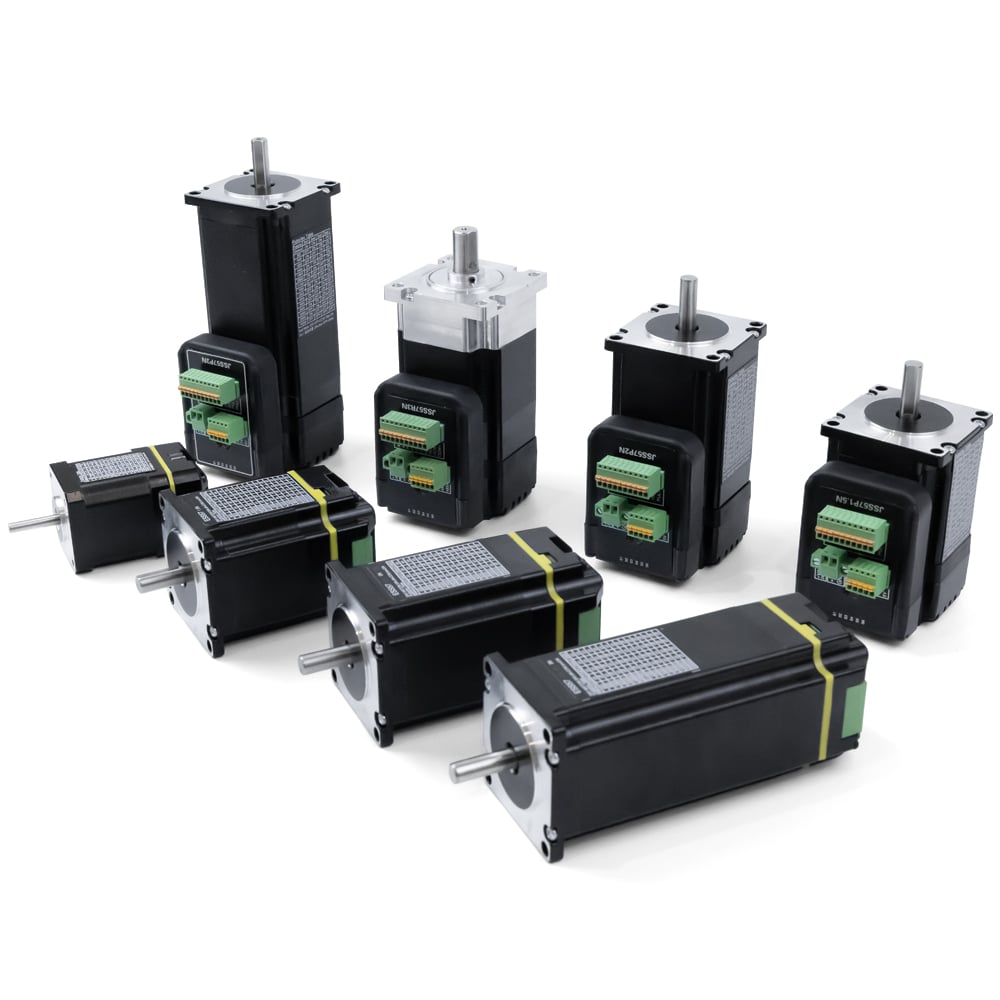
FAQ
What are the most important factors to consider when tuning a stepper motor and driver system?
The most critical factors include proper current regulation to match motor specifications, appropriate microstep resolution selection based on application requirements, and careful consideration of load characteristics including inertia and friction. Temperature compensation, supply voltage stability, and resonance mitigation also play essential roles in achieving optimal performance. Each parameter must be balanced to achieve the best combination of accuracy, stability, and efficiency for the specific application.
How does microstepping improve stepper motor and driver stability?
Microstepping significantly enhances stability by creating smoother current transitions between motor phases, which reduces mechanical vibration and electromagnetic noise. This technique subdivides each full step into multiple smaller increments, resulting in nearly sinusoidal current waveforms that eliminate the characteristic jerky motion associated with full-step operation. The result is improved positioning accuracy, reduced resonance effects, and smoother operation across all speed ranges.
What role does temperature play in stepper motor and driver performance?
Temperature variations affect multiple aspects of system performance including motor resistance, magnetic properties, and mechanical clearances. Higher temperatures reduce motor torque output while increasing power consumption and the risk of thermal damage. Advanced stepper motor and driver systems incorporate temperature monitoring and compensation features that automatically adjust current levels and control parameters to maintain consistent performance across varying environmental conditions.
How can resonance issues be identified and resolved in stepper motor applications?
Resonance typically manifests as excessive vibration, noise, or sudden changes in motor performance at specific speed ranges. These issues can be identified through careful observation of system behavior across different operating speeds and loads. Resolution strategies include implementing anti-resonance algorithms, adjusting microstepping resolution, modifying current decay settings, or incorporating mechanical damping elements. Modern stepper motor and driver systems often include built-in resonance detection and mitigation features that automatically adjust operating parameters to minimize these effects.
Table of Contents
- Understanding the Fundamentals of Stepper Motor and Driver Integration
- Advanced Tuning Techniques for Enhanced Performance
- Addressing Common Stability Challenges
- Environmental Considerations and Adaptive Control
- Integration with Modern Control Systems
- Future Developments in Stepper Motor and Driver Technology
-
FAQ
- What are the most important factors to consider when tuning a stepper motor and driver system?
- How does microstepping improve stepper motor and driver stability?
- What role does temperature play in stepper motor and driver performance?
- How can resonance issues be identified and resolved in stepper motor applications?