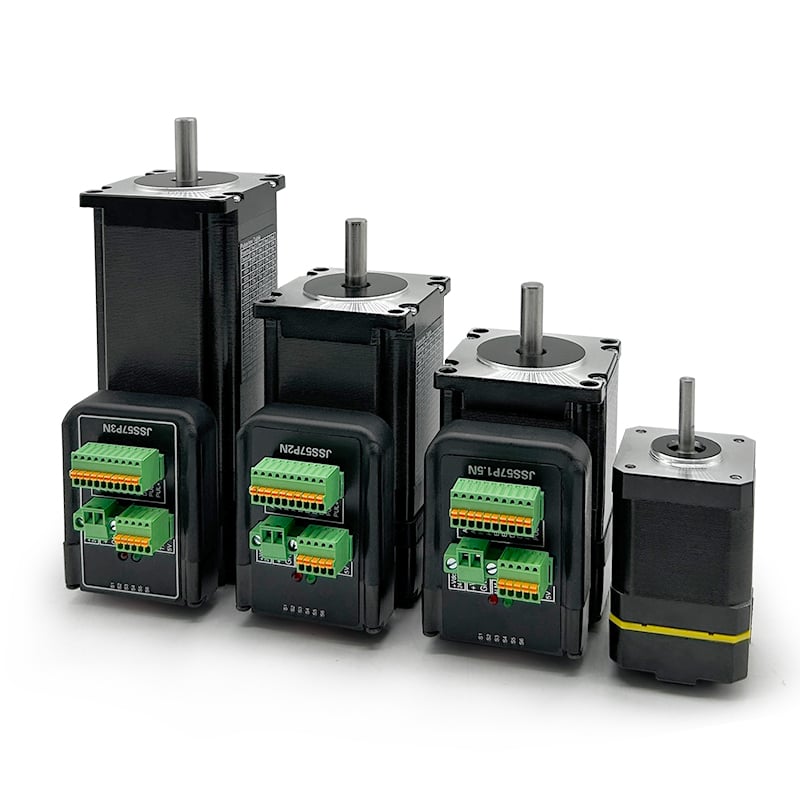
In any motion control system, precise and repeatable movement is not optional — it is the foundation of reliable operation. The stepper motor driver is the critical component that makes this precision possible. Without a properly functioning stepper motor driver, even the most capable stepper motor cannot perform its intended task. Understanding the role of the stepper motor driver helps engineers, system integrators, and procurement professionals make smarter design and sourcing decisions.
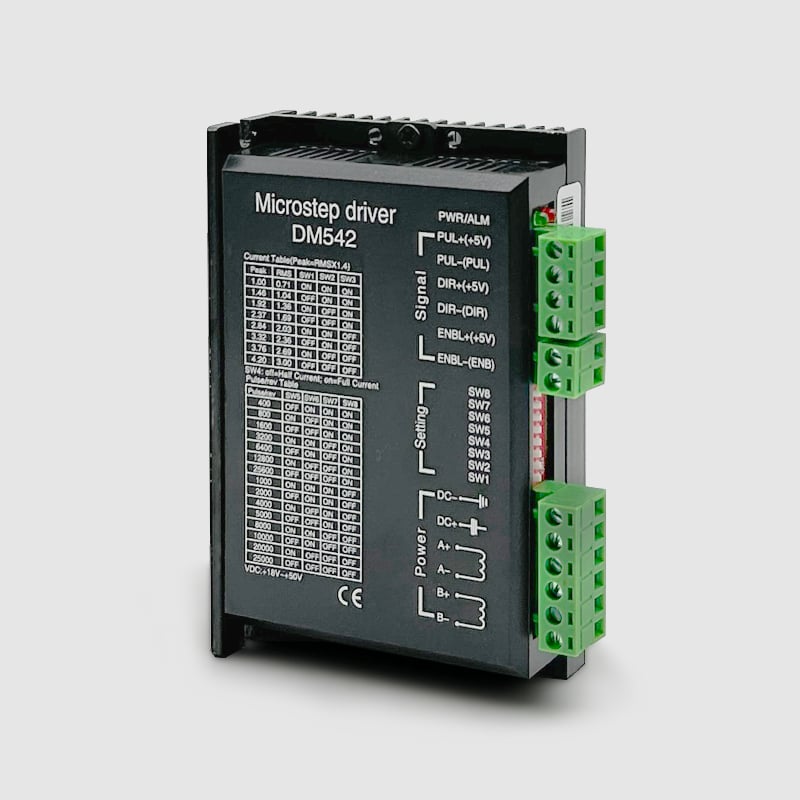
A stepper motor driver acts as the intermediary between a motion controller or PLC and the stepper motor itself. It interprets low-level command signals and translates them into the precise electrical pulses that energize the motor's coils in a controlled sequence. The stepper motor driver governs how much current flows into each winding, how fast the motor steps, and how smoothly the rotor moves from one position to the next. Every aspect of motor performance depends on the quality and configuration of the stepper motor driver in the system.
Core Function of a Stepper Motor Driver
Signal Interpretation and Pulse Generation
The primary job of a stepper motor driver is to receive direction and step pulse signals from the controller and convert them into phased current outputs. Each incoming pulse from the controller causes the stepper motor driver to advance the motor by one step or microstep. The stepper motor driver handles all the low-level electrical switching internally, so the host controller only needs to send simple digital pulses. This division of responsibility makes system design significantly cleaner and more scalable.
A well-designed stepper motor driver processes these signals with minimal latency, ensuring that commanded positions translate into actual rotor positions without delay or error. The stepper motor driver also includes input filtering and signal conditioning to reject electrical noise, which is particularly important in industrial environments where electromagnetic interference is common. Without these protective functions in the stepper motor driver, false steps or missed steps could compromise the entire system's accuracy.
Current Control and Motor Protection
Another essential function of the stepper motor driver is current regulation. Stepper motors require a specific current level through each winding to generate the correct holding and dynamic torque. The stepper motor driver uses chopper-based current control techniques to maintain accurate winding current regardless of load changes or supply voltage fluctuations. This means the stepper motor driver actively protects the motor from overheating by limiting current to the configured maximum value.
Most modern stepper motor driver designs also incorporate automatic current reduction when the motor is at rest. This standby current reduction feature, built into the stepper motor driver, extends motor life, reduces energy consumption, and keeps both the driver and motor at safe operating temperatures during idle periods. These thermal management capabilities are a direct result of intelligent design within the stepper motor driver circuitry.
Microstepping and Positional Resolution
How Microstepping Improves System Performance
One of the most impactful capabilities a stepper motor driver brings to a motion control system is microstepping. Standard full-step operation produces audible noise and mechanical vibration that can affect system precision and longevity. The stepper motor driver overcomes this limitation by dividing each full step into smaller increments, known as microsteps. By controlling the current waveform flowing through each winding, the stepper motor driver creates intermediate rotor positions that result in smoother motion and finer resolution.
A stepper motor driver supporting 16 or 32 microsteps per full step multiplies the effective positional resolution of the motor many times over. This is critical in applications like CNC machining, laser engraving, 3D printing, and precision dispensing, where movement accuracy directly affects output quality. The stepper motor driver's microstepping resolution is therefore not just a technical specification — it is a practical performance factor that determines what the system can and cannot achieve.
Matching Stepper Motor Driver Settings to Application Needs
A stepper motor driver typically allows the user to configure both current level and microstep resolution through DIP switches or software parameters. Selecting the right settings on the stepper motor driver for a given application requires balancing speed, torque, resolution, and thermal performance. A stepper motor driver set to a high microstep value delivers smoother motion but may reduce torque at higher speeds, while a lower microstep setting preserves torque but increases vibration. Engineers must evaluate these trade-offs when commissioning the stepper motor driver for any system.
Stepper Motor Driver Integration in Motion Systems
Interface Compatibility and Control Architecture
A stepper motor driver must be compatible with the signals generated by the upstream controller. Most industrial stepper motor driver models accept differential or single-ended step and direction signals, and some support pulse-and-direction as well as clockwise-counterclockwise modes. Ensuring signal compatibility between the controller and the stepper motor driver is a fundamental integration task. Mismatched signal types are a common source of commissioning errors, so verifying stepper motor driver input specifications before installation is essential.
The stepper motor driver also plays a role in system-level diagnostics. Many modern stepper motor driver units provide fault output signals that alert the controller when overcurrent, overvoltage, or overtemperature conditions occur. These feedback signals from the stepper motor driver allow the host system to halt operation safely before damage occurs. Incorporating stepper motor driver fault monitoring into the system logic is a best practice in any serious motion control application.
Power Supply and Wiring Considerations
The stepper motor driver draws power from a DC supply and must be matched to the motor's voltage and current ratings. Selecting a power supply that meets the stepper motor driver's input voltage range while providing adequate current headroom ensures stable operation under dynamic load conditions. Proper wiring practices — including shielded cables, correct grounding, and physical separation of signal and power lines — help the stepper motor driver perform at its rated specification and reduce the risk of interference-induced errors.
FAQ
What is the difference between a stepper motor driver and a stepper motor controller?
A stepper motor driver handles the electrical power delivery to the motor windings based on input signals, while a stepper motor controller generates those signals as part of a motion planning system. The stepper motor driver focuses on precise current switching, whereas the controller manages trajectory, timing, and coordination across multiple axes.
Can one stepper motor driver work with different stepper motor sizes?
Yes, a single stepper motor driver model can often work with different motor sizes as long as the motor's current and voltage requirements fall within the stepper motor driver's rated output range. The stepper motor driver's current setting must be adjusted to match the specific motor being used to avoid overheating or insufficient torque.
How does a stepper motor driver affect positioning accuracy?
The stepper motor driver directly affects positioning accuracy through its microstepping resolution, current control stability, and signal processing speed. A stepper motor driver with finer microstepping and stable current regulation produces more accurate and repeatable positioning, which is why choosing a high-quality stepper motor driver is a critical decision in precision motion system design.