
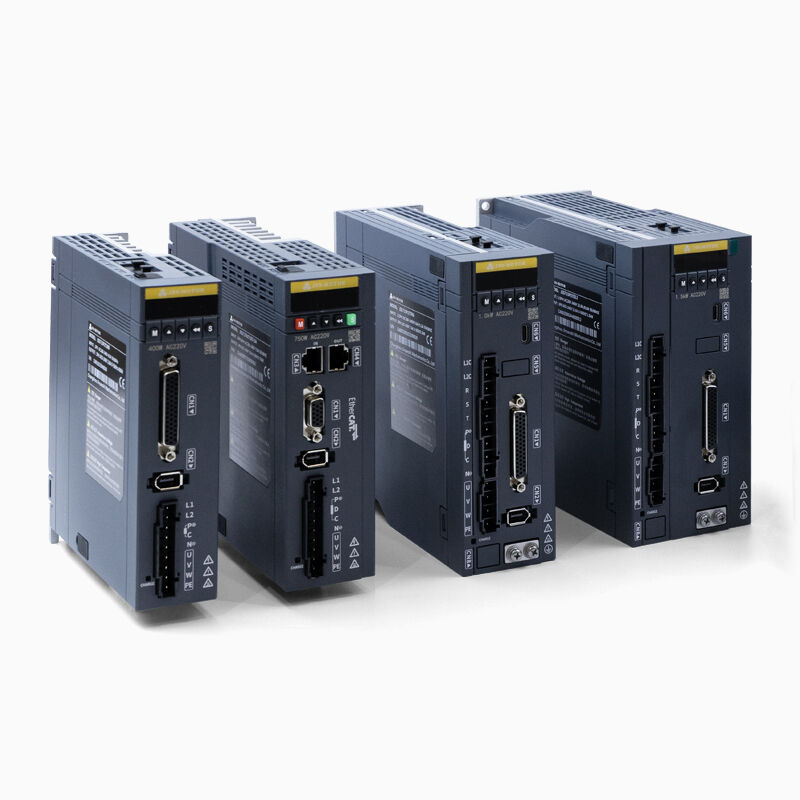
Industrial automation systems demand precise motion control to maintain operational efficiency and meet production targets. At the heart of these sophisticated systems lies the servo motor driver, a critical component that bridges the gap between digital control signals and mechanical movement. The reliability of these drivers directly impacts production uptime, product quality, and overall system performance. Understanding why servo motor driver reliability is essential helps industrial engineers and facility managers make informed decisions about their automation infrastructure investments.
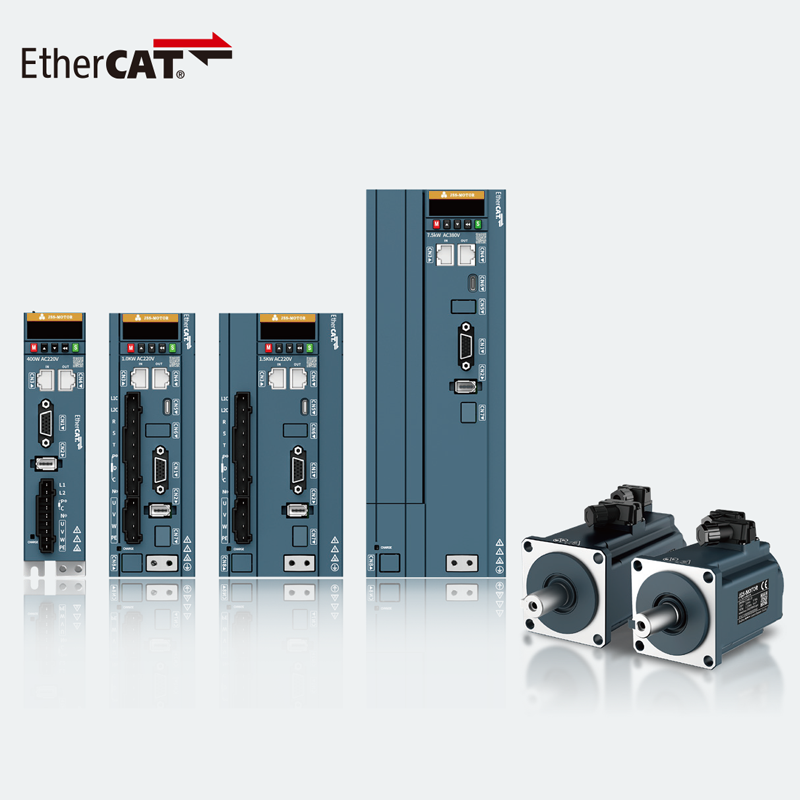
Understanding Servo Motor Driver Fundamentals
Core Components and Functionality
A servo motor driver functions as the intelligent interface between a control system and the servo motor itself. This sophisticated electronic device receives position, velocity, and torque commands from a programmable logic controller or motion controller, then converts these digital signals into appropriate power levels to drive the motor. The driver continuously monitors motor feedback through encoders or resolvers, creating a closed-loop control system that ensures precise positioning and smooth operation.
The internal architecture of a modern servo motor driver includes power electronics, digital signal processors, and communication interfaces. Power electronics handle the conversion of DC bus voltage into three-phase AC power with variable frequency and amplitude. Digital signal processors execute complex control algorithms, including proportional-integral-derivative control loops and advanced motion profiles. Communication interfaces enable seamless integration with factory networks using protocols like EtherCAT, PROFINET, or Modbus.
Signal Processing and Control Algorithms
Advanced servo motor driver units employ sophisticated signal processing techniques to achieve optimal performance characteristics. These systems utilize high-resolution feedback devices and implement multiple control loops simultaneously. Current loop control ensures proper torque generation, while velocity loop control maintains consistent speed profiles. Position loop control provides accurate positioning capabilities essential for precision manufacturing applications.
Modern drivers incorporate adaptive control algorithms that automatically adjust parameters based on load conditions and environmental factors. Machine learning capabilities enable these systems to optimize performance over time, reducing settling times and minimizing position errors. Temperature compensation algorithms ensure consistent performance across varying operating conditions, while vibration suppression features enhance system stability in challenging industrial environments.
Critical Role in Industrial Automation Systems
Production Line Integration
Manufacturing facilities rely heavily on synchronized motion control systems where multiple servo motor driver units work in coordination to achieve complex manufacturing processes. In assembly lines, these drivers control robotic arms, conveyor systems, and positioning mechanisms that must operate with microsecond precision. Any failure or degradation in driver performance can cascade through the entire production line, causing costly downtime and quality issues.
The integration of servo motor driver technology extends beyond individual machines to encompass entire factory automation networks. These systems communicate through industrial Ethernet protocols, sharing real-time status information and coordinating movements across multiple axes. Reliable operation ensures consistent timing relationships between different production stages, maintaining the delicate balance required for high-speed manufacturing operations.
Quality Control and Precision Manufacturing
Industries such as semiconductor manufacturing, aerospace, and medical device production demand exceptional precision that can only be achieved through reliable servo motor driver systems. These applications require positioning accuracies measured in micrometers and repeatability specifications that exceed conventional motion control technologies. Driver reliability directly correlates with the ability to maintain these stringent quality standards over extended production runs.
Quality control processes often depend on servo-driven inspection systems, coordinate measuring machines, and automated testing equipment. Inconsistent driver performance can introduce measurement errors that compromise product quality assessments. Reliable servo motor driver operation ensures that quality control systems maintain their calibration accuracy and measurement repeatability throughout their operational lifespan.
Reliability Factors and Performance Metrics
Environmental Stress Resistance
Industrial environments subject servo motor driver components to numerous stress factors that can impact long-term reliability. Temperature fluctuations, humidity variations, electrical noise, and mechanical vibrations create challenging operating conditions that demand robust design approaches. Reliable drivers incorporate comprehensive protection mechanisms including thermal management systems, moisture barriers, and electromagnetic interference shielding.
Ambient temperature variations can significantly affect electronic component performance and lifespan. High-quality servo motor driver designs include advanced thermal management features such as intelligent fan control, heat sink optimization, and temperature monitoring systems. These features ensure consistent performance across the entire specified operating temperature range while preventing thermal damage to sensitive components.
Electrical Protection and Safety Systems
Electrical disturbances in industrial power systems pose significant threats to servo motor driver reliability. Voltage surges, power interruptions, and harmonic distortion can damage internal components or cause unexpected system behavior. Reliable drivers incorporate comprehensive protection circuits including surge suppressors, input filters, and backup power systems that maintain operation during brief power interruptions.
Safety systems within modern servo motor driver units provide multiple layers of protection for both equipment and personnel. Emergency stop circuits, safe torque-off functionality, and fault detection algorithms ensure rapid system shutdown when abnormal conditions are detected. These safety features not only protect the driver itself but also prevent damage to connected mechanical systems and maintain workplace safety standards.
Economic Impact of Driver Reliability
Downtime Cost Analysis
Unplanned downtime resulting from servo motor driver failures represents one of the most significant operational costs in modern manufacturing. Production line shutdowns can cost thousands of dollars per hour in lost productivity, especially in high-volume manufacturing environments. Reliable driver systems minimize these risks by providing consistent operation and predictable maintenance schedules that allow for planned downtime during scheduled maintenance windows.
The ripple effects of driver failures extend beyond immediate production losses to include overtime labor costs, expedited shipping charges for replacement parts, and potential penalty costs for delayed deliveries. Comprehensive cost analysis reveals that investing in high-reliability servo motor driver systems typically provides positive return on investment through reduced downtime incidents and improved overall equipment effectiveness metrics.
Maintenance and Lifecycle Costs
Reliable servo motor driver systems require less frequent maintenance interventions and have longer operational lifespans compared to lower-quality alternatives. Reduced maintenance requirements translate directly into lower labor costs and decreased spare parts inventory requirements. Predictive maintenance capabilities enabled by advanced diagnostics systems allow maintenance teams to schedule interventions based on actual component condition rather than arbitrary time intervals.
Total cost of ownership calculations must consider not only the initial purchase price but also installation costs, training requirements, and long-term support availability. Premium servo motor driver systems often provide lower total lifecycle costs despite higher initial investments due to their superior reliability characteristics and comprehensive support ecosystems.
Advanced Diagnostic and Monitoring Capabilities
Real-time Health Monitoring
Modern servo motor driver systems incorporate sophisticated diagnostic capabilities that continuously monitor system health and performance parameters. These systems track critical variables including temperature levels, current consumption patterns, voltage stability, and mechanical vibration signatures. Advanced algorithms analyze these parameters to detect early signs of component degradation before failures occur, enabling proactive maintenance strategies.
Predictive maintenance capabilities rely on comprehensive data collection and analysis systems integrated within the servo motor driver architecture. Machine learning algorithms identify subtle changes in performance patterns that may indicate impending component failures. This proactive approach allows maintenance teams to schedule repairs during planned downtime periods, avoiding unexpected production interruptions.
Remote Monitoring and Cloud Integration
Industrial Internet of Things technologies enable servo motor driver systems to communicate operational data to cloud-based monitoring platforms. These systems provide facility managers with real-time visibility into driver performance across multiple production lines and manufacturing sites. Remote monitoring capabilities allow expert technicians to diagnose issues and provide support without requiring on-site visits, reducing response times and maintenance costs.
Cloud-based analytics platforms aggregate performance data from multiple servo motor driver installations to identify common failure modes and optimize preventive maintenance schedules. Historical trend analysis helps predict component replacement needs and optimize spare parts inventory levels. These insights enable continuous improvement in system reliability and operational efficiency.
Future Trends in Servo Motor Driver Technology
Artificial Intelligence Integration
Emerging servo motor driver technologies incorporate artificial intelligence algorithms that continuously optimize performance parameters based on application requirements and operating conditions. These intelligent systems adapt control strategies in real-time to maintain optimal performance despite changing load conditions, environmental factors, or component aging effects. Machine learning capabilities enable drivers to improve their performance over time through experience gained during operation.
AI-enhanced servo motor driver systems can predict and compensate for mechanical backlash, thermal expansion effects, and other systematic errors that traditionally required manual tuning procedures. Automated parameter optimization reduces commissioning time and ensures consistent performance across multiple identical machines. These capabilities are particularly valuable in high-mix manufacturing environments where frequent changeovers require rapid system reconfiguration.
Enhanced Communication Protocols
Next-generation servo motor driver systems support advanced communication protocols that enable higher data rates, lower latency, and improved determinism compared to traditional fieldbus technologies. Time-sensitive networking protocols ensure consistent communication timing critical for synchronized multi-axis applications. Enhanced cybersecurity features protect against network-based threats while maintaining seamless integration with enterprise systems.
Standardized communication protocols facilitate easier integration between servo motor driver systems from different manufacturers, reducing vendor lock-in concerns and enabling more flexible system architectures. Open protocol support allows users to select best-in-class components for specific applications while maintaining system-level interoperability and reducing integration complexity.
FAQ
What factors most significantly impact servo motor driver reliability?
Environmental conditions, power quality, and component selection are the primary factors affecting servo motor driver reliability. Temperature extremes, humidity, electrical noise, and mechanical vibrations stress internal components and can accelerate wear. High-quality power supplies, proper cooling systems, and robust component selection significantly improve long-term reliability. Regular maintenance and proper installation practices also contribute substantially to extended operational life.
How can facilities maximize servo motor driver lifespan?
Implementing comprehensive preventive maintenance programs, maintaining optimal environmental conditions, and utilizing advanced diagnostic capabilities maximize servo motor driver lifespan. Regular cleaning, thermal management, and electrical connection inspections prevent many common failure modes. Monitoring performance parameters and addressing issues proactively before they cause system failures extends operational life significantly. Proper operator training and adherence to manufacturer guidelines also contribute to longevity.
What role does power quality play in servo motor driver performance?
Power quality directly affects servo motor driver performance and reliability through voltage stability, harmonic content, and electrical noise levels. Poor power quality can cause erratic operation, increased component stress, and premature failure of sensitive electronic components. Installing power conditioning equipment, surge protection devices, and maintaining proper grounding systems significantly improves driver performance and extends operational life in challenging electrical environments.
How do modern servo motor driver diagnostic systems prevent failures?
Advanced diagnostic systems continuously monitor critical parameters including temperature, current, voltage, and vibration levels to detect early signs of component degradation. Machine learning algorithms analyze performance trends to predict potential failures before they occur. Real-time alerts enable maintenance teams to schedule repairs during planned downtime, preventing unexpected production interruptions and reducing overall maintenance costs through proactive intervention strategies.