
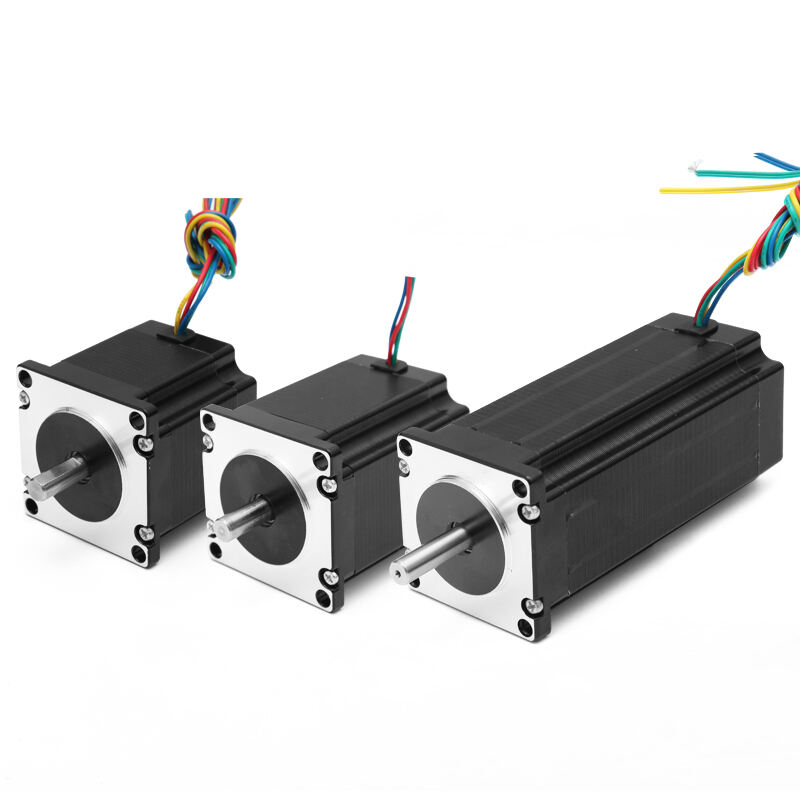
Automated positioning systems have revolutionized manufacturing, robotics, and precision machinery across countless industries. At the heart of these sophisticated systems lies a critical component that determines accuracy, reliability, and overall performance. The stepper motor serves as the driving force behind precise positioning applications, from 3D printers and CNC machines to medical devices and semiconductor manufacturing equipment. Understanding why stepper motor performance is absolutely critical in automated positioning systems requires examining the unique characteristics that make these motors indispensable for precision control applications.
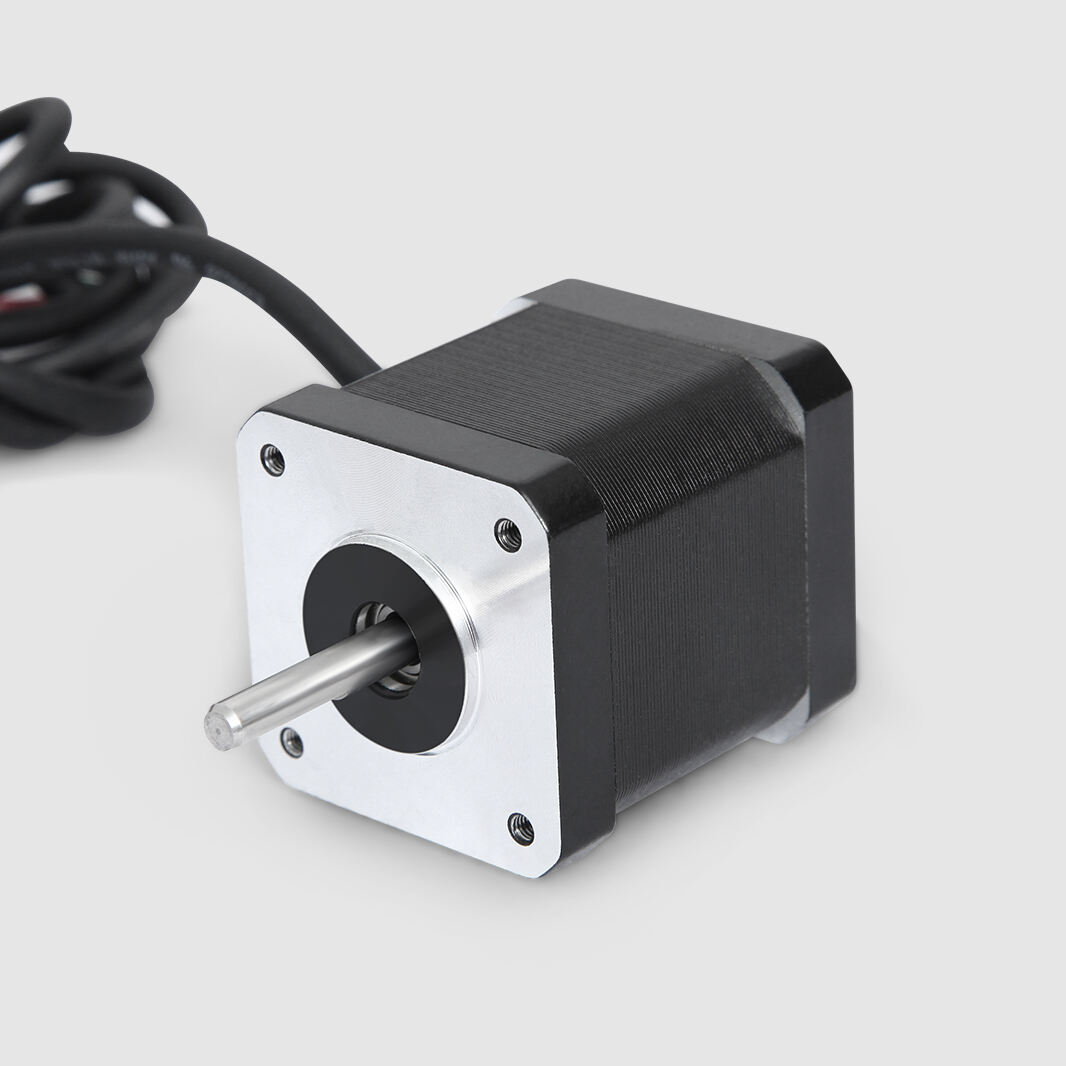
Modern automated positioning systems demand exceptional precision, repeatability, and control characteristics that traditional motor technologies simply cannot deliver. The stepper motor excels in these demanding applications because it operates on a fundamentally different principle than conventional motors. Instead of continuous rotation, a stepper motor moves in discrete angular steps, typically ranging from 0.9 to 15 degrees per step, depending on the motor design. This step-by-step movement enables precise positioning without the need for complex feedback systems, making stepper motor technology ideal for applications where exact positioning is paramount.
The performance characteristics of stepper motor systems directly impact the quality, efficiency, and reliability of automated positioning applications. Poor stepper motor performance can result in positioning errors, reduced throughput, increased maintenance costs, and ultimately compromised product quality. Conversely, high-performance stepper motor solutions enable manufacturers to achieve tighter tolerances, faster cycle times, and improved overall system reliability. This fundamental relationship between stepper motor performance and system capabilities explains why selecting the right stepper motor technology is crucial for successful automation implementations.
Fundamental Characteristics of Stepper Motor Operation
Step Resolution and Positioning Accuracy
The step resolution of a stepper motor represents one of its most critical performance parameters in automated positioning systems. Standard stepper motor designs offer full-step resolutions ranging from 200 to 400 steps per revolution, corresponding to 1.8 and 0.9 degrees per step respectively. However, modern stepper motor controllers can further subdivide these steps through microstepping technology, achieving resolutions of thousands of microsteps per revolution. This enhanced resolution capability allows automated positioning systems to achieve sub-micron positioning accuracy in many applications.
The relationship between stepper motor step resolution and positioning accuracy is not always linear, as factors such as mechanical backlash, thermal expansion, and load variations can introduce positioning errors. High-performance stepper motor systems incorporate advanced control algorithms and feedback mechanisms to compensate for these factors. The ability to maintain consistent positioning accuracy across varying operating conditions distinguishes superior stepper motor solutions from basic implementations, making performance optimization essential for critical positioning applications.
Understanding the limitations of stepper motor resolution helps system designers optimize their automated positioning applications. While higher resolution generally improves positioning accuracy, it also reduces the maximum speed and torque capabilities of the stepper motor system. This trade-off requires careful consideration of application requirements to select the optimal stepper motor configuration for each specific positioning task.
Torque Characteristics and Load Handling
Stepper motor torque characteristics play a crucial role in determining system performance in automated positioning applications. Unlike conventional motors that provide relatively constant torque across their speed range, stepper motor torque decreases significantly as rotational speed increases. This torque-speed relationship must be carefully considered when designing automated positioning systems to ensure adequate performance across the full range of operating conditions.
The holding torque of a stepper motor represents its ability to maintain position when stationary, which is particularly important in vertical positioning applications and systems that must resist external forces. High-performance stepper motor designs optimize holding torque while minimizing power consumption, enabling efficient operation in battery-powered or energy-conscious applications. The detent torque, present even when the stepper motor is not energized, provides additional positioning stability in some applications.
Dynamic torque characteristics determine how effectively a stepper motor can accelerate and decelerate loads in automated positioning systems. The ability to provide consistent torque during rapid positioning moves directly impacts system throughput and cycle times. Advanced stepper motor control strategies can optimize torque delivery to maximize performance while preventing step loss or resonance issues that could compromise positioning accuracy.
Impact on System Precision and Repeatability
Positioning Accuracy Requirements
Automated positioning systems in manufacturing environments often require positioning accuracies measured in micrometers or even nanometers. The inherent accuracy of a stepper motor depends on its step resolution, mechanical construction quality, and control system sophistication. High-precision applications such as semiconductor wafer positioning, optical component alignment, and precision machining rely heavily on superior stepper motor performance to achieve their demanding accuracy requirements.
The accumulation of positioning errors over multiple moves represents a significant challenge in automated positioning systems. Even small errors in individual stepper motor steps can compound over time, leading to significant positioning deviations. Advanced stepper motor control systems incorporate error correction algorithms and periodic calibration routines to minimize accumulated errors and maintain long-term positioning accuracy.
Temperature variations, mechanical wear, and electrical noise can all impact stepper motor positioning accuracy over time. Robust stepper motor designs incorporate features such as temperature compensation, high-quality bearings, and electromagnetic shielding to maintain consistent accuracy across varying environmental conditions. These design considerations become increasingly important in applications requiring sustained high-precision operation over extended periods.
Repeatability and Consistency
Repeatability represents the ability of a stepper motor system to return to the same position consistently over multiple positioning cycles. This characteristic is particularly critical in automated manufacturing processes where consistent part quality depends on precise, repeatable positioning. High-performance stepper motor systems can achieve repeatability specifications measured in fractions of a step, enabling extremely consistent positioning performance.
The mechanical construction of stepper motor assemblies significantly impacts repeatability performance. Factors such as bearing quality, rotor balance, and magnetic field uniformity all contribute to consistent step-to-step performance. Premium stepper motor designs incorporate precision-manufactured components and advanced quality control processes to ensure exceptional repeatability characteristics throughout their operational life.
Long-term repeatability performance requires consideration of wear mechanisms and aging effects in stepper motor systems. The gradual degradation of bearings, magnetic materials, and electrical connections can slowly reduce repeatability over time. Proactive maintenance programs and condition monitoring systems help identify potential issues before they significantly impact stepper motor performance in critical positioning applications.
Speed and Dynamic Response Considerations
Maximum Speed Capabilities
The maximum operating speed of stepper motor systems directly impacts throughput and cycle times in automated positioning applications. While stepper motor designs excel at low-speed precision, achieving high speeds while maintaining torque and accuracy presents significant engineering challenges. The interaction between stepper motor electrical characteristics, control system capabilities, and mechanical load requirements determines the practical maximum speed for each application.
Advanced stepper motor control techniques such as current profiling and voltage boosting can extend the high-speed performance envelope. These methods optimize the electrical drive characteristics to maintain adequate torque at higher speeds, enabling faster positioning moves without sacrificing accuracy. However, the effectiveness of these techniques depends on the specific stepper motor design and application requirements.
The trade-off between speed and precision in stepper motor systems requires careful optimization for each automated positioning application. While higher speeds improve throughput, they may compromise positioning accuracy and increase the risk of step loss or resonance issues. Sophisticated control algorithms can dynamically adjust speed profiles based on positioning accuracy requirements and load conditions to optimize overall system performance.
Acceleration and Deceleration Performance
The ability to rapidly accelerate and decelerate represents a critical aspect of stepper motor performance in automated positioning systems. Fast acceleration reduces move times and improves system throughput, while controlled deceleration prevents overshoot and ensures accurate final positioning. The optimization of acceleration profiles requires careful consideration of stepper motor torque characteristics, system inertia, and resonance frequencies.
Resonance phenomena can significantly impact stepper motor performance during acceleration and deceleration phases. Certain speed ranges may excite mechanical resonances in the positioning system, leading to vibration, noise, and potential loss of steps. Advanced stepper motor control systems incorporate resonance avoidance algorithms and damping techniques to maintain smooth operation across the full speed range.
The mechanical load characteristics of automated positioning systems strongly influence stepper motor acceleration performance. High-inertia loads require more careful acceleration control to prevent step loss, while low-friction systems may enable aggressive acceleration profiles. Understanding these load-dependent behaviors is essential for optimizing stepper motor performance in specific positioning applications.
Control System Integration and Optimization
Driver Technology and Performance
The stepper motor driver represents the critical interface between control commands and actual motor performance. Modern stepper motor drivers incorporate sophisticated control algorithms that significantly enhance motor performance compared to simple switching circuits. Features such as microstepping, current regulation, and anti-resonance control enable stepper motor systems to achieve higher accuracy, smoother operation, and improved efficiency.
Microstepping technology allows stepper motor drivers to subdivide full steps into hundreds or thousands of microsteps, dramatically improving resolution and reducing vibration. However, the effectiveness of microstepping depends on the stepper motor design and load characteristics. High-quality stepper motor and driver combinations can maintain excellent linearity and accuracy even at high microstep resolutions, while lower-quality systems may exhibit significant deviations from ideal performance.
Advanced stepper motor drivers also incorporate features such as stall detection, thermal protection, and diagnostic capabilities that enhance system reliability and maintainability. These features enable automated positioning systems to operate more autonomously and provide early warning of potential issues before they impact production. The integration of intelligent driver technology represents a key factor in achieving optimal stepper motor performance in demanding applications.
Feedback and Closed-Loop Control
While traditional stepper motor systems operate in open-loop mode, the integration of position feedback enables closed-loop control that can significantly enhance performance. Encoder feedback allows the control system to verify actual stepper motor position against commanded position, enabling error correction and preventing step loss. This hybrid approach combines the simplicity of stepper motor control with the accuracy assurance of closed-loop systems.
Closed-loop stepper motor systems can dynamically adjust control parameters based on actual performance, optimizing speed, torque, and accuracy for varying load conditions. This adaptability makes stepper motor systems more robust and capable of maintaining consistent performance across changing operating conditions. The feedback information also enables predictive maintenance strategies by monitoring performance trends over time.
The implementation of feedback control in stepper motor systems requires careful consideration of sensor selection, mounting techniques, and control algorithm design. High-resolution encoders provide detailed position information but may introduce complexity and cost. The optimal feedback solution depends on the specific accuracy requirements and operating environment of each automated positioning application.
Reliability and Maintenance Factors
Operational Longevity
The operational longevity of stepper motor systems directly impacts the total cost of ownership and reliability of automated positioning systems. High-quality stepper motor designs incorporate premium bearings, robust magnetic materials, and durable electrical connections to ensure consistent performance over millions of operating cycles. The ability to maintain performance specifications throughout the motor's operational life is crucial for applications requiring consistent positioning accuracy.
Environmental factors such as temperature, humidity, and contamination can significantly impact stepper motor longevity. Industrial-grade stepper motor designs incorporate protective features such as sealed housings, corrosion-resistant materials, and enhanced thermal management to withstand harsh operating conditions. The selection of appropriate stepper motor protection levels ensures reliable operation in challenging industrial environments.
Predictive maintenance strategies can significantly extend stepper motor operational life by identifying potential issues before they lead to failure. Monitoring parameters such as operating temperature, vibration levels, and electrical characteristics provides early warning of developing problems. This proactive approach minimizes unexpected downtime and maintains consistent positioning system performance throughout the stepper motor's service life.
Maintenance Requirements and Service Life
The maintenance requirements of stepper motor systems vary significantly depending on the motor design, operating conditions, and application demands. High-quality stepper motor assemblies typically require minimal maintenance beyond periodic inspection and cleaning. However, applications involving continuous operation, high speeds, or contaminated environments may require more frequent attention to maintain optimal performance.
Bearing maintenance represents the primary service requirement for most stepper motor applications. The bearing life depends on factors such as load conditions, speed, temperature, and lubrication quality. Premium stepper motor designs incorporate high-grade bearings with extended service intervals, reducing maintenance costs and improving system availability. Some specialized applications may require periodic bearing replacement or relubrication to maintain optimal performance.
The electrical connections and winding insulation of stepper motor systems also require periodic inspection and maintenance. Thermal cycling, vibration, and environmental exposure can gradually degrade these components, potentially affecting motor performance and reliability. Regular electrical testing and connection inspection help identify potential issues before they impact system operation, ensuring continued reliable performance in critical positioning applications.
Application-Specific Performance Requirements
High-Precision Manufacturing Applications
High-precision manufacturing applications such as semiconductor fabrication, optical component production, and precision machining place extraordinary demands on stepper motor performance. These applications require positioning accuracies measured in nanometers, repeatability specifications that exceed standard motor capabilities, and exceptional stability over extended operating periods. The stepper motor systems used in these applications must incorporate advanced design features and control technologies to meet these demanding requirements.
The thermal stability of stepper motor systems becomes critically important in high-precision applications where temperature variations can introduce positioning errors comparable to the required accuracy. Advanced stepper motor designs incorporate thermal compensation algorithms, temperature-stable materials, and enhanced cooling systems to minimize thermal effects on positioning accuracy. These features enable consistent performance across varying ambient temperatures and duty cycles.
Vibration isolation and mechanical stability represent additional critical factors in high-precision stepper motor applications. Even small mechanical disturbances can compromise positioning accuracy in ultra-precise systems. Specialized stepper motor mounting systems and vibration damping techniques help maintain positioning stability in environments with external vibration sources or where stepper motor operation itself must not introduce disturbances to sensitive processes.
High-Speed Automation Systems
High-speed automation systems prioritize rapid positioning moves and short cycle times while maintaining adequate accuracy for their specific applications. These systems challenge stepper motor performance at the upper end of the speed envelope, requiring optimization of electrical drive characteristics, mechanical design, and control algorithms. The ability to maintain torque and accuracy at high speeds directly impacts system throughput and productivity.
The resonance characteristics of stepper motor systems become particularly critical in high-speed applications where excitation of mechanical resonances can lead to vibration, noise, and positioning errors. Advanced control systems incorporate resonance avoidance algorithms that automatically adjust speed profiles to minimize resonance effects. These sophisticated control strategies enable stepper motor systems to operate reliably at speeds that would be problematic for simpler control implementations.
Heat generation and thermal management present significant challenges in high-speed stepper motor applications. The increased electrical and mechanical losses at high speeds require enhanced cooling systems and thermal design considerations. Effective thermal management ensures consistent performance and prevents thermal-induced positioning errors that could compromise system accuracy during sustained high-speed operation.
FAQ
What makes stepper motor performance more critical than other motor types in positioning systems
Stepper motor performance is uniquely critical because these motors provide inherent positioning capability without requiring complex feedback systems. Unlike servo motors that rely on encoders and closed-loop control, stepper motor systems can achieve precise positioning through open-loop control, making them simpler and more cost-effective for many applications. The discrete step nature of stepper motor operation directly translates control pulses into precise angular movements, making the motor's step accuracy and consistency paramount to system performance.
How does stepper motor resolution affect overall positioning accuracy
Stepper motor resolution directly determines the smallest positioning increment possible in an automated system. Higher resolution motors with more steps per revolution enable finer positioning control, but the relationship is not always linear due to factors like mechanical backlash and microstepping nonlinearity. While increased resolution generally improves potential accuracy, the actual system accuracy depends on the entire mechanical system, including gearing, couplings, and load characteristics that can introduce additional errors.
Why do stepper motor speed limitations matter in automated positioning
Stepper motor speed limitations directly impact system throughput and cycle times in automated positioning applications. As stepper motor speed increases, available torque decreases significantly, potentially leading to step loss or positioning errors. Understanding these speed-torque characteristics is essential for optimizing system performance, as exceeding the motor's capabilities can result in lost steps that compromise positioning accuracy and require system recalibration or re-homing.
What role does stepper motor driver quality play in system performance
The stepper motor driver quality significantly influences overall system performance by controlling current waveforms, implementing microstepping algorithms, and managing resonance issues. High-quality drivers provide smoother current regulation, more precise microstepping, and advanced features like anti-resonance control that directly improve motor performance. Poor driver quality can introduce positioning errors, increase vibration and noise, and reduce the motor's effective resolution and accuracy capabilities, making driver selection as important as motor selection for optimal system performance.
Table of Contents
- Fundamental Characteristics of Stepper Motor Operation
- Impact on System Precision and Repeatability
- Speed and Dynamic Response Considerations
- Control System Integration and Optimization
- Reliability and Maintenance Factors
- Application-Specific Performance Requirements
-
FAQ
- What makes stepper motor performance more critical than other motor types in positioning systems
- How does stepper motor resolution affect overall positioning accuracy
- Why do stepper motor speed limitations matter in automated positioning
- What role does stepper motor driver quality play in system performance