250 watt bldc motor price
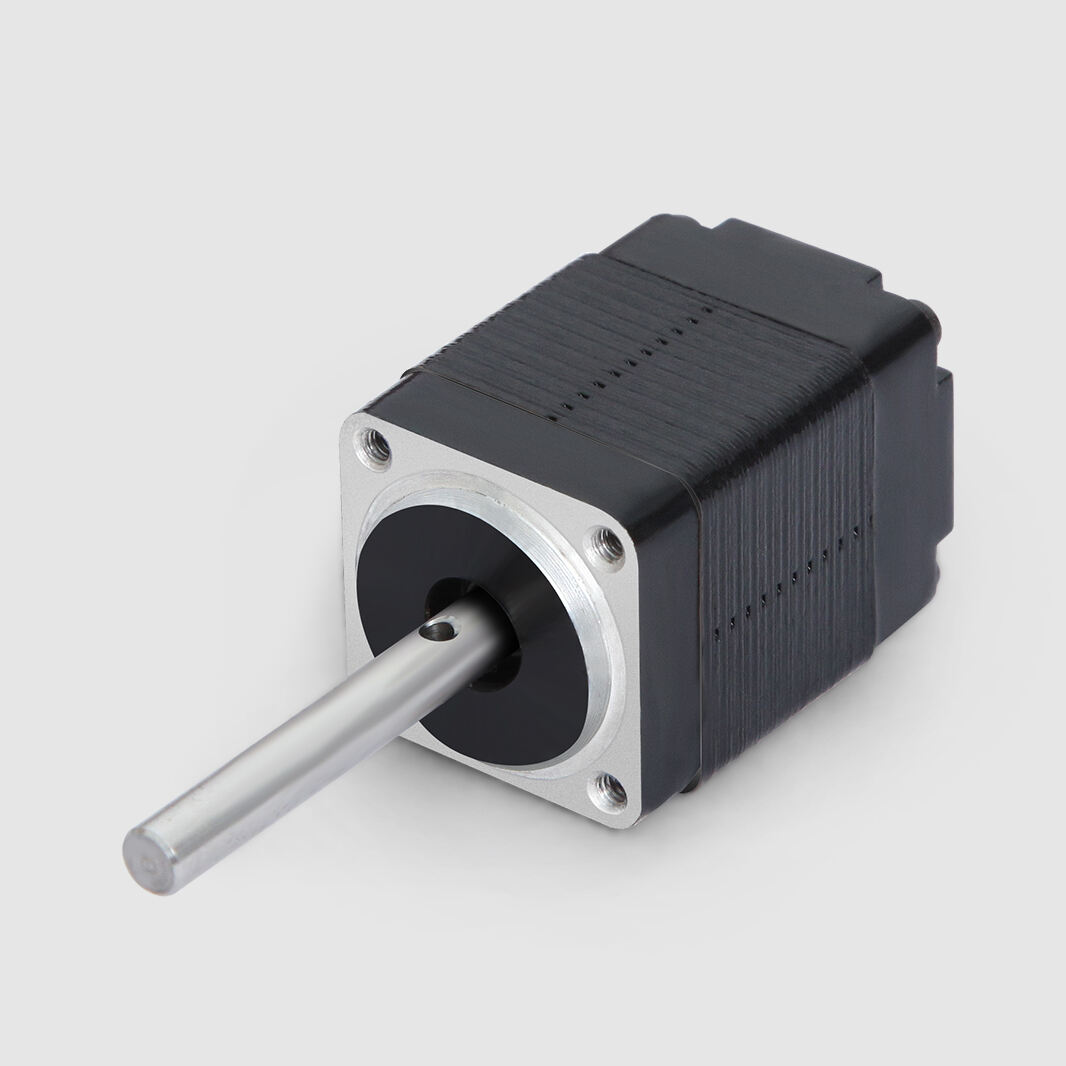
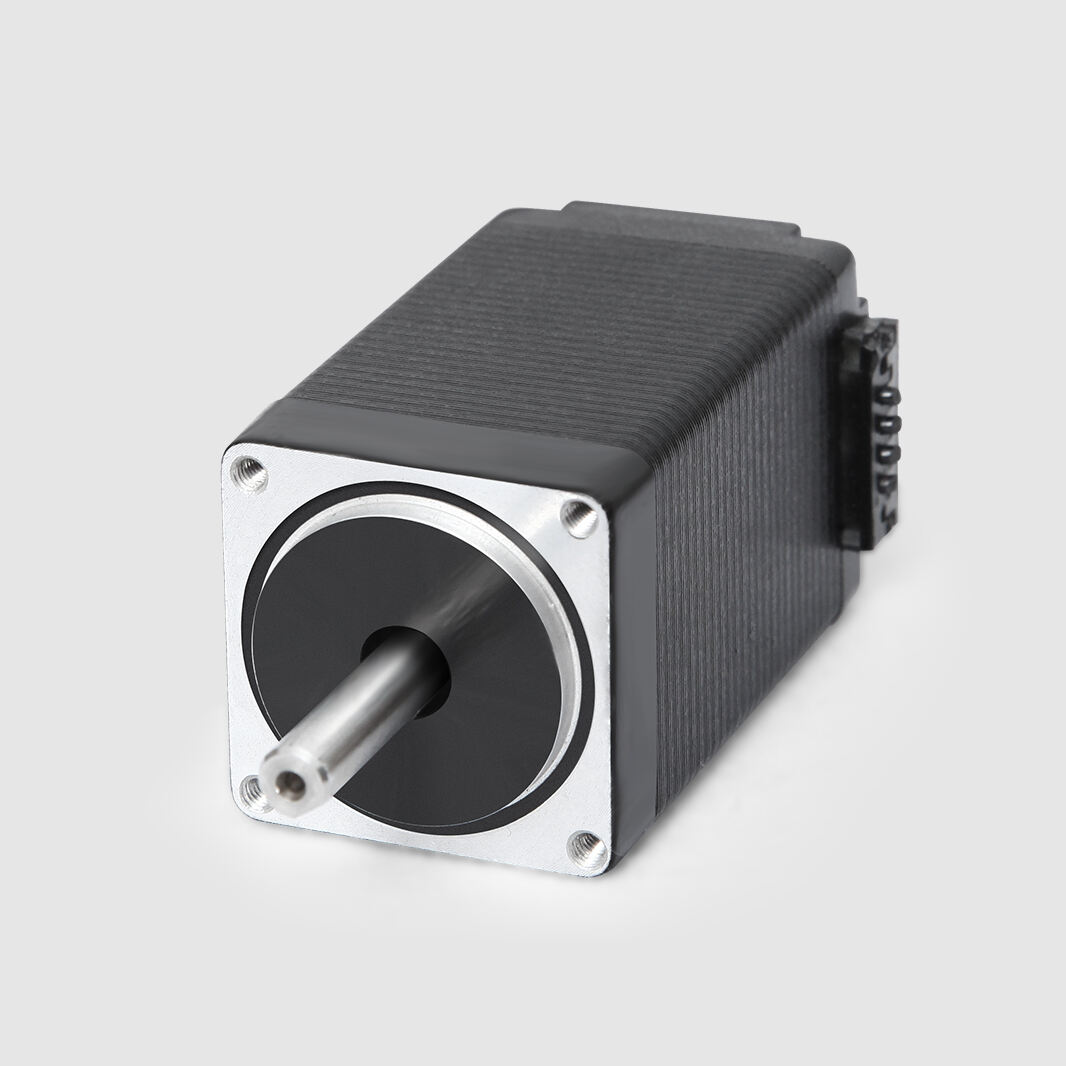
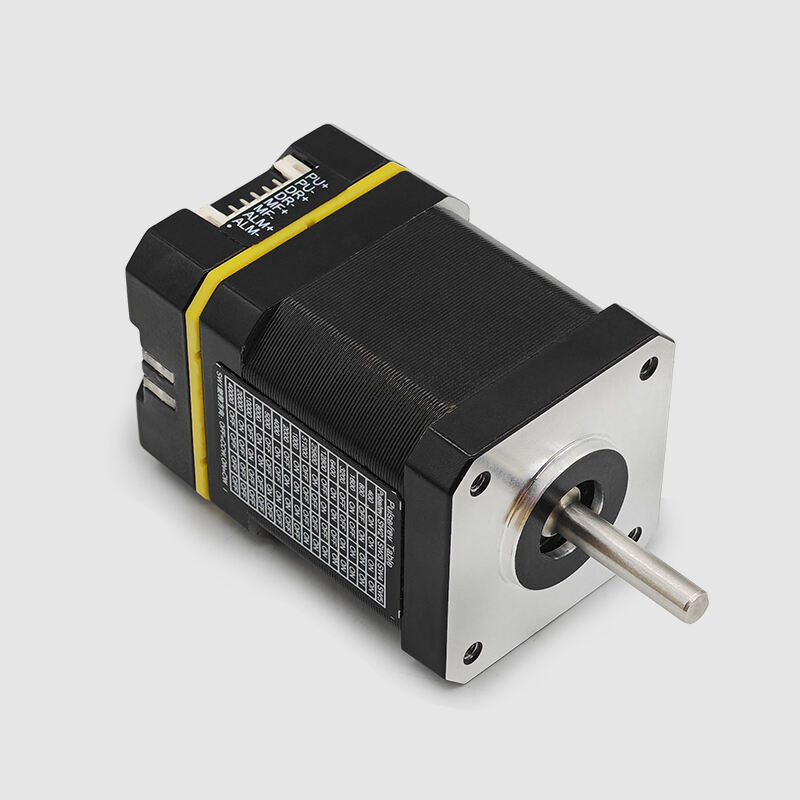
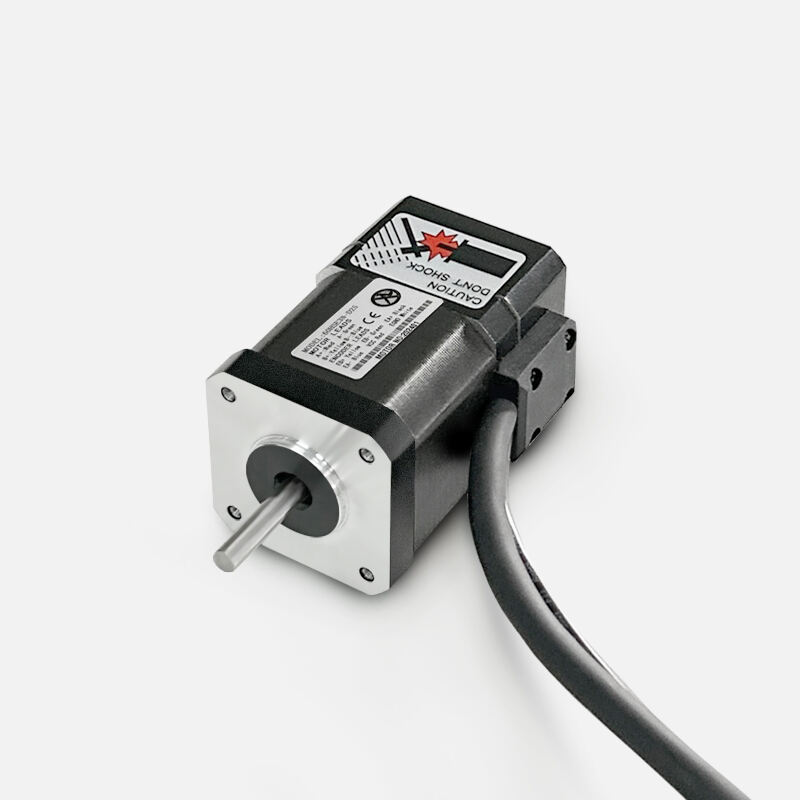
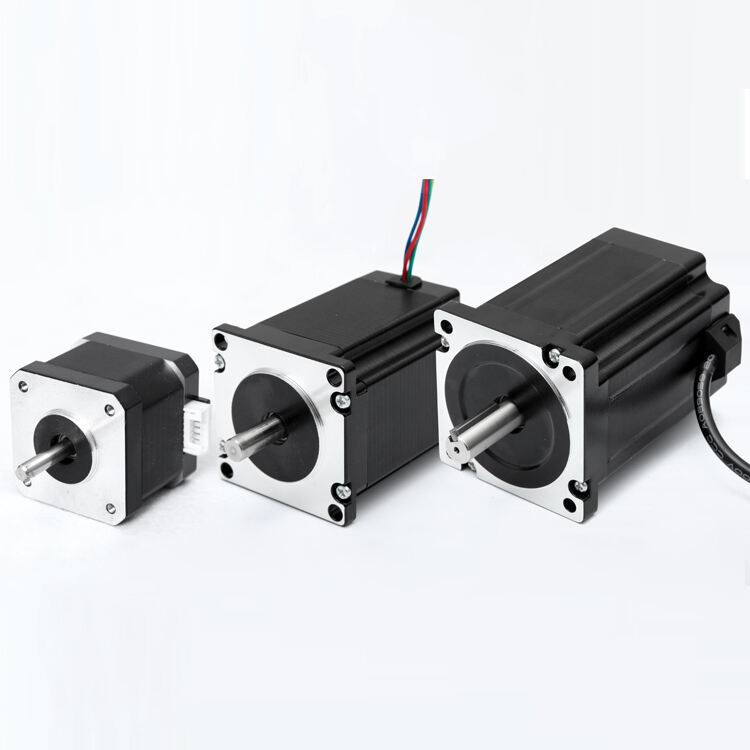
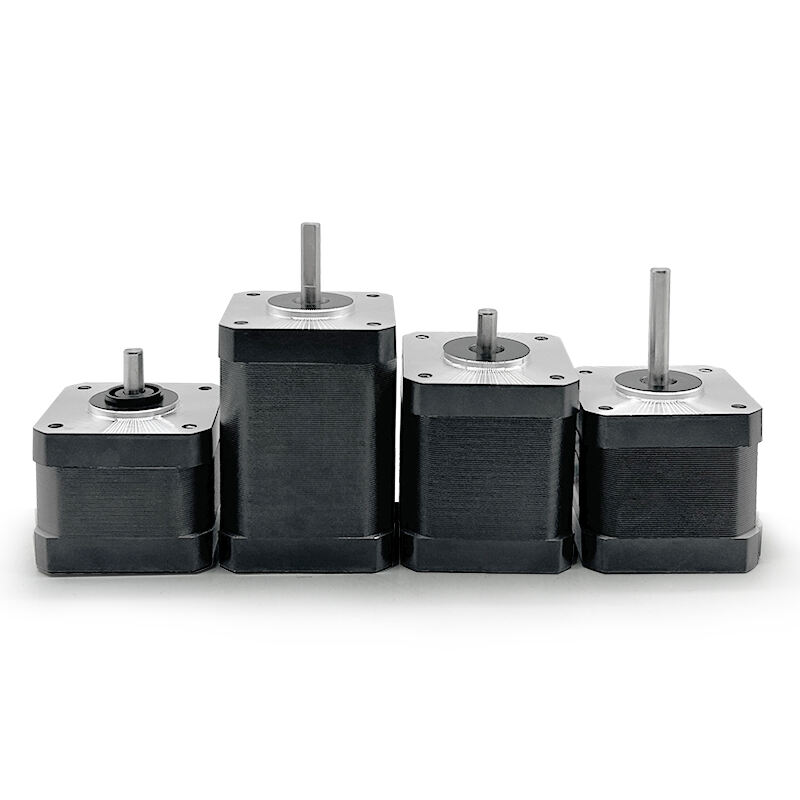
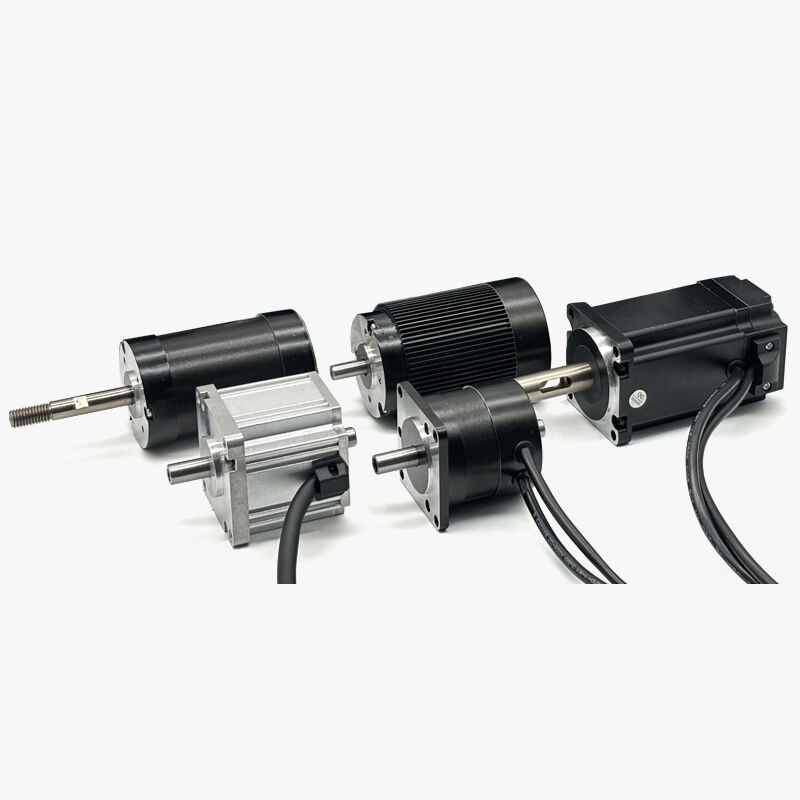
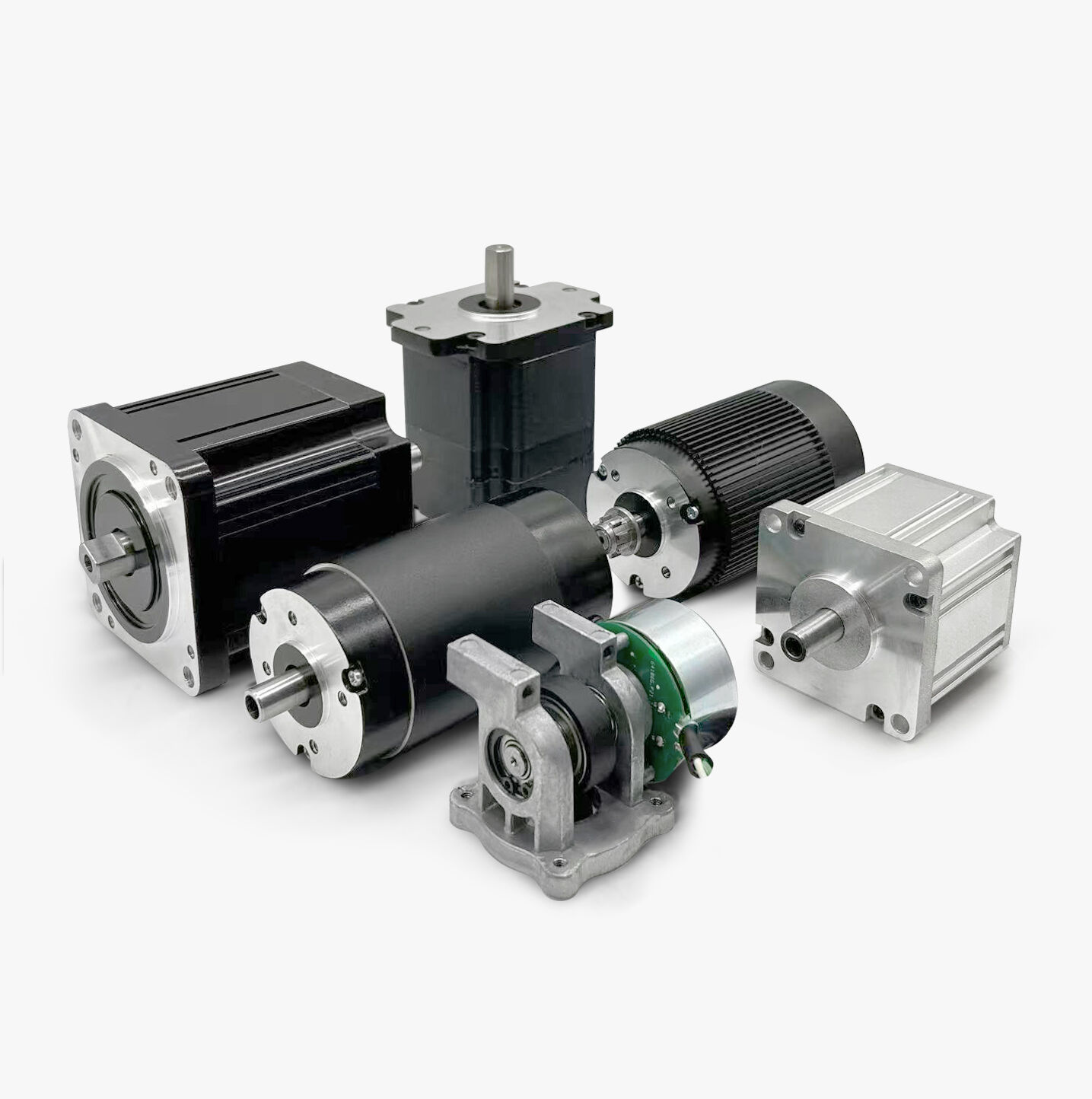
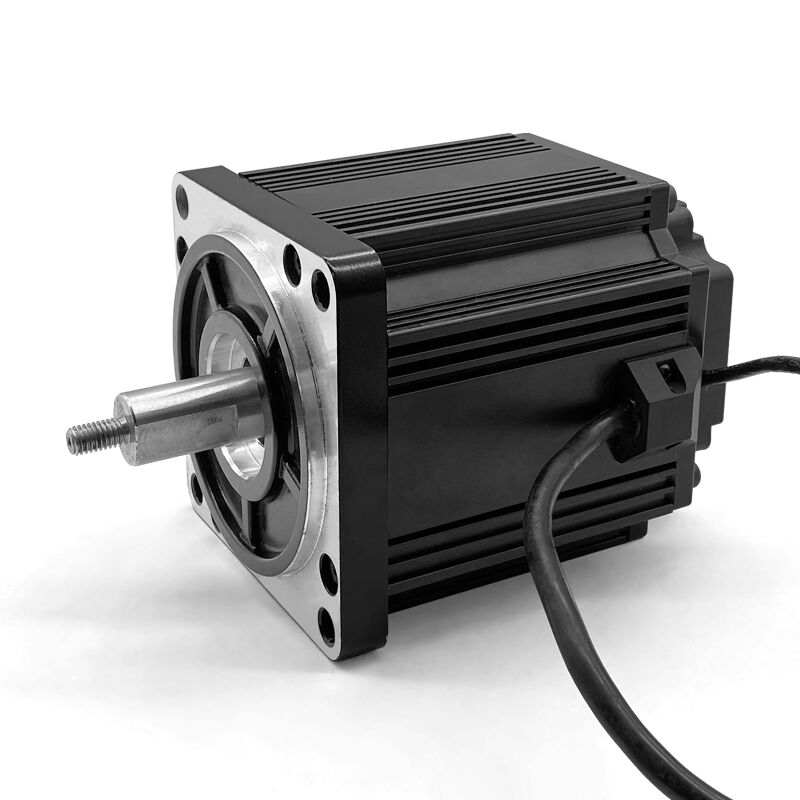
The 250 watt BLDC motor price represents exceptional value in today's competitive market, offering cutting-edge brushless DC motor technology at accessible pricing points. These motors typically range from $150 to $400 depending on specifications, manufacturer reputation, and integrated features. BLDC motors eliminate the need for carbon brushes found in traditional DC motors, resulting in superior performance characteristics and extended operational lifespan. The main functions of a 250 watt BLDC motor include precise speed control, high torque output, and efficient power conversion with minimal energy loss. These motors excel in applications requiring variable speed operation, reversible rotation, and consistent performance under varying load conditions. Technological features encompass electronic commutation systems that replace mechanical brushes, permanent magnet rotors delivering enhanced power density, and sophisticated control circuits enabling precise motor management. Advanced hall effect sensors provide accurate position feedback, while integrated drivers offer seamless integration with control systems. The 250 watt power rating makes these motors ideal for medium-duty applications including electric bicycles, small industrial equipment, pumps, fans, and automated machinery. Common applications span across robotics, where precise motion control is essential, medical equipment requiring reliable operation, and consumer electronics demanding quiet performance. The price competitiveness of 250 watt BLDC motors stems from manufacturing advancements and increased market adoption. Modern production techniques have reduced costs while maintaining quality standards, making these motors accessible to diverse industries. Price variations depend on factors such as efficiency ratings, speed ranges, torque specifications, and additional features like encoders or integrated controllers. When evaluating 250 watt BLDC motor price options, customers should consider total cost of ownership, including energy savings from improved efficiency and reduced maintenance requirements compared to brushed alternatives.