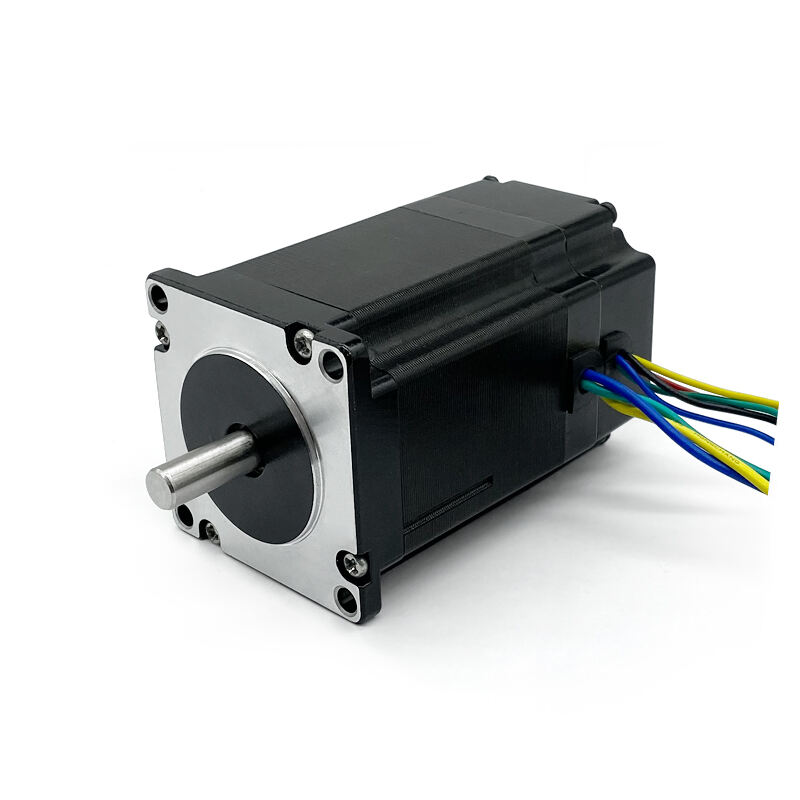
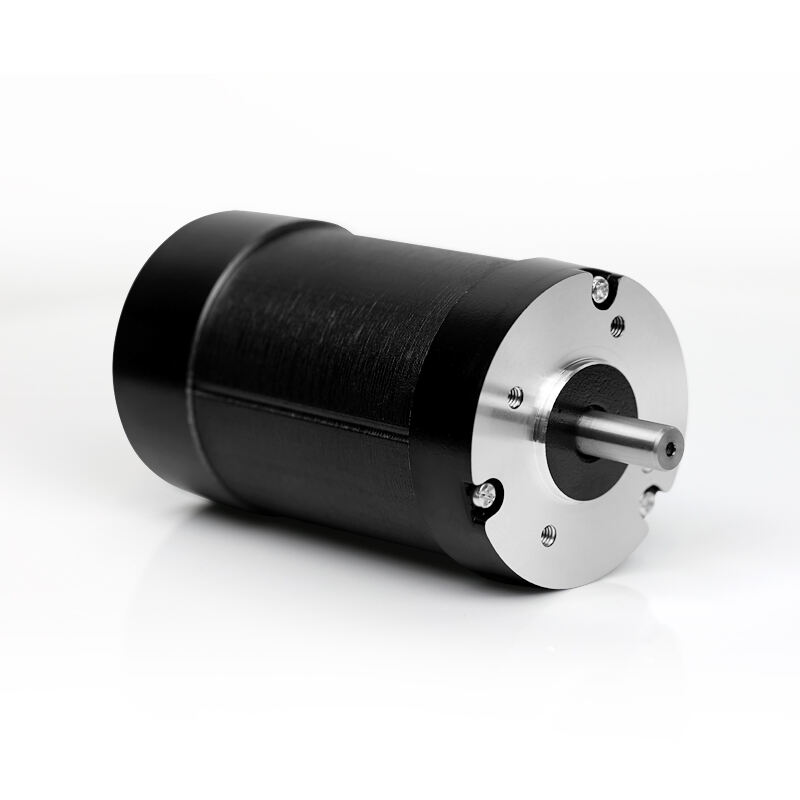
bldc rotor
The BLDC rotor represents a fundamental component in brushless direct current motors, serving as the rotating element that converts electrical energy into mechanical motion through electromagnetic principles. This sophisticated rotor design eliminates the need for physical brushes, creating a more efficient and reliable motor system. The BLDC rotor typically consists of permanent magnets arranged in specific pole configurations, mounted on a shaft assembly that rotates within the stator's electromagnetic field. The primary function of the BLDC rotor involves generating rotational movement when subjected to the controlled magnetic fields produced by the stator windings. This interaction creates precise torque output with exceptional control characteristics. The technological features of the BLDC rotor include high-strength neodymium or ferrite permanent magnets, precision-balanced construction, and optimized magnetic pole arrangements that ensure smooth operation across various speed ranges. The rotor's design incorporates advanced materials and manufacturing techniques that provide superior thermal management and magnetic stability. Applications for BLDC rotors span numerous industries, including automotive systems, industrial automation, consumer electronics, medical devices, and renewable energy systems. In automotive applications, BLDC rotors power electric vehicle motors, cooling fans, and power steering systems. Industrial automation relies on BLDC rotors for conveyor systems, robotic actuators, and precision positioning equipment. Consumer electronics utilize these rotors in computer cooling fans, hard disk drives, and home appliances. Medical equipment employs BLDC rotors in surgical tools, diagnostic imaging systems, and patient care devices. The renewable energy sector incorporates BLDC rotors in wind turbine generators and solar tracking systems. The versatility and reliability of BLDC rotors make them essential components across these diverse applications, providing consistent performance and extended operational life while maintaining precise control characteristics that modern systems demand.