bldc spindle
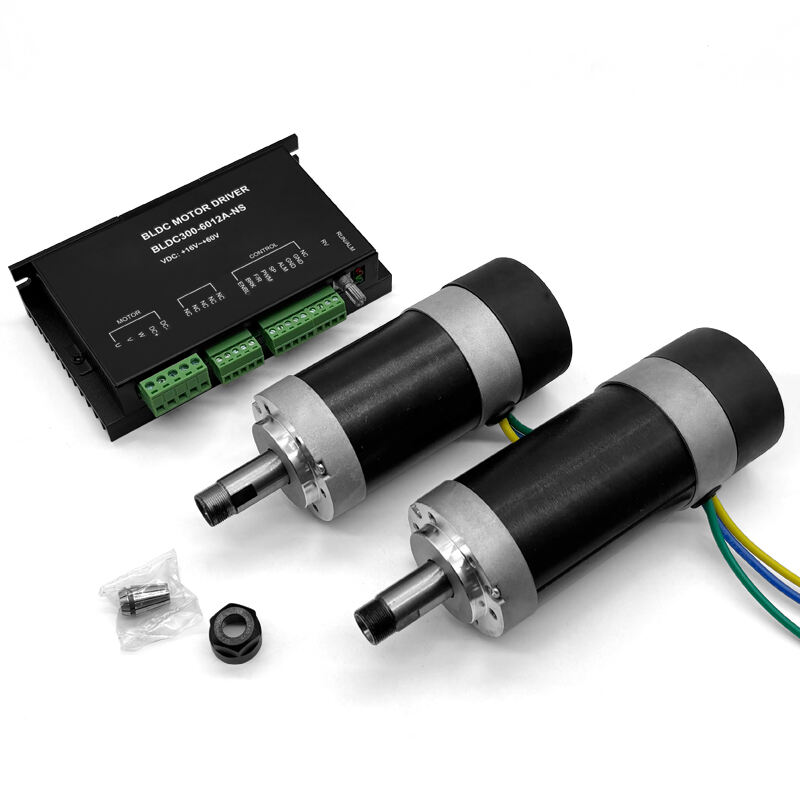
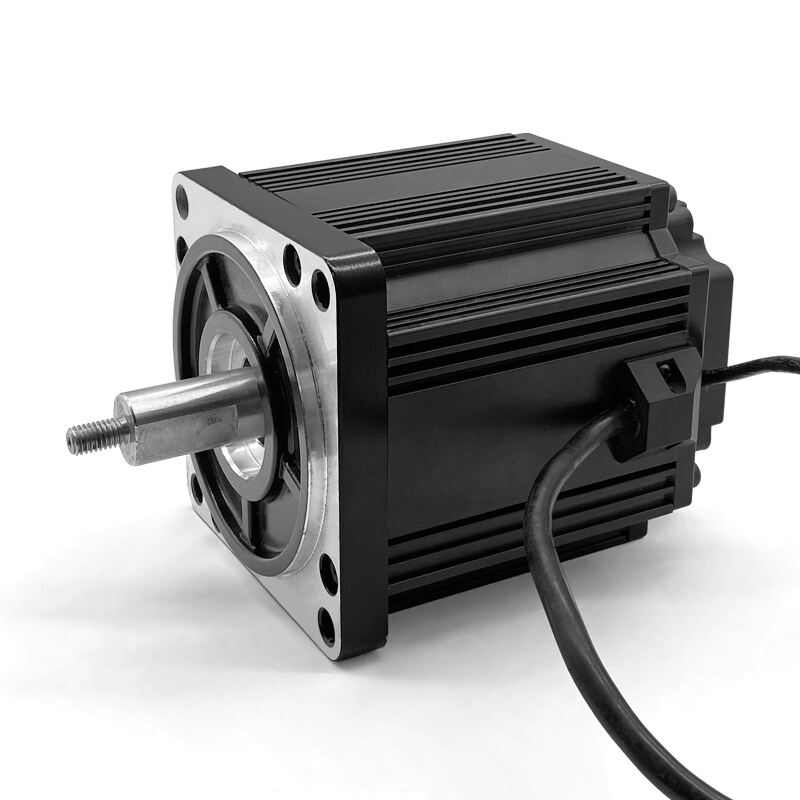
A BLDC spindle represents a cutting-edge motor technology that combines brushless direct current motor principles with precision spindle engineering to deliver exceptional performance in various industrial applications. This advanced BLDC spindle system operates without physical brushes, utilizing electronic commutation to control motor rotation with remarkable accuracy and reliability. The fundamental design of a BLDC spindle incorporates permanent magnets in the rotor and electromagnetic windings in the stator, creating a highly efficient power transmission mechanism that minimizes energy waste and maximizes operational longevity. The main functions of a BLDC spindle encompass precise rotational control, variable speed operation, and consistent torque delivery across diverse working conditions. These spindles excel at maintaining stable rotation speeds while handling varying load requirements, making them ideal for applications demanding consistent performance. The technological features of modern BLDC spindle systems include integrated sensor feedback mechanisms, advanced electronic speed controllers, and sophisticated thermal management systems. These components work together to ensure optimal performance while protecting the spindle from overheating and mechanical stress. The electronic commutation system eliminates the need for carbon brushes, significantly reducing maintenance requirements and extending operational lifespan. BLDC spindle applications span numerous industries, including CNC machining, automated manufacturing, precision drilling operations, and high-speed milling processes. In CNC applications, the BLDC spindle provides the precise control necessary for complex cutting operations, while in automated manufacturing environments, these spindles deliver consistent performance for extended production runs. The versatility of BLDC spindle technology makes it suitable for both light-duty precision work and heavy-duty industrial applications. Modern BLDC spindle designs incorporate advanced materials and manufacturing techniques to achieve superior balance, reduced vibration, and enhanced durability. The integration of smart control systems allows operators to monitor spindle performance in real-time, optimizing operational parameters for maximum efficiency and product quality.