DC Motor to Servo Motor Conversion: Advanced Precision Control Solutions for Industrial Applications

Get a Free Quote

Our representative will contact you soon.
Email
Name
Company Name
WhatsApp
Mobile
Message
0/1000

dc motor to servo motor

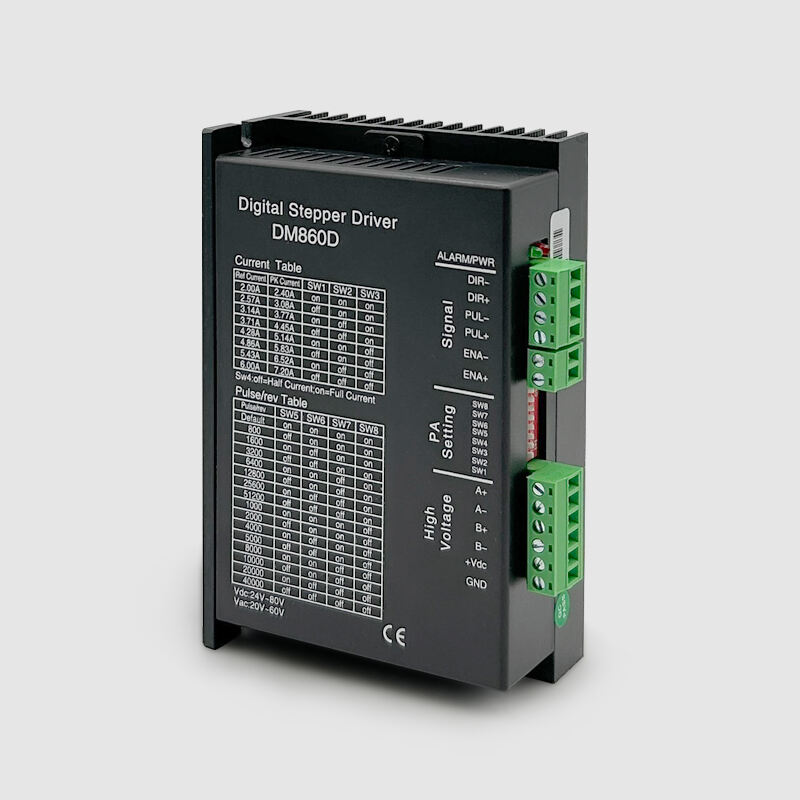
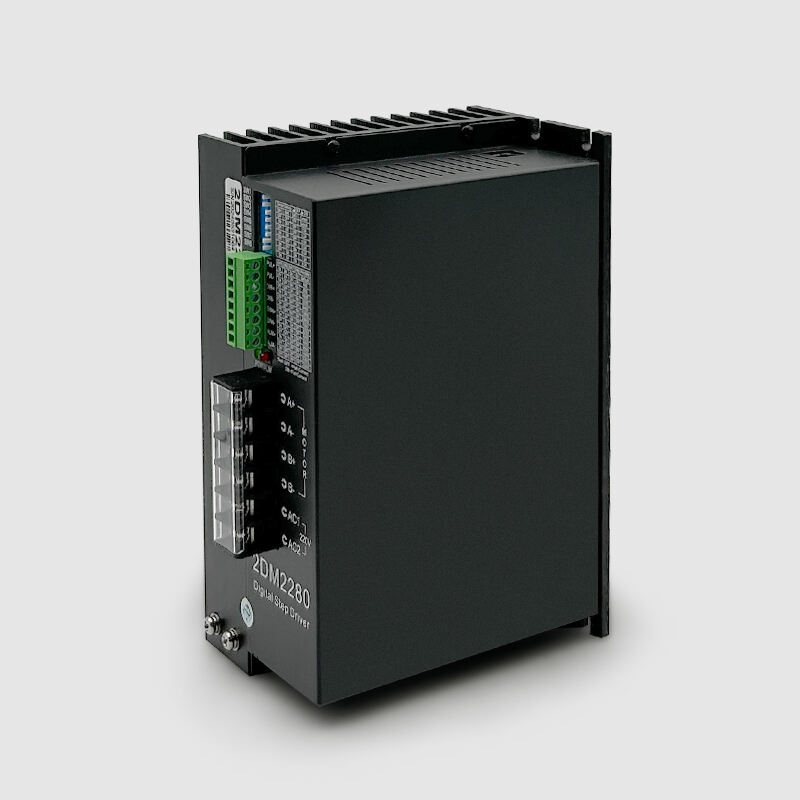
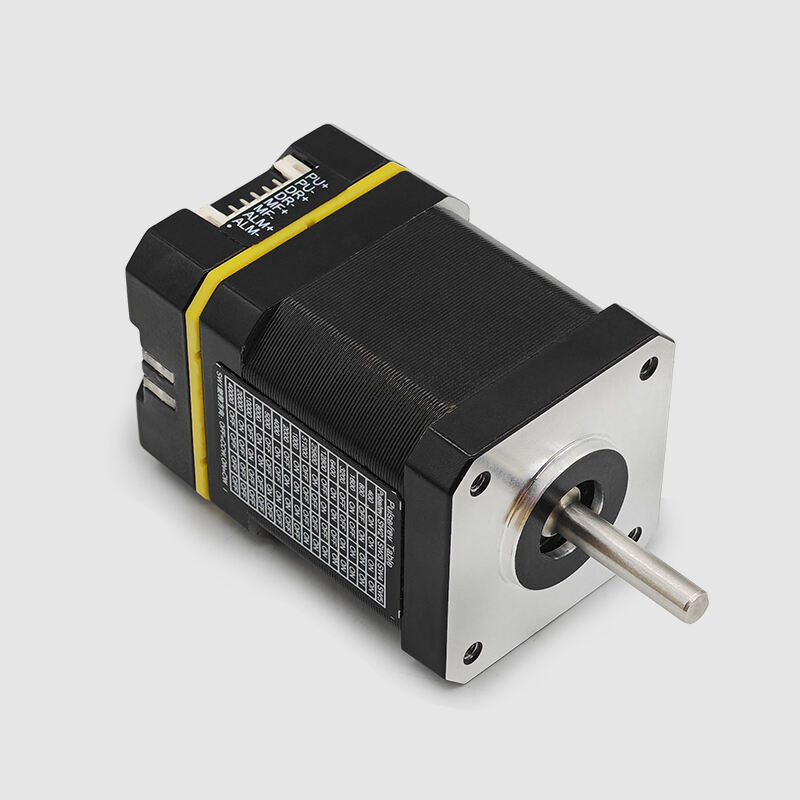
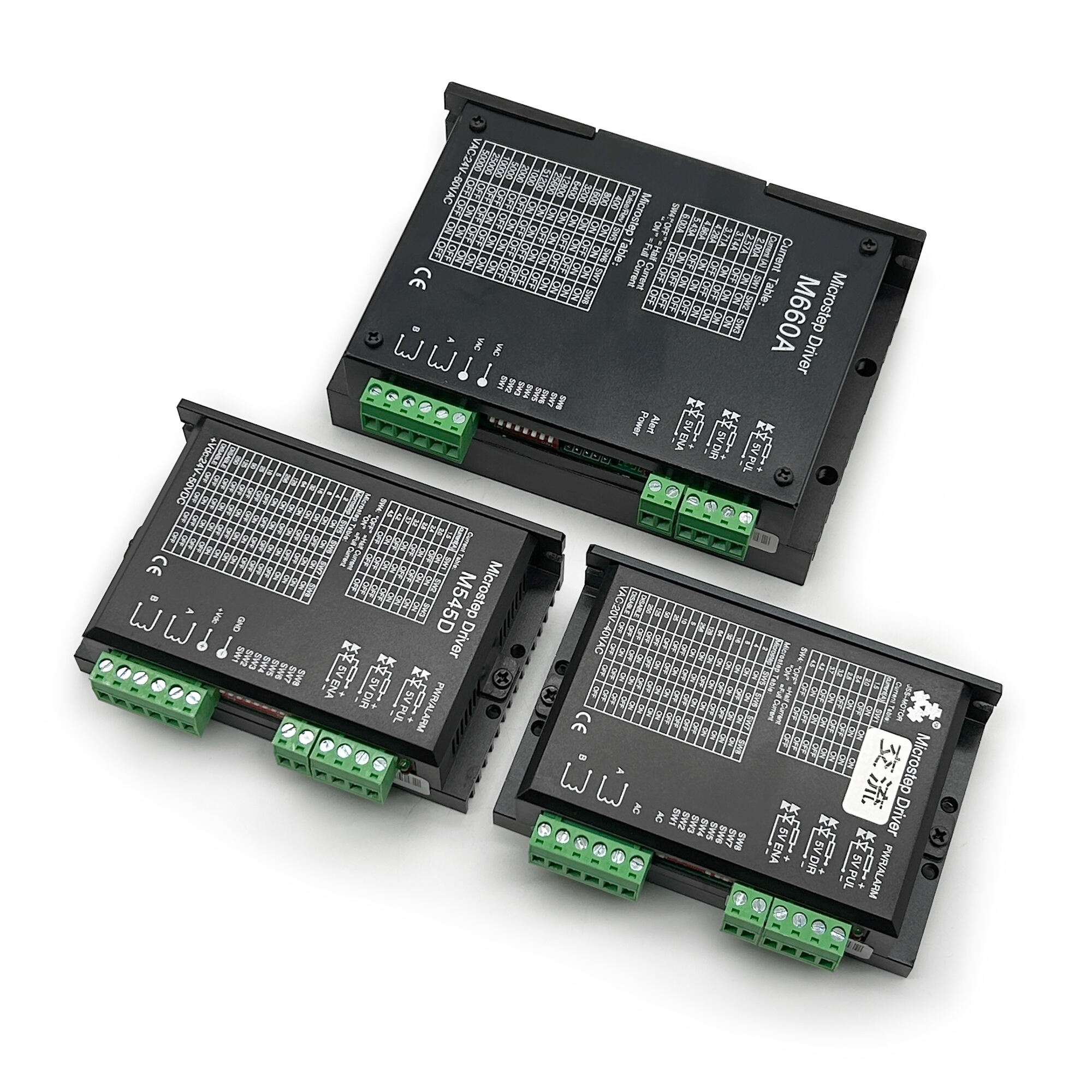
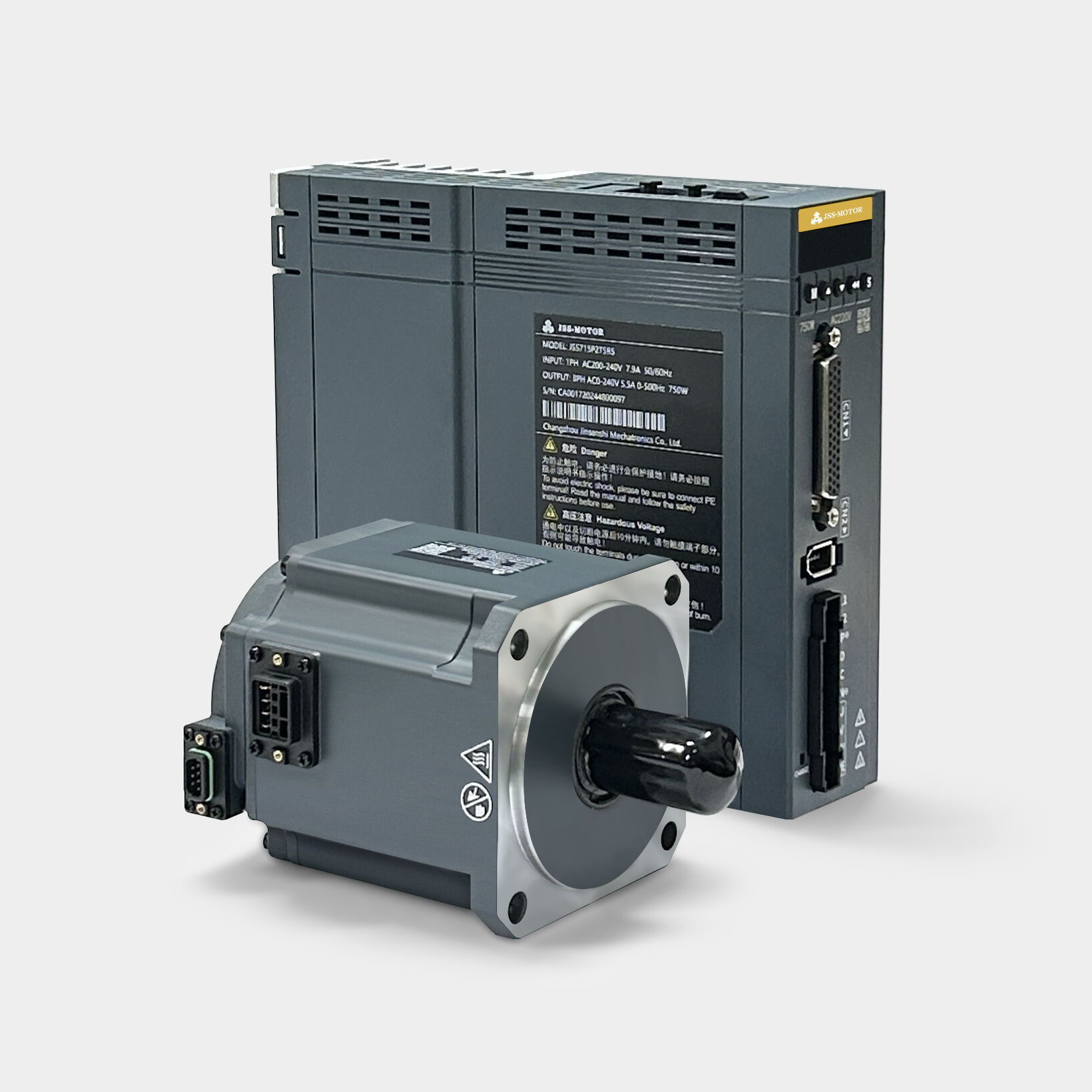
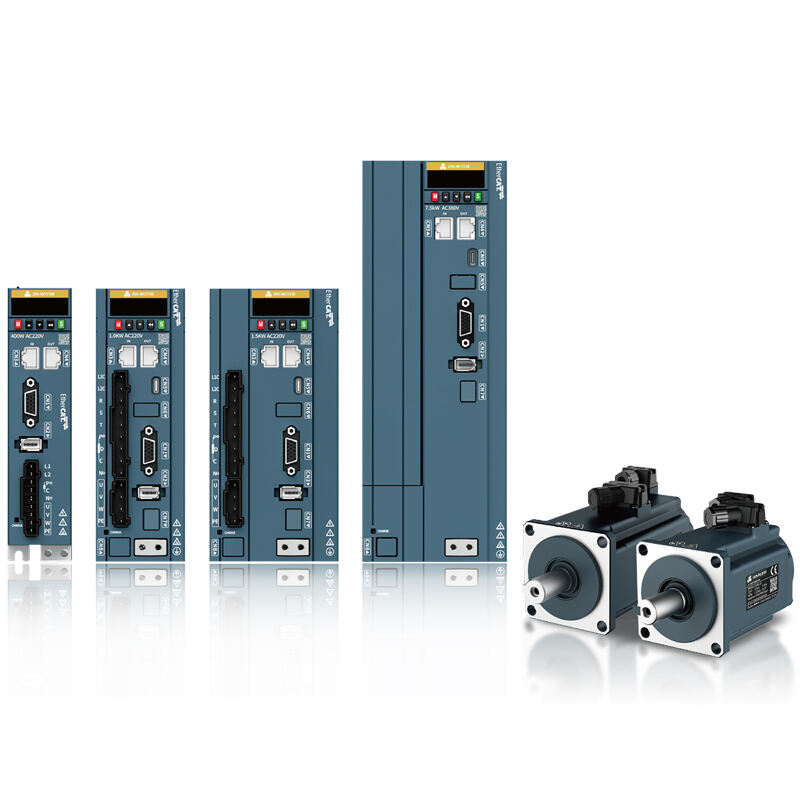
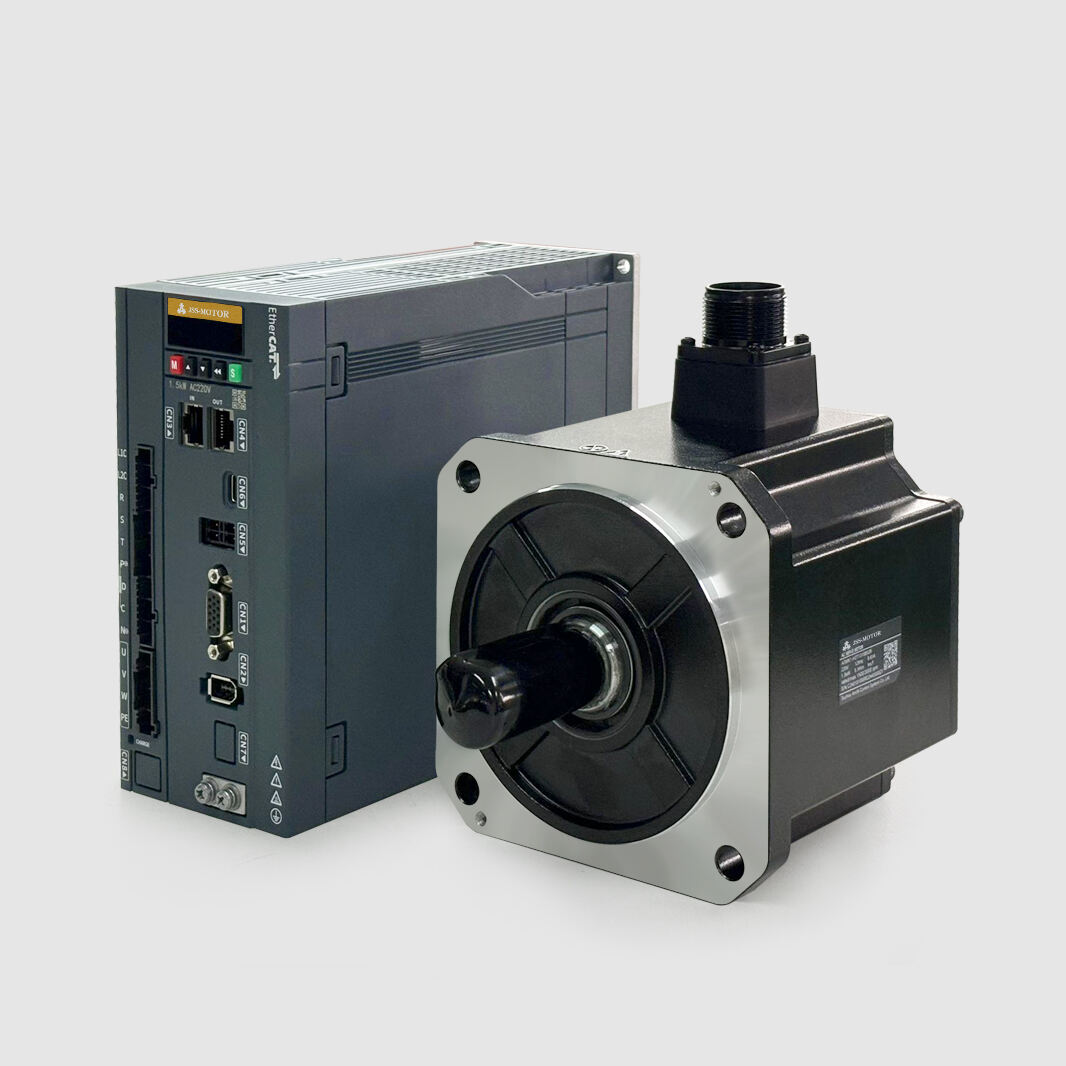
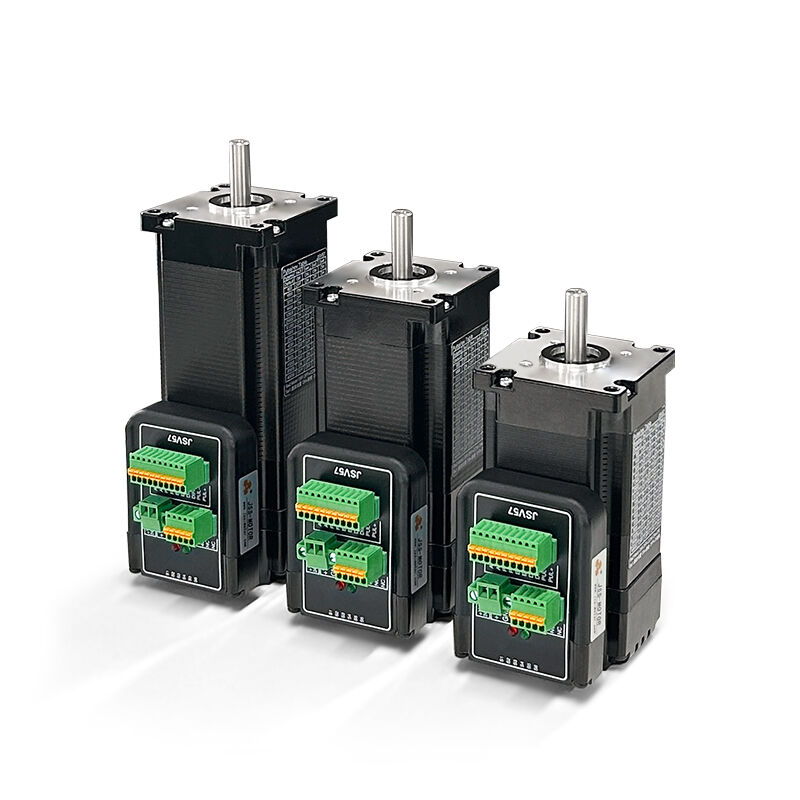
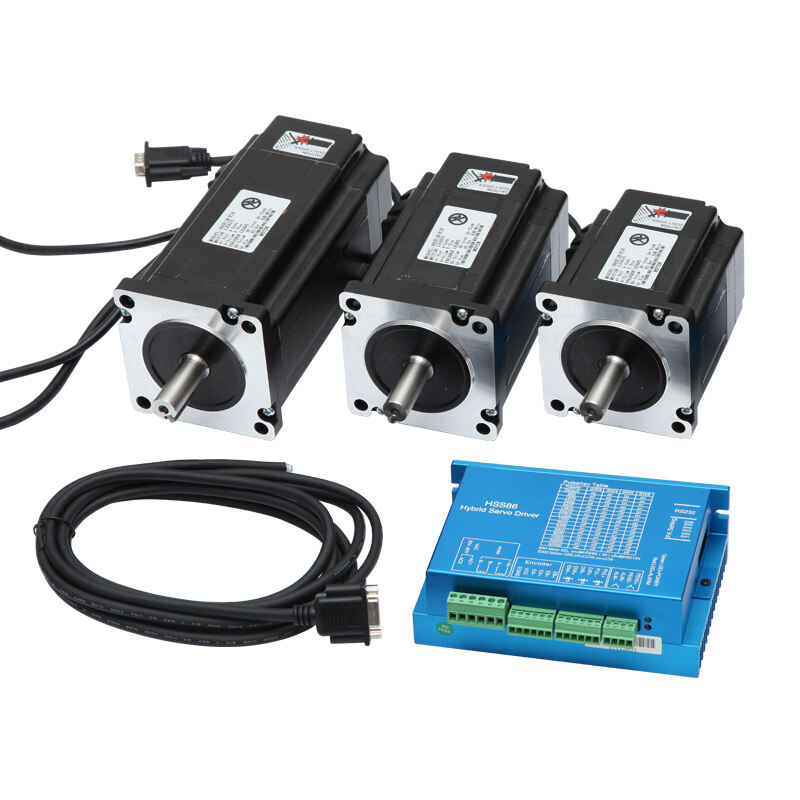
The DC motor to servo motor conversion represents a significant advancement in precision control technology, transforming standard DC motors into highly accurate servo systems. This conversion process involves integrating feedback mechanisms, control circuits, and position sensing capabilities into traditional DC motors, creating versatile motion control solutions. The DC motor to servo motor system combines the simplicity and cost-effectiveness of DC motors with the precision and controllability of servo technology. The main functions of a DC motor to servo motor system include precise position control, speed regulation, and torque management. These systems utilize encoder feedback to monitor shaft position and velocity, enabling closed-loop control that maintains accuracy even under varying load conditions. The technological features include PWM speed control, PID feedback algorithms, and digital signal processing capabilities that ensure smooth operation and rapid response times. The DC motor to servo motor configuration typically incorporates a brushed or brushless DC motor paired with an optical or magnetic encoder, creating a complete motion control package. Advanced models feature programmable controllers that allow users to customize acceleration profiles, positioning parameters, and operational limits. Applications for DC motor to servo motor systems span numerous industries, from robotics and automation to medical devices and aerospace equipment. In manufacturing environments, these systems power conveyor belts, robotic arms, and assembly line components where precise positioning is crucial. The automotive industry relies on DC motor to servo motor technology for electric power steering, throttle control, and automated manufacturing processes. Laboratory equipment, 3D printers, and CNC machines benefit from the accuracy and repeatability these systems provide. The DC motor to servo motor solution offers exceptional versatility, allowing engineers to implement sophisticated motion control without the complexity and cost associated with traditional servo motors.
New Product Releases

The DC motor to servo motor conversion offers numerous practical benefits that make it an attractive solution for various applications. Cost efficiency stands as the primary advantage, as converting existing DC motors proves significantly less expensive than purchasing dedicated servo motors. This approach allows businesses to upgrade their motion control capabilities without substantial capital investment. The DC motor to servo motor system provides exceptional flexibility in implementation, enabling engineers to customize control parameters according to specific application requirements. Unlike fixed servo solutions, these systems offer programmable acceleration curves, adjustable speed limits, and configurable position ranges that adapt to diverse operational needs. Installation simplicity represents another major benefit, as DC motor to servo motor conversions typically require minimal modifications to existing equipment. The retrofit nature of these systems means reduced downtime during implementation, allowing production facilities to maintain operational continuity while upgrading their automation capabilities. Energy efficiency improvements result from the precise control mechanisms inherent in DC motor to servo motor systems. These configurations eliminate energy waste through accurate speed and position control, reducing operational costs and environmental impact. The closed-loop feedback system ensures motors operate only when necessary and at optimal efficiency levels. Maintenance advantages emerge from the robust design of DC motor to servo motor systems. The simplified architecture reduces component failure rates while providing diagnostic capabilities that predict maintenance needs. This proactive approach minimizes unexpected downtime and extends equipment lifespan. Performance consistency represents a crucial benefit, as DC motor to servo motor systems maintain accuracy regardless of load variations or environmental conditions. The feedback control mechanisms automatically compensate for disturbances, ensuring reliable operation in demanding applications. Scalability offers additional value, allowing users to upgrade control sophistication as requirements evolve. Basic DC motor to servo motor systems can accommodate advanced features like network connectivity, remote monitoring, and integrated safety functions through software updates and hardware additions.

Latest News

Is closed-loop feedback worth adding to a standard stepper motor driver?

26

Sep

Is closed-loop feedback worth adding to a standard stepper motor driver?

Understanding the Evolution of Stepper Motor Control Systems The world of motion control has witnessed remarkable advancements in recent years, particularly in how we approach stepper motor control. Traditional open-loop stepper systems have served i...
View More
AC Servo Motor vs. Stepper Motor: Which to Choose?

20

Oct

AC Servo Motor vs. Stepper Motor: Which to Choose?

Understanding Motion Control System Fundamentals In the world of precision motion control and automation, choosing the right motor technology can make or break your application's success. The debate between ac servo motors and stepper motors continue...
View More
2025 Guide: How to Choose the Right Servo Motor

27

Nov

2025 Guide: How to Choose the Right Servo Motor

The selection of the right servo motor stands as a critical decision in modern automation and machinery applications. As we move into 2025, the complexity and capabilities of these precision devices continue to evolve, making it essential for enginee...
View More
Servo Motor vs Stepper Motor: Key Differences Explained

27

Nov

Servo Motor vs Stepper Motor: Key Differences Explained

In the world of industrial automation and precision motion control, understanding the distinction between servo motors and stepper motors is crucial for engineers and system designers. A servo motor represents the pinnacle of precise motion control, ...
View More

Get a Free Quote

Our representative will contact you soon.
Email
Name
Company Name
WhatsApp
Mobile
Message
0/1000

dc motor to servo motor

Precision Control Technology Integration

Precision Control Technology Integration

The integration of precision control technology in DC motor to servo motor systems revolutionizes motion control applications by combining traditional DC motor reliability with advanced servo accuracy. This technological fusion creates systems capable of achieving positioning accuracies within micrometers while maintaining the cost-effectiveness and simplicity associated with standard DC motors. The DC motor to servo motor configuration utilizes sophisticated encoder feedback mechanisms that continuously monitor shaft position, velocity, and acceleration, providing real-time data for precise control algorithms. These systems employ high-resolution optical or magnetic encoders that generate thousands of pulses per revolution, enabling extremely fine position control that exceeds the capabilities of basic DC motors. The control electronics process this feedback information through advanced PID algorithms that automatically adjust motor output to maintain desired position and speed parameters. The DC motor to servo motor precision control system responds to position commands within milliseconds, making it ideal for applications requiring rapid and accurate positioning. This responsiveness stems from the optimized control loops that minimize settling time while preventing overshoot and oscillation. The technology incorporates adaptive control features that learn from operational patterns and automatically optimize performance parameters for specific applications. Advanced DC motor to servo motor systems include predictive control algorithms that anticipate load changes and adjust control parameters proactively, maintaining consistent performance under varying conditions. The integration also enables multi-axis coordination, allowing synchronized movement of multiple DC motor to servo motor systems for complex motion profiles. This capability proves essential in robotics, CNC machining, and automated assembly applications where precise coordination between multiple axes determines overall system performance. The precision control technology extends to velocity profiling, enabling smooth acceleration and deceleration curves that reduce mechanical stress and improve system longevity. These features make DC motor to servo motor systems invaluable for applications demanding both precision and reliability in challenging operational environments.
Cost-Effective Motion Control Solution

Cost-Effective Motion Control Solution

The cost-effective nature of DC motor to servo motor solutions provides businesses with an economical pathway to advanced motion control capabilities without the substantial investment typically required for traditional servo systems. This affordability advantage stems from leveraging existing DC motor infrastructure while adding servo-level control functionality through strategic component integration. The DC motor to servo motor approach reduces initial capital expenditure by utilizing standard DC motors that cost significantly less than dedicated servo motors of comparable power ratings. This cost differential becomes particularly pronounced in larger systems requiring multiple motors, where the savings can represent substantial budget reductions. The conversion process itself requires minimal additional components, primarily consisting of encoder assemblies and control electronics that integrate seamlessly with existing motor installations. The DC motor to servo motor solution eliminates the need for specialized mounting hardware, custom interfaces, and proprietary control systems commonly associated with traditional servo implementations. This compatibility reduces installation costs and minimizes system complexity, making advanced motion control accessible to smaller operations with limited budgets. Operational cost benefits extend beyond initial purchase prices, as DC motor to servo motor systems typically consume less energy than traditional alternatives while delivering superior performance. The precise control mechanisms eliminate energy waste through optimal speed and torque management, reducing electricity costs and heat generation that would otherwise require additional cooling systems. Maintenance costs remain low due to the robust design and diagnostic capabilities built into DC motor to servo motor systems. The integrated monitoring functions provide early warning of potential issues, enabling preventive maintenance that costs less than reactive repairs. The standardized components used in DC motor to servo motor conversions ensure readily available spare parts and service support, avoiding the premium pricing often associated with specialized servo components. Training costs decrease as well, since technicians familiar with DC motor principles can quickly adapt to DC motor to servo motor systems without extensive retraining programs. This familiarity reduces learning curves and accelerates implementation timelines, further enhancing the overall value proposition.
Versatile Application Adaptability

Versatile Application Adaptability

The versatile application adaptability of DC motor to servo motor systems makes them suitable for an extraordinarily wide range of industrial, commercial, and specialized applications across diverse sectors. This adaptability stems from the configurable nature of these systems, which can be tailored to meet specific performance requirements, environmental conditions, and operational constraints unique to different applications. The DC motor to servo motor platform accommodates varying power requirements from fractional horsepower applications in laboratory equipment to multi-horsepower installations in heavy industrial machinery. This scalability ensures that users can implement consistent motion control technology across different application scales without switching to entirely different motor technologies. Environmental adaptability represents a crucial feature of DC motor to servo motor systems, with options available for extreme temperature operations, high humidity conditions, and corrosive environments. Specialized enclosures and coating options enable deployment in challenging conditions ranging from arctic installations to tropical manufacturing facilities. The DC motor to servo motor configuration supports multiple mounting orientations and mechanical interfaces, facilitating integration into existing equipment designs without major modifications. This mechanical flexibility extends to shaft configurations, gear ratios, and coupling options that accommodate diverse mechanical requirements. The control interface adaptability allows DC motor to servo motor systems to communicate with various automation protocols including Ethernet, CAN bus, RS485, and wireless networks. This connectivity ensures seamless integration with existing control systems while providing pathways for future automation upgrades. Application-specific programming capabilities enable users to optimize DC motor to servo motor performance for unique operational patterns, load characteristics, and duty cycles. These customizations range from simple parameter adjustments to complex motion profiles that coordinate multiple axes for sophisticated automation sequences. The modular design philosophy underlying DC motor to servo motor systems supports incremental capability expansion, allowing users to add features like network connectivity, advanced diagnostics, and safety functions as operational requirements evolve. This evolutionary approach protects initial investments while providing growth pathways that align with changing business needs and technological advances in the motion control industry.
+86-13401517369
[email protected]

Get a Free Quote

Our representative will contact you soon.
Email
Name
Company Name
WhatsApp
Mobile
Message
0/1000

Copyright © 2026 Changzhou Jinsanshi Mechatronics Co., Ltd. All rights reserved.  -  Privacy policy