dc servo motor in robotics
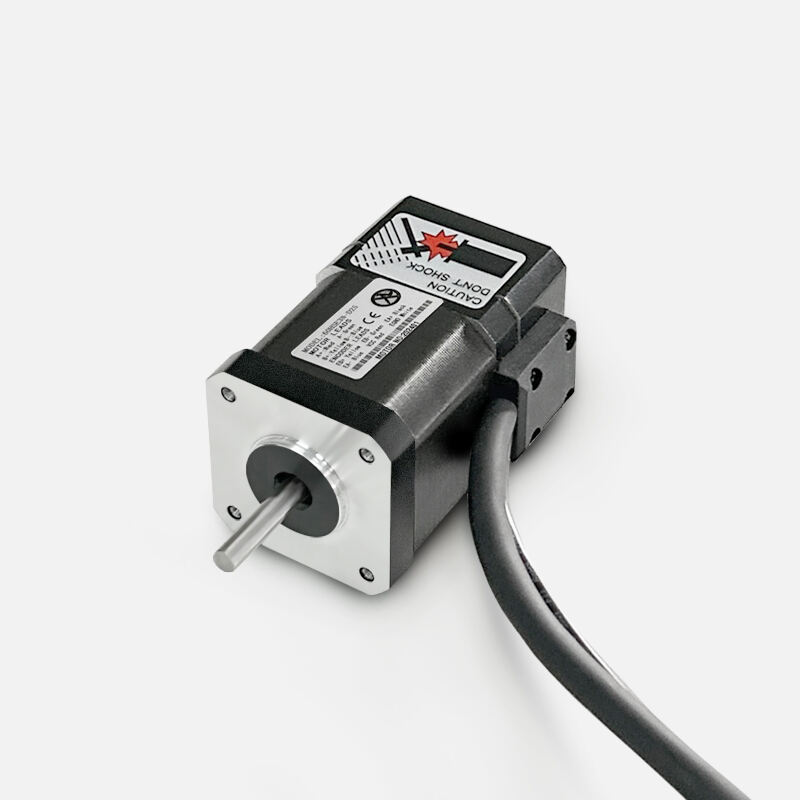
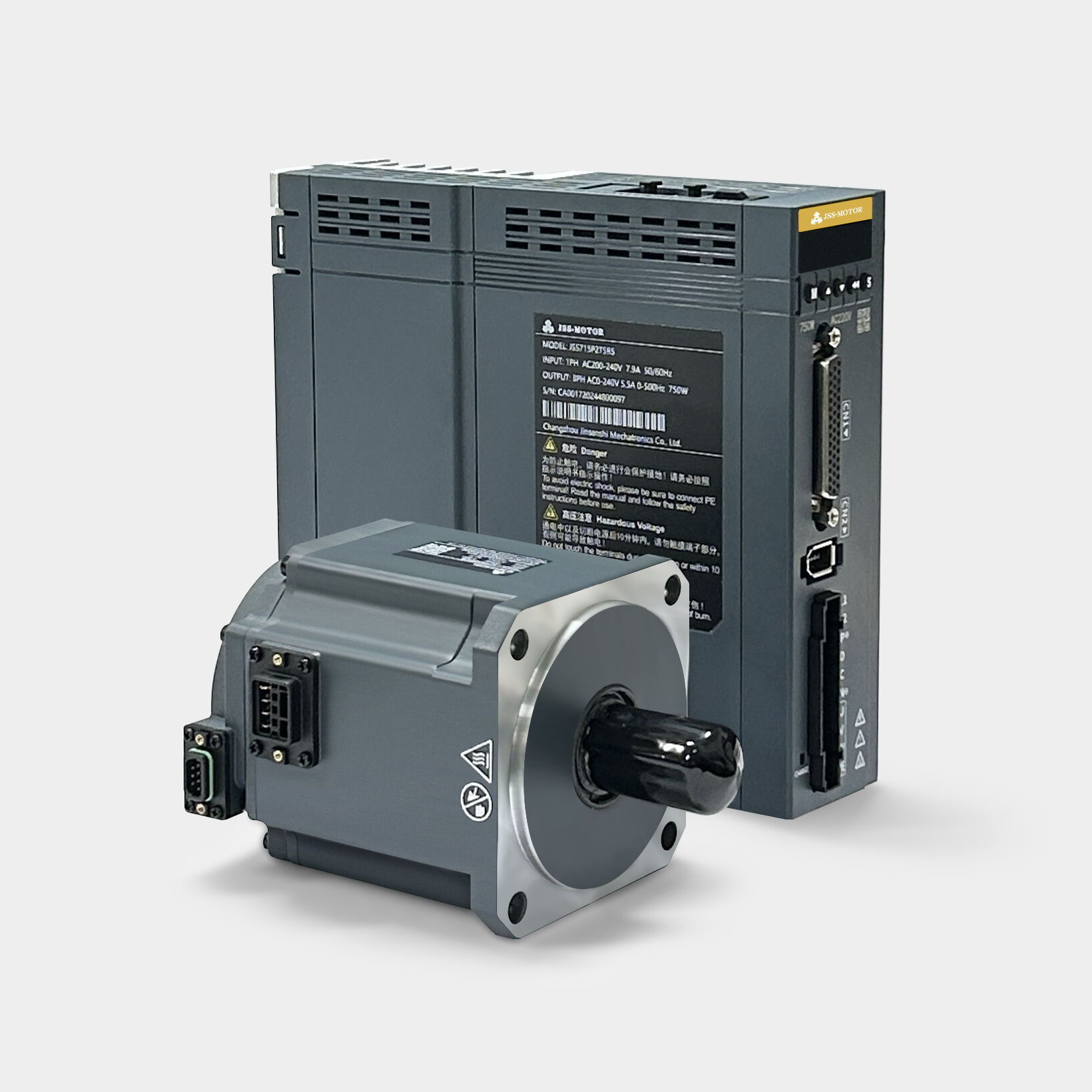
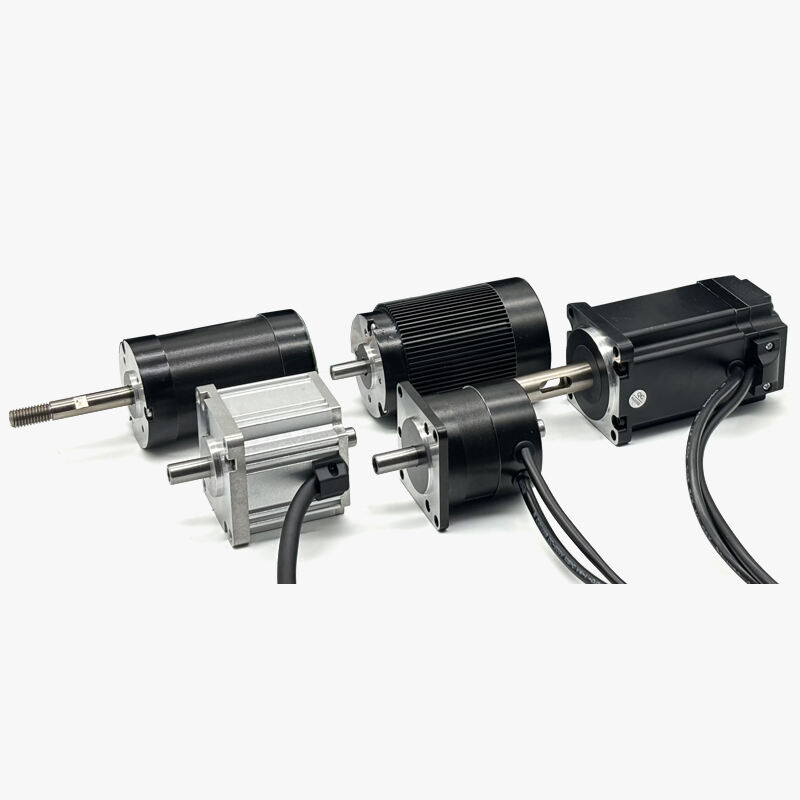
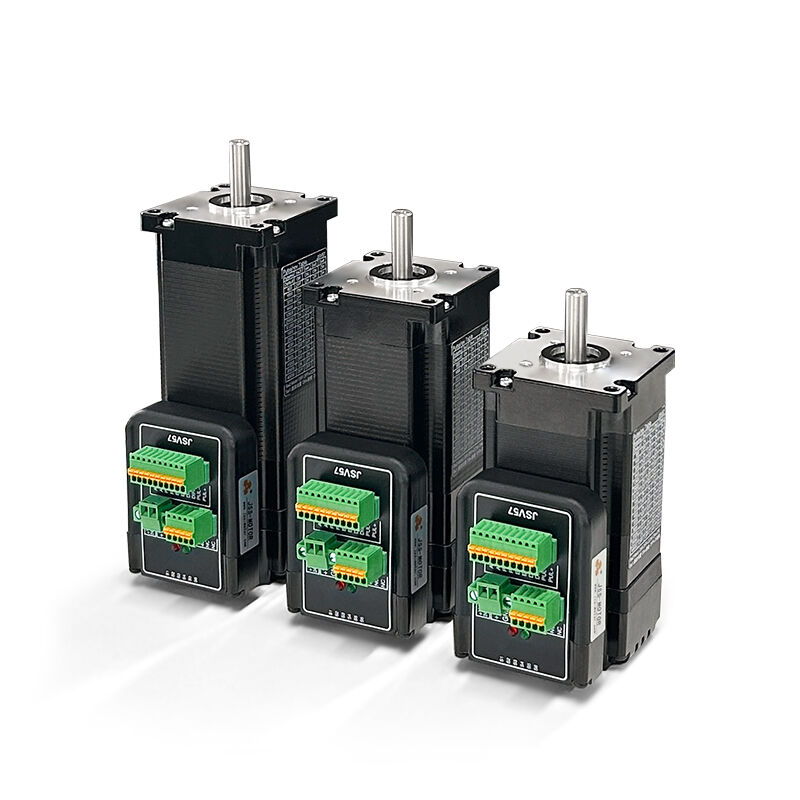
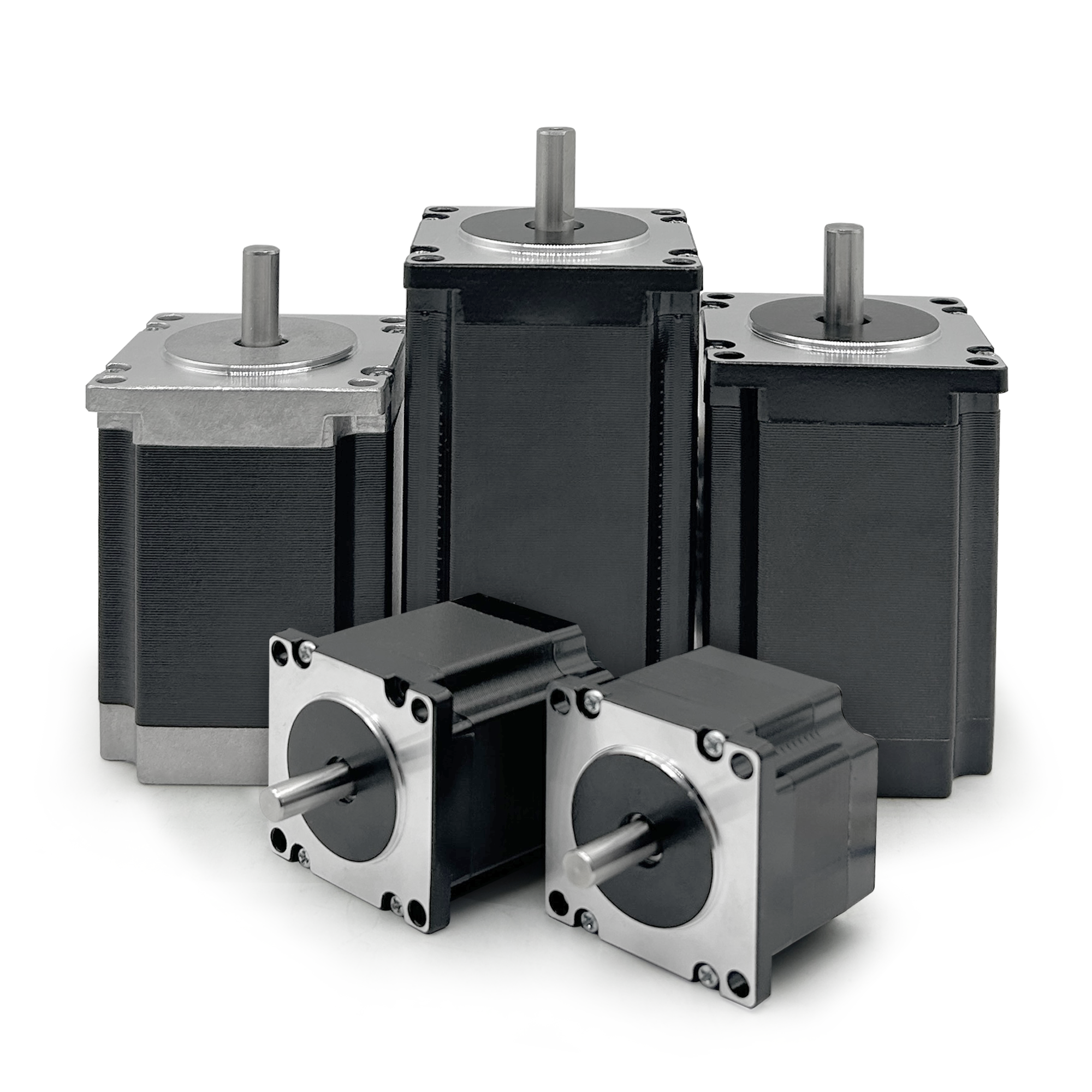
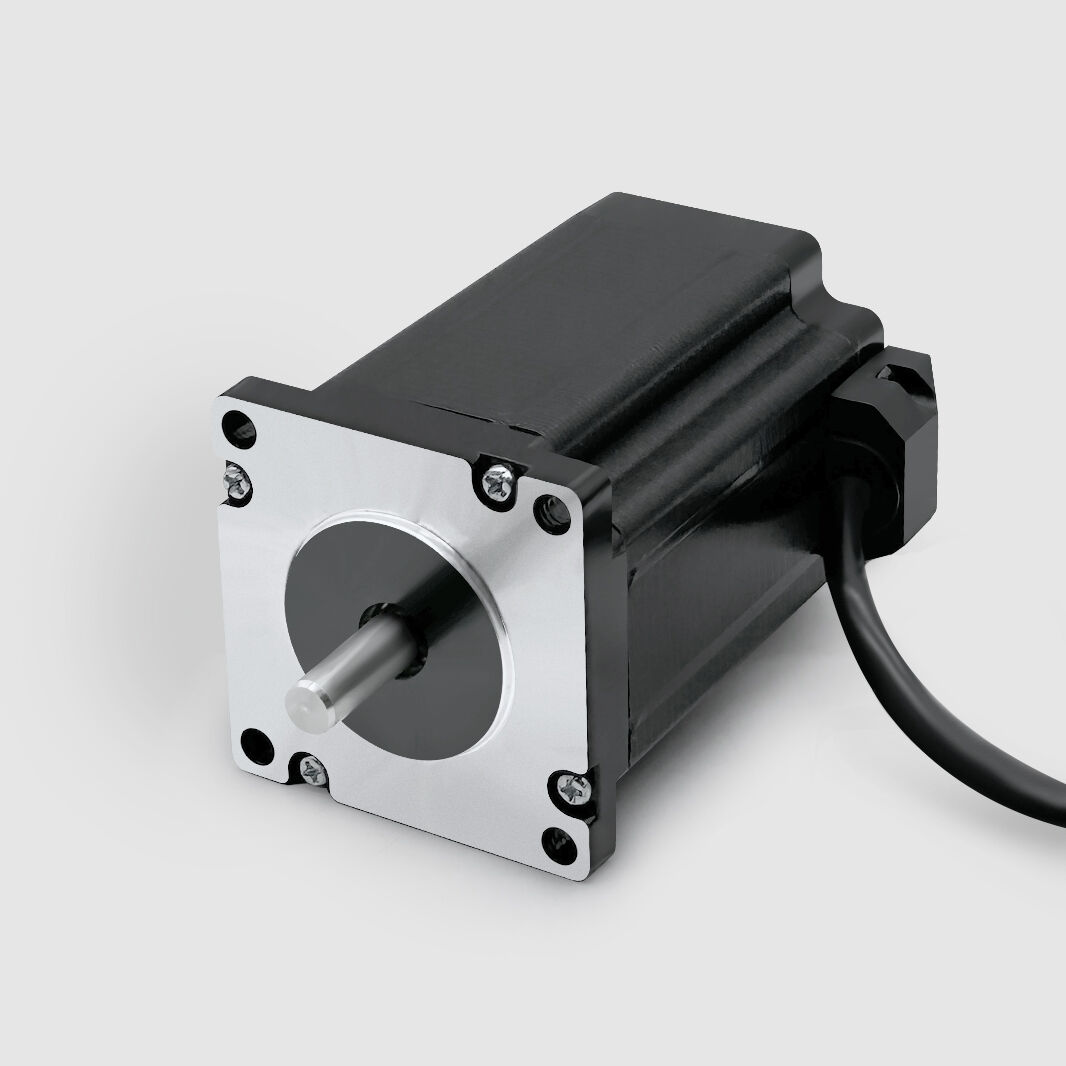
The dc servo motor in robotics represents a fundamental component that transforms electrical energy into precise mechanical motion, serving as the backbone of automated systems across countless industrial and commercial applications. These specialized motors combine direct current power with sophisticated feedback control systems to deliver exceptional accuracy and reliability in robotic operations. The dc servo motor in robotics operates through electromagnetic principles, utilizing permanent magnets and wound armatures to generate rotational force that can be precisely controlled through variable voltage inputs. The primary functions of the dc servo motor in robotics encompass position control, speed regulation, and torque management, enabling robots to perform delicate assembly tasks, heavy lifting operations, and intricate manufacturing processes with remarkable consistency. Technological features of the dc servo motor in robotics include integrated encoder systems that provide real-time position feedback, brushless designs that minimize maintenance requirements, and advanced electronic speed controllers that optimize performance across varying load conditions. These motors excel in applications requiring precise angular positioning, such as robotic arms used in automotive assembly lines, medical surgical robots performing microsurgery, and packaging machinery that demands consistent product placement. The dc servo motor in robotics also demonstrates exceptional performance in conveyor systems, automated guided vehicles, and pick-and-place operations where timing and accuracy determine operational success. Manufacturing environments particularly benefit from the dc servo motor in robotics due to their ability to maintain consistent performance under continuous operation while providing the flexibility to adjust speed and position parameters based on production requirements. The integration capabilities of the dc servo motor in robotics with modern control systems enable seamless communication with programmable logic controllers and computer-based automation platforms, facilitating sophisticated robotic applications that require coordination between multiple axes of movement and various sensors throughout the production environment.