DC Servo Motors: Precision Motion Control Solutions for Industrial Automation

Get a Free Quote

Our representative will contact you soon.
Email
Name
Company Name
WhatsApp
Mobile
Message
0/1000

dc servo

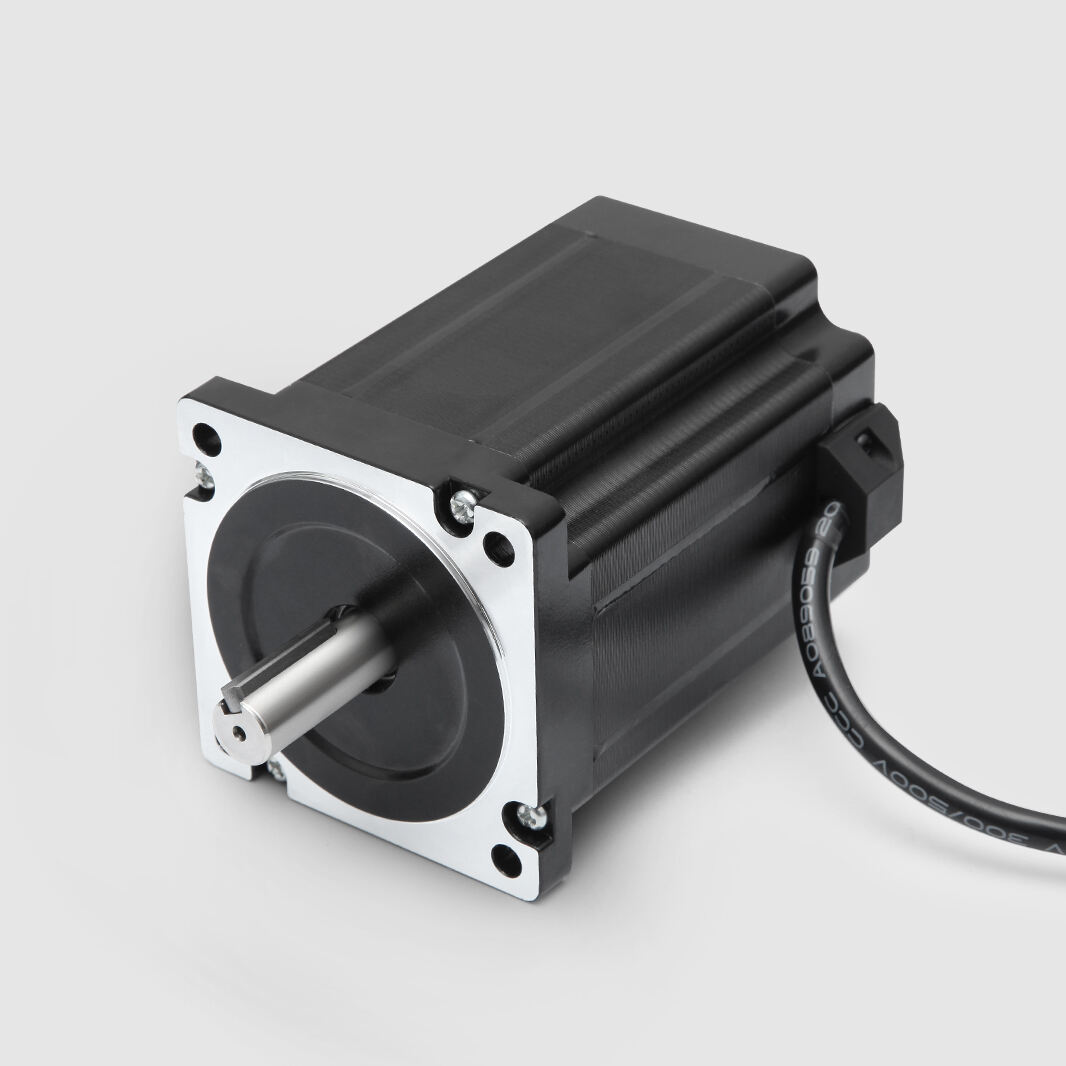
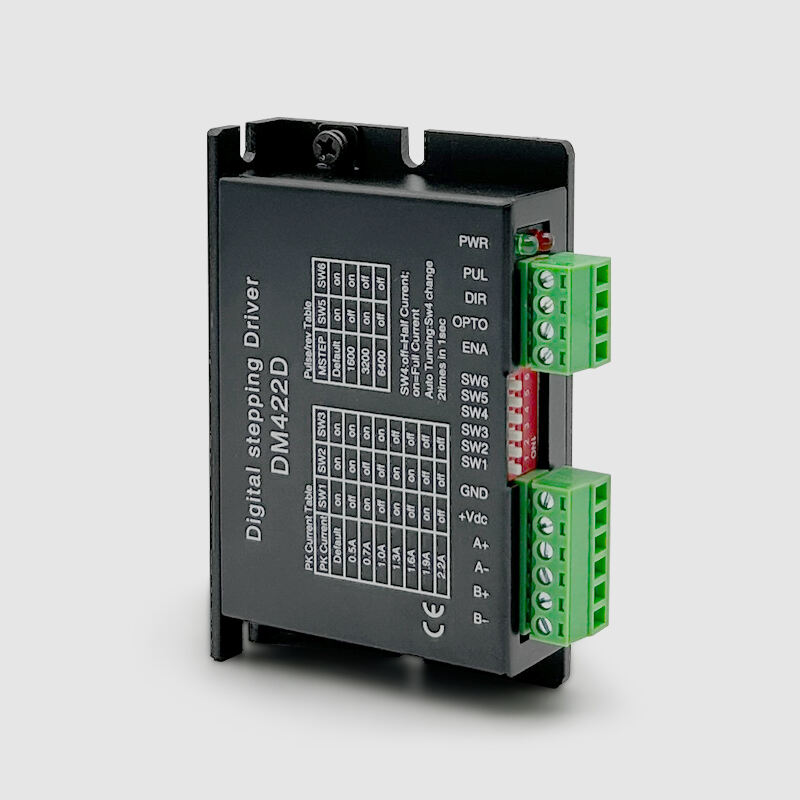
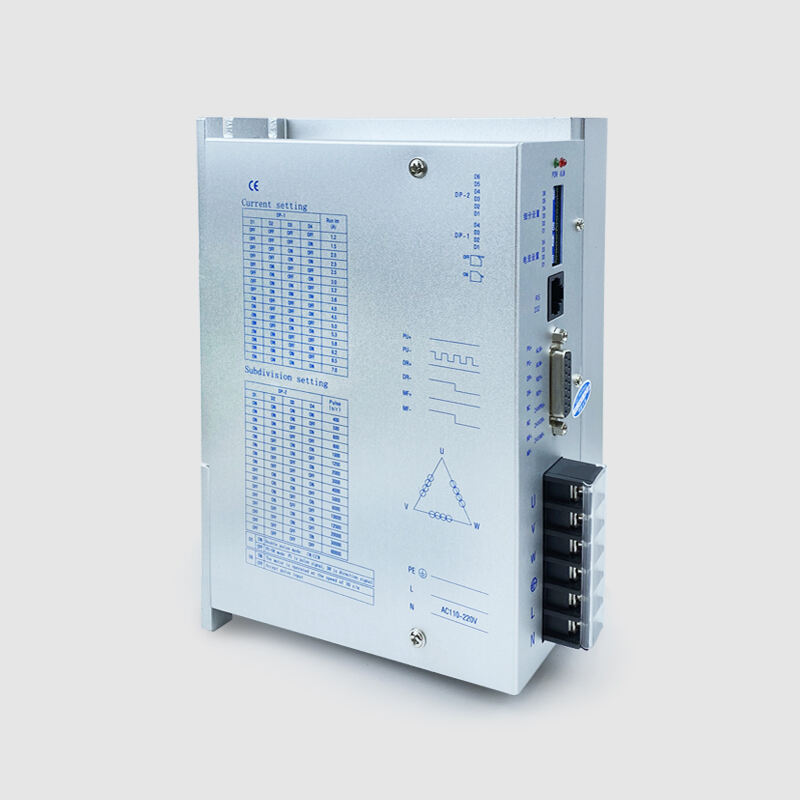
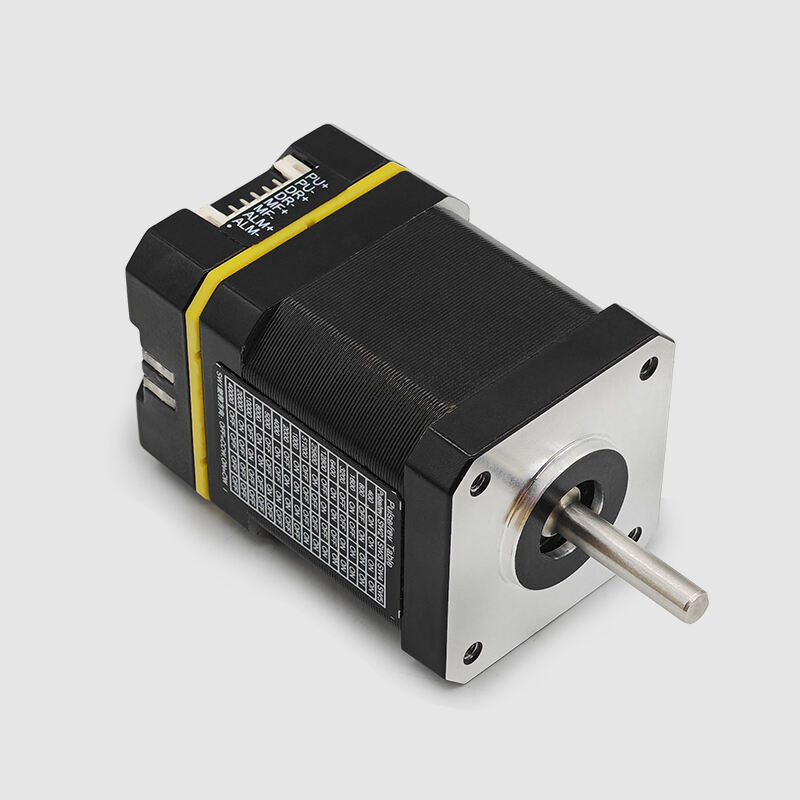
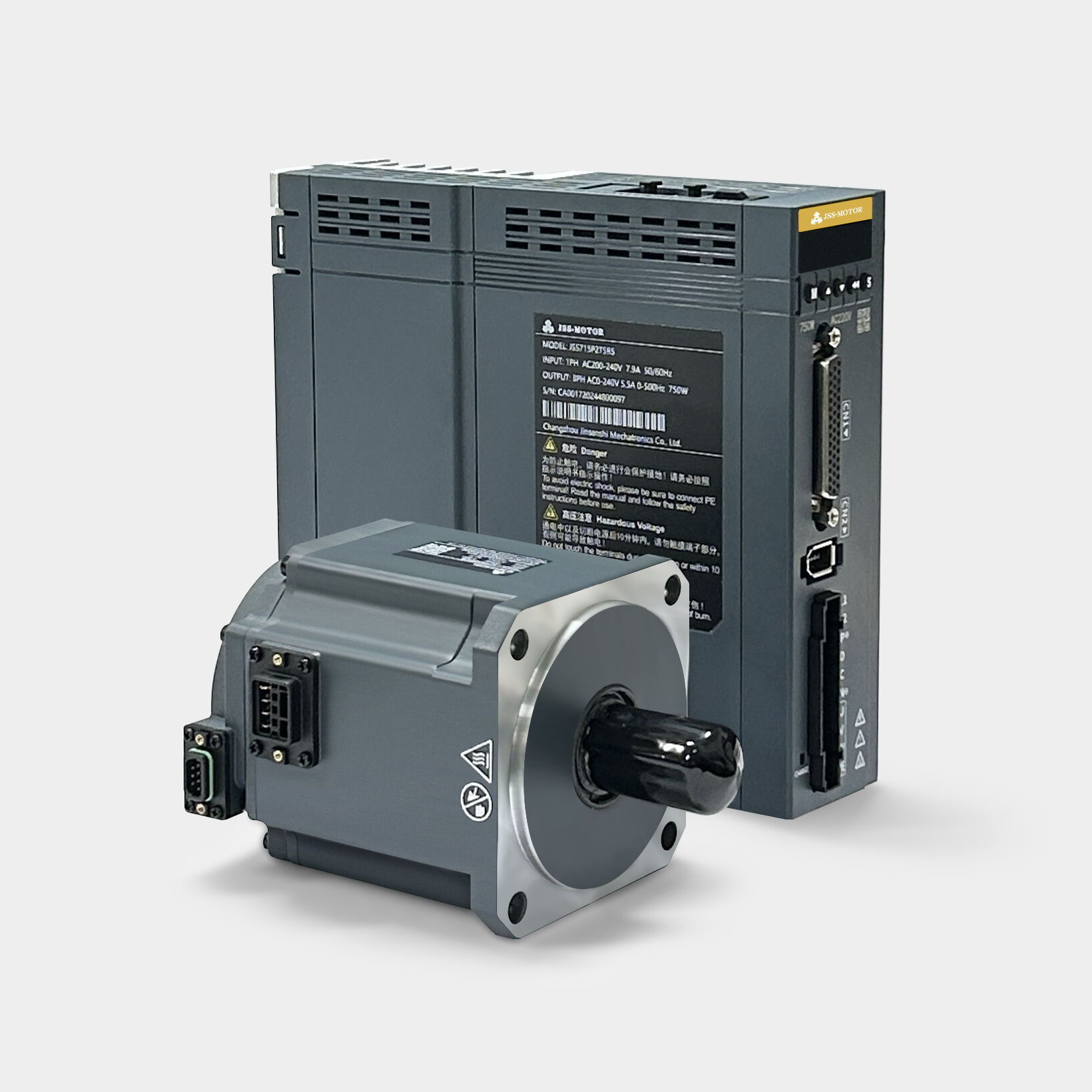
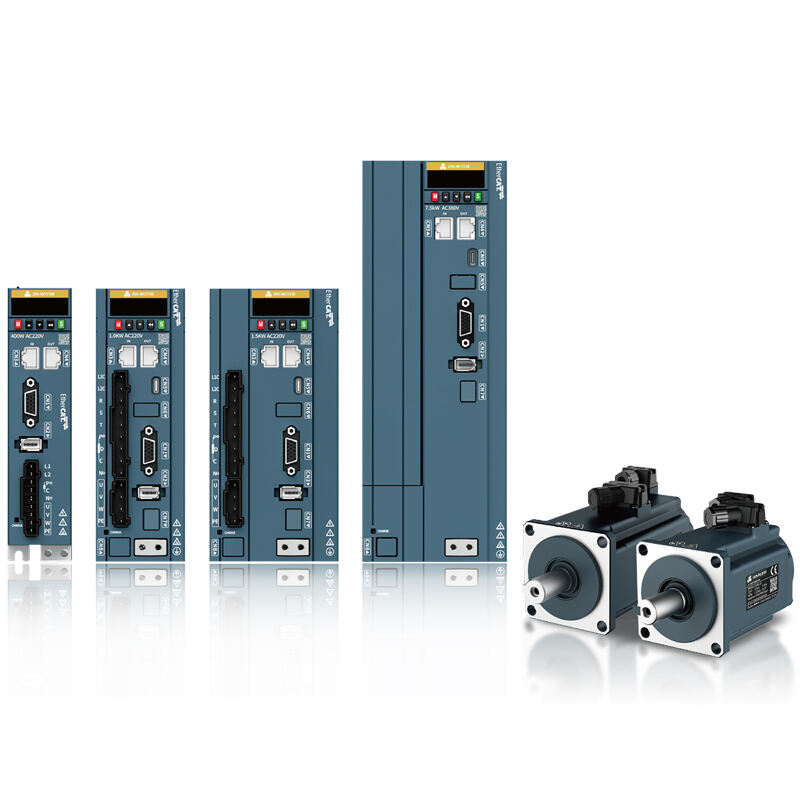
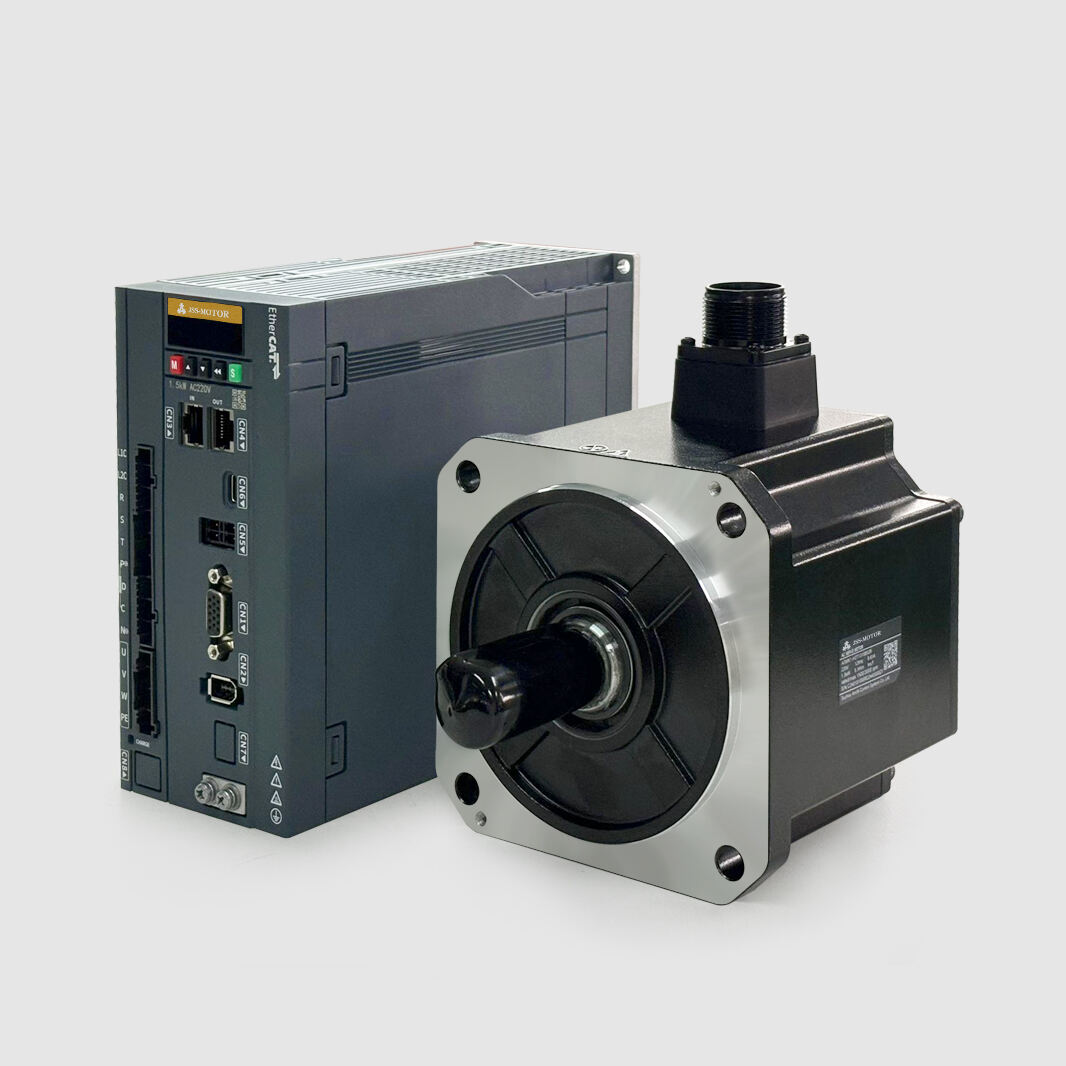
A dc servo represents a sophisticated motion control solution that combines a direct current motor with advanced feedback systems and control electronics. This precision engineering device delivers exceptional accuracy in positioning, speed regulation, and torque control applications across numerous industrial sectors. The dc servo system operates by continuously monitoring its output performance through integrated sensors and automatically adjusting motor parameters to maintain desired specifications. The fundamental architecture of a dc servo includes a permanent magnet or wound field dc motor, position feedback device such as an encoder or resolver, servo amplifier, and control unit that processes command signals. The dc servo excels in applications requiring precise motion control, rapid response times, and consistent repeatability. Manufacturing environments utilize dc servo technology for automated assembly lines, robotic systems, CNC machinery, and material handling equipment. The feedback mechanism enables the dc servo to detect any deviation from commanded position or speed and instantly corrects these variations through closed-loop control. This real-time adjustment capability ensures superior accuracy compared to open-loop motor systems. Modern dc servo units incorporate advanced digital signal processing, enabling complex motion profiles, programmable acceleration curves, and integration with industrial networks. The technology supports multiple control modes including position control, velocity control, and torque control, providing flexibility for diverse application requirements. Energy efficiency represents another significant characteristic of dc servo systems, as they consume power proportional to load requirements rather than running at constant power levels. The compact design of dc servo units facilitates installation in space-constrained environments while maintaining robust performance standards. Temperature compensation features ensure consistent operation across varying environmental conditions, making dc servo technology suitable for challenging industrial applications.

New Products

DC servo systems deliver remarkable precision that transforms manufacturing processes and automation applications. These advanced motor control solutions provide positioning accuracy within micrometers, enabling manufacturers to achieve tight tolerances and superior product quality. The exceptional repeatability of dc servo motors ensures consistent performance across millions of operational cycles, reducing waste and improving production efficiency. Speed control capabilities allow operators to adjust motor velocity with incredible fineness, supporting applications that demand variable speeds or complex motion profiles. The instant response characteristics of dc servo technology eliminate delays between command signals and motor action, critical for high-speed manufacturing and real-time control applications. Energy savings represent a substantial economic benefit, as dc servo motors consume electricity only when performing work, unlike traditional motors that draw constant power. This efficiency translates directly into reduced operational costs and environmental sustainability. Maintenance requirements remain minimal due to the robust construction and advanced control algorithms that prevent excessive wear on mechanical components. The programmable nature of dc servo systems allows users to customize performance parameters, acceleration profiles, and operational limits without hardware modifications. Integration capabilities enable seamless connection with existing automation systems, PLCs, and industrial networks, reducing installation complexity and system costs. Diagnostic features provide real-time monitoring of motor performance, temperature, current draw, and other critical parameters, enabling predictive maintenance strategies. The compact footprint of dc servo units maximizes available workspace while delivering superior performance compared to larger conventional motor systems. Noise reduction benefits create more pleasant working environments, as dc servo motors operate significantly quieter than pneumatic or hydraulic alternatives. Reliability statistics demonstrate extended operational life spans, often exceeding 10,000 hours of continuous operation without major service requirements. The versatility of dc servo technology accommodates diverse load conditions, from light-duty precision work to heavy industrial applications requiring substantial torque output.

Latest News

AC Servo Motor vs. Stepper Motor: Which to Choose?

20

Oct

AC Servo Motor vs. Stepper Motor: Which to Choose?

Understanding Motion Control System Fundamentals In the world of precision motion control and automation, choosing the right motor technology can make or break your application's success. The debate between ac servo motors and stepper motors continue...
View More
2025 Guide: How to Choose the Right Servo Motor

27

Nov

2025 Guide: How to Choose the Right Servo Motor

The selection of the right servo motor stands as a critical decision in modern automation and machinery applications. As we move into 2025, the complexity and capabilities of these precision devices continue to evolve, making it essential for enginee...
View More
Servo Motor vs Stepper Motor: Key Differences Explained

27

Nov

Servo Motor vs Stepper Motor: Key Differences Explained

In the world of industrial automation and precision motion control, understanding the distinction between servo motors and stepper motors is crucial for engineers and system designers. A servo motor represents the pinnacle of precise motion control, ...
View More
2025 BLDC Motor Guide: Types, Benefits & Applications

12

Dec

2025 BLDC Motor Guide: Types, Benefits & Applications

Brushless DC motors have revolutionized modern industrial applications with their superior efficiency, reliability, and precision control capabilities. As we advance into 2025, understanding the intricacies of BLDC motor technology becomes crucial fo...
View More

Get a Free Quote

Our representative will contact you soon.
Email
Name
Company Name
WhatsApp
Mobile
Message
0/1000

dc servo

Precision Motion Control Excellence

Precision Motion Control Excellence

The dc servo excels in delivering unmatched precision motion control that revolutionizes industrial automation and manufacturing processes. This exceptional accuracy stems from the sophisticated feedback control system that continuously monitors motor position, velocity, and torque output in real-time. The integrated encoder or resolver provides position feedback with resolution capabilities reaching millions of counts per revolution, enabling positioning accuracy measured in micrometers or arc-seconds depending on the application. The closed-loop control architecture of dc servo systems ensures that any deviation from commanded position triggers immediate corrective action, maintaining precise positioning even under varying load conditions or external disturbances. This precision capability proves invaluable in applications such as semiconductor manufacturing, medical device assembly, precision machining, and laboratory automation where tolerances demand extreme accuracy. The velocity control precision of dc servo motors enables smooth motion profiles with programmable acceleration and deceleration curves, eliminating jerky movements that could damage delicate components or compromise product quality. Advanced servo algorithms compensate for mechanical variations, thermal effects, and load changes, maintaining consistent performance throughout the operational envelope. The ability to execute complex motion sequences with repeatable precision makes dc servo technology essential for robotic applications, pick-and-place operations, and automated assembly systems. Multi-axis coordination capabilities allow synchronized movement of multiple dc servo motors, enabling sophisticated manufacturing processes that require precise timing and positioning of multiple components simultaneously. The precision advantages extend to torque control applications where dc servo motors can maintain constant force output regardless of speed variations, critical for applications involving tension control, force-sensitive assembly operations, and material processing. Temperature stability features ensure that precision performance remains consistent across varying environmental conditions, preventing thermal drift that could compromise accuracy in sensitive applications.
Superior Energy Efficiency and Cost Savings

Superior Energy Efficiency and Cost Savings

DC servo technology delivers exceptional energy efficiency that significantly reduces operational costs while supporting environmental sustainability initiatives. Unlike traditional motor systems that consume constant power regardless of load conditions, dc servo motors draw electrical power proportional to the actual work being performed. This demand-responsive power consumption can reduce energy usage by 30-50% compared to conventional motor drives in typical industrial applications. The intelligent control algorithms continuously optimize motor current and voltage to match load requirements, eliminating energy waste during idle periods or light-load conditions. Regenerative braking capabilities allow dc servo motors to return energy to the power supply during deceleration phases, further enhancing overall system efficiency. This energy recovery feature proves particularly valuable in applications involving frequent start-stop cycles or vertical load movements where gravitational potential energy can be recaptured. The precise speed and position control capabilities of dc servo systems eliminate the need for mechanical braking systems, clutches, or gear reduction mechanisms that introduce energy losses and maintenance requirements. Variable speed operation enables process optimization, allowing manufacturers to adjust production rates based on demand while minimizing energy consumption during low-throughput periods. Power factor correction features improve electrical system efficiency by reducing reactive power consumption, resulting in lower utility costs and improved power quality. The compact design of dc servo units reduces installation costs by minimizing required floor space, structural support requirements, and connection complexity. Reduced maintenance needs translate into lower total cost of ownership, as dc servo motors typically require only periodic inspection and basic preventive maintenance compared to complex mechanical drive systems. The longevity of dc servo components, often exceeding 20,000 operational hours, extends replacement intervals and reduces lifecycle costs. Integration capabilities eliminate the need for additional interface hardware, reducing system complexity and associated costs while improving reliability through reduced component count.
Advanced Integration and Control Flexibility

Advanced Integration and Control Flexibility

Modern dc servo systems offer unprecedented integration capabilities and control flexibility that streamline automation system design and operation. The advanced digital interfaces support multiple industrial communication protocols including Ethernet/IP, Profinet, CANopen, and Modbus, enabling seamless integration with existing plant automation networks without requiring additional gateway hardware. Programmable logic capabilities built into sophisticated dc servo drives allow users to implement custom control algorithms, motion profiles, and safety functions directly within the servo system, reducing the computational load on central controllers and improving system response times. The multi-mode operation capability allows a single dc servo unit to function in position control, velocity control, or torque control modes, providing exceptional flexibility for applications with varying operational requirements. Real-time parameter adjustment features enable operators to modify performance characteristics during operation without stopping production processes, supporting continuous improvement initiatives and process optimization efforts. Advanced motion profiling capabilities support complex trajectory generation including S-curve acceleration, linear interpolation, and circular interpolation, essential for sophisticated automation applications such as CNC machining and robotic path planning. The built-in safety features including safe torque off, safe stop functions, and integrated safety monitoring comply with international safety standards, simplifying safety system design and certification processes. Diagnostic and monitoring capabilities provide comprehensive system health information including motor temperature, current consumption, position errors, and performance statistics through standard industrial networks. Configuration software tools offer intuitive graphical interfaces for parameter setup, motion programming, and system tuning, reducing commissioning time and enabling rapid deployment of complex automation solutions. The scalable architecture supports applications ranging from single-axis systems to complex multi-axis coordinated motion platforms with synchronized operation across dozens of servo axes. Fieldbus integration capabilities enable distributed control architectures where dc servo systems can operate autonomously while maintaining coordination with central control systems, improving system reliability and reducing network bandwidth requirements.
+86-13401517369
[email protected]

Get a Free Quote

Our representative will contact you soon.
Email
Name
Company Name
WhatsApp
Mobile
Message
0/1000

Copyright © 2026 Changzhou Jinsanshi Mechatronics Co., Ltd. All rights reserved.  -  Privacy policy