Versatile Integration and Cost-Effective Implementation
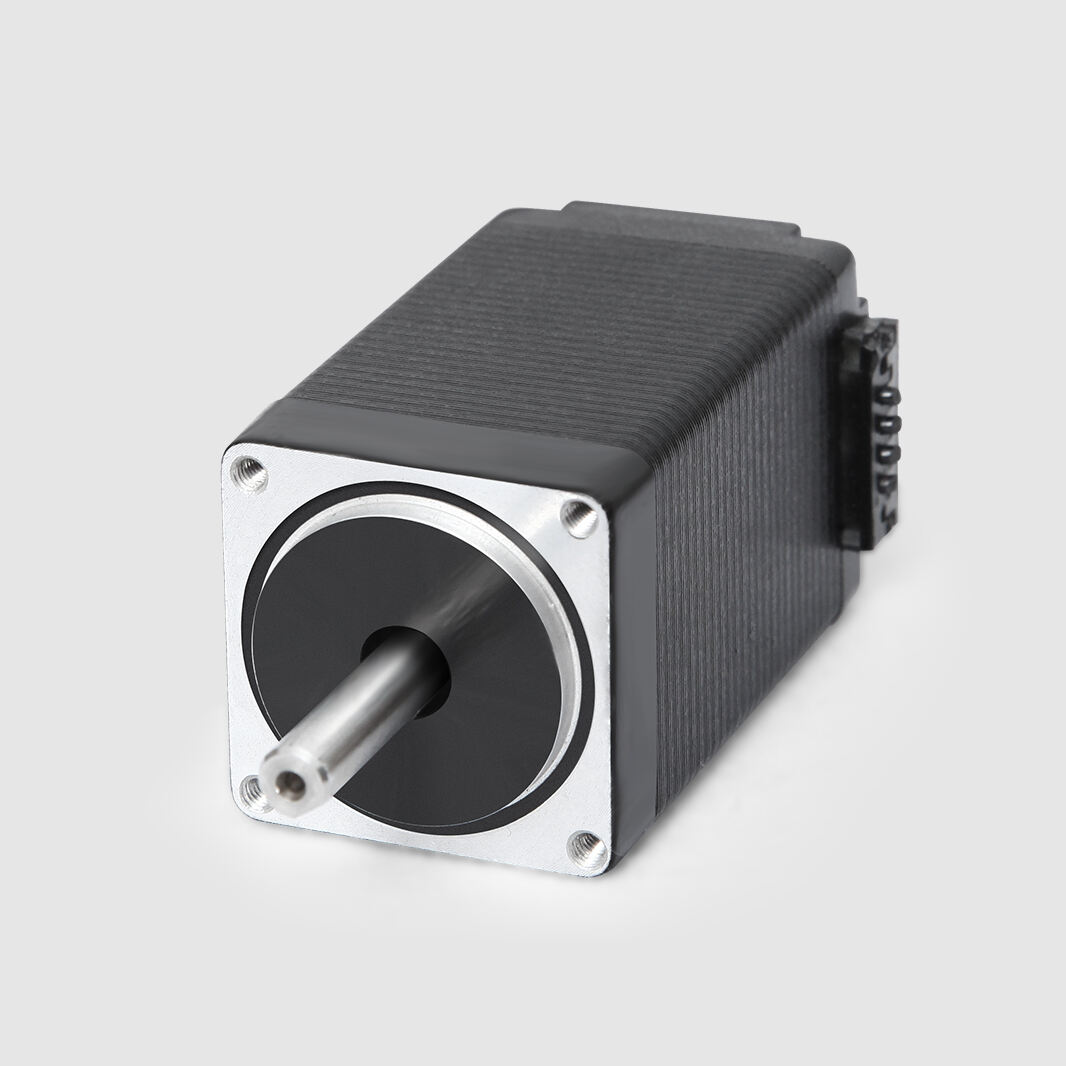
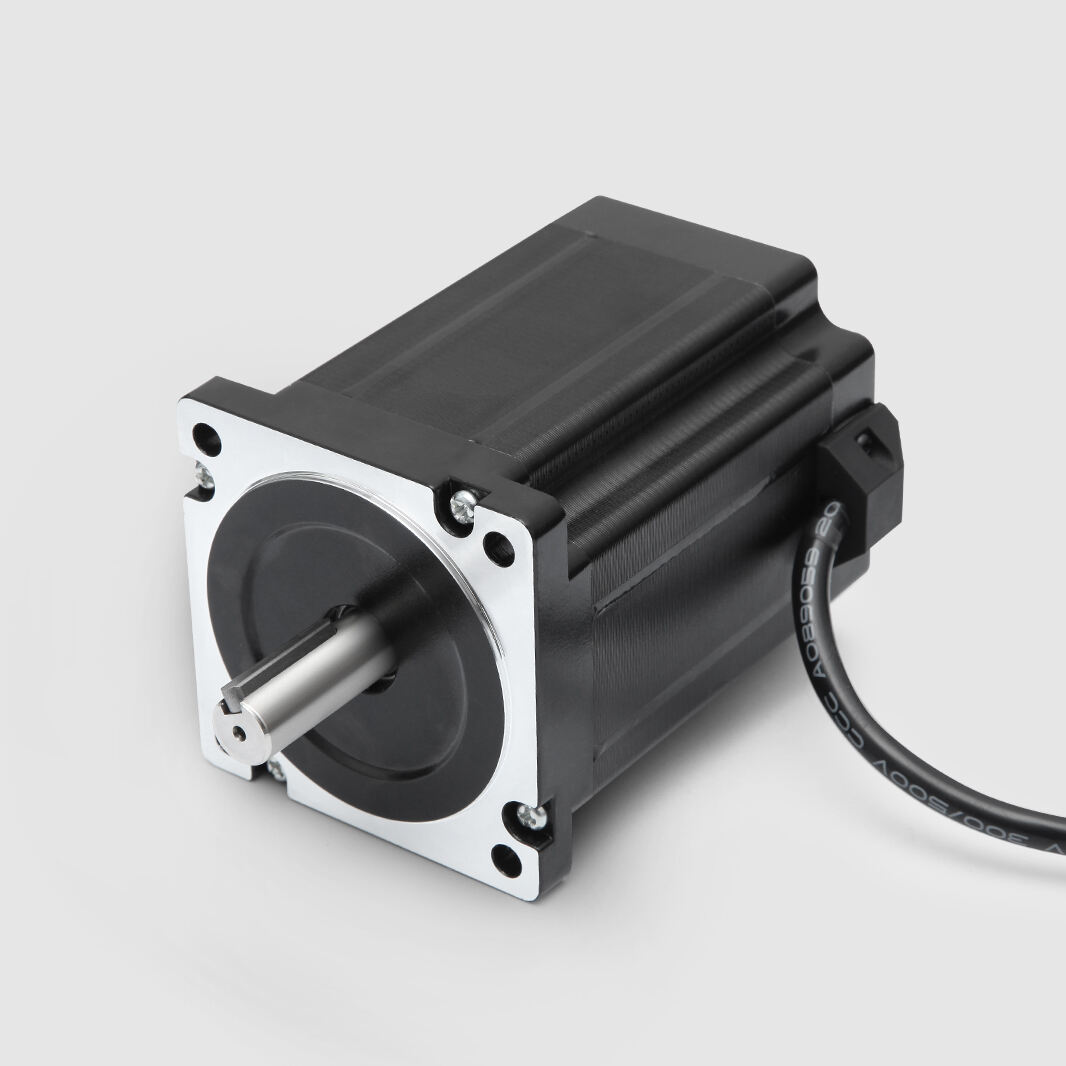
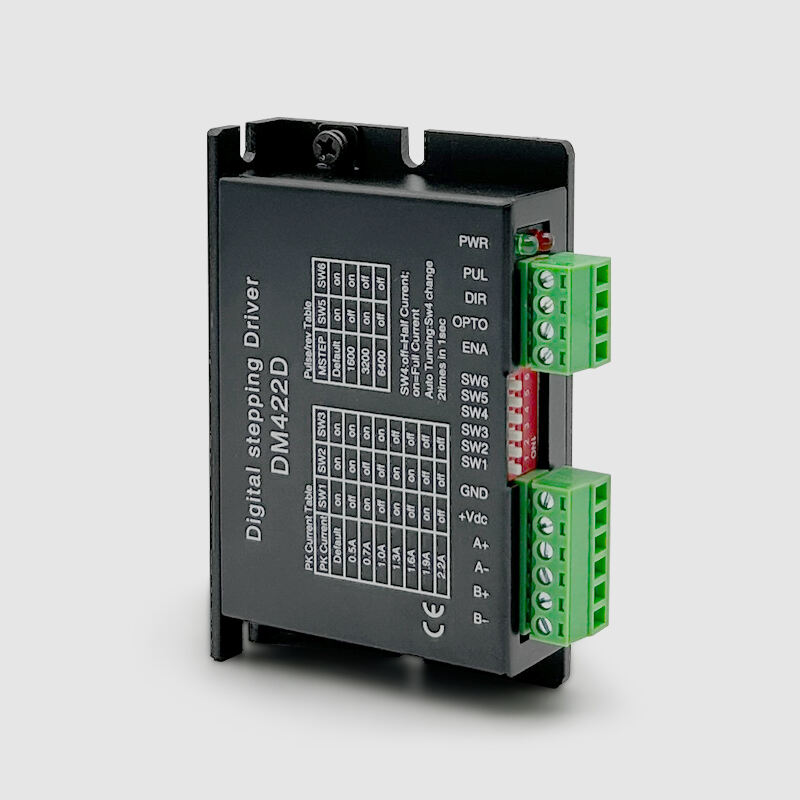
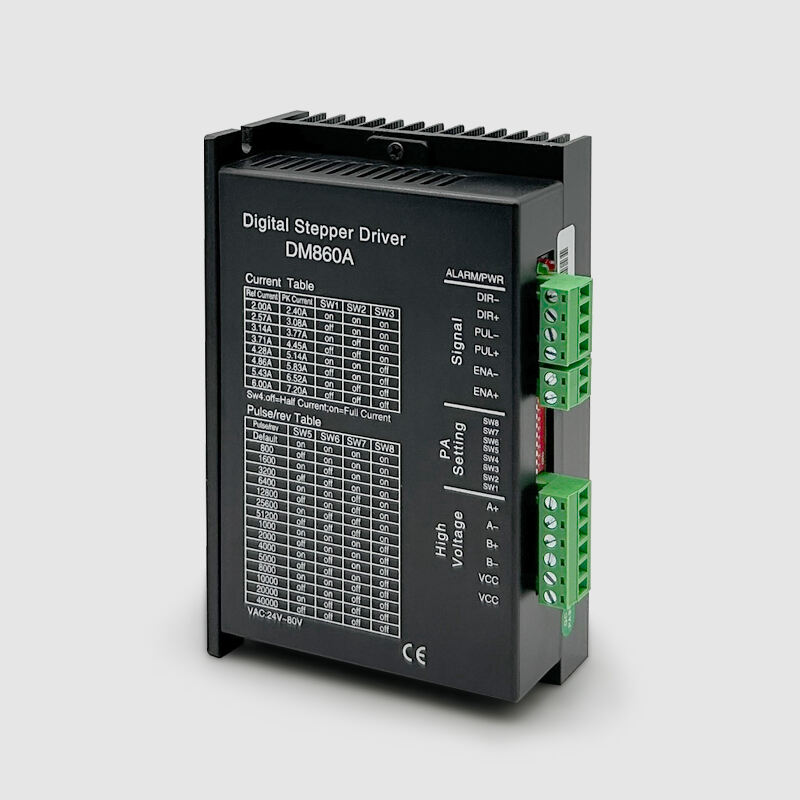
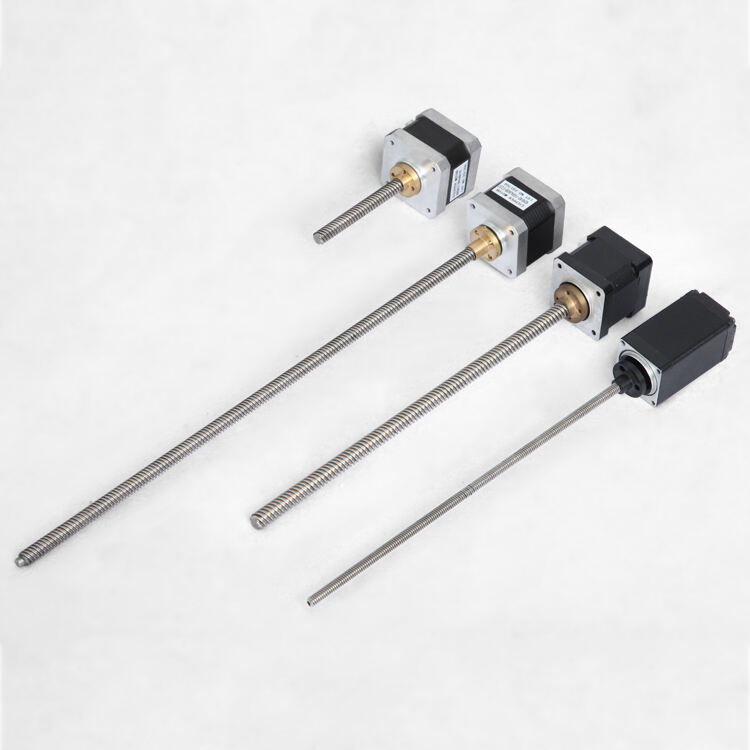
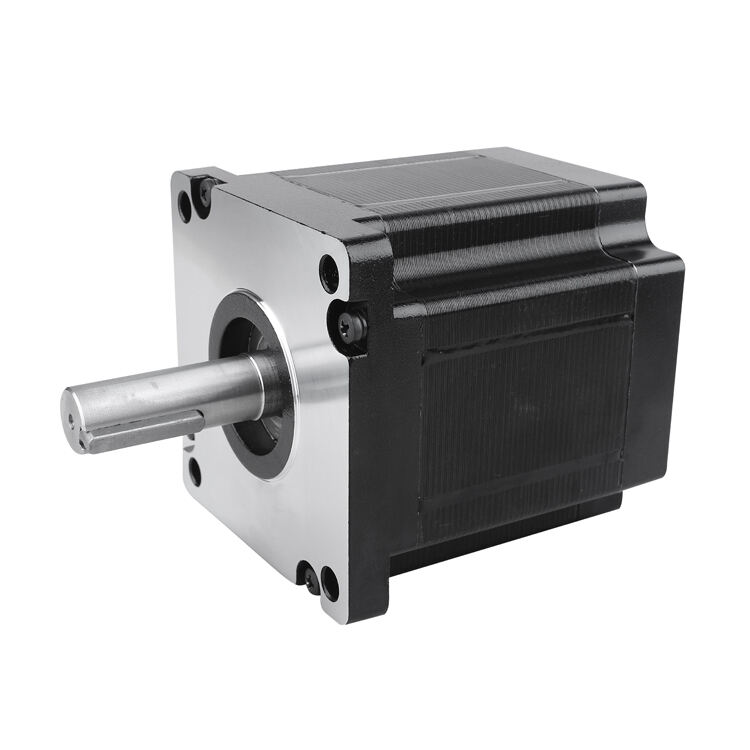
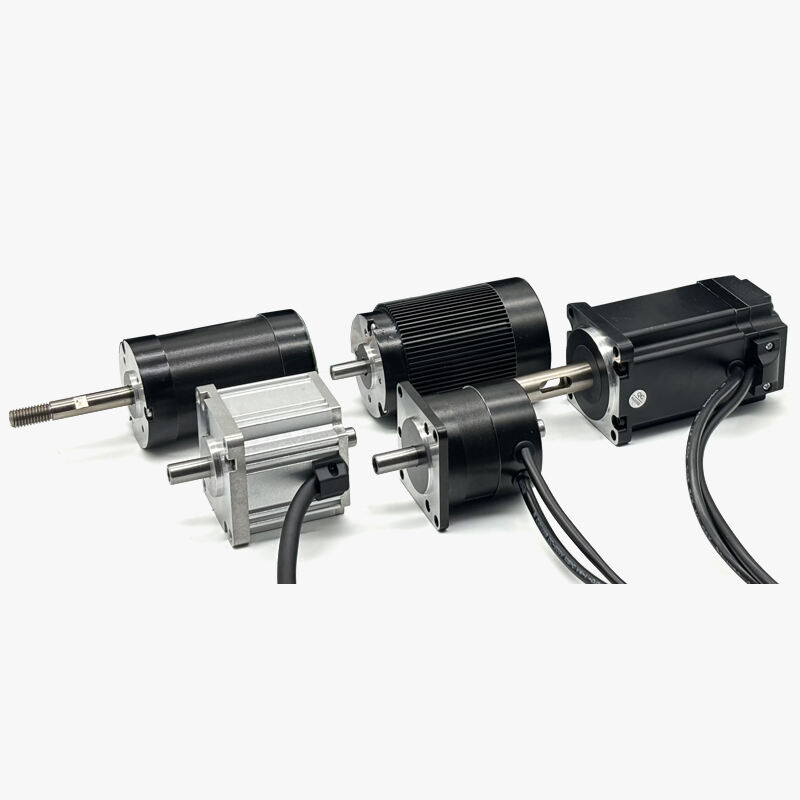
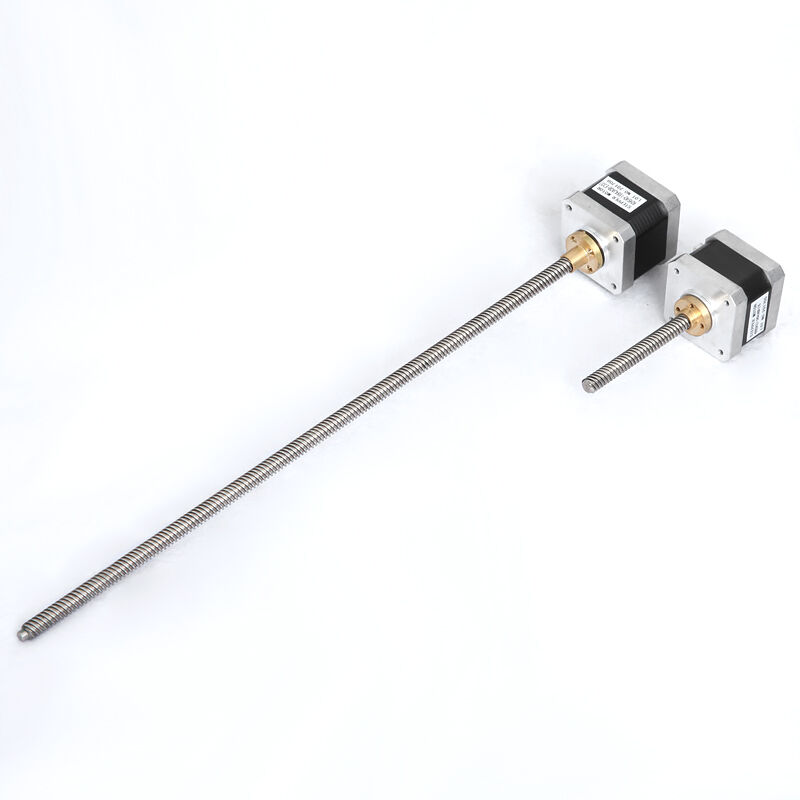
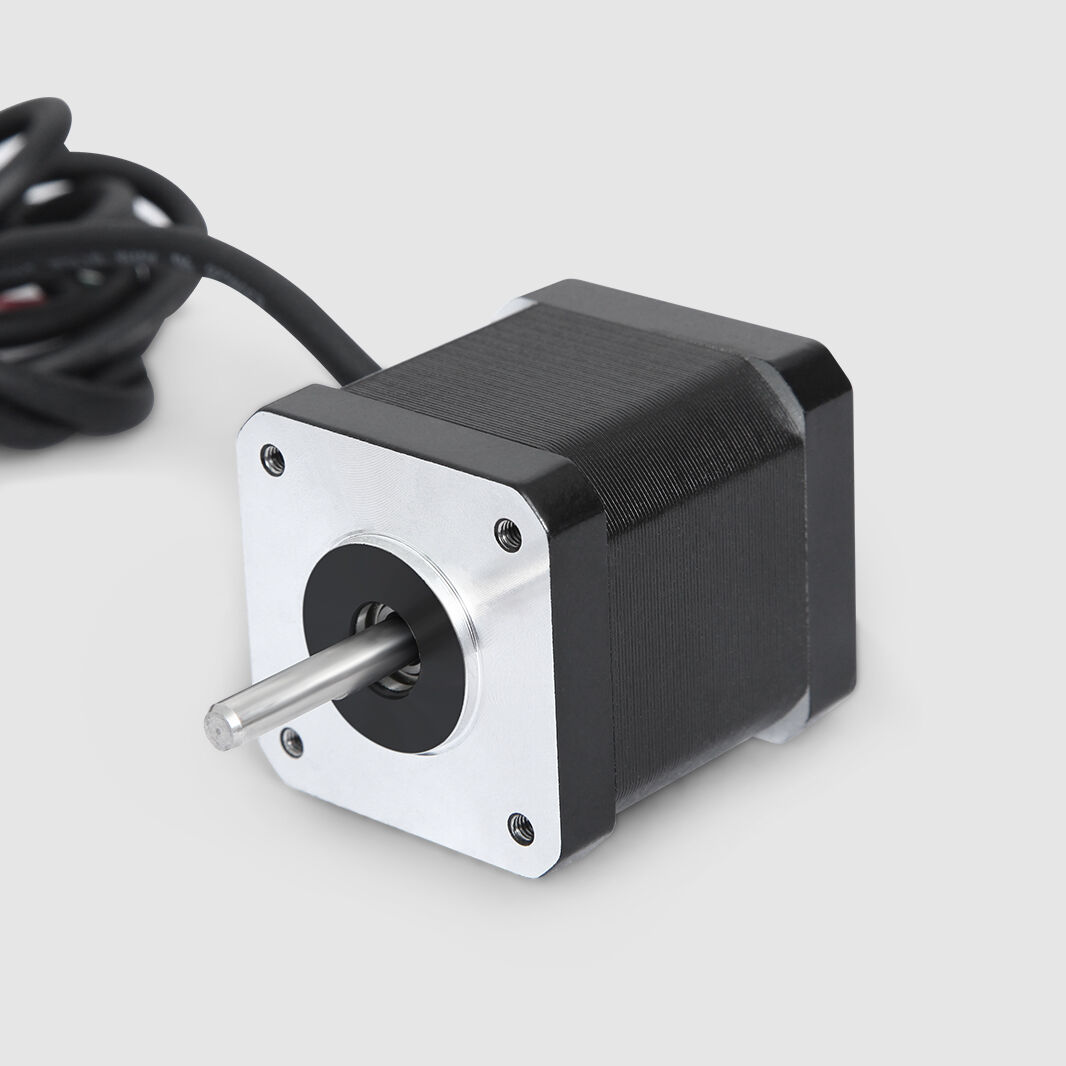
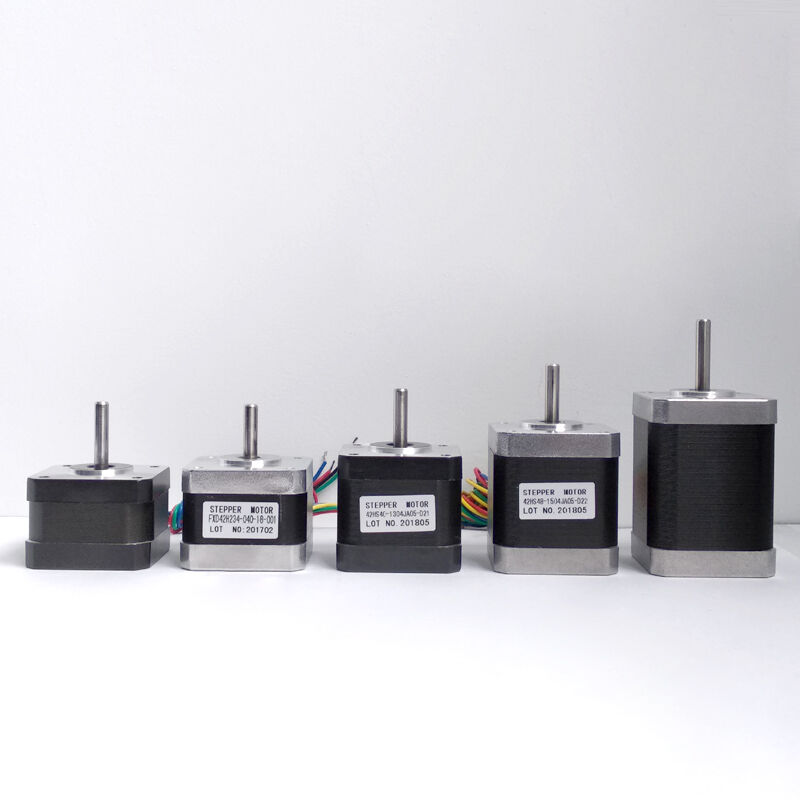
The nema 17 stepper motor offers exceptional integration versatility and cost-effective implementation benefits that streamline system design while minimizing overall project expenses across diverse application requirements. Its standardized NEMA mounting configuration ensures universal compatibility with countless mechanical components, brackets, and coupling systems available from multiple manufacturers worldwide, eliminating custom fabrication costs and reducing procurement lead times. The motor's electrical characteristics accommodate various driver technologies, from simple constant current choppers to sophisticated microstepping controllers, allowing system designers to optimize performance versus cost based on specific application requirements. Standard voltage ratings of 3V to 12V enable direct integration with common power supply systems, reducing electrical infrastructure complexity and associated costs. The nema 17 stepper motor's compact 42mm square footprint maximizes design efficiency in space-constrained applications while providing sufficient torque for most positioning and light-duty drive applications. Its lightweight construction, typically under 300 grams, minimizes structural support requirements and enables mobile applications without excessive weight penalties. The motor supports various shaft configurations, including single and double-ended options with different diameter and length specifications, accommodating diverse mechanical interface requirements without custom modifications. Wide availability from multiple suppliers ensures competitive pricing and supply chain security, protecting projects from single-source dependencies that could impact delivery schedules or cost structures. The nema 17 stepper motor's popularity in maker communities and educational institutions has fostered extensive documentation, tutorial resources, and community support that reduces development time and training costs for engineering teams. Compatible accessories such as encoders, brakes, and gearboxes are readily available from numerous suppliers, enabling system customization without extensive research or custom component development. The motor's predictable performance characteristics simplify system modeling and simulation, reducing design iteration cycles and accelerating time-to-market for new products. Integration with popular development platforms like Arduino, Raspberry Pi, and industrial PLCs is well-documented and supported by extensive software libraries, further reducing development complexity and costs. This comprehensive ecosystem of compatibility and support makes the nema 17 stepper motor an economically attractive choice for applications ranging from hobbyist projects to commercial production systems.