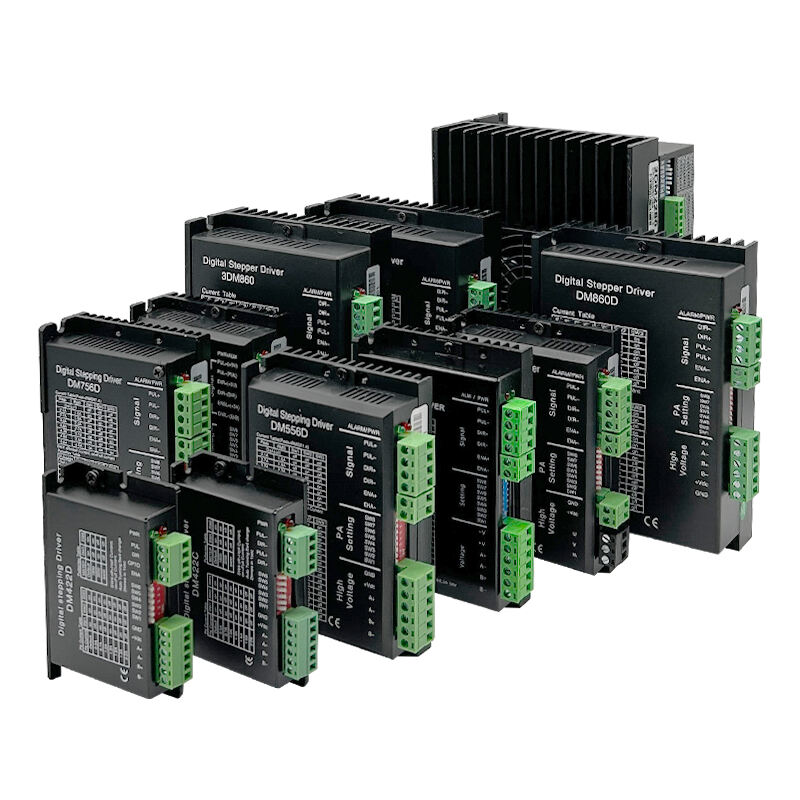
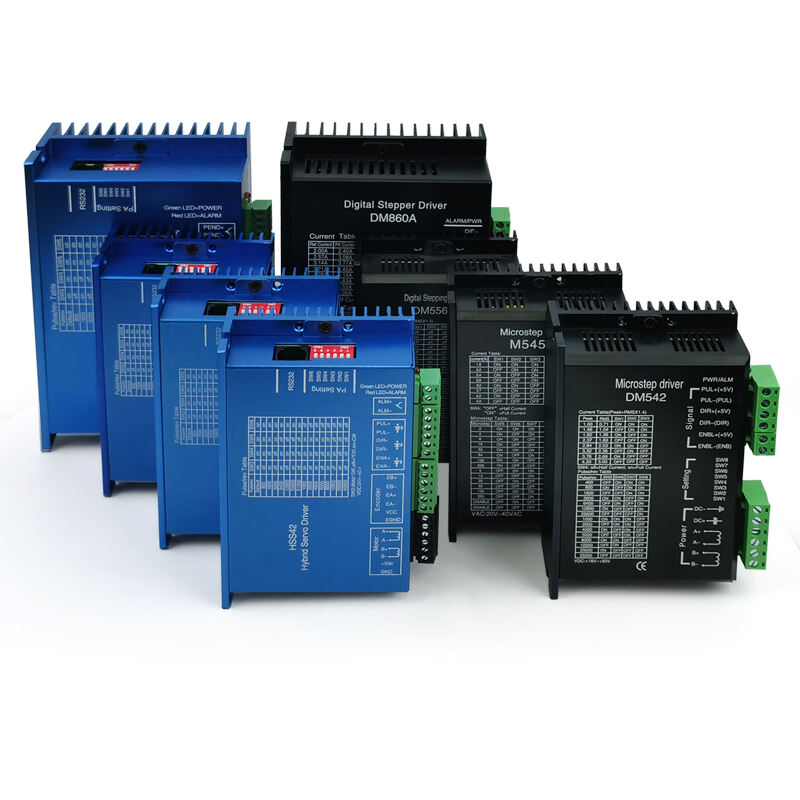
Professional Stepper Motor Drivers - Precision Motion Control Solutions for Industrial Automation

Get a Free Quote

Our representative will contact you soon.
Email
Name
Company Name
WhatsApp
Mobile
Message
0/1000

stepper motor driver

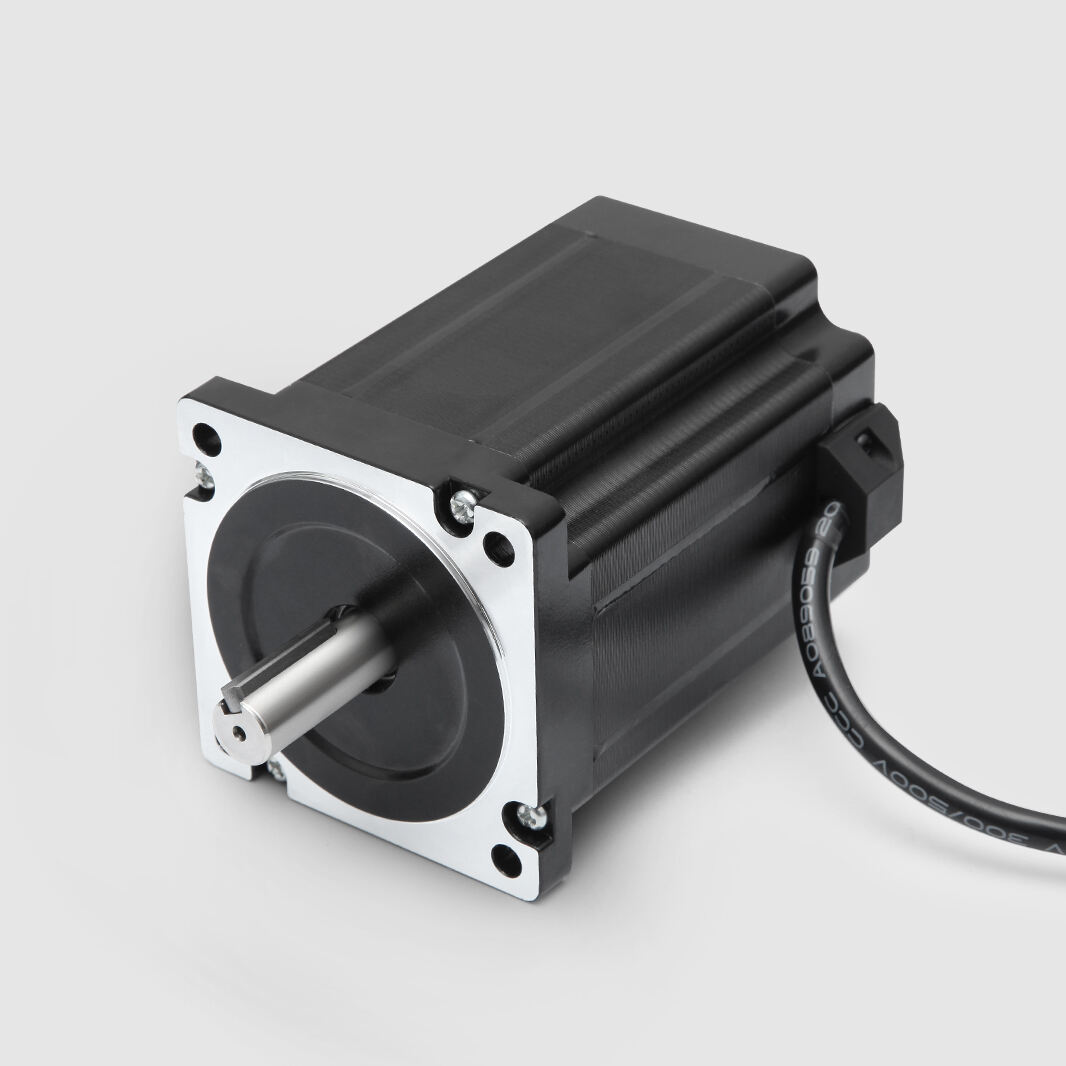
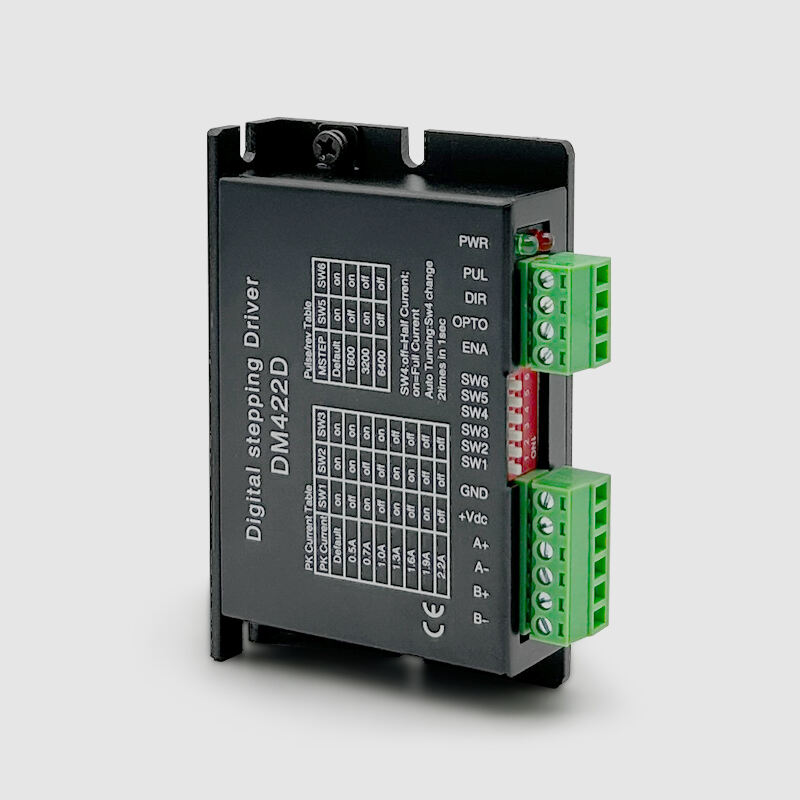
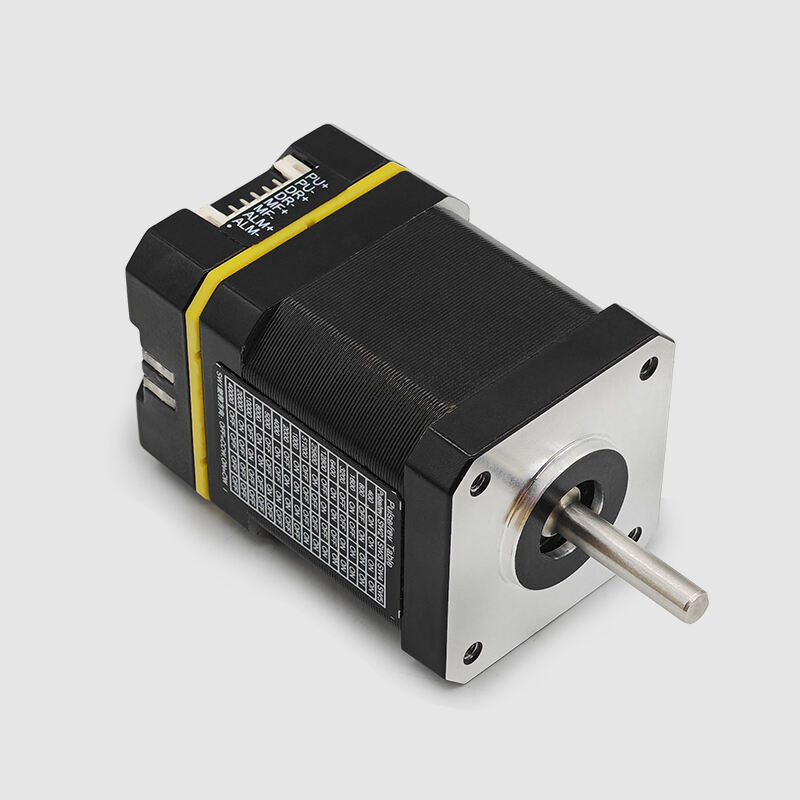
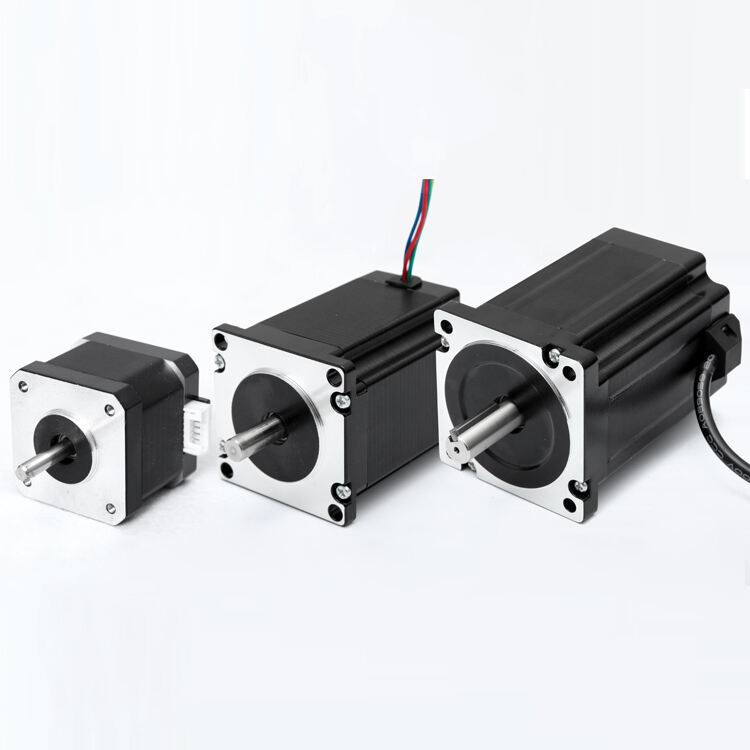
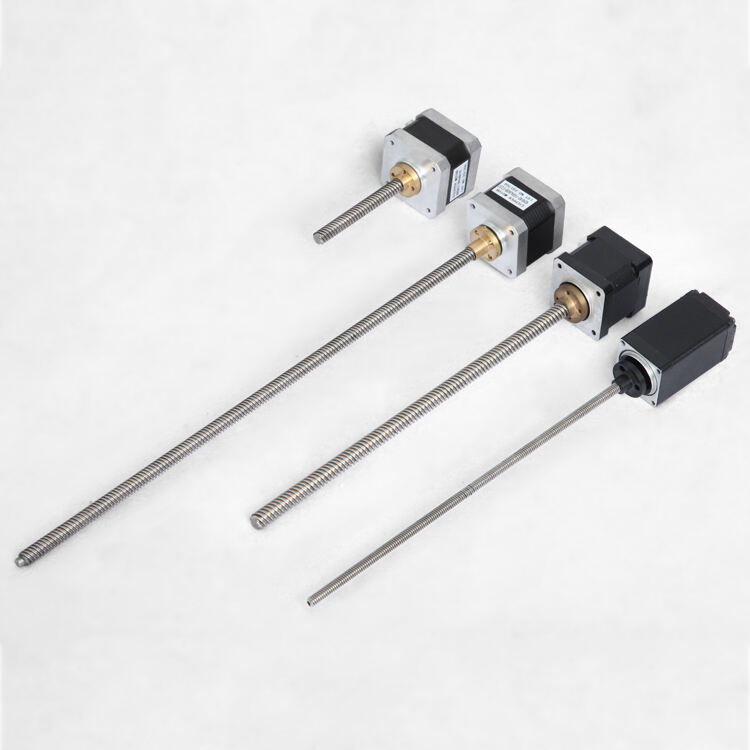
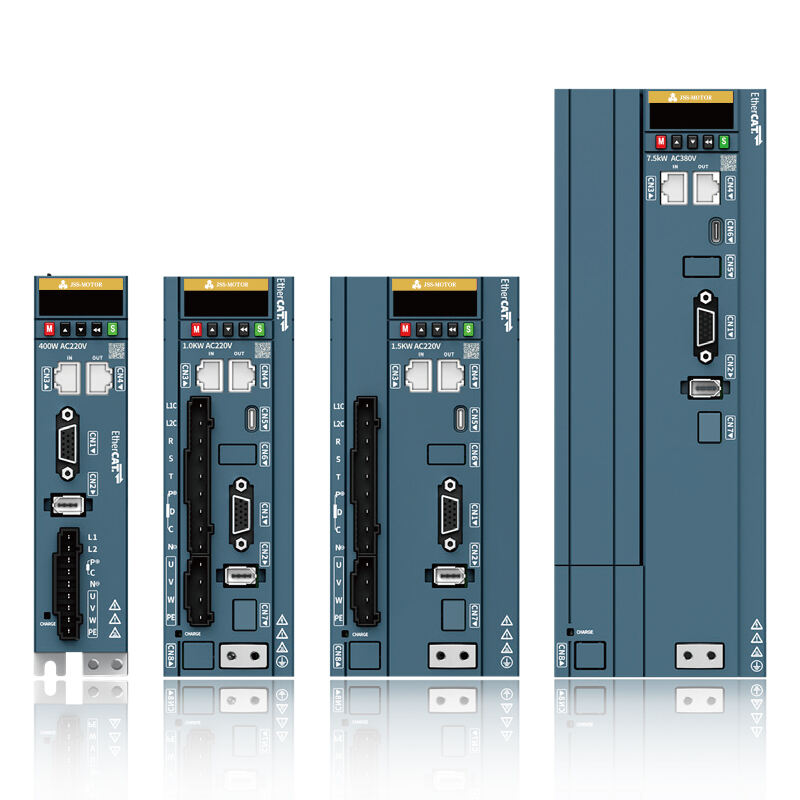
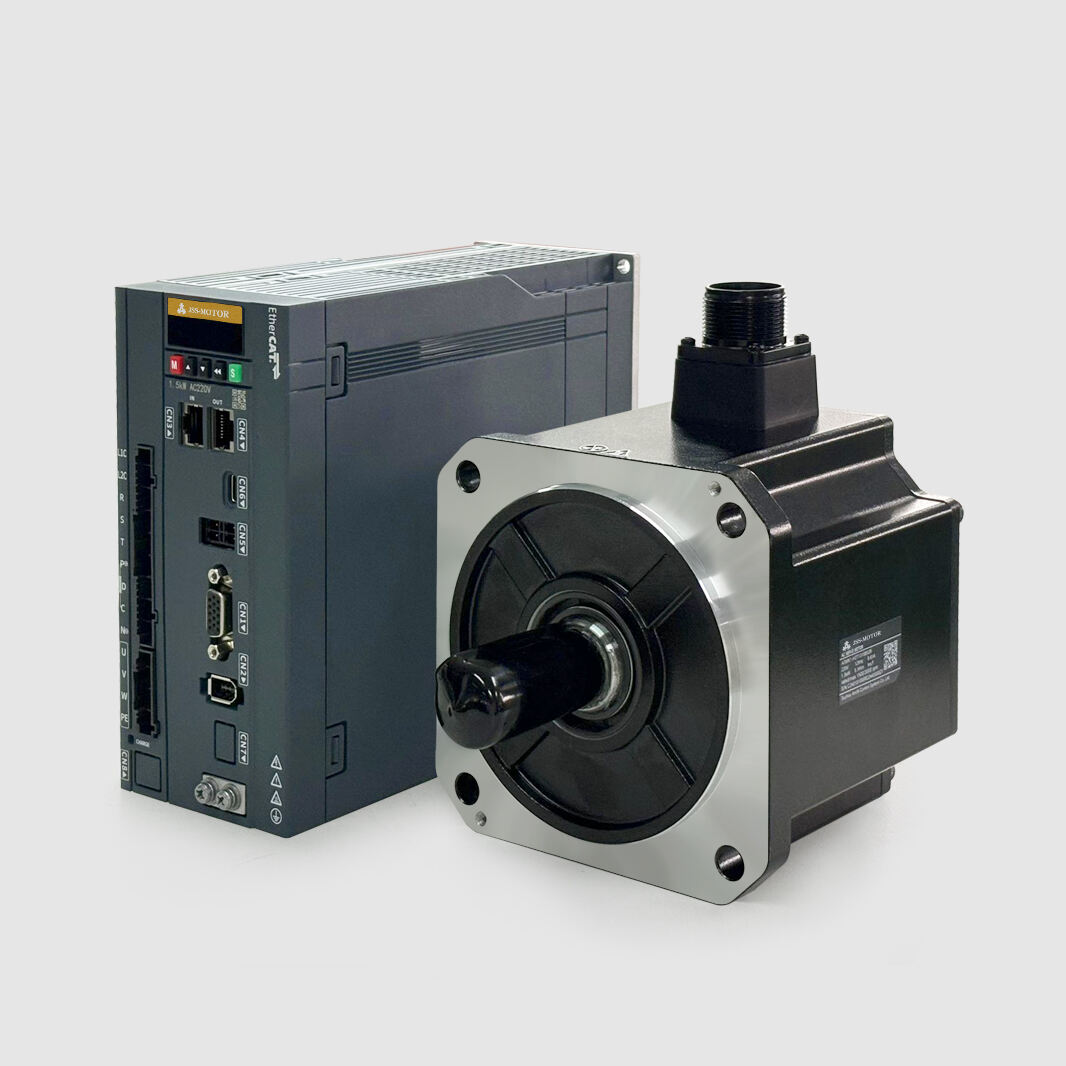
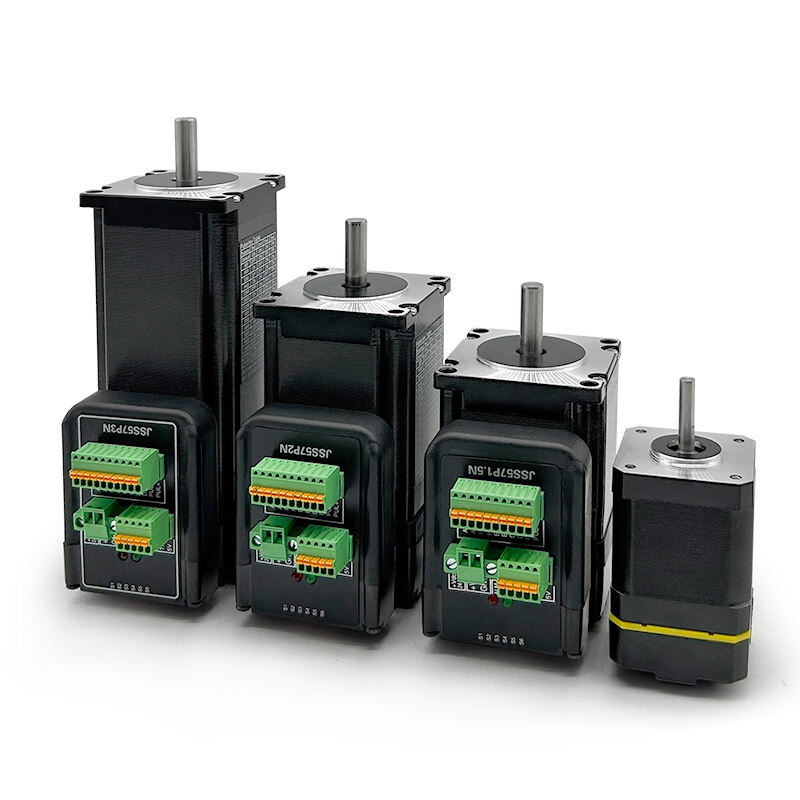
A stepper motor driver represents an essential electronic component that serves as the critical interface between digital control signals and precise mechanical motion. This sophisticated device converts digital pulses from control systems into precise angular movements, enabling stepper motors to achieve exceptional positioning accuracy and repeatability. The stepper motor driver functions by managing electrical current flow through the motor's windings in a carefully sequenced pattern, ensuring smooth and controlled rotation. Modern stepper motor drivers incorporate advanced microstepping technology, which divides each full step into multiple smaller increments, resulting in smoother motion and reduced vibration. These drivers typically feature current control mechanisms that optimize motor performance while preventing overheating and extending operational lifespan. The technological architecture includes pulse width modulation circuits, current sensing capabilities, and thermal protection systems. Integration flexibility allows stepper motor drivers to work seamlessly with various control systems, from simple microcontrollers to complex programmable logic controllers. The driver's ability to maintain holding torque when stationary makes it invaluable for applications requiring precise positioning without continuous power consumption. Advanced models offer features such as encoderless positioning, automatic current reduction, and fault detection systems. Communication interfaces range from basic step and direction inputs to sophisticated serial protocols, enabling remote monitoring and configuration. Protection circuits safeguard against overcurrent, undervoltage, and overtemperature conditions, ensuring reliable operation in demanding industrial environments. The compact design of modern stepper motor drivers facilitates easy integration into space-constrained applications while maintaining robust performance characteristics. Programmable parameters allow users to customize acceleration profiles, current levels, and microstepping resolution to match specific application requirements, making the stepper motor driver an indispensable component in precision motion control systems.
New Product Recommendations

The stepper motor driver delivers exceptional precision control that transforms how modern automation systems operate, providing users with unmatched accuracy in positioning applications. This precision stems from the driver's ability to convert digital commands into exact angular movements, typically achieving positioning accuracies within fractions of a degree. Users benefit from consistent repeatability, as the stepper motor driver ensures identical positioning results across thousands of operational cycles. The economic advantages become immediately apparent through reduced maintenance requirements and extended equipment lifespan, as the driver's intelligent current control prevents motor overheating and mechanical wear. Energy efficiency represents another compelling benefit, with advanced stepper motor drivers automatically reducing current consumption during idle periods while maintaining holding torque. This smart power management translates into lower operational costs and reduced heat generation in control panels. Installation simplicity allows technicians to integrate stepper motor drivers quickly into existing systems without extensive modifications or specialized training. The plug-and-play nature of modern drivers eliminates complex setup procedures, reducing installation time and associated labor costs. Versatility stands out as a key advantage, enabling a single stepper motor driver model to work with various motor sizes and configurations through programmable settings. This flexibility reduces inventory requirements and simplifies system design processes. Diagnostic capabilities built into contemporary stepper motor drivers provide real-time feedback on operational status, enabling predictive maintenance strategies that prevent unexpected downtime. Users can monitor performance parameters remotely, identifying potential issues before they cause system failures. The robust construction of industrial-grade stepper motor drivers ensures reliable operation in harsh environments, including extreme temperatures, vibration, and electromagnetic interference. This durability translates into consistent performance and reduced replacement costs over the equipment's lifetime. Speed control flexibility allows operators to optimize motion profiles for different applications, balancing speed requirements with precision needs. The stepper motor driver's ability to handle complex motion sequences without external programming simplifies automation projects while delivering professional-grade performance results.

Tips And Tricks

Why monitor voltage ripple when selecting a stepper driver for 3D printers?

26

Sep

Why monitor voltage ripple when selecting a stepper driver for 3D printers?

Understanding Voltage Ripple Impact on 3D Printer Performance The success of any 3D printing project heavily depends on the precision and reliability of the printer's motion control system. At the heart of this system lies the stepper motor driver, w...
View More
2025 Step Motor Guide: Types, Features & Applications

20

Oct

2025 Step Motor Guide: Types, Features & Applications

Understanding Modern Step Motor Technology Step motors have revolutionized precision motion control across numerous industries, from manufacturing to medical devices. These versatile devices convert electrical pulses into precise mechanical movements...
View More
Troubleshooting Common Servo Drive Problems

27

Nov

Troubleshooting Common Servo Drive Problems

Industrial automation systems rely heavily on the precise control and reliability of servo drives for optimal performance. A servo drive functions as the brain of motion control systems, converting command signals into precise motor movements. Unders...
View More
Servo Motor vs Stepper Motor: Key Differences Explained

27

Nov

Servo Motor vs Stepper Motor: Key Differences Explained

In the world of industrial automation and precision motion control, understanding the distinction between servo motors and stepper motors is crucial for engineers and system designers. A servo motor represents the pinnacle of precise motion control, ...
View More

Get a Free Quote

Our representative will contact you soon.
Email
Name
Company Name
WhatsApp
Mobile
Message
0/1000

stepper motor driver

Advanced Microstepping Technology for Ultra-Smooth Motion Control

Advanced Microstepping Technology for Ultra-Smooth Motion Control

The revolutionary microstepping technology embedded within modern stepper motor drivers represents a quantum leap in motion control precision, delivering unprecedented smoothness and accuracy that transforms industrial automation processes. This sophisticated feature divides each standard motor step into up to 256 smaller increments, creating virtually silent operation while eliminating the traditional stepping vibrations that plague conventional motor control systems. The stepper motor driver achieves this remarkable performance through advanced digital signal processing algorithms that precisely control current waveforms in the motor windings, creating smooth sinusoidal current patterns that produce fluid motion characteristics. Manufacturing facilities benefit enormously from this technology, as it enables the production of higher-quality products requiring exceptional surface finishes and dimensional accuracy. The microstepping capability of the stepper motor driver proves particularly valuable in applications such as 3D printing, CNC machining, and optical equipment positioning, where even minor vibrations can compromise final product quality. Beyond quality improvements, the smooth operation reduces mechanical stress on connected components, extending the operational life of gears, bearings, and coupling mechanisms throughout the system. The stepper motor driver's microstepping technology also enables precise speed control at very low velocities, allowing machinery to operate at crawl speeds without the jerky motion associated with full-step operation. This capability proves essential in assembly line applications where delicate parts require gentle handling during positioning processes. The reduced acoustic signature resulting from microstepping operation creates more comfortable working environments while meeting increasingly strict industrial noise regulations. Engineers appreciate how the stepper motor driver's microstepping functionality simplifies system design by eliminating the need for additional dampening mechanisms or complex mechanical solutions to address vibration issues. The technology's inherent precision maintains positional accuracy even at high microstepping resolutions, ensuring that the enhanced smoothness does not compromise the fundamental positioning capabilities that make stepper motor systems invaluable in precision applications.
Intelligent Current Control for Optimal Performance and Energy Efficiency

Intelligent Current Control for Optimal Performance and Energy Efficiency

The intelligent current control system integrated into advanced stepper motor drivers revolutionizes power management and motor performance optimization, delivering substantial operational benefits that directly impact both productivity and operating costs. This sophisticated feature continuously monitors motor requirements and automatically adjusts current levels in real-time, ensuring optimal performance while minimizing energy consumption and heat generation. The stepper motor driver employs advanced algorithms that analyze load conditions, speed requirements, and positioning demands to determine the precise current levels needed for each operational phase. During high-torque requirements, the system increases current delivery to maintain consistent performance, while automatically reducing power consumption during light-load conditions or stationary periods. This intelligent management prevents the energy waste commonly associated with conventional motor control systems that operate at constant current levels regardless of actual requirements. Industrial facilities experience significant electricity cost reductions when implementing stepper motor drivers with intelligent current control, as these systems typically consume 30-50% less power compared to traditional constant-current drivers. The reduced heat generation resulting from optimized current control eliminates the need for extensive cooling systems in control panels, further reducing energy consumption and maintenance requirements. The stepper motor driver's current control intelligence extends motor lifespan by preventing thermal stress and winding degradation caused by excessive current flow. This protection mechanism automatically detects overload conditions and implements protective measures to prevent damage while maintaining operational continuity. The system's ability to provide precise current regulation ensures consistent torque delivery across varying operating conditions, maintaining positioning accuracy and speed control regardless of load fluctuations. Maintenance teams benefit from reduced service intervals and longer component life, as the intelligent current control prevents the overheating issues that typically necessitate frequent motor replacements. The stepper motor driver's current optimization also improves overall system reliability by reducing electrical stress on power supply components and extending their operational life. This comprehensive current management approach creates a synergistic effect that enhances the entire motion control system's performance while delivering measurable cost savings through reduced energy consumption and maintenance requirements.
Comprehensive Protection Systems for Unmatched Reliability and Safety

Comprehensive Protection Systems for Unmatched Reliability and Safety

The comprehensive protection systems built into professional stepper motor drivers establish new standards for industrial reliability and operational safety, providing multiple layers of safeguards that protect both equipment and personnel while ensuring continuous production capability. These sophisticated protection mechanisms continuously monitor critical operational parameters including temperature, current levels, voltage conditions, and communication integrity, immediately responding to any anomalous conditions that could compromise system performance or safety. The stepper motor driver incorporates thermal protection circuits that prevent overheating damage by monitoring internal temperatures and automatically implementing protective measures when thermal limits approach. This proactive approach prevents costly motor failures and extends equipment lifespan while maintaining operational continuity. Overcurrent protection systems detect excessive current draw conditions that could indicate mechanical overload, short circuits, or motor faults, immediately limiting current flow to prevent damage while generating diagnostic alerts for maintenance personnel. The undervoltage and overvoltage protection features ensure stable operation across varying power supply conditions, automatically adjusting performance parameters or implementing safe shutdown procedures when voltage levels exceed acceptable ranges. Communication fault detection capabilities built into the stepper motor driver continuously verify control signal integrity, detecting lost connections, signal corruption, or timing errors that could result in unexpected motor behavior. When communication faults occur, the system implements predetermined safe states that prevent dangerous motion while alerting operators to the condition. Short circuit protection circuits provide instantaneous response to winding or connection faults, preventing cascading failures that could damage multiple system components. The stepper motor driver's protection systems include sophisticated diagnostic capabilities that not only prevent failures but also provide detailed fault information to facilitate rapid troubleshooting and repair processes. Ground fault detection mechanisms identify insulation problems or improper grounding conditions that could create safety hazards or cause electromagnetic interference issues. These protection features operate transparently during normal operation, only activating when potentially damaging conditions arise, ensuring that safety measures do not interfere with productivity. The comprehensive nature of these protection systems reduces insurance costs and regulatory compliance burden while creating safer working environments for personnel. Industrial facilities benefit from reduced downtime and maintenance costs as the stepper motor driver's protection systems prevent the catastrophic failures that typically require extensive repair procedures and component replacement.
+86-13401517369
[email protected]

Get a Free Quote

Our representative will contact you soon.
Email
Name
Company Name
WhatsApp
Mobile
Message
0/1000

Copyright © 2026 Changzhou Jinsanshi Mechatronics Co., Ltd. All rights reserved.  -  Privacy policy