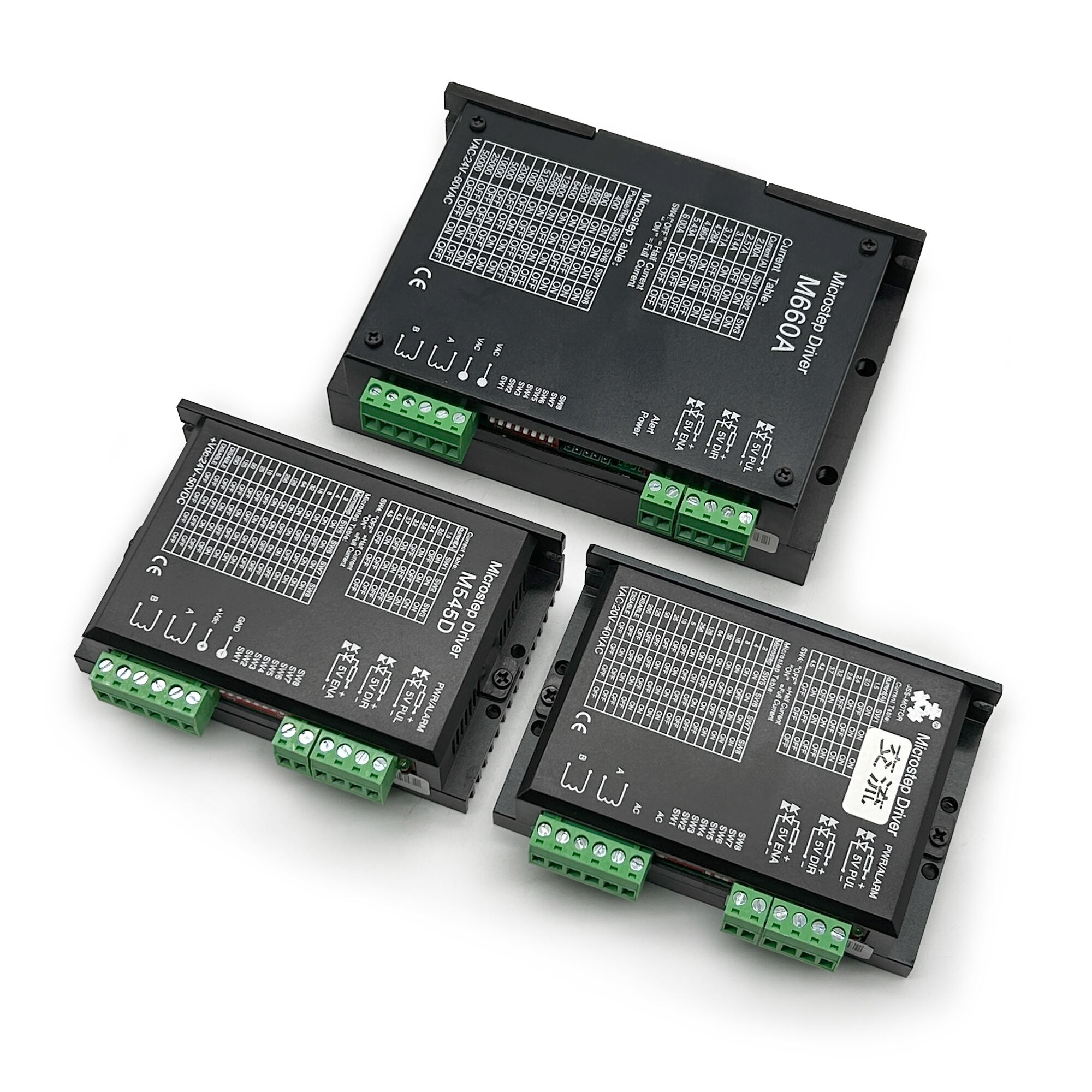
High-Performance Stepper Driver Solutions: Precision Motion Control with Advanced Microstepping Technology

Get a Free Quote

Our representative will contact you soon.
Email
Name
Company Name
WhatsApp
Mobile
Message
0/1000

stepper driver

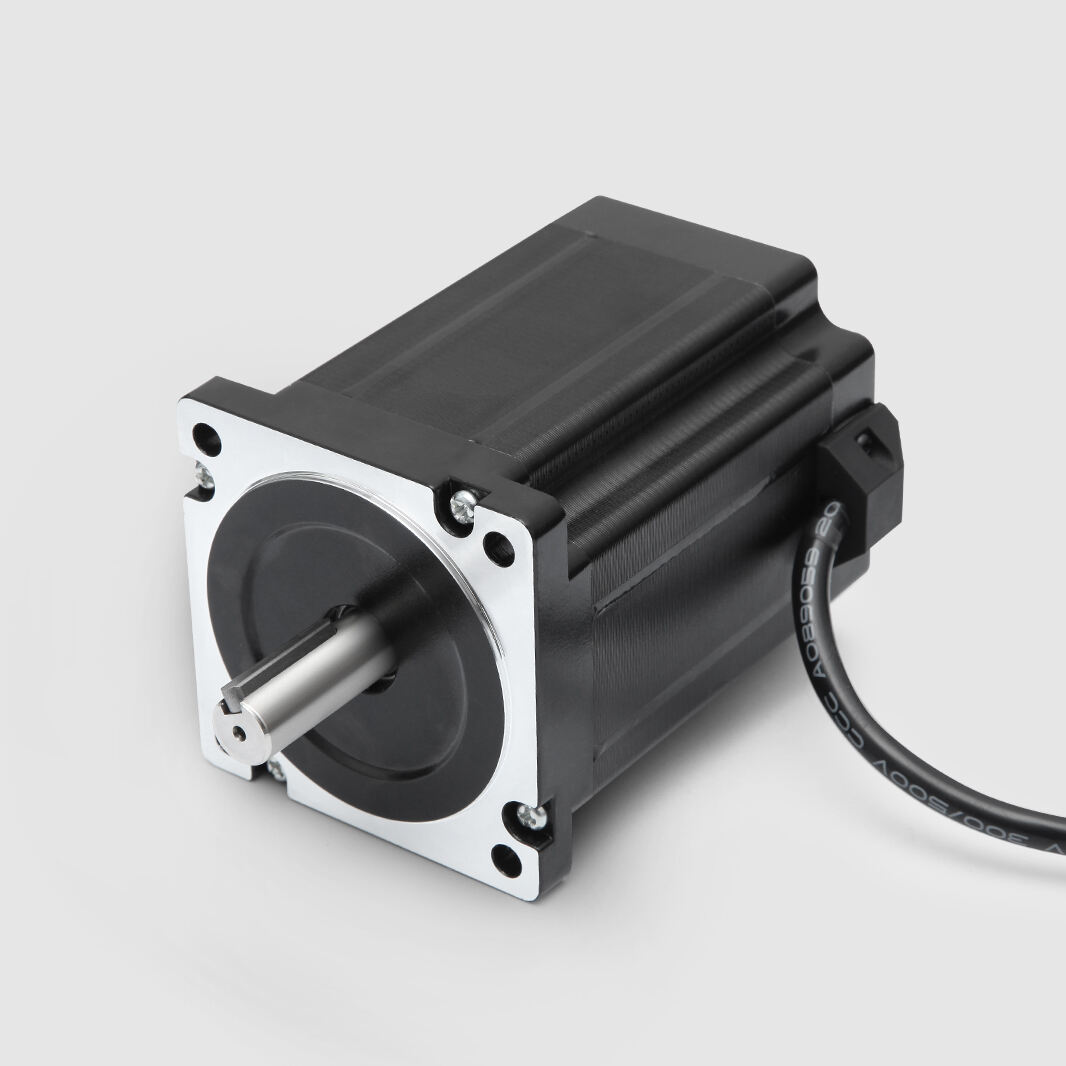
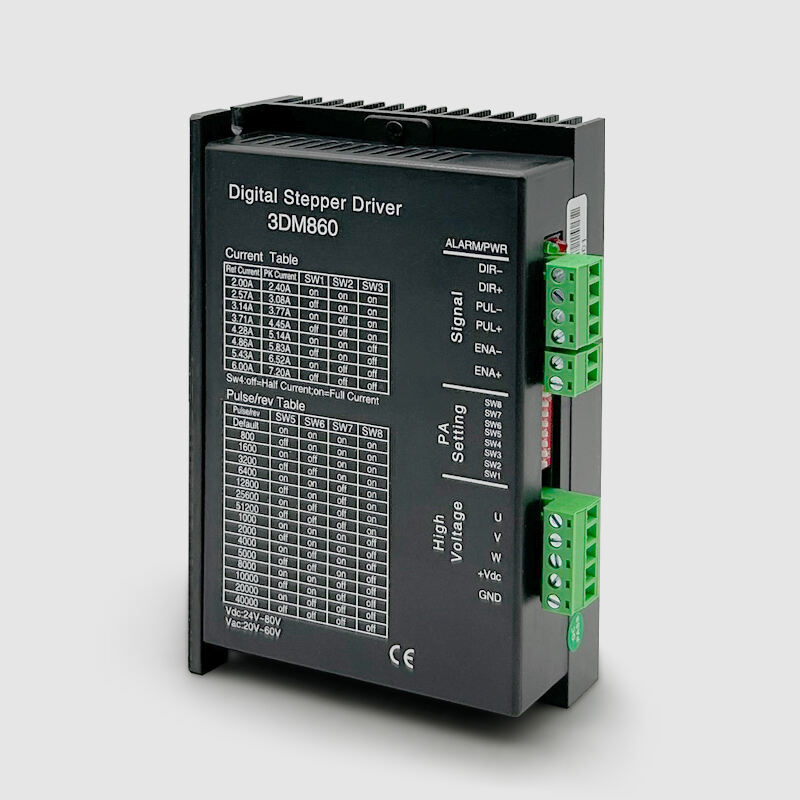
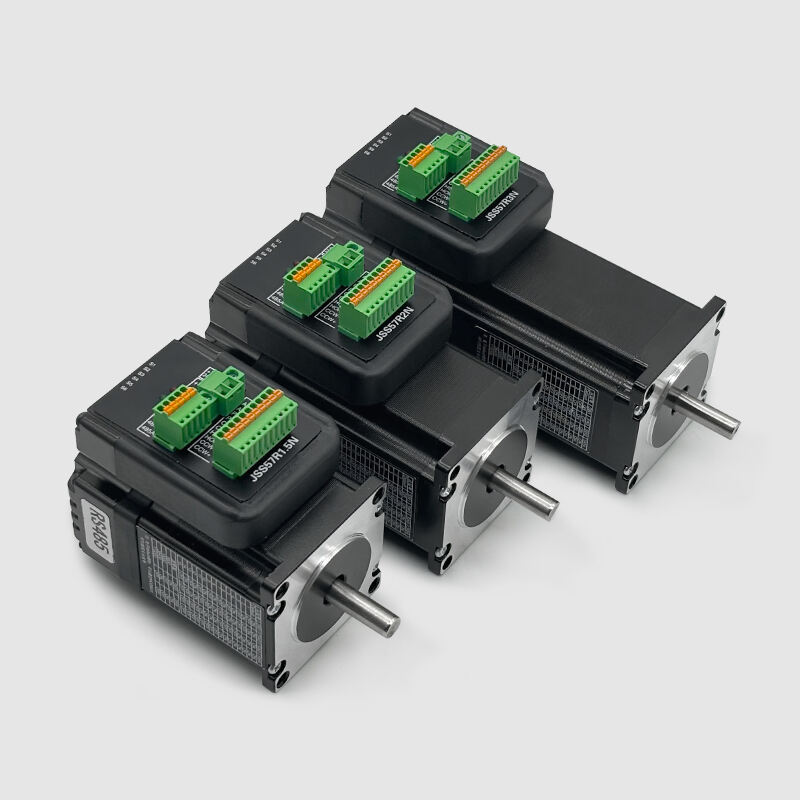
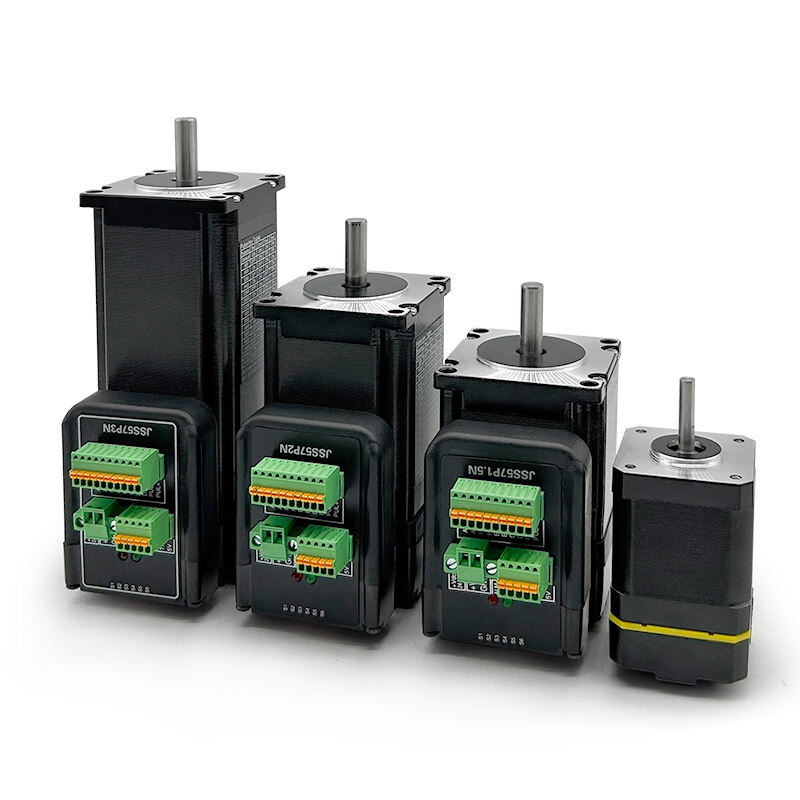
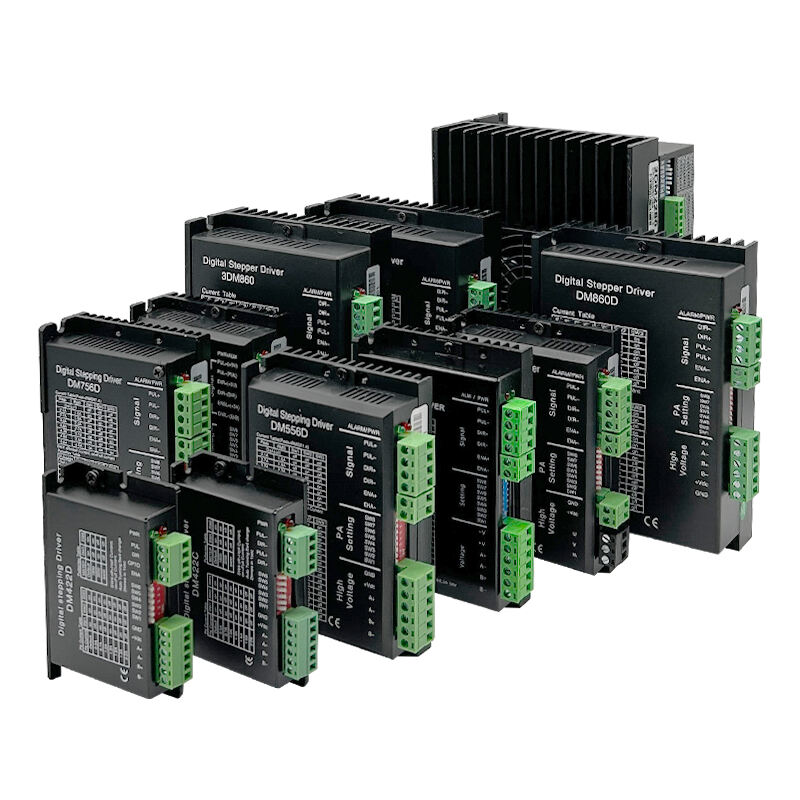
A stepper driver serves as the essential control interface between a stepper motor and its control system, acting as the intelligent bridge that converts digital pulse signals into precise mechanical movement. This sophisticated electronic device manages the power distribution and timing sequences required to operate stepper motors with exceptional accuracy and reliability. The stepper driver receives step and direction signals from a controller or microprocessor, then amplifies and distributes the appropriate current to the motor windings in a carefully orchestrated sequence. Modern stepper driver technology incorporates advanced microstepping capabilities, allowing for smoother motion and reduced vibration compared to traditional full-step operation. These devices feature current regulation systems that maintain consistent torque output while protecting the motor from damage due to overcurrent conditions. The stepper driver includes built-in protection mechanisms such as thermal shutdown, overvoltage protection, and short-circuit detection to ensure safe and reliable operation in demanding industrial environments. Digital signal processing within the stepper driver enables precise control over acceleration, deceleration, and velocity profiles, making it possible to achieve complex motion patterns with repeatability and accuracy. The device typically operates with input voltages ranging from 12V to 80V, depending on the specific model and application requirements. Communication interfaces such as RS-485, CAN bus, or Ethernet connectivity allow for seamless integration into automated systems and remote monitoring capabilities. The stepper driver housing is designed for industrial applications, featuring robust construction that withstands temperature variations, electromagnetic interference, and mechanical stress. These devices find widespread application in CNC machinery, 3D printers, robotic systems, packaging equipment, medical devices, and precision positioning systems where accurate motion control is paramount for operational success.
New Product Releases

The stepper driver delivers exceptional precision control that transforms standard stepper motors into highly accurate positioning systems capable of achieving micron-level accuracy. This precision stems from the advanced current regulation algorithms embedded within the stepper driver, which maintain consistent torque output across varying load conditions and operating temperatures. Users benefit from the plug-and-play design philosophy that eliminates complex wiring requirements and reduces installation time significantly. The stepper driver automatically detects motor parameters and adjusts its output characteristics accordingly, reducing setup complexity for operators without extensive technical expertise. Energy efficiency represents another major advantage, as modern stepper driver designs incorporate intelligent power management features that reduce energy consumption by up to 40 percent compared to traditional linear drivers. The automatic current reduction feature decreases power consumption when the motor is holding position, generating less heat and extending component lifespan. The stepper driver provides superior noise reduction through advanced microstepping technology, which divides each full step into smaller increments, resulting in smoother operation and reduced mechanical vibration. This quiet operation makes the stepper driver ideal for applications in noise-sensitive environments such as medical equipment, laboratory instruments, and office automation systems. Diagnostic capabilities built into the stepper driver enable proactive maintenance scheduling and fault detection before critical failures occur. Real-time monitoring of motor temperature, current draw, and performance parameters allows operators to optimize system performance and prevent unexpected downtime. The stepper driver offers remarkable versatility in motion profiles, supporting complex acceleration and deceleration curves that can be customized for specific application requirements. Variable speed control allows users to optimize cycle times while maintaining position accuracy, improving overall system productivity. Protection features integrated into every stepper driver ensure reliable operation even in harsh industrial environments, with automatic recovery from fault conditions and comprehensive error reporting. The compact form factor of modern stepper driver designs saves valuable panel space while delivering high power density, making them suitable for space-constrained applications without compromising performance capabilities.

Practical Tips

Does a digital stepper driver reduce EMI compared to analog models?

26

Sep

Does a digital stepper driver reduce EMI compared to analog models?

Understanding EMI Reduction in Modern Motor Control Systems The evolution of motor control technology has brought significant advancements in how we manage electromagnetic interference (EMI) in industrial and automation applications. Digital stepper ...
View More
2025 Guide: How AC Servo Motors Transform Industrial Automation

20

Oct

2025 Guide: How AC Servo Motors Transform Industrial Automation

The Evolution of Industrial Motion Control Technology Industrial automation has witnessed a remarkable transformation over the past decades, with ac servo motors emerging as the cornerstone of precise motion control. These sophisticated devices have ...
View More
Servo Drive Basics: A Complete Beginner's Guide

27

Nov

Servo Drive Basics: A Complete Beginner's Guide

Understanding servo drives is essential for anyone working in industrial automation, robotics, or precision manufacturing. A servo drive acts as the brain behind precise motion control, converting electrical signals into mechanical movements with exc...
View More
2025 Guide: How to Choose the Right Servo Motor

27

Nov

2025 Guide: How to Choose the Right Servo Motor

The selection of the right servo motor stands as a critical decision in modern automation and machinery applications. As we move into 2025, the complexity and capabilities of these precision devices continue to evolve, making it essential for enginee...
View More

Get a Free Quote

Our representative will contact you soon.
Email
Name
Company Name
WhatsApp
Mobile
Message
0/1000

stepper driver

Advanced Microstepping Technology for Ultra-Smooth Motion Control

Advanced Microstepping Technology for Ultra-Smooth Motion Control

The stepper driver incorporates cutting-edge microstepping technology that revolutionizes motion control by dividing each full motor step into up to 256 smaller microsteps, delivering unprecedented smoothness and precision in mechanical positioning systems. This advanced feature eliminates the jerky motion characteristics typically associated with traditional full-step operation, creating fluid movement patterns that are essential for high-quality manufacturing processes and precision applications. The intelligent microstepping algorithms within the stepper driver automatically adjust current waveforms to maintain optimal torque distribution across all microstep positions, ensuring consistent performance throughout the entire motion range. This technology significantly reduces mechanical resonance and vibration, which translates to improved surface finish quality in machining operations, reduced wear on mechanical components, and extended equipment lifespan. The stepper driver uses sophisticated sine-cosine current control to generate smooth current transitions between phases, eliminating the torque ripple that causes unwanted oscillations in conventional stepping systems. Users experience dramatically reduced noise levels, with sound reduction of up to 20 decibels compared to full-step operation, making the stepper driver suitable for noise-sensitive environments such as medical facilities, laboratories, and office settings. The microstepping capability enhances positioning resolution by factors of 10 to 256 times the motor's natural step resolution, enabling precise positioning tasks that would otherwise require expensive servo systems. This increased resolution allows for fine-tuning of positioning accuracy without sacrificing speed or torque capabilities. The stepper driver automatically optimizes microstepping parameters based on load conditions and speed requirements, ensuring maximum efficiency across the entire operating range. The technology also provides superior low-speed stability, eliminating the stop-start motion that can occur at low speeds with traditional stepping systems, enabling smooth operation even at extremely slow velocities required for delicate positioning tasks.
Intelligent Current Control and Energy Optimization

Intelligent Current Control and Energy Optimization

The stepper driver features sophisticated current control technology that maximizes motor performance while minimizing energy consumption through intelligent power management algorithms designed for modern industrial automation requirements. This advanced current regulation system continuously monitors and adjusts the power delivered to each motor winding, maintaining optimal torque output while preventing overheating and energy waste. The stepper driver employs pulse-width modulation techniques combined with advanced feedback control to deliver precise current levels regardless of supply voltage variations or temperature fluctuations. This ensures consistent motor performance across different operating conditions and extends motor life by preventing thermal stress. The automatic current reduction feature represents a significant advancement in energy efficiency, reducing holding current by up to 50 percent when the motor is not moving, which dramatically decreases heat generation and power consumption during idle periods. The stepper driver includes thermal monitoring capabilities that track motor and driver temperatures in real-time, automatically adjusting current levels to prevent overheating while maintaining required torque levels. This intelligent thermal management eliminates the need for external temperature sensors and provides built-in protection against thermal damage. The current control system adapts to different motor types automatically, supporting various winding configurations and inductance values without requiring manual parameter adjustments. Users benefit from simplified setup procedures and reduced commissioning time, as the stepper driver automatically configures optimal current profiles for connected motors. The energy optimization algorithms analyze motion patterns and automatically adjust power delivery to match actual torque requirements, reducing unnecessary power consumption during light-load conditions. This results in lower operating costs, reduced cooling requirements, and improved system efficiency. The stepper driver provides real-time current monitoring and reporting capabilities, allowing users to track power consumption patterns and optimize their applications for maximum energy efficiency while maintaining required performance levels.
Comprehensive Protection and Diagnostic Systems

Comprehensive Protection and Diagnostic Systems

The stepper driver integrates multiple layers of protection and diagnostic capabilities that ensure reliable operation in demanding industrial environments while providing valuable feedback for predictive maintenance and system optimization. These advanced protection systems monitor critical parameters continuously and respond automatically to potential fault conditions before they can cause equipment damage or production interruptions. The overvoltage protection circuit safeguards both the stepper driver and connected motor from power supply fluctuations and voltage spikes that commonly occur in industrial electrical systems. This protection automatically disconnects the motor windings when voltages exceed safe operating limits and provides visual and digital alerts to operators. The short-circuit protection system detects winding faults instantly and isolates damaged circuits to prevent cascading failures that could affect other system components. Thermal protection monitors both driver and motor temperatures using advanced algorithms that predict thermal buildup based on current load patterns and ambient conditions. The stepper driver automatically reduces current output when temperatures approach critical limits, maintaining operation while preventing thermal damage. Ground fault detection identifies insulation breakdown and wiring problems that could create safety hazards or equipment malfunctions, providing early warning of potential maintenance issues. The comprehensive diagnostic system continuously monitors motor performance parameters including current draw, temperature rise, and motion accuracy, comparing these values against expected ranges to identify developing problems. Real-time status reporting provides operators with detailed information about system health through multiple communication interfaces including LED indicators, digital outputs, and network connectivity options. The stepper driver logs fault events and performance trends in internal memory, enabling maintenance personnel to analyze historical data and identify patterns that indicate required preventive maintenance actions. Advanced diagnostics include motor identification capabilities that automatically detect motor type, winding resistance, and inductance values, ensuring optimal performance settings without manual configuration. The protection systems include automatic recovery features that restore normal operation once fault conditions are resolved, minimizing downtime and reducing the need for manual intervention in automated production environments.
+86-13401517369
[email protected]

Get a Free Quote

Our representative will contact you soon.
Email
Name
Company Name
WhatsApp
Mobile
Message
0/1000

Copyright © 2026 Changzhou Jinsanshi Mechatronics Co., Ltd. All rights reserved.  -  Privacy policy