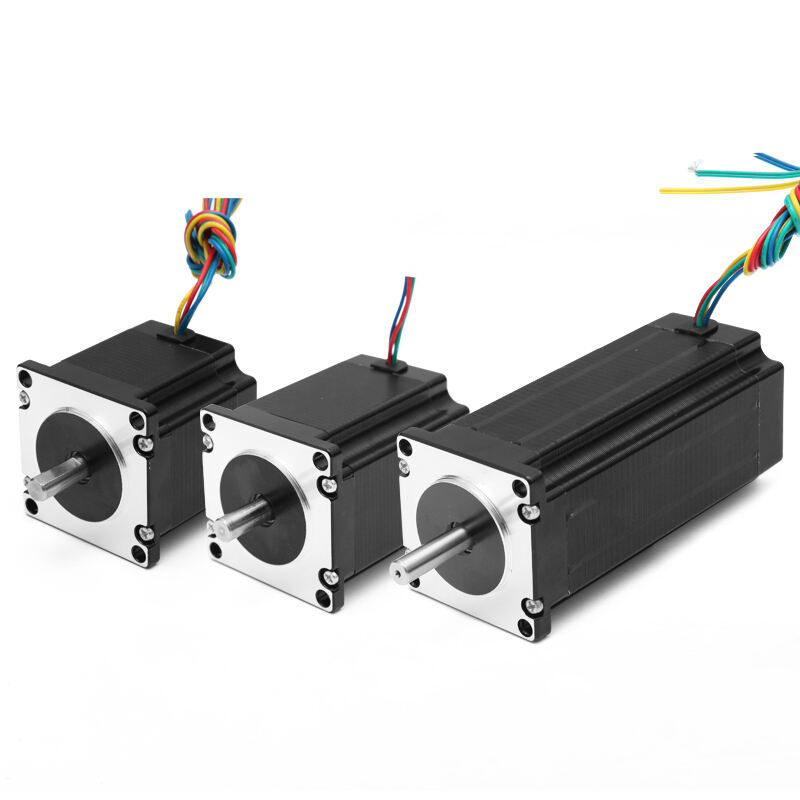
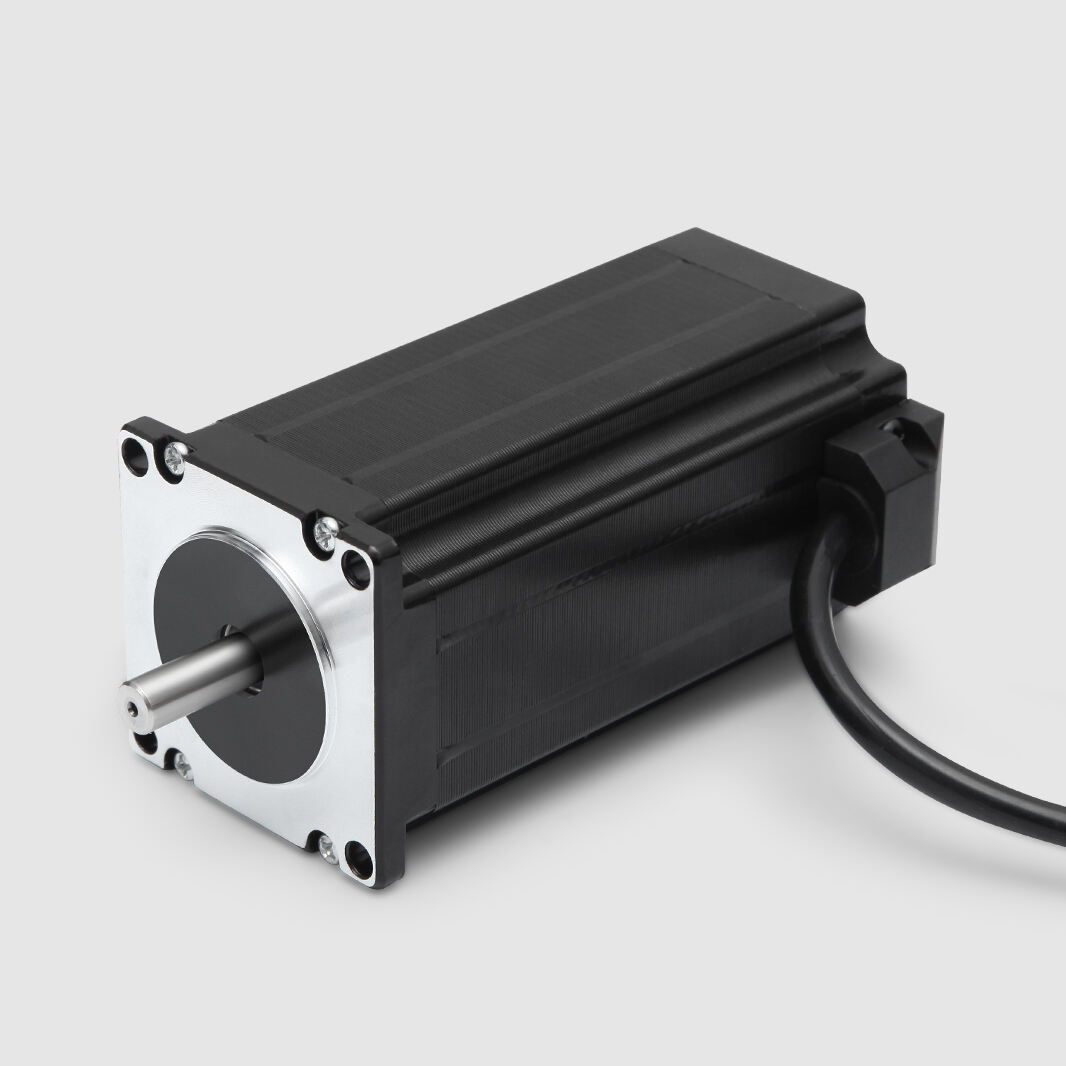
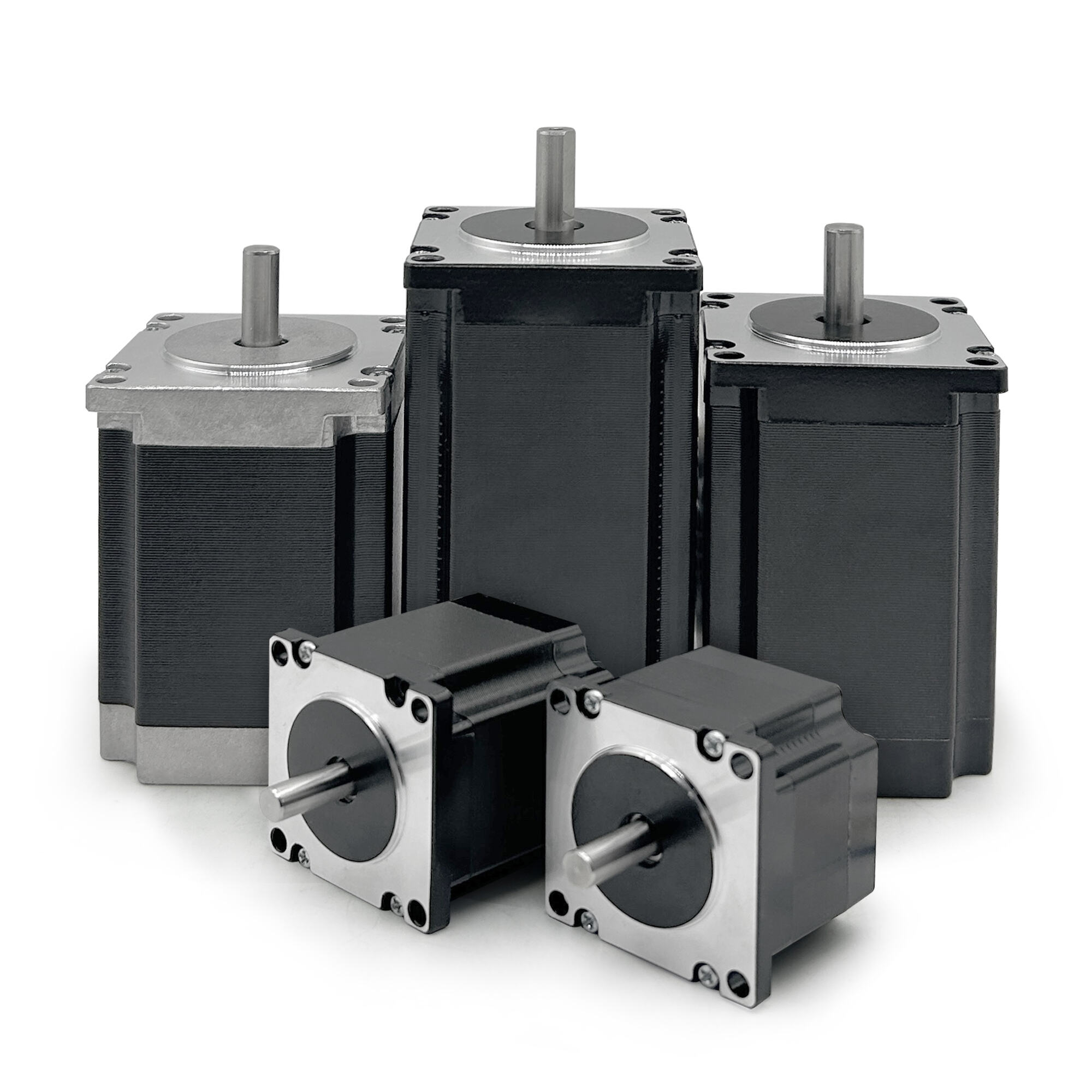
Համընդհանուր վարորդի համատեղելիություն և ինտեգրման առավելություններ
NEMA 23 քայլային շարժիչի լարման ճարտարապետությունը ապահովում է բացառիկ համատեղելիություն քայլային շարժիչների վերահսկման սարքերի և վերահսկման համակարգերի մեծ մասի հետ, ինչը զգալիորեն պարզեցնում է ինտեգրման գործընթացները և նվազեցնում է շարժման վերահսկման նախագծերի մշակման ժամանակը: Այս համընդհանուր համատեղելիությունը առաջանում է շարժիչի արդյունաբերական ստանդարտ լարման սպեցիֆիկացիաների և էլեկտրական բնութագրերի պահպանման շնորհիվ, որը երաշխավորում է անխափան աշխատանք ինչպես հիմնարար, այնպես էլ առաջադեմ վերահսկման սարքերի հետ: NEMA 23 քայլային շարժիչի լարման համակարգը արդյունավետ է աշխատում հաստատուն լարման, հաստատուն հոսանքի և բարդ միկրոքայլային վերահսկիչների հետ, ինչը ինժեներներին տալիս է առավելագույն ճկունություն՝ վերահսկման էլեկտրոնիկայի ընտրության համար՝ հիմնված կատարողականության պահանջների և բյուջետային համարձակումների վրա: Ստանդարտացված լարման ինտերֆեյսը վերացնում է համատեղելիության հետ կապված խնդիրները հիմնարար ամբողջ քայլի վերահսկիչներից առաջադեմ միկրոքայլային վերահսկիչների անցման ժամանակ, ինչը հնարավորություն է տալիս համակարգի զարգացմանը՝ առանց շարժիչի փոխարինման: Ժամանակակից NEMA 23 քայլային շարժիչների լարման նախագծերը ներառում են ներդրված պաշտպանության հատկանիշներ, որոնք պաշտպանում են ինչպես շարժիչը, այնպես էլ վերահսկիչի էլեկտրոնիկան լարման կտրուկ վայրկյանային թռիչքներից, հակառակ բևեռավորումից և գերհոսանքի պայմաններից, ինչը բարձրացնում է համակարգի հուսալիությունը և նվազեցնում է սպասարկման պահանջները: Շարժիչի լարման բնութագրերը օպտիմալացված են երկբևեռ և միաբևեռ վերահսկիչների համար, ինչը տրամադրում է նախագծման ճկունություն տարբեր վերահսկման տոպոլոգիաների համար և հնարավորություն է տալիս ստանալ ծախսային արդյունավետ լուծումներ տարբեր կիրառման պահանջների համար: Ինտեգրման առավելությունները տարածվում են նաև ծրագրային ապահովման համատեղելիության վրա, քանի որ ստանդարտացված NEMA 23 քայլային շարժիչների լարման սպեցիֆիկացիաները երաշխավորում են համատեղելի վարքագիծ տարբեր վերահսկման հարթակներում և ծրագրավորման միջավայրերում: Շարժիչի էլեկտրական բնութագրերը աջակցում են ինչպես բաց օղակի, այնպես էլ փակ օղակի վերահսկման իրականացմանը, ինչը նախագծողներին թույլ է տալիս ընտրել իրենց համար ամենահարմար վերահսկման ստրատեգիան՝ հիմնված ճշգրտության և հետադարձ կապի պահանջների վրա: NEMA 23 քայլային շարժիչների լարման համակարգերի հետ տարածված կապի պրոտոկոլներն են՝ քայլ/ուղղություն, իմպուլսային հոսանք և հաջորդական կապի ինտերֆեյսները, ինչը երաշխավորում է համատեղելիություն արդյունաբերական ավտոմատացման համակարգերի, CNC վերահսկիչների և ներդրված համակարգչային հարթակների հետ: Լարման ստանդարտացումը հեշտացնում է արագ նախատիպավորումը և համակարգի մասշտաբավորումը, քանի որ արդեն ստուգված շարժիչ-վերահսկիչ համադրությունները կարող են վերարտադրվել բազմաթիվ նախագծերում՝ վստահությամբ ապահովելով կատարողականության համապատասխանությունը և հուսալիությունը: