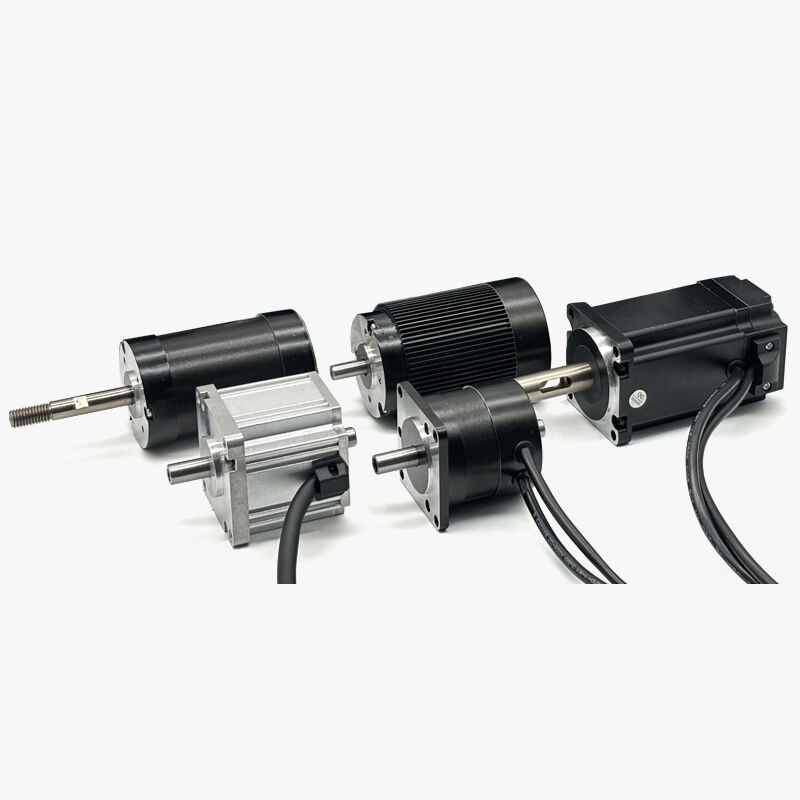
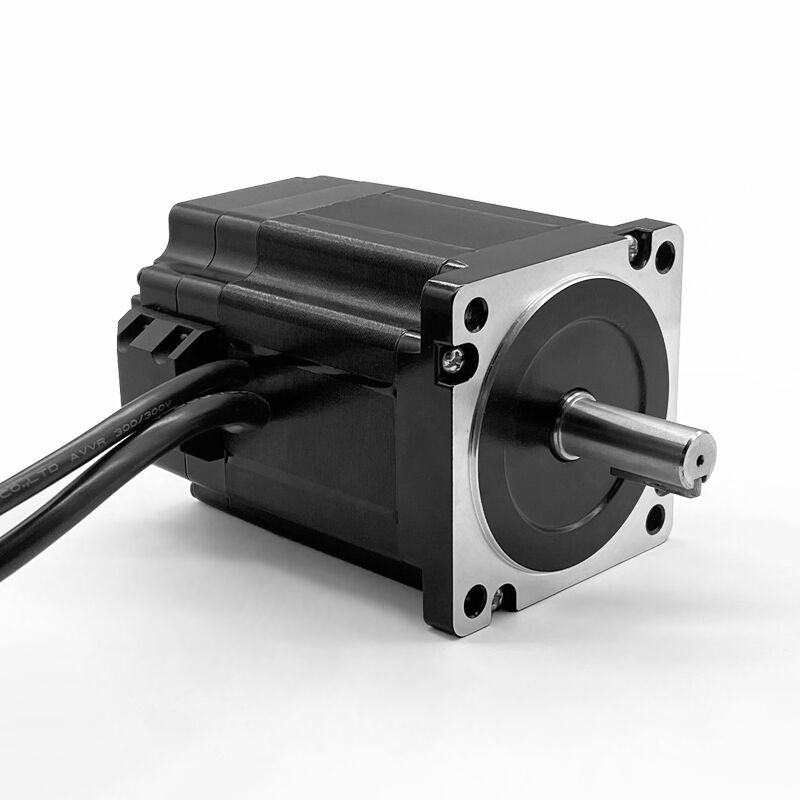
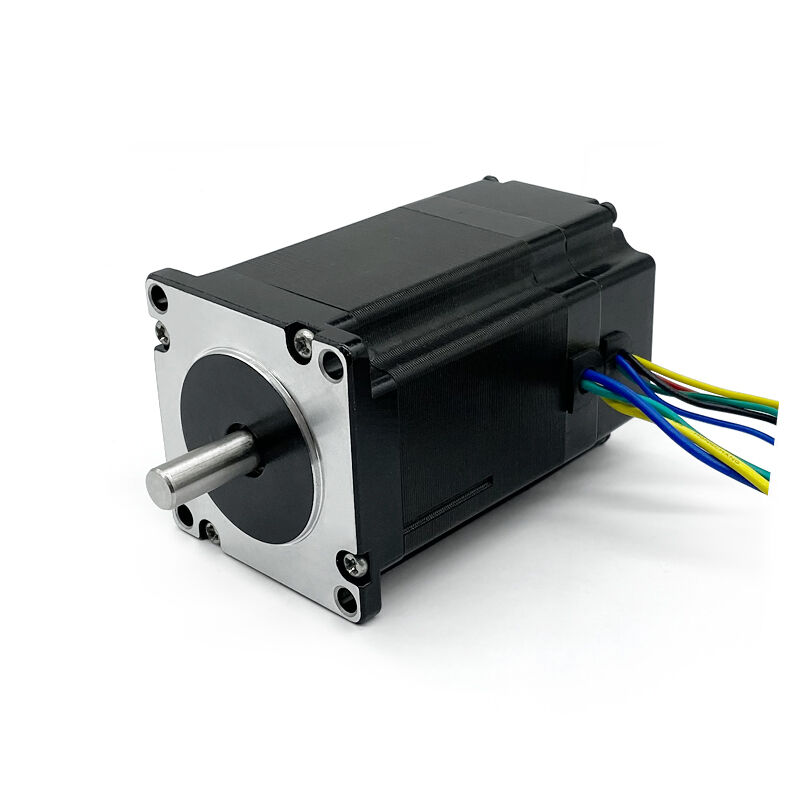
1 kw brushless dc motor
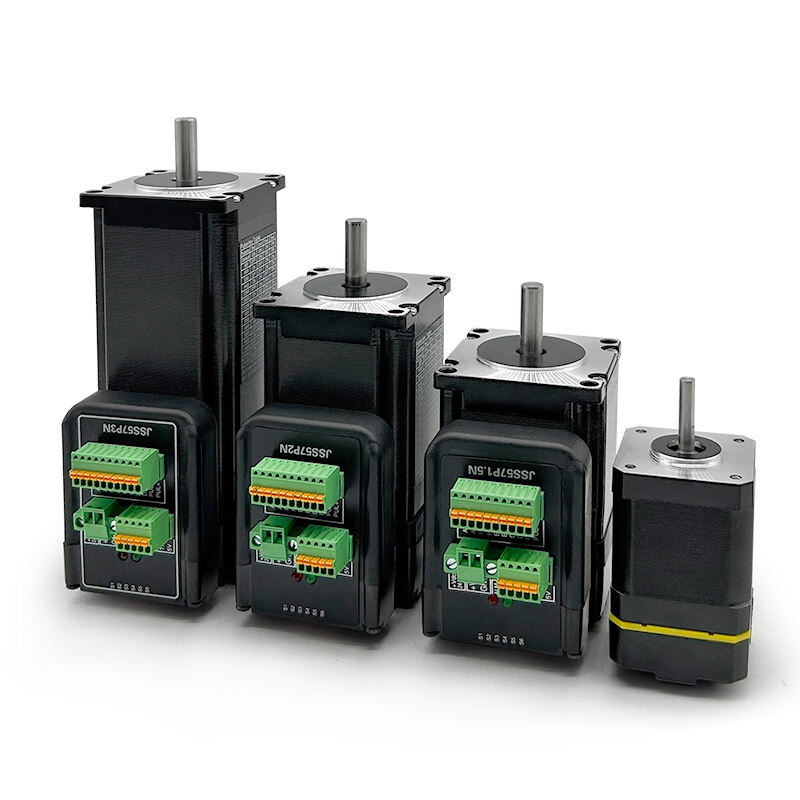
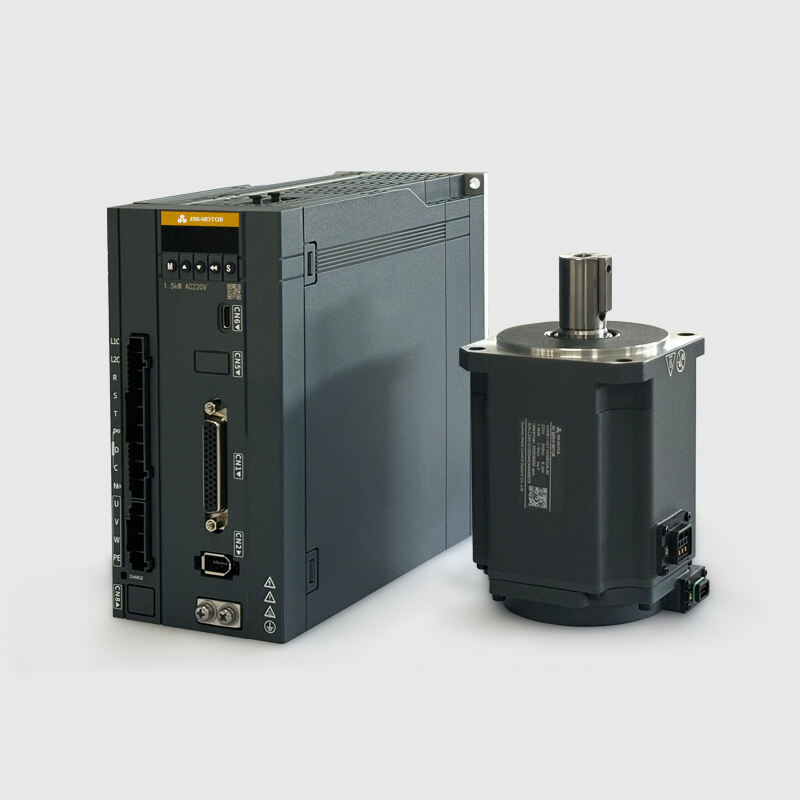
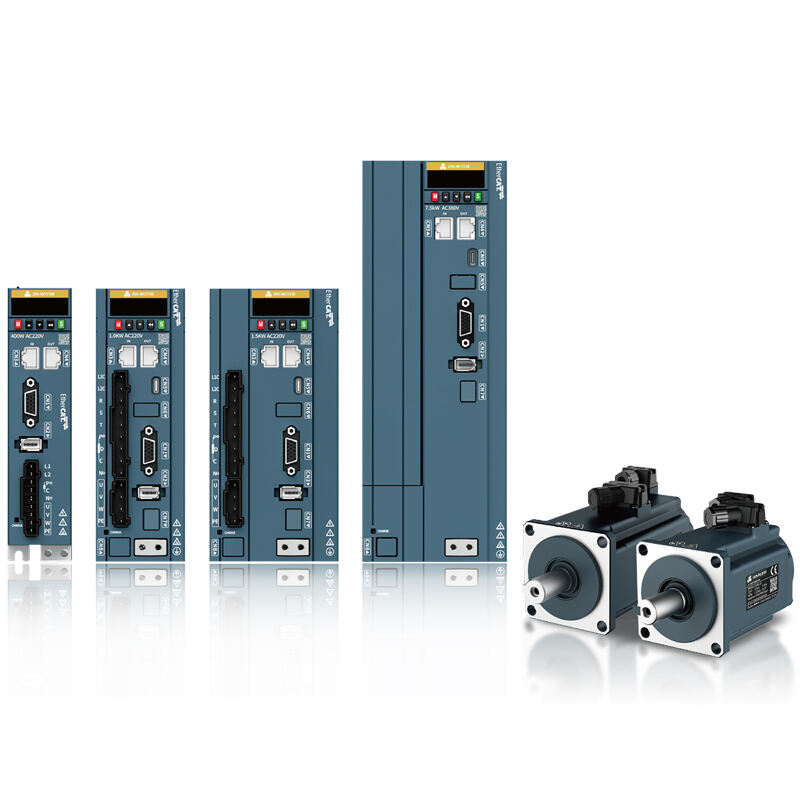
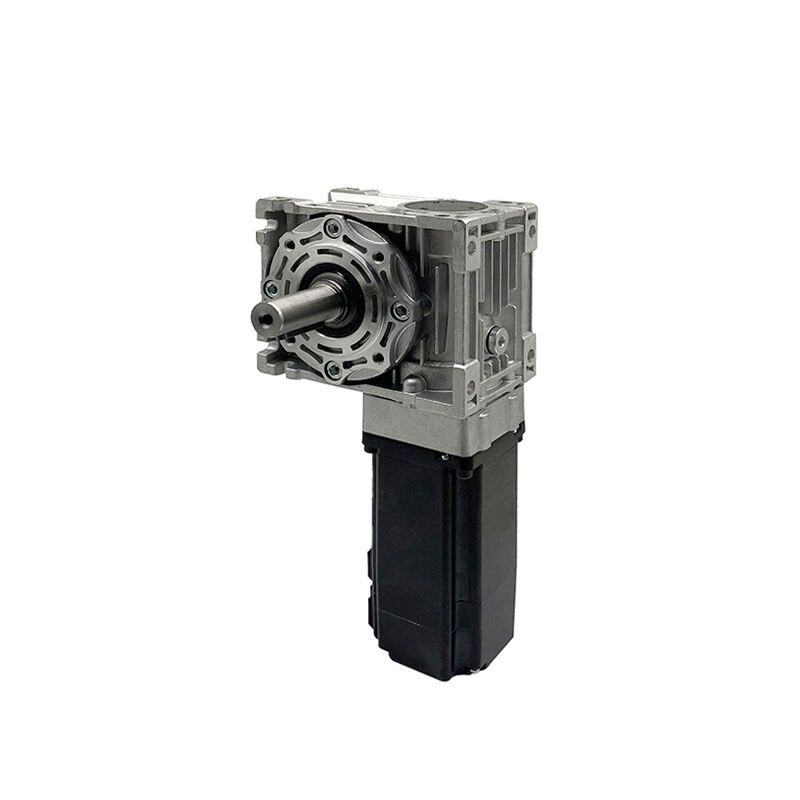
The 1 kw brushless dc motor represents a significant advancement in electric motor technology, delivering exceptional performance across diverse industrial and commercial applications. This sophisticated motor operates without traditional carbon brushes, utilizing electronic commutation to control the magnetic fields that drive the rotor. The 1 kw power rating provides substantial torque output while maintaining compact dimensions, making it ideal for applications requiring precise control and reliable operation. The brushless design incorporates permanent magnets on the rotor and electromagnetic windings in the stator, creating a highly efficient energy conversion system. Advanced electronic speed controllers manage the timing and sequence of current flow to the motor windings, ensuring optimal performance under varying load conditions. The 1 kw brushless dc motor typically features three-phase construction with Hall effect sensors or encoder feedback systems that provide accurate position and speed information to the control electronics. These motors excel in applications demanding variable speed operation, from slow precise movements to high-speed operations exceeding 10,000 RPM. The technological architecture includes high-grade permanent magnets, precision-wound copper coils, and robust bearing systems designed for extended operational life. Manufacturing processes ensure tight tolerances and balanced rotors that minimize vibration and noise during operation. The 1 kw brushless dc motor finds extensive use in robotics, CNC machinery, electric vehicles, HVAC systems, conveyor systems, and automated manufacturing equipment. These motors provide exceptional speed regulation, typically maintaining speed accuracy within 0.1% of setpoint under steady-state conditions. The absence of brush friction eliminates a major source of mechanical wear, significantly extending motor lifespan compared to traditional brushed designs. Modern 1 kw brushless dc motor systems incorporate intelligent features such as overcurrent protection, thermal monitoring, and communication interfaces that enable integration with industrial control networks and monitoring systems.