Cost-Effective Open-Loop Control System
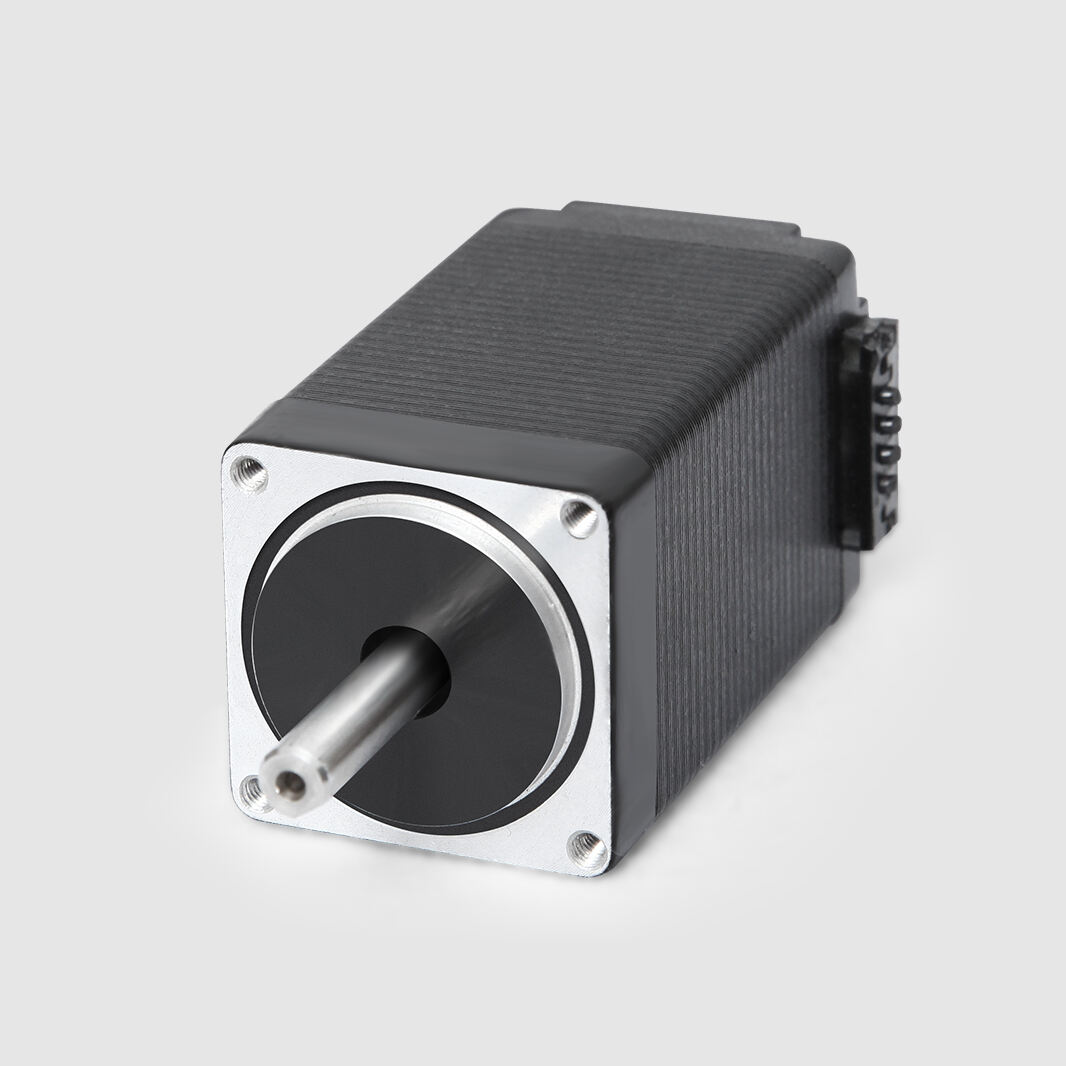
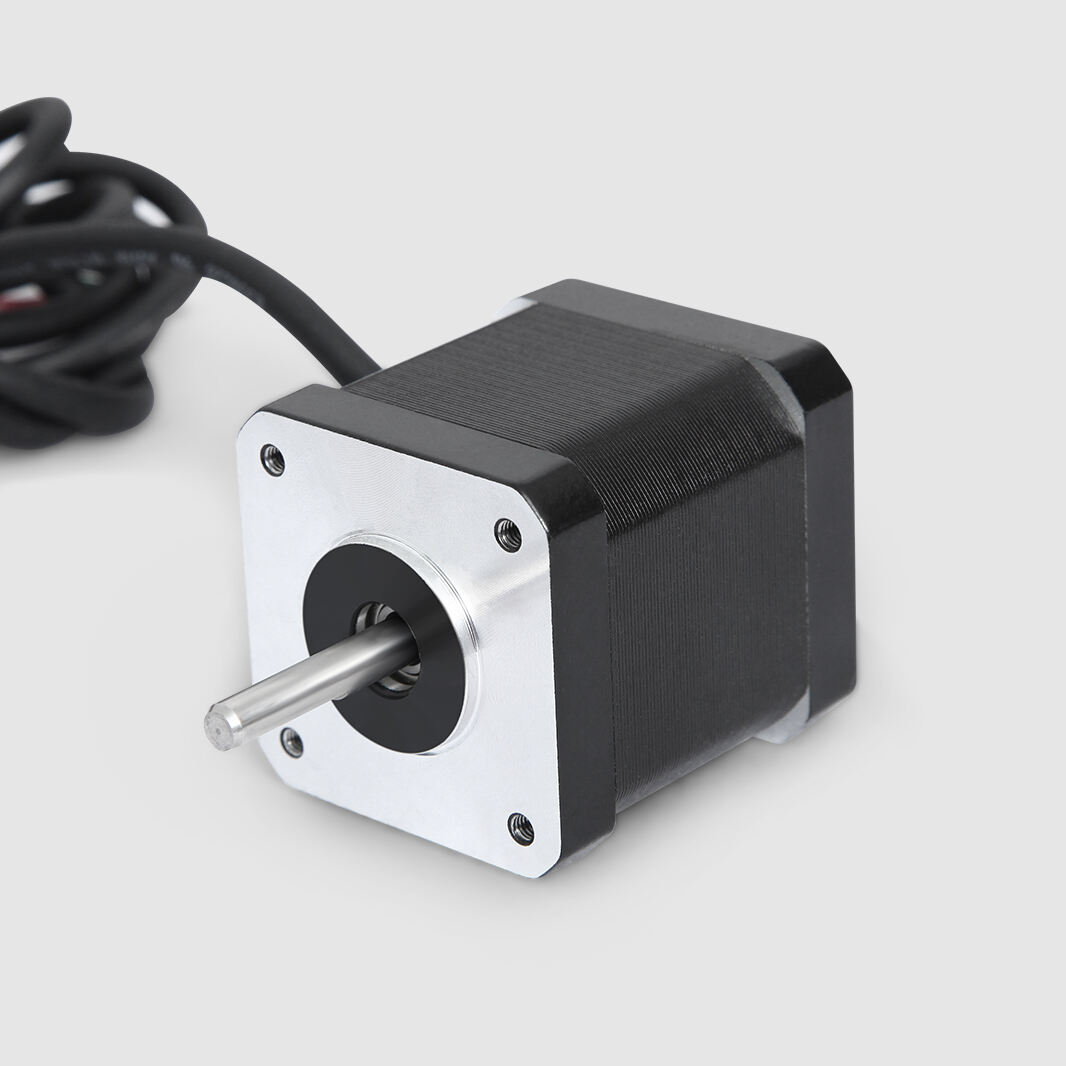
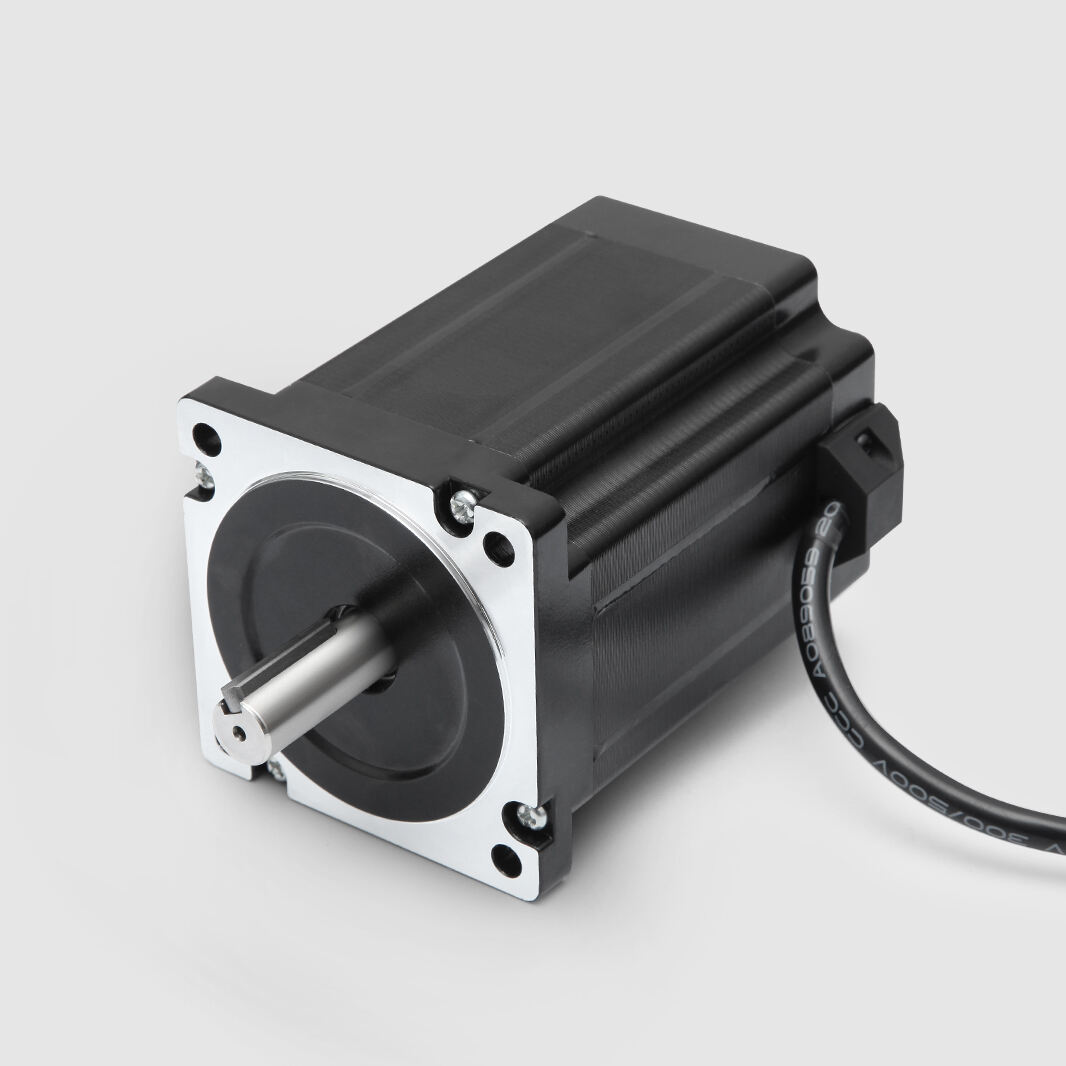
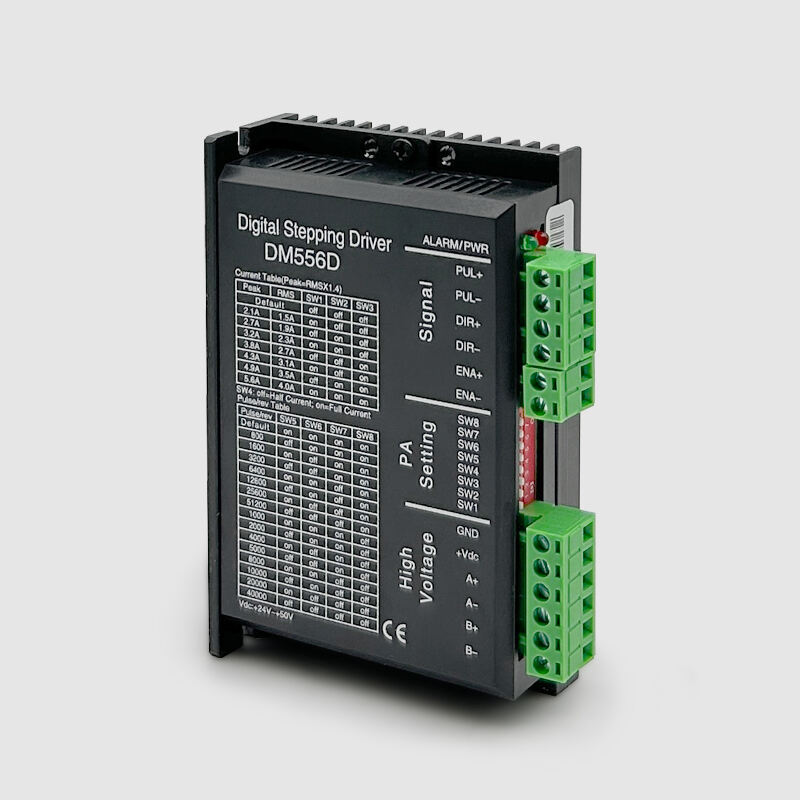
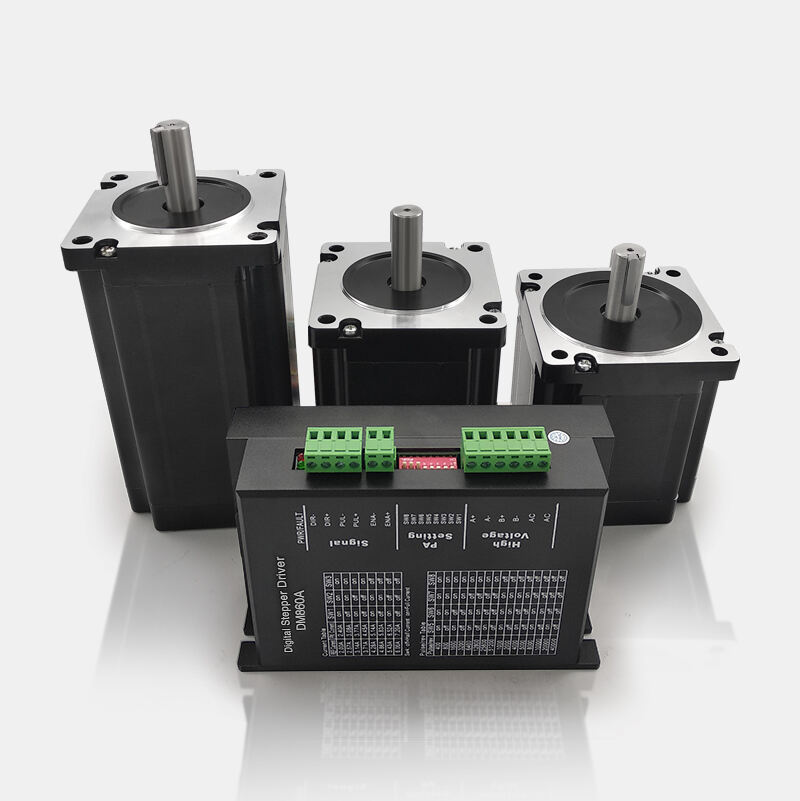
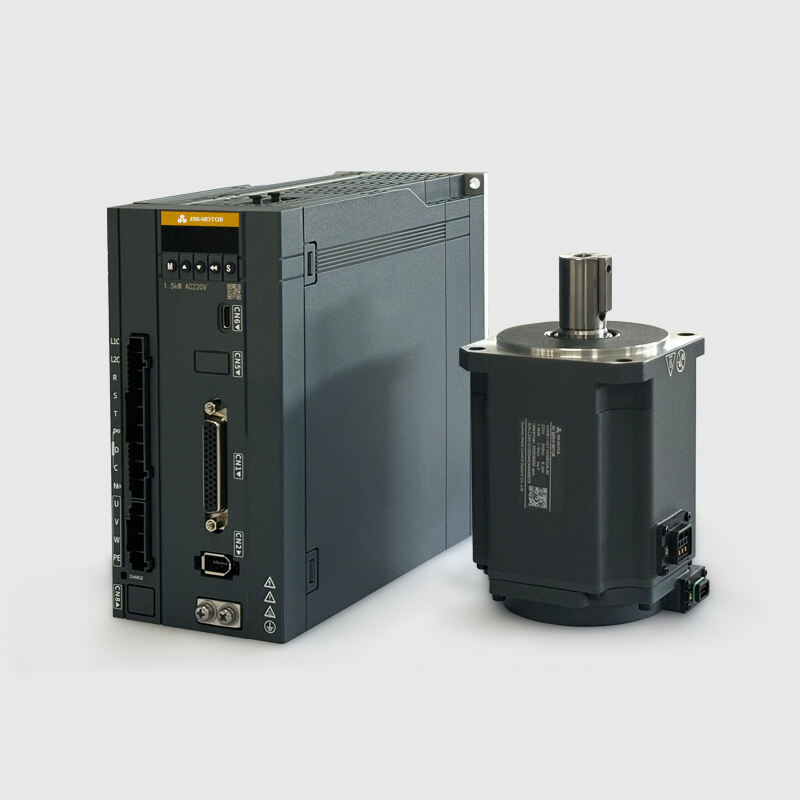
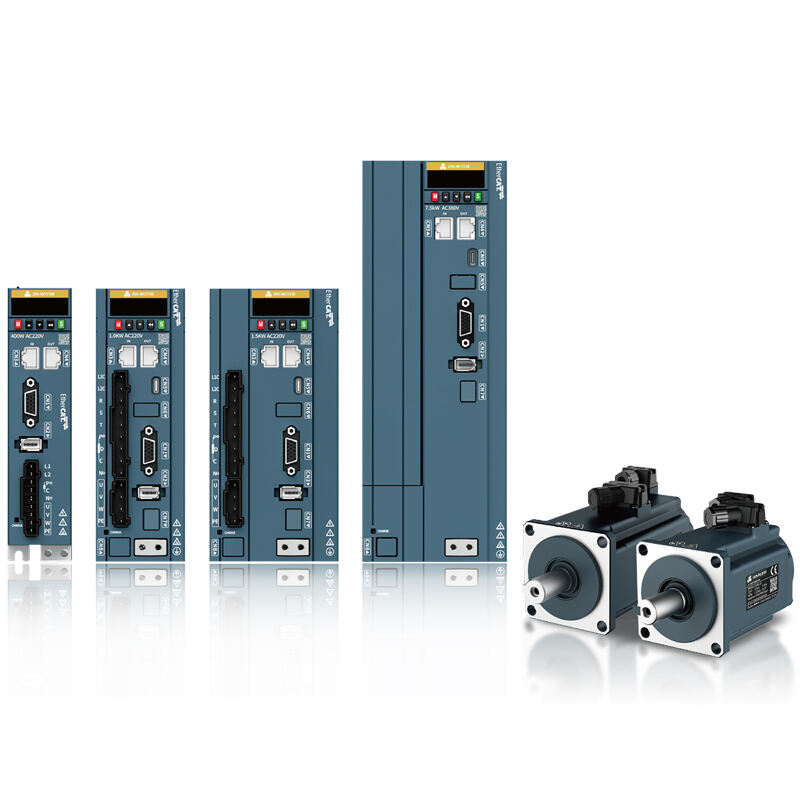
The 2 phase hybrid stepper motor revolutionizes motion control economics by eliminating the need for expensive feedback systems while maintaining exceptional performance standards that satisfy demanding industrial applications. This open-loop control capability represents a fundamental advantage that significantly reduces both initial system costs and ongoing maintenance requirements, making advanced motion control accessible to a broader range of applications and budgets. Traditional servo systems require sophisticated encoders, resolvers, or other position feedback devices that add substantial costs to motion control implementations, along with the associated wiring, signal conditioning electronics, and software complexity required to process feedback signals effectively. The 2 phase hybrid stepper motor eliminates these requirements entirely, as its inherent step-by-step operation provides predictable positioning without external verification, simplifying system architecture while reducing component counts and potential failure points. This cost advantage extends beyond initial purchase price to encompass reduced installation time, simplified troubleshooting procedures, and lower inventory requirements for spare parts and maintenance supplies. System designers appreciate the simplified control interface that eliminates complex tuning procedures associated with servo systems, reducing commissioning time and the specialized expertise required for system setup and optimization. The reduced complexity also translates into improved system reliability, as fewer components mean fewer potential failure modes and reduced maintenance interventions throughout the system's operational lifetime. Manufacturing operations benefit from faster project implementation timelines, as the straightforward control requirements of 2 phase hybrid stepper motors enable quicker system integration and reduced engineering overhead. The economic benefits extend to energy consumption patterns, as these motors only draw power during movement phases and can maintain holding positions without continuous energy input, contributing to reduced operating costs and improved environmental sustainability. Small and medium-sized businesses particularly benefit from these cost advantages, as they can implement sophisticated automation solutions without the substantial capital investments traditionally associated with precision motion control systems, enabling them to compete more effectively in markets that increasingly demand automated production capabilities.