nema 34 hybrid stepper motor
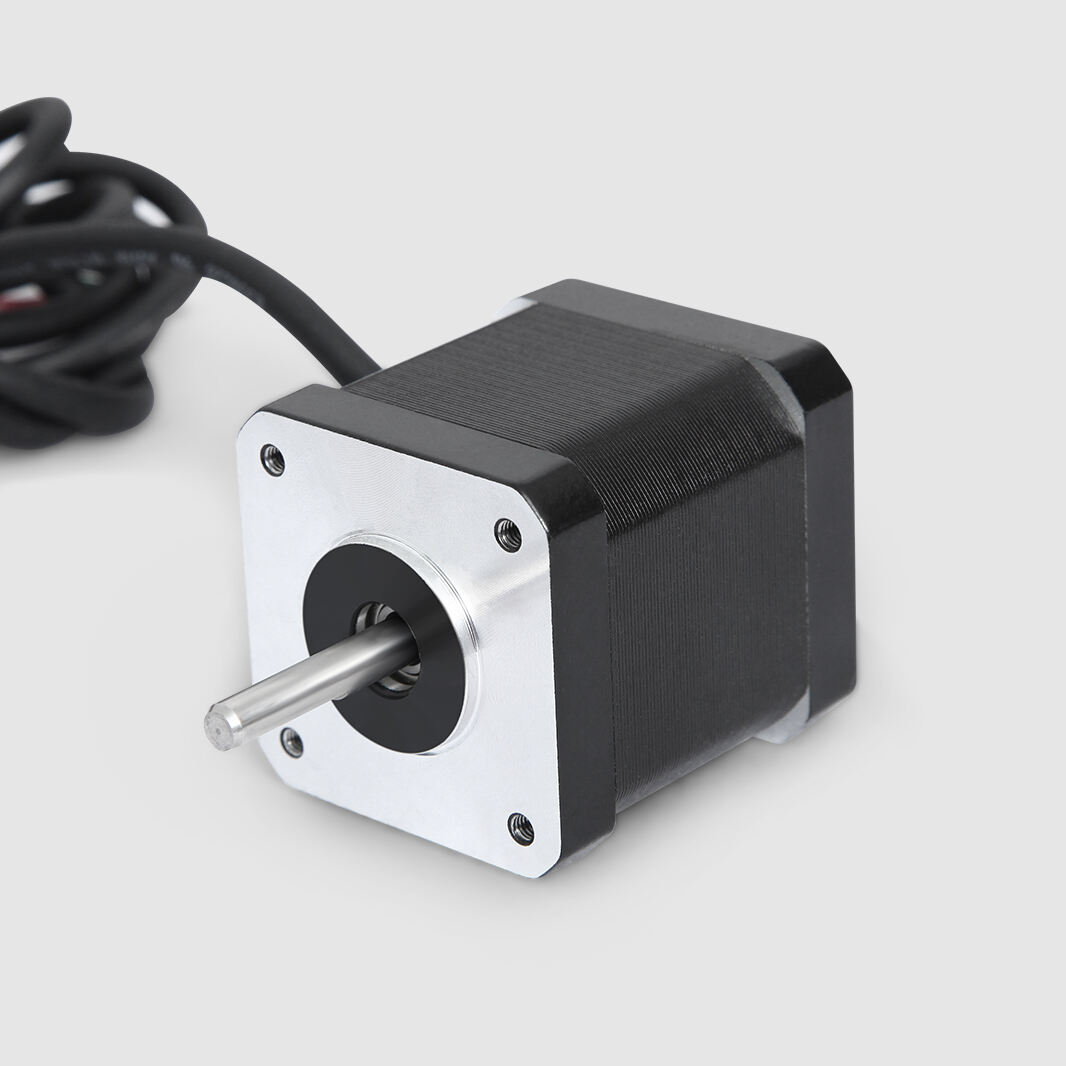
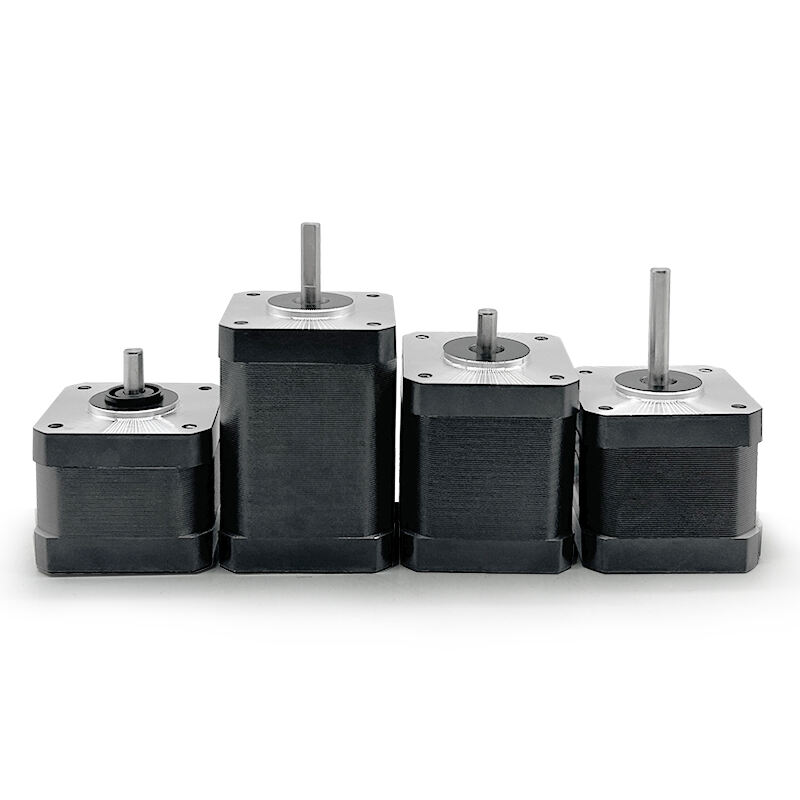
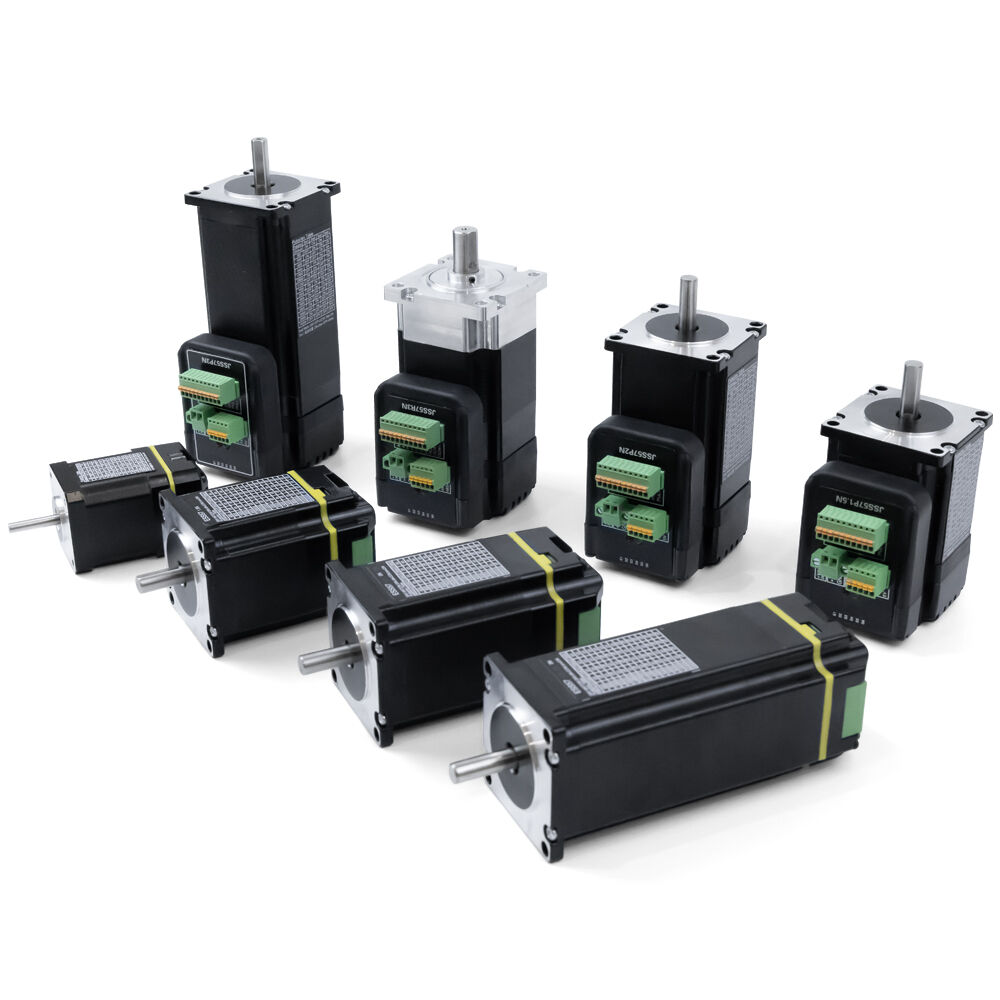
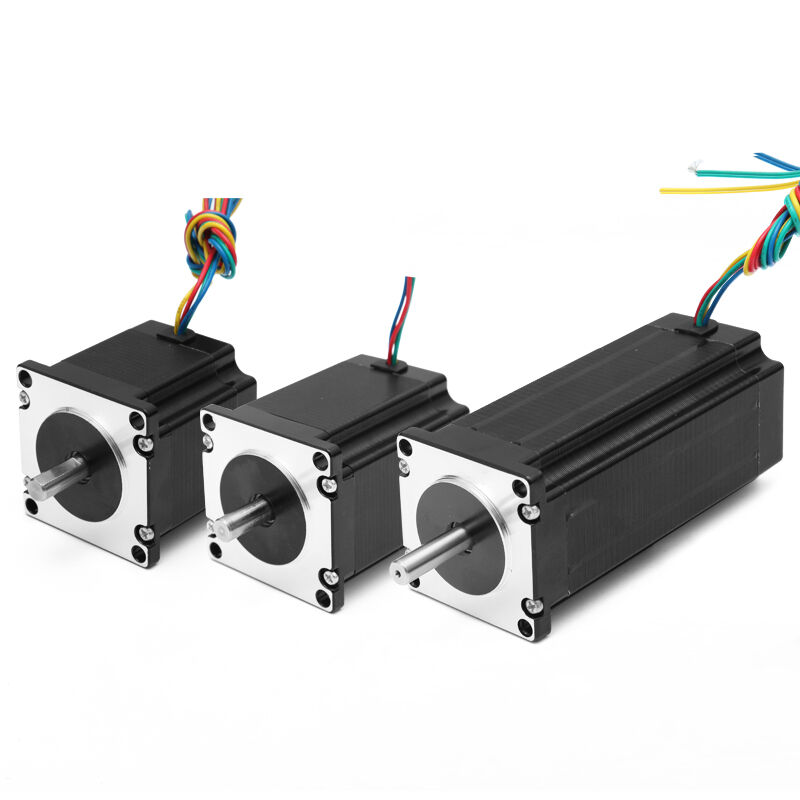
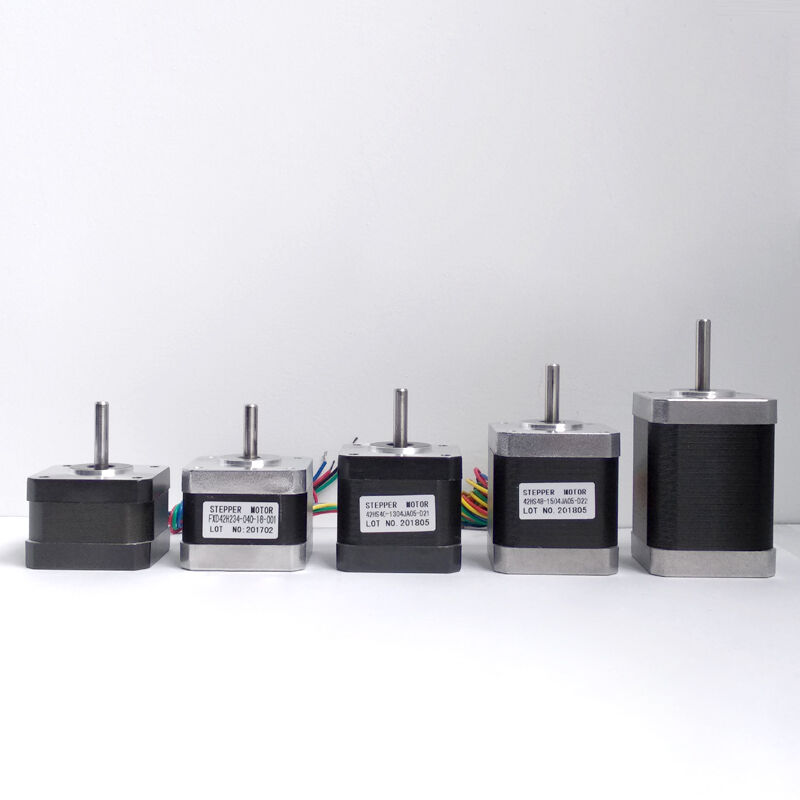
The NEMA 34 hybrid stepper motor represents a sophisticated fusion of permanent magnet and variable reluctance technologies, delivering exceptional performance for demanding industrial automation applications. This robust motor follows the National Electrical Manufacturers Association (NEMA) 34 standard, featuring an 86mm square face plate that ensures universal mounting compatibility across various equipment platforms. The NEMA 34 hybrid stepper motor combines the best characteristics of both permanent magnet and variable reluctance designs, utilizing rare earth magnets in the rotor assembly while maintaining the precise positioning capabilities inherent in stepper motor technology. The hybrid construction enables this motor to generate significantly higher torque output compared to conventional permanent magnet stepper motors of similar size. Engineering teams specifically design the NEMA 34 hybrid stepper motor to handle heavy-duty applications requiring precise positioning, high torque, and reliable operation in challenging industrial environments. The motor's rotor incorporates multiple teeth that interact with electromagnetically energized stator windings, creating controlled rotational movement in discrete steps. This stepping action allows for accurate positioning without requiring feedback sensors in many applications. The NEMA 34 hybrid stepper motor typically operates with step angles ranging from 0.9 to 1.8 degrees, providing 400 to 200 steps per revolution respectively. Advanced versions may offer microstepping capabilities, further enhancing positioning resolution. The motor's construction includes precision-machined components, high-quality bearings, and carefully balanced rotor assemblies that minimize vibration and ensure smooth operation. Thermal management features, including optimized winding configurations and heat dissipation designs, enable continuous operation under demanding conditions. The NEMA 34 hybrid stepper motor finds extensive use in CNC machinery, industrial automation systems, robotics, 3D printing equipment, and precision manufacturing applications where reliable positioning and substantial torque output are essential requirements for successful operation.