Bad Stepper Motor Symptoms: Complete Guide to Early Detection and Prevention

Get a Free Quote

Our representative will contact you soon.
Email
Name
Company Name
WhatsApp
Mobile
Message
0/1000

bad stepper motor symptoms

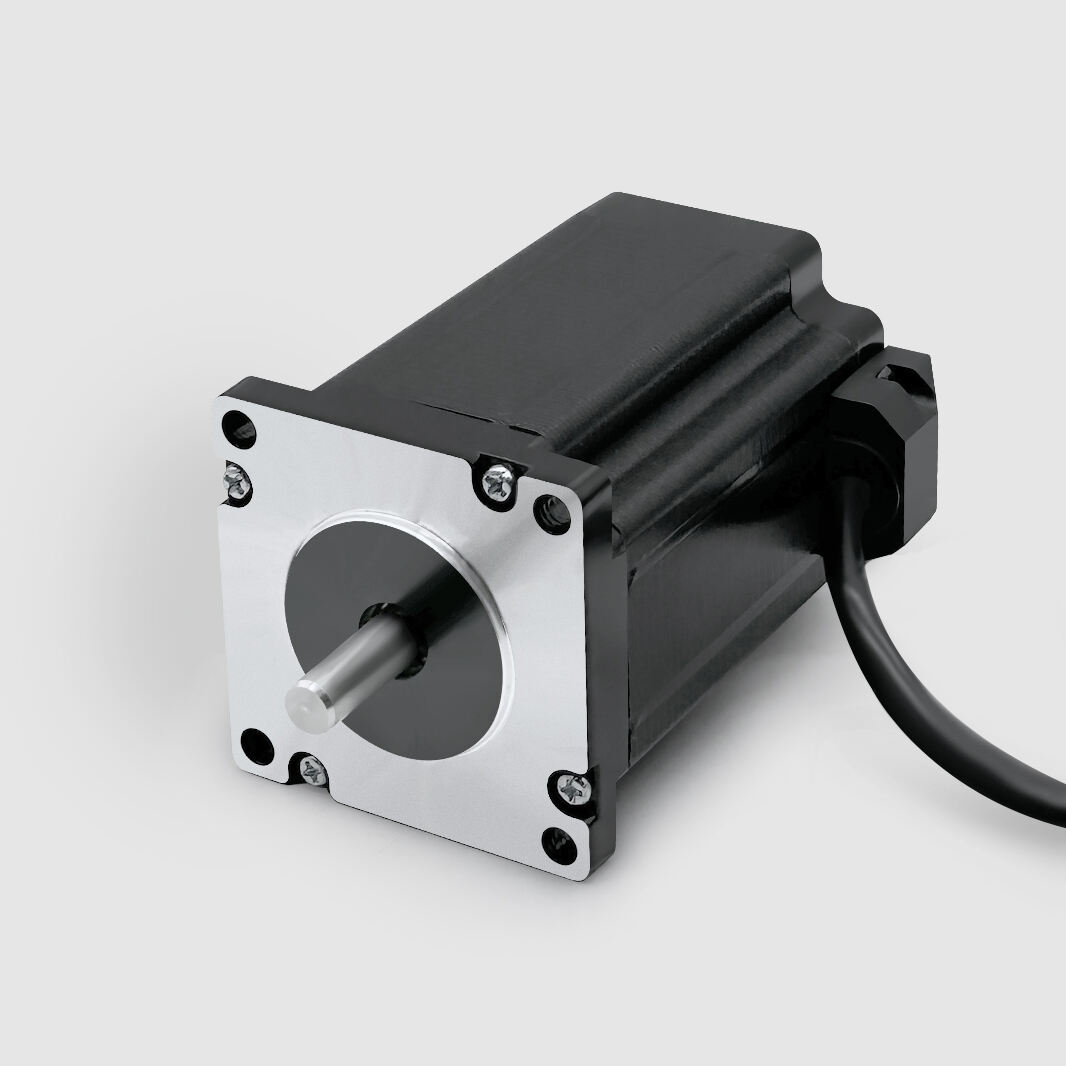
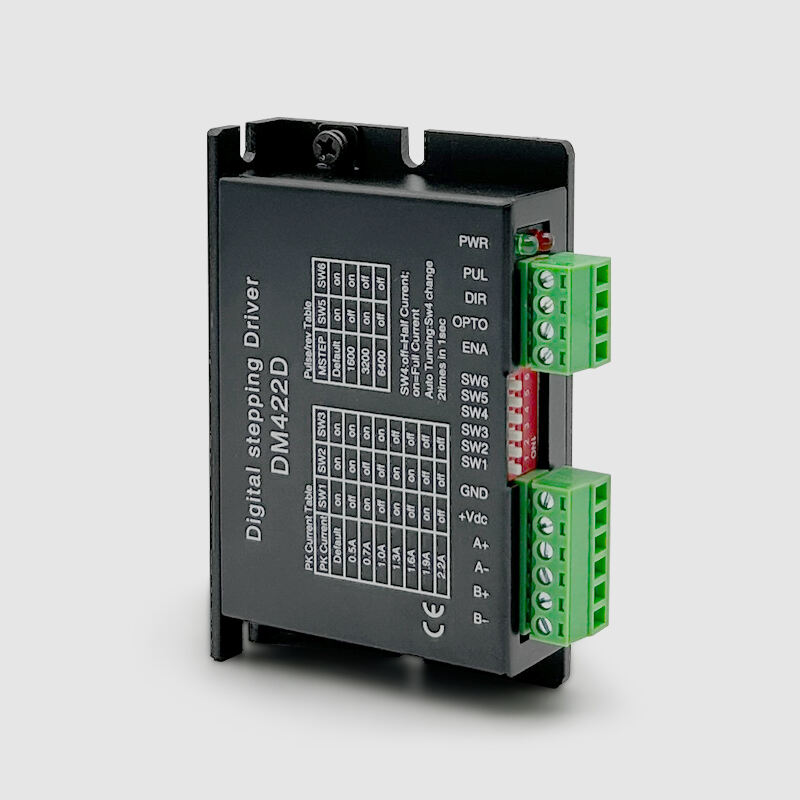
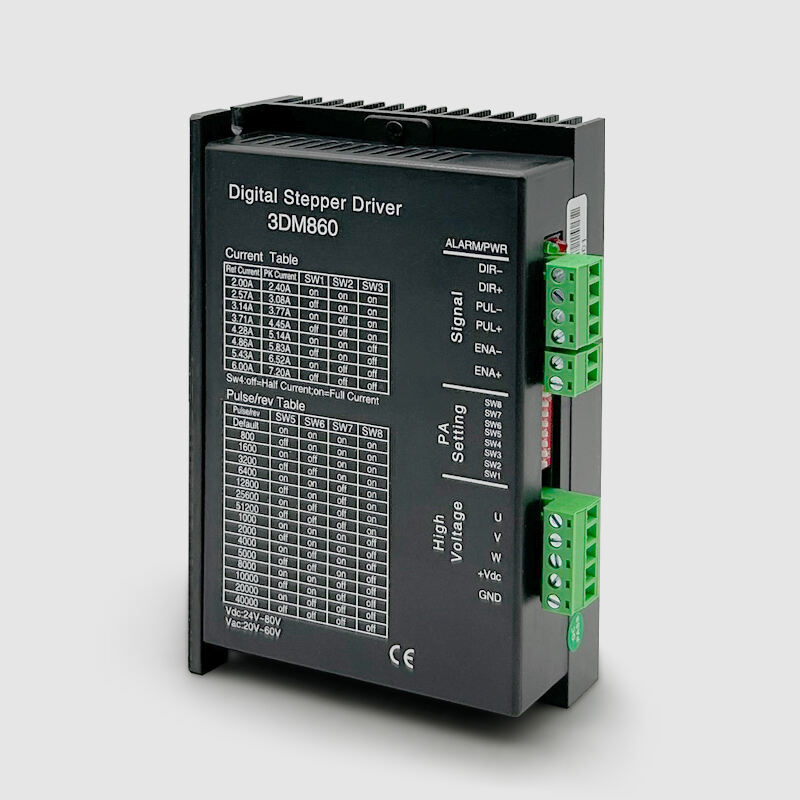
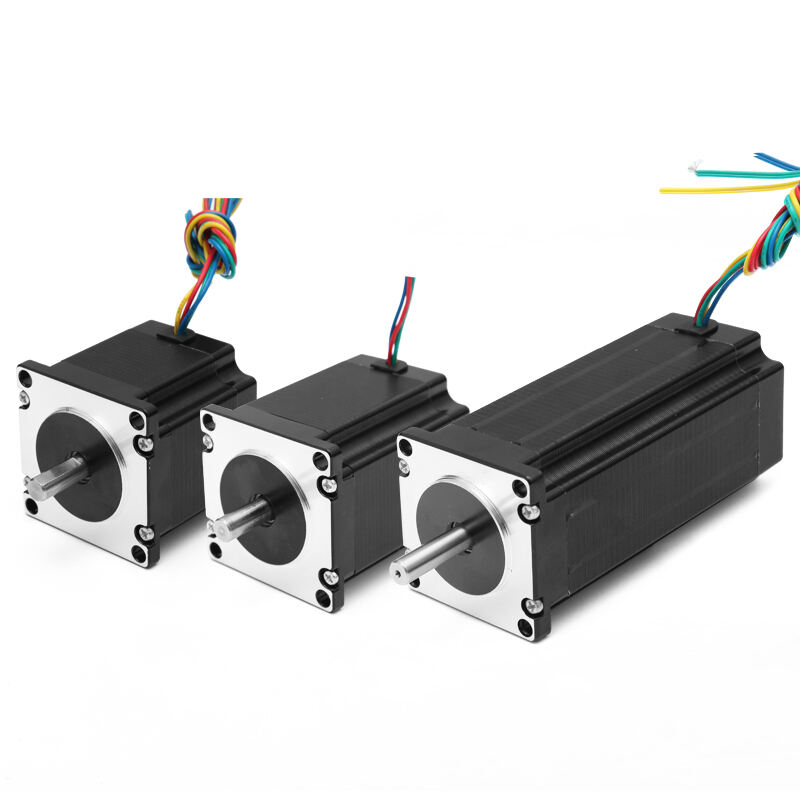
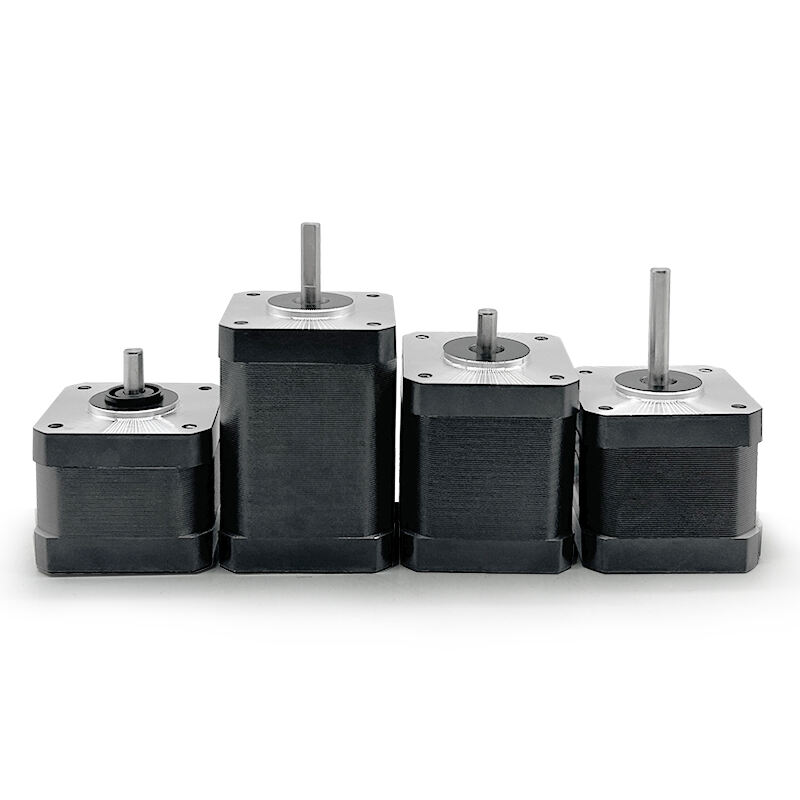
Understanding bad stepper motor symptoms is crucial for maintaining optimal performance in precision motion control systems. Stepper motors serve as fundamental components in countless applications, from 3D printers and CNC machines to robotic systems and automated manufacturing equipment. These motors operate by converting electrical pulses into precise mechanical movements, making them indispensable for applications requiring accurate positioning and repeatable motion control. When bad stepper motor symptoms emerge, they can significantly impact system reliability and operational efficiency. The primary functions of stepper motors include providing precise angular positioning, maintaining holding torque when stationary, and delivering consistent rotational movement in discrete steps. These motors utilize electromagnetic principles to achieve their remarkable precision, employing permanent magnets and electromagnets arranged in specific configurations. The technological features that make stepper motors valuable include their ability to operate without feedback systems, their inherent position accuracy, and their capability to maintain torque at zero speed. However, when bad stepper motor symptoms develop, these advantages can quickly transform into operational challenges. Common manifestations include irregular stepping patterns, excessive vibration, overheating, loss of torque, and complete failure to respond to control signals. These symptoms often indicate underlying issues such as worn bearings, damaged windings, improper driver settings, or mechanical binding. The applications where bad stepper motor symptoms prove most problematic span across industries including automotive manufacturing, medical device production, textile machinery, packaging systems, and laboratory automation equipment. Recognizing these symptoms early enables preventive maintenance strategies that can extend motor lifespan and prevent costly downtime. The impact of bad stepper motor symptoms extends beyond immediate operational concerns, affecting production schedules, product quality, and overall system reliability throughout various industrial processes.

New Product Releases

Identifying bad stepper motor symptoms early provides numerous practical advantages that directly benefit equipment operators and maintenance teams. Early detection prevents catastrophic failures that could result in expensive emergency repairs and extended downtime periods. When technicians recognize bad stepper motor symptoms promptly, they can schedule maintenance during planned downtime rather than experiencing unexpected production interruptions. This proactive approach significantly reduces overall maintenance costs while maximizing equipment availability. The ability to diagnose bad stepper motor symptoms accurately enables precise troubleshooting, allowing maintenance personnel to address specific issues rather than replacing entire motor assemblies unnecessarily. This targeted approach conserves valuable resources and minimizes inventory requirements for replacement components. Furthermore, understanding bad stepper motor symptoms helps optimize motor performance by identifying operating conditions that contribute to premature wear or failure. Operators can adjust control parameters, modify mechanical loads, or improve environmental conditions to extend motor lifespan substantially. The knowledge of bad stepper motor symptoms also enhances safety protocols within industrial environments. Motors exhibiting symptoms such as overheating or excessive vibration pose potential safety hazards that early recognition can mitigate effectively. Training programs focused on identifying bad stepper motor symptoms empower maintenance teams with practical skills that improve overall equipment effectiveness. These educational initiatives create knowledgeable personnel capable of implementing predictive maintenance strategies that prevent minor issues from escalating into major failures. Additionally, documenting patterns of bad stepper motor symptoms provides valuable data for improving system designs and selecting more appropriate motor specifications for specific applications. This information helps engineers make informed decisions about motor ratings, environmental protection requirements, and control system configurations. The economic benefits of recognizing bad stepper motor symptoms extend to reduced energy consumption, as failing motors often operate inefficiently before complete failure occurs. Proper symptom identification also supports warranty claims and vendor discussions, providing concrete evidence of motor performance issues that may require manufacturer intervention or replacement under warranty terms.

Tips And Tricks

Why set current limits before first use of any stepper motor driver?

26

Sep

Why set current limits before first use of any stepper motor driver?

Understanding Current Limitation in Stepper Motor Control Systems Stepper motor drivers play a crucial role in modern automation and precision control applications. Setting proper current limits before initial operation is not just a recommendation -...
View More
2025 Step Motor Guide: Types, Features & Applications

20

Oct

2025 Step Motor Guide: Types, Features & Applications

Understanding Modern Step Motor Technology Step motors have revolutionized precision motion control across numerous industries, from manufacturing to medical devices. These versatile devices convert electrical pulses into precise mechanical movements...
View More
2025 Guide: How to Choose the Right Servo Motor

27

Nov

2025 Guide: How to Choose the Right Servo Motor

The selection of the right servo motor stands as a critical decision in modern automation and machinery applications. As we move into 2025, the complexity and capabilities of these precision devices continue to evolve, making it essential for enginee...
View More
10 Benefits of Brushless DC Motors in Modern Industry

12

Dec

10 Benefits of Brushless DC Motors in Modern Industry

Industrial automation continues to evolve at an unprecedented pace, driving demand for more efficient and reliable motor technologies. Among the most significant advancements in this field is the widespread adoption of brushless dc motor systems, whi...
View More

Get a Free Quote

Our representative will contact you soon.
Email
Name
Company Name
WhatsApp
Mobile
Message
0/1000

bad stepper motor symptoms

Early Warning System Through Symptom Recognition

Early Warning System Through Symptom Recognition

Developing expertise in identifying bad stepper motor symptoms creates an invaluable early warning system that protects critical manufacturing processes from unexpected failures. This systematic approach to motor health monitoring transforms reactive maintenance practices into proactive strategies that deliver measurable improvements in operational reliability. When maintenance personnel understand the subtle indicators that precede complete motor failure, they gain the ability to intervene before catastrophic breakdowns occur. The progression of bad stepper motor symptoms typically follows predictable patterns, beginning with minor performance variations that gradually intensify over time. Initial symptoms might include slight increases in operating temperature, minor vibrations during acceleration phases, or occasional missed steps under normal load conditions. These early indicators provide valuable opportunities for corrective action before more severe problems develop. Advanced monitoring techniques can quantify these symptoms, establishing baseline performance metrics that help identify deviations from normal operating parameters. Temperature sensors, vibration analyzers, and current monitoring systems can detect bad stepper motor symptoms that might escape casual observation. The implementation of condition monitoring programs specifically designed to track bad stepper motor symptoms enables data-driven maintenance decisions that optimize resource allocation and minimize unplanned downtime. Training programs that focus on teaching personnel to recognize bad stepper motor symptoms through visual, auditory, and tactile inspection methods create a workforce capable of identifying potential issues during routine operations. These skills prove particularly valuable in environments where continuous operation is critical and unexpected failures could result in significant production losses. The economic impact of early symptom recognition extends beyond immediate maintenance savings, influencing long-term asset management strategies and capital planning decisions. Organizations that excel at identifying bad stepper motor symptoms often develop comprehensive databases that track failure modes, operating conditions, and maintenance interventions, creating valuable insights for future equipment purchases and system designs.
Preventive Maintenance Optimization Through Symptom Analysis

Preventive Maintenance Optimization Through Symptom Analysis

Analyzing bad stepper motor symptoms enables sophisticated preventive maintenance strategies that dramatically reduce total cost of ownership while maximizing equipment reliability and performance. This analytical approach transforms traditional time-based maintenance schedules into condition-based programs that respond to actual equipment needs rather than arbitrary calendar intervals. The systematic study of bad stepper motor symptoms reveals correlations between operating conditions, maintenance practices, and motor longevity that guide optimal maintenance timing and procedures. Environmental factors such as temperature extremes, humidity levels, contamination exposure, and mechanical stress patterns influence the development and progression of bad stepper motor symptoms in predictable ways. Understanding these relationships enables maintenance teams to adjust protocols based on specific operating environments and application requirements. Load profile analysis combined with symptom tracking provides insights into the relationship between motor utilization patterns and wear characteristics, helping optimize both operating procedures and maintenance intervals. The documentation of bad stepper motor symptoms over time creates valuable trending data that supports predictive maintenance algorithms and machine learning applications. These advanced analytical tools can identify subtle patterns in symptom development that human observation might miss, providing even earlier warning of potential failures. Integration of symptom monitoring with computerized maintenance management systems enables automated work order generation when specific symptom thresholds are exceeded, ensuring timely intervention without relying solely on human recognition and reporting. The financial benefits of symptom-based maintenance optimization include reduced spare parts inventory requirements, more efficient use of maintenance labor resources, and extended equipment service life. Organizations implementing comprehensive bad stepper motor symptoms analysis programs often report significant improvements in overall equipment effectiveness metrics, including increased availability, improved performance efficiency, and enhanced quality rates. The knowledge gained from systematic symptom analysis also supports vendor performance evaluations and equipment specification improvements for future purchases.
Cost-Effective Troubleshooting Through Symptom Differentiation

Cost-Effective Troubleshooting Through Symptom Differentiation

Mastering the differentiation of bad stepper motor symptoms enables highly effective troubleshooting approaches that minimize diagnostic time while maximizing repair success rates. This specialized knowledge allows maintenance professionals to quickly identify root causes and implement targeted solutions rather than resorting to expensive trial-and-error approaches or unnecessary component replacements. Different types of bad stepper motor symptoms indicate specific failure modes, mechanical problems, or electrical issues that require distinct diagnostic and repair strategies. For example, symptoms related to irregular stepping patterns often indicate driver circuit problems or incorrect control signal timing, while excessive heating symptoms typically point to winding resistance issues, improper current settings, or inadequate cooling. Vibration-related symptoms may suggest bearing wear, rotor imbalance, or mechanical misalignment, each requiring different corrective actions and replacement parts. The ability to accurately categorize bad stepper motor symptoms based on their characteristics and behavior patterns significantly reduces diagnostic complexity and repair time requirements. Experienced technicians who understand symptom differentiation can often identify probable causes within minutes of initial observation, compared to hours or days required for systematic component testing without this knowledge. This efficiency translates directly into reduced labor costs and minimized equipment downtime during repair activities. Advanced troubleshooting protocols that incorporate bad stepper motor symptoms analysis often include decision trees or flowcharts that guide technicians through logical diagnostic sequences based on observed symptoms. These structured approaches ensure consistent diagnostic quality regardless of individual technician experience levels while accelerating the learning process for newer personnel. The integration of symptom differentiation knowledge with modern diagnostic tools such as thermal imaging cameras, oscilloscopes, and spectrum analyzers enhances troubleshooting capabilities even further. These instruments can quantify and document bad stepper motor symptoms in ways that support more precise diagnoses and provide objective evidence for warranty claims or vendor technical support requests. The long-term value of symptom differentiation expertise extends to system design improvements and equipment selection processes, as understanding common symptom patterns helps identify applications where alternative motor technologies might provide better reliability or performance characteristics.
+86-13401517369
[email protected]

Get a Free Quote

Our representative will contact you soon.
Email
Name
Company Name
WhatsApp
Mobile
Message
0/1000

Copyright © 2026 Changzhou Jinsanshi Mechatronics Co., Ltd. All rights reserved.  -  Privacy policy