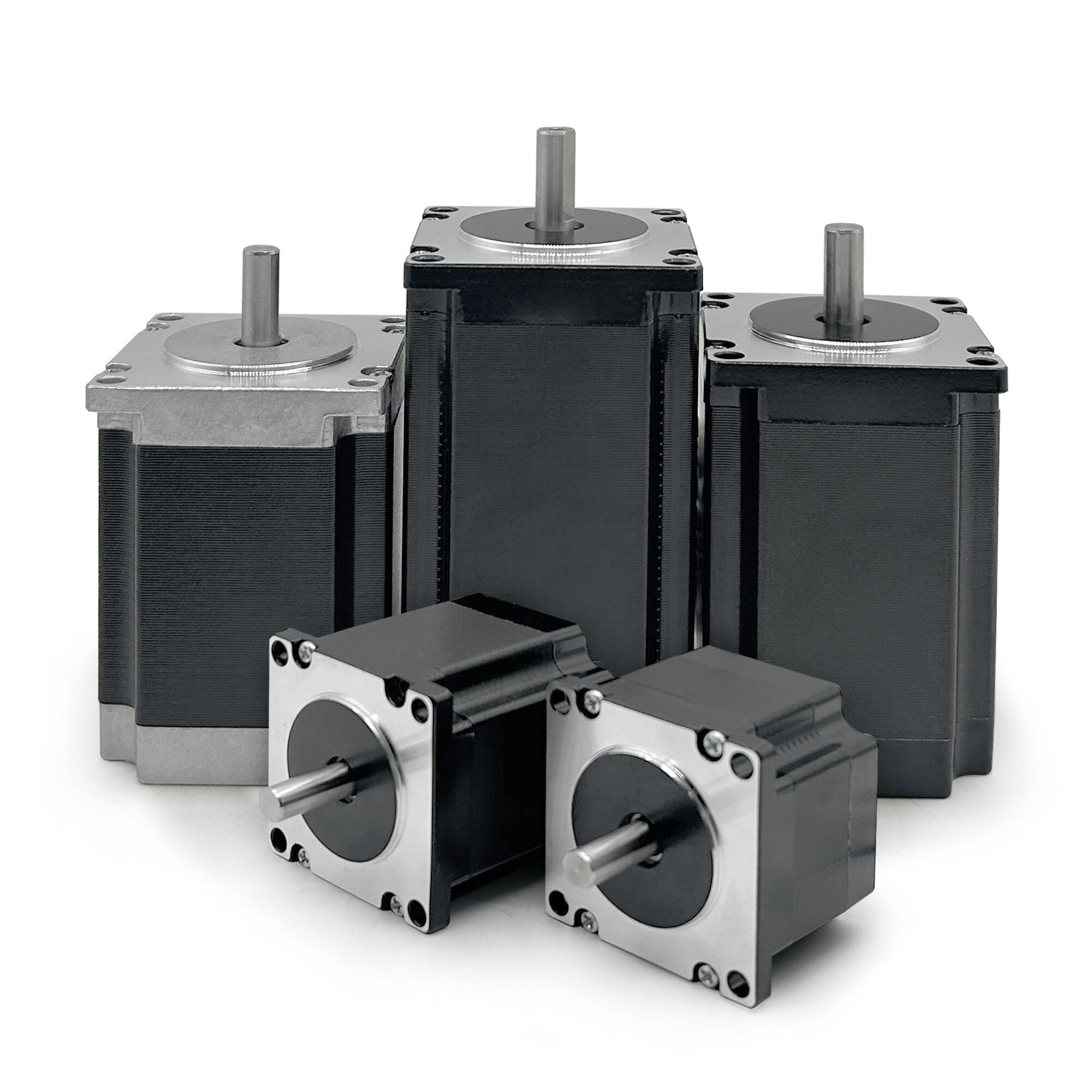
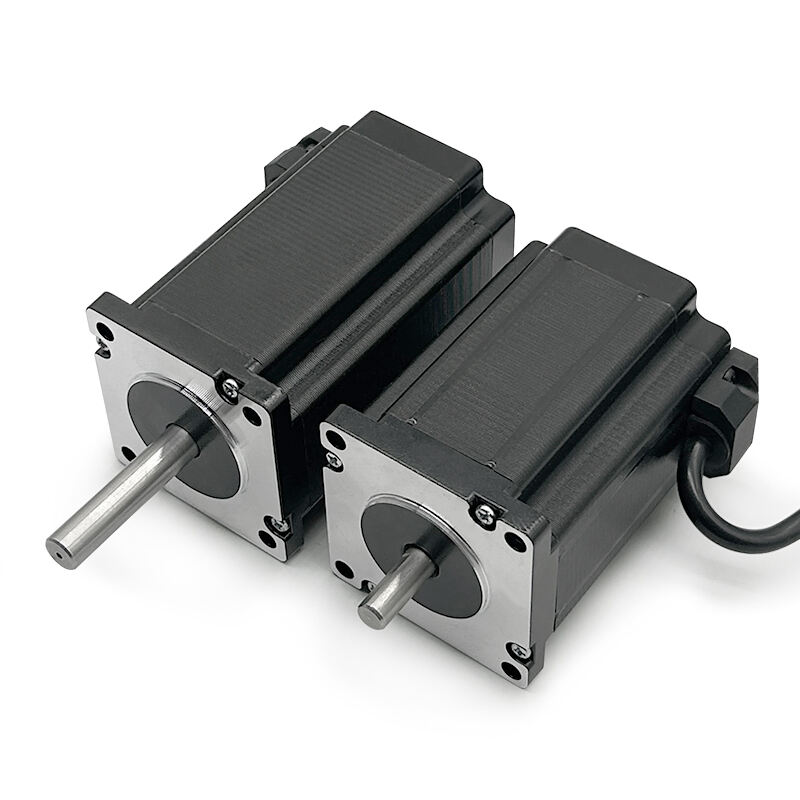
Unmatched Precision and Repeatability for Critical Applications
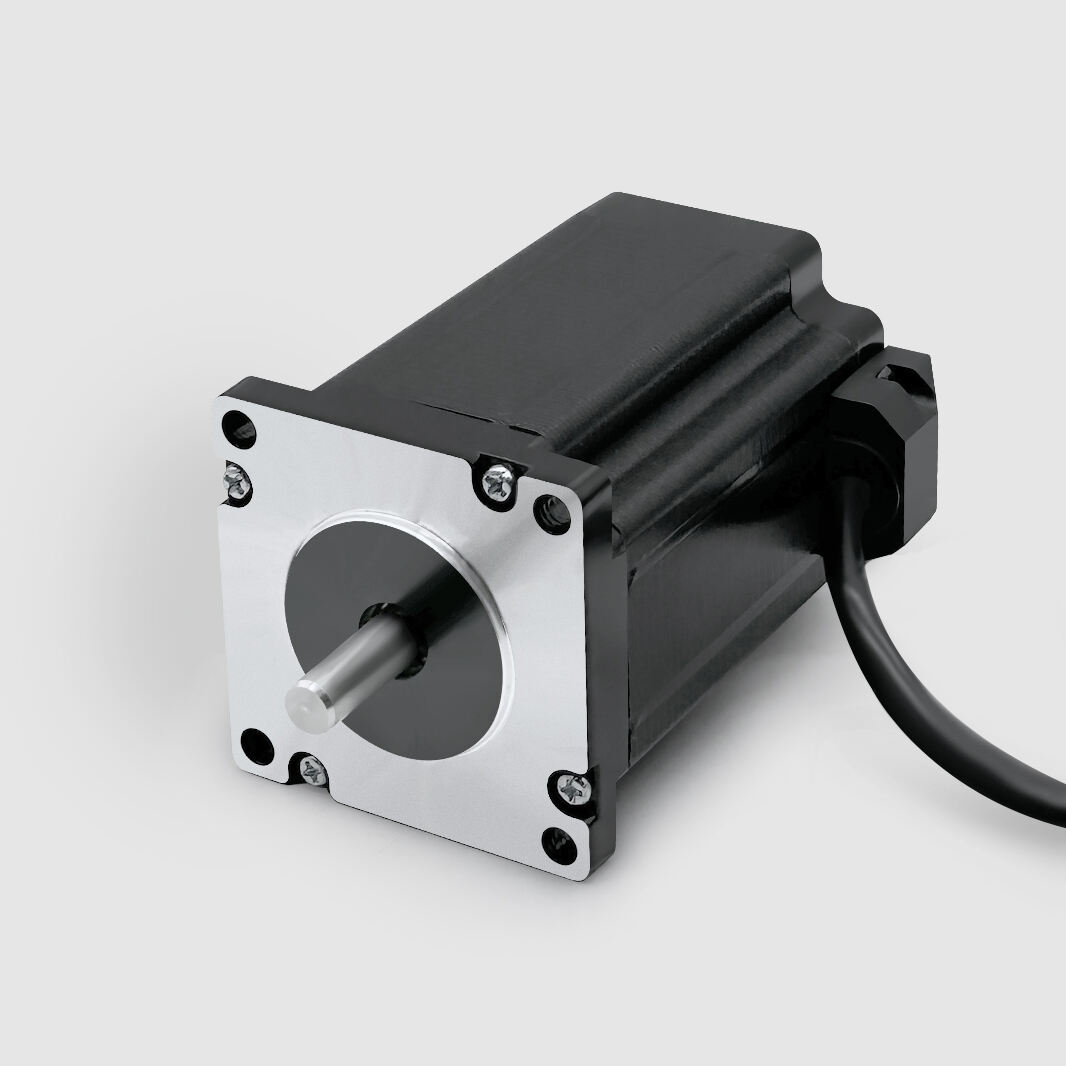
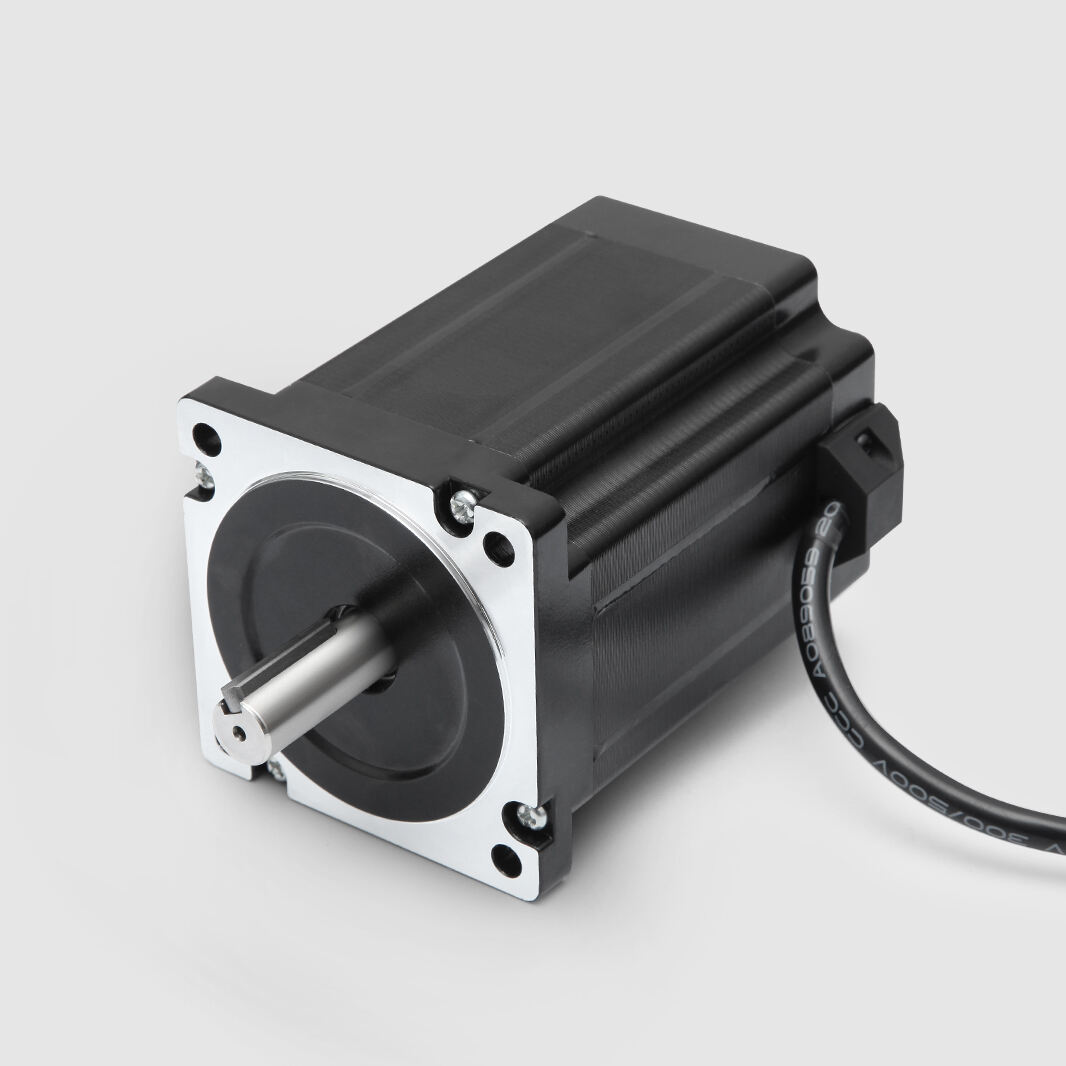
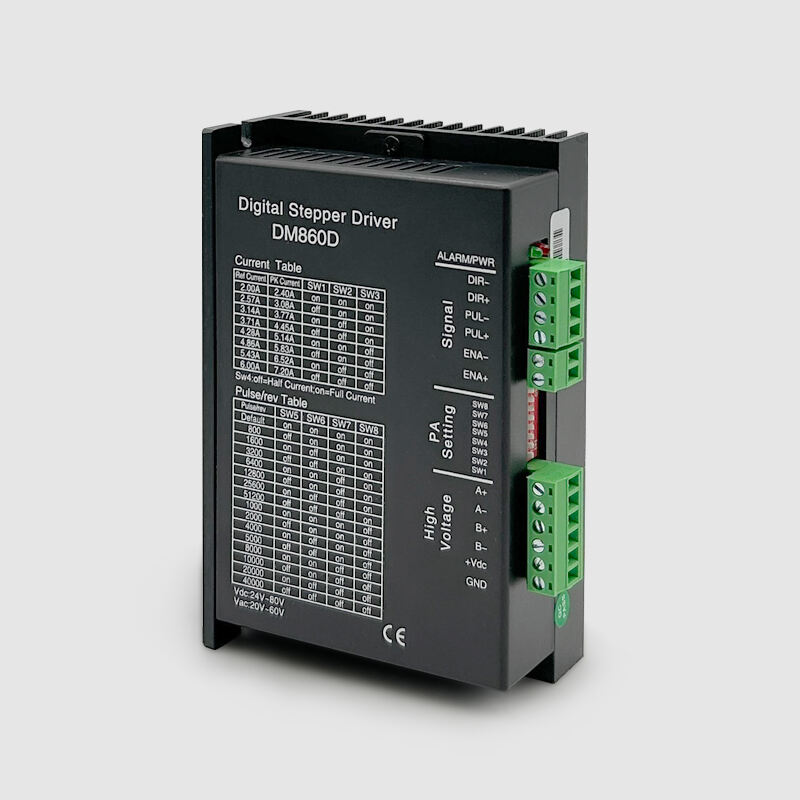
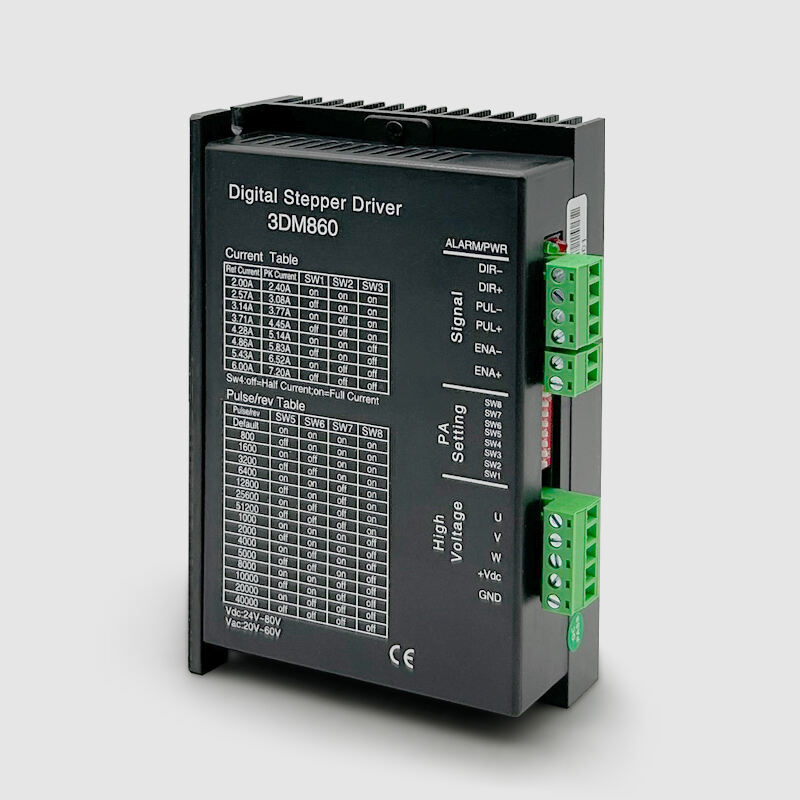
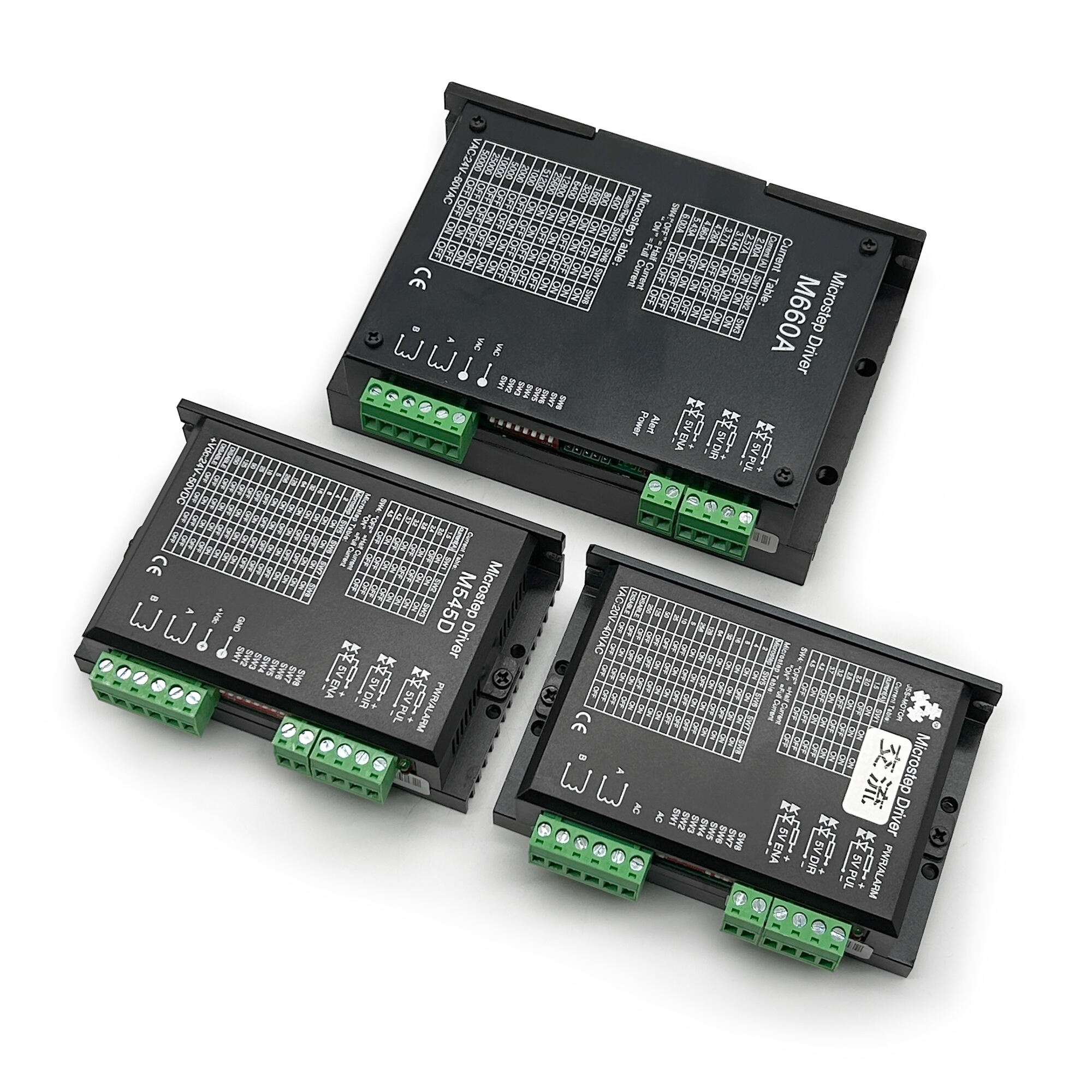
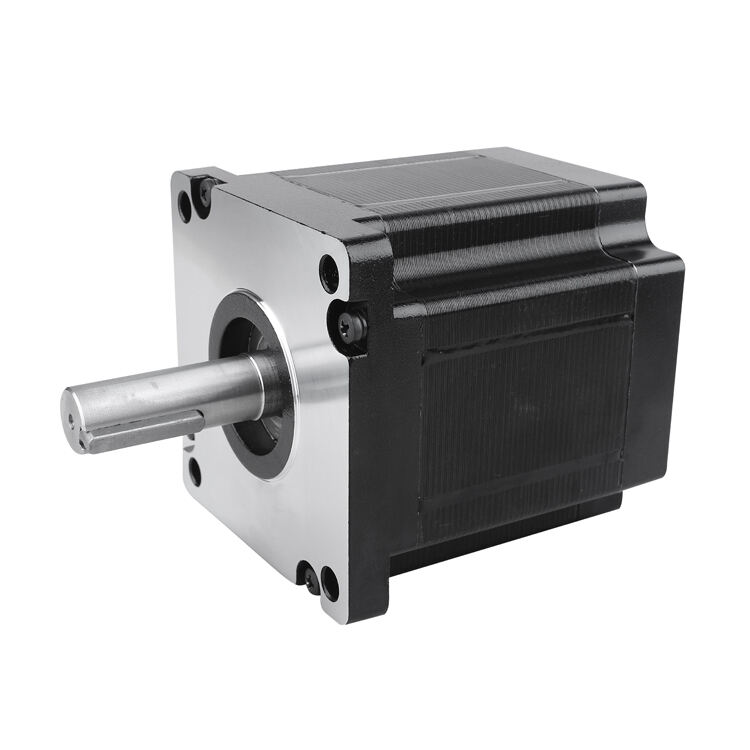
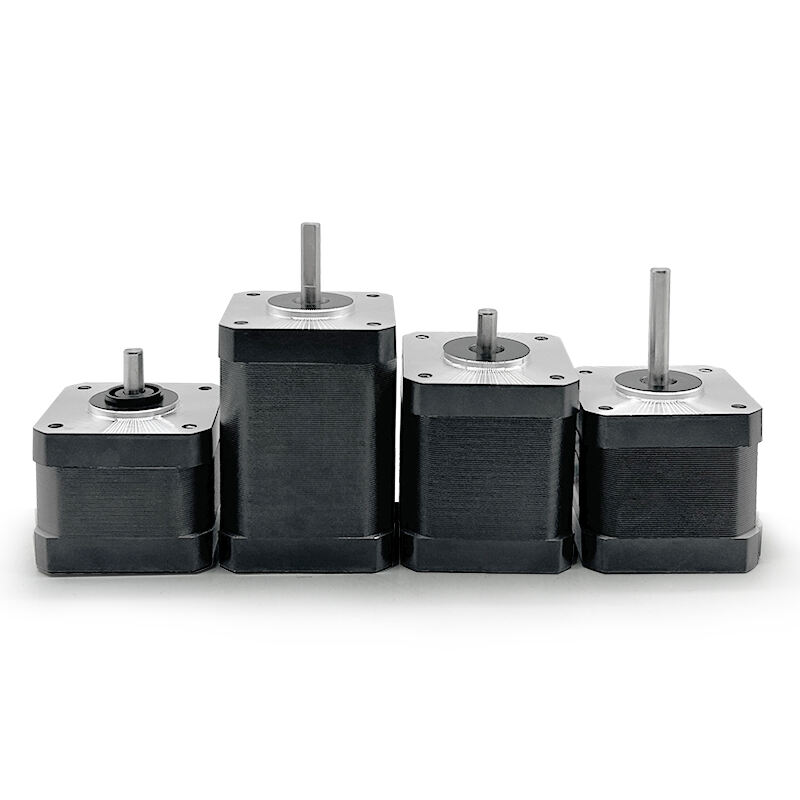
The hybrid stepper motor's most distinguishing characteristic is its exceptional precision and repeatability, setting it apart from conventional motor technologies in demanding positioning applications. This remarkable precision stems from the motor's fundamental operating principle, where each electrical pulse corresponds to a precise angular movement, typically 1.8 degrees per step for standard configurations. This inherent digital nature ensures that positioning errors do not accumulate over time, unlike analog servo systems that may suffer from drift or calibration issues. The precision advantage becomes particularly evident in applications requiring micron-level accuracy, such as semiconductor manufacturing equipment, precision optical systems, and high-resolution 3D printing. The hybrid stepper motor achieves this precision through its sophisticated magnetic circuit design, featuring permanent magnets in the rotor and precisely wound stator coils that create uniform magnetic fields. The multi-stack rotor construction with axially magnetized permanent magnets generates numerous pole pairs, effectively multiplying the basic step count and enabling finer resolution. Advanced hybrid stepper motors can achieve resolutions of 50,000 steps per revolution or higher when combined with microstepping drive technology. This precision capability translates directly into improved product quality for manufacturers, reduced waste in production processes, and enhanced performance in end-user applications. The repeatability aspect is equally crucial, as the hybrid stepper motor can return to the same position with extraordinary consistency, typically within 3-5 percent of a step angle. This repeatability remains stable over millions of operational cycles, ensuring long-term reliability in critical applications. Manufacturing processes benefit significantly from this precision, as it enables tighter tolerances, reduced quality control requirements, and improved yield rates. In medical applications, this precision can mean the difference between successful and failed procedures, particularly in surgical robotics and diagnostic equipment where patient safety depends on accurate positioning. The economic value of this precision extends beyond immediate performance benefits, as it reduces the need for expensive calibration procedures, minimizes downtime for adjustments, and eliminates costly positioning errors that could result in product defects or equipment damage.