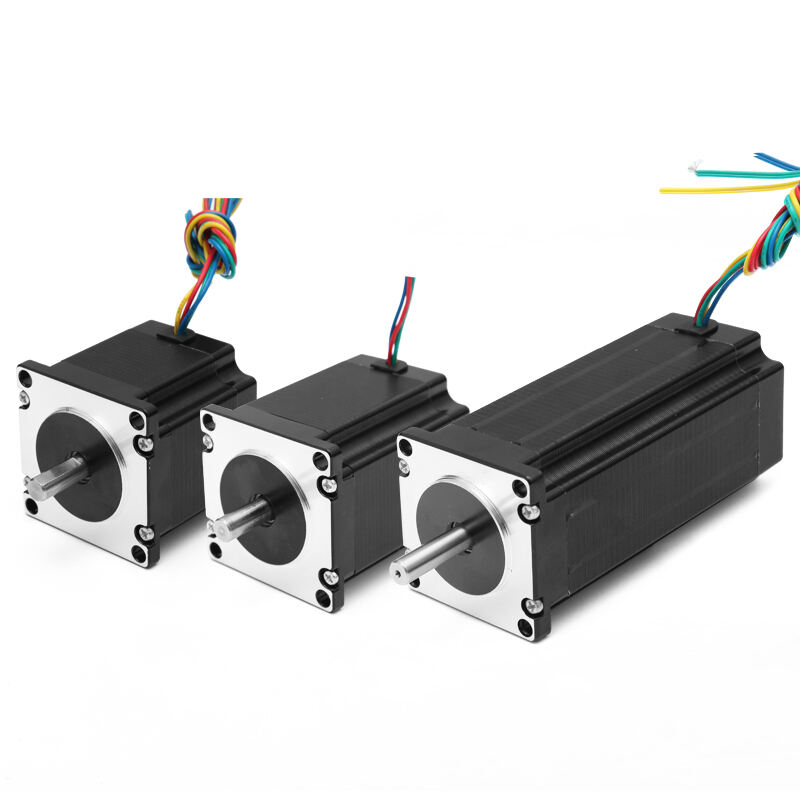
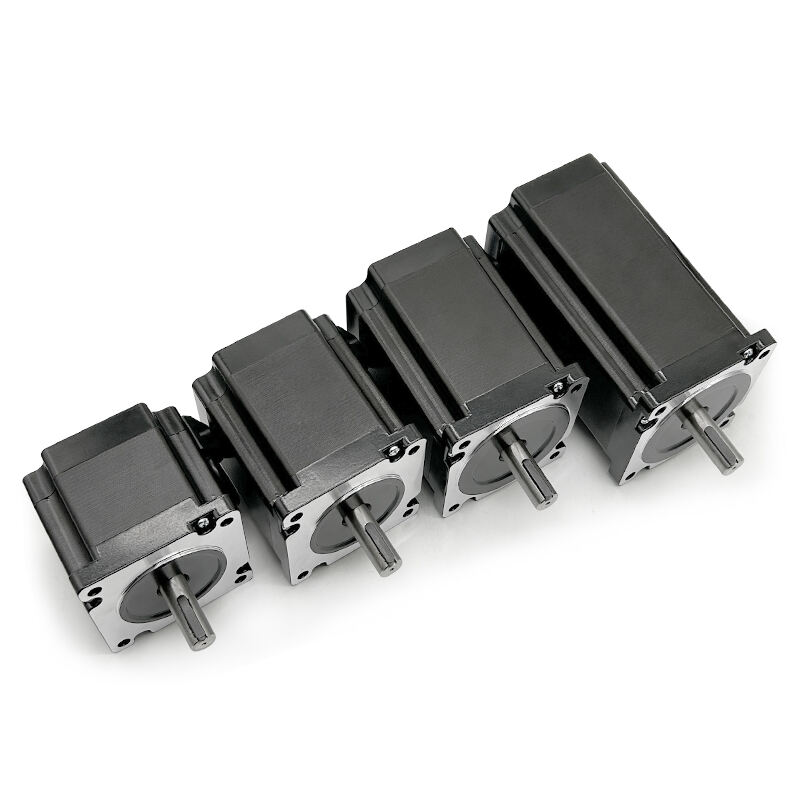
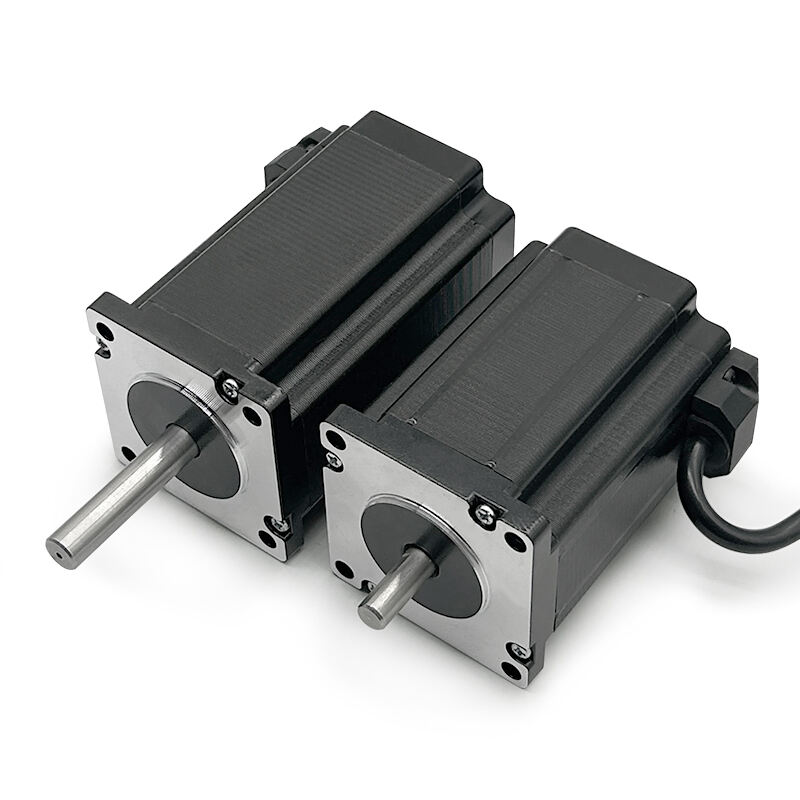
Step Motor Solutions - Precision Positioning Technology for Industrial Automation

Get a Free Quote

Our representative will contact you soon.
Email
Name
Company Name
WhatsApp
Mobile
Message
0/1000

step motor

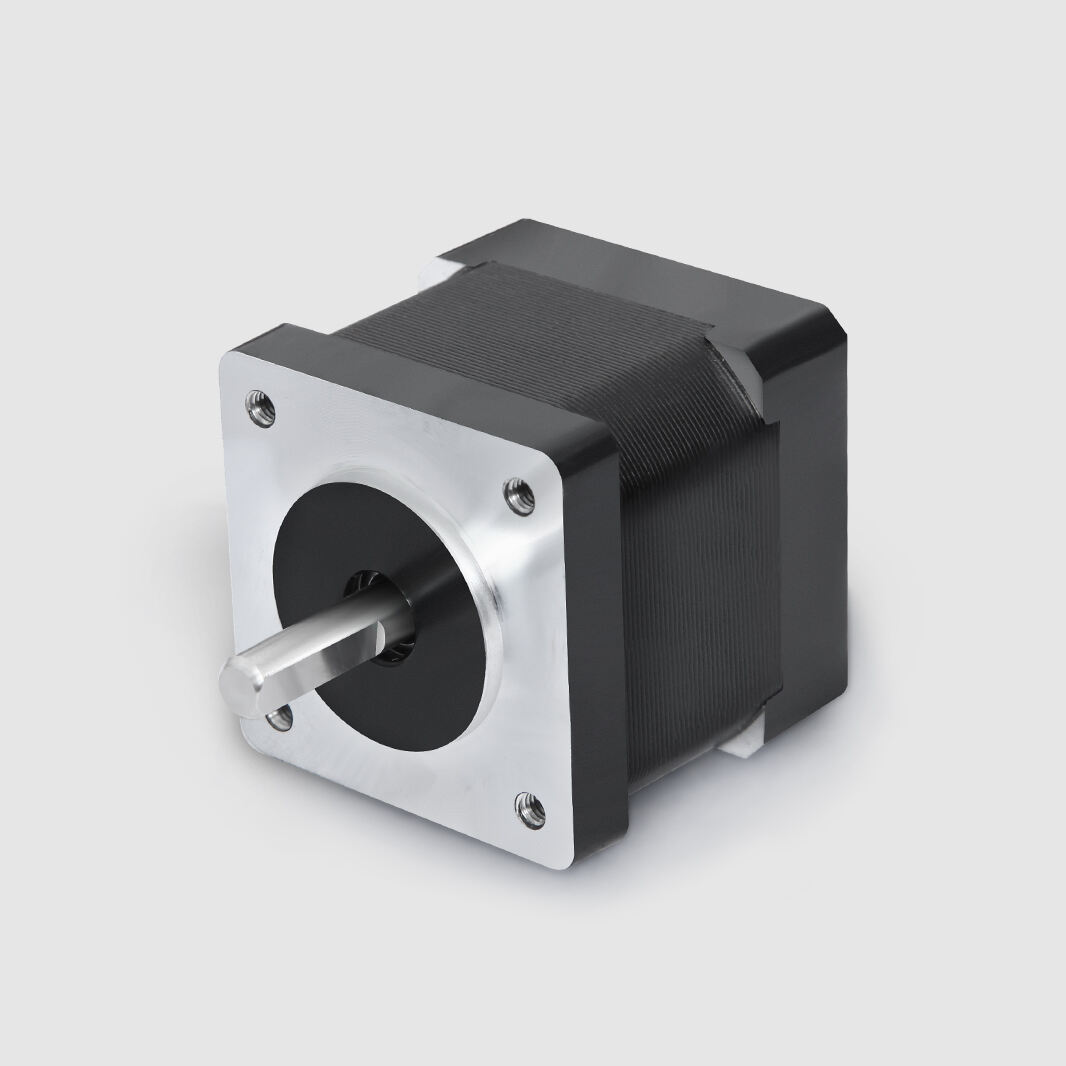
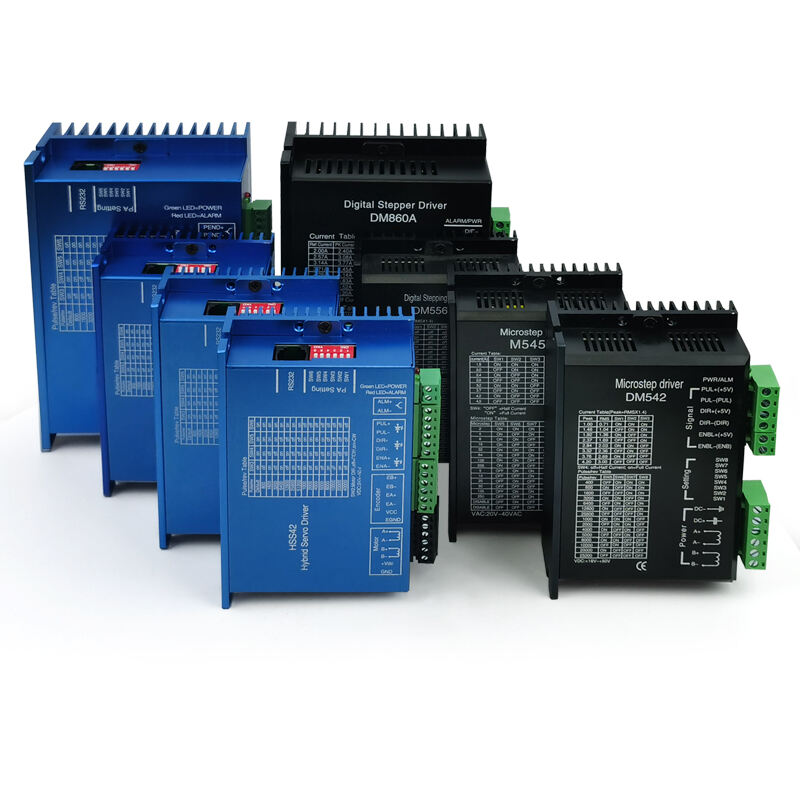
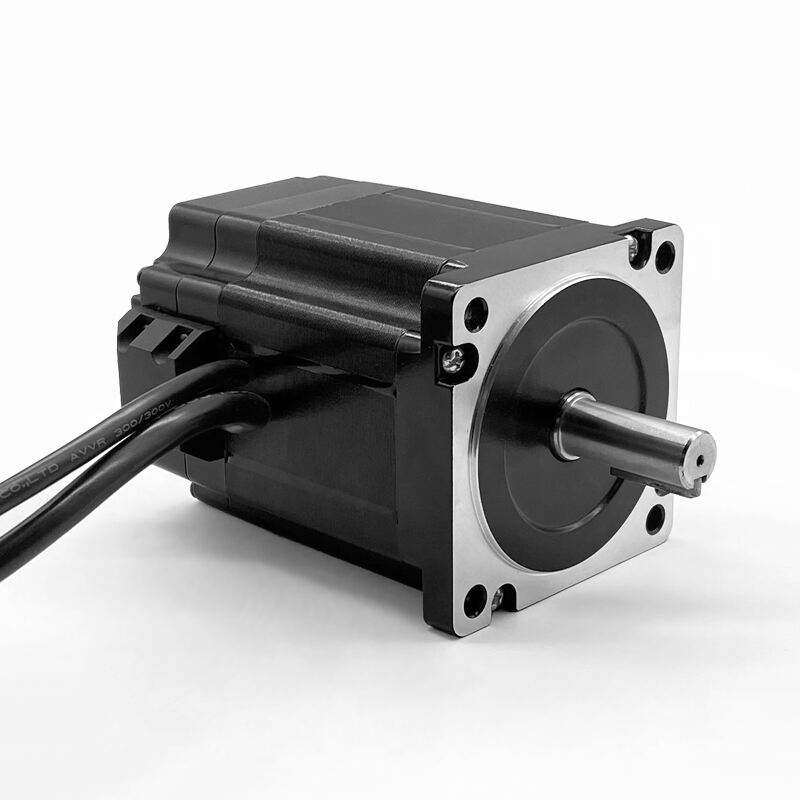
A step motor, also known as a stepper motor, represents a crucial component in modern automation and precision control systems. This specialized electric motor converts digital pulses into mechanical rotation through discrete angular movements, making it fundamentally different from traditional continuous-rotation motors. The step motor operates by dividing a complete rotation into numerous equal steps, typically ranging from 200 to 400 steps per revolution, enabling extraordinary positioning accuracy and repeatability. The technological foundation of a step motor relies on electromagnetic principles, where controlled electrical pulses energize specific coil windings in a predetermined sequence. This sequential activation creates a rotating magnetic field that forces the rotor to move in precise incremental steps. Unlike conventional motors that require complex feedback systems for position control, the step motor inherently provides open-loop positioning capability, eliminating the need for expensive encoders or sensors in many applications. Modern step motor designs incorporate advanced magnetic materials and optimized winding configurations to maximize torque output while minimizing power consumption. The motor's construction typically features a permanent magnet or variable reluctance rotor surrounded by multiple stator windings, each precisely positioned to create the desired stepping action. This configuration enables the step motor to maintain its position when powered, providing excellent holding torque characteristics. The step motor finds extensive applications across diverse industries, including 3D printing systems, CNC machinery, automated manufacturing equipment, medical devices, robotics, and laboratory instruments. In 3D printing applications, the step motor ensures precise filament feeding and accurate positioning of print heads, directly impacting print quality and dimensional accuracy. CNC machines utilize step motors for controlling table movements and spindle positioning, enabling complex machining operations with exceptional precision. The medical industry relies on step motors for critical applications such as infusion pumps, surgical robots, and diagnostic equipment, where precise control and reliability are paramount. The step motor's ability to operate without feedback systems makes it particularly valuable in cost-sensitive applications while still delivering the precision required for demanding industrial processes.

New Products

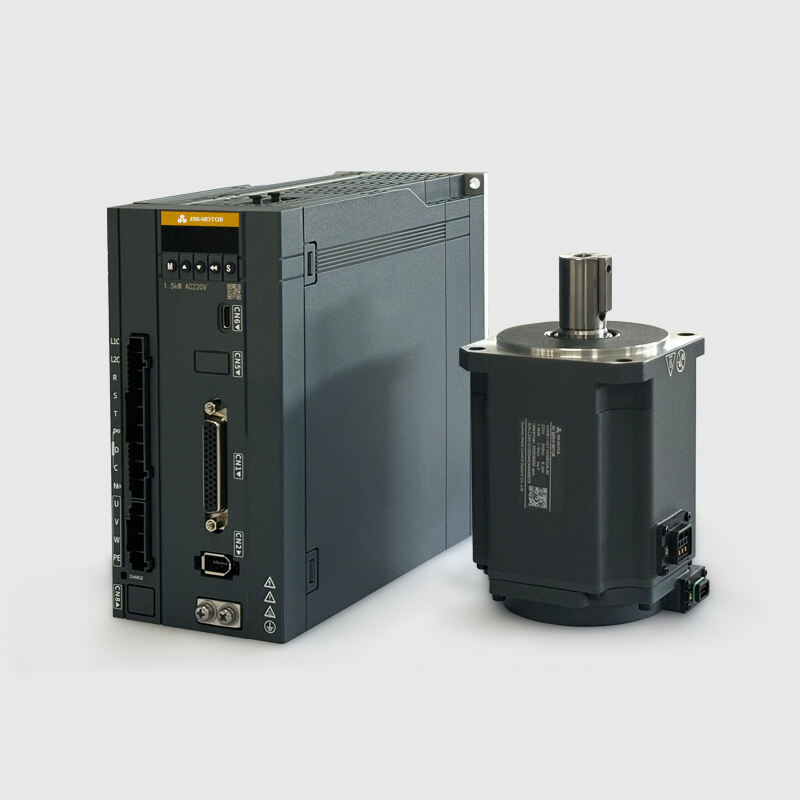
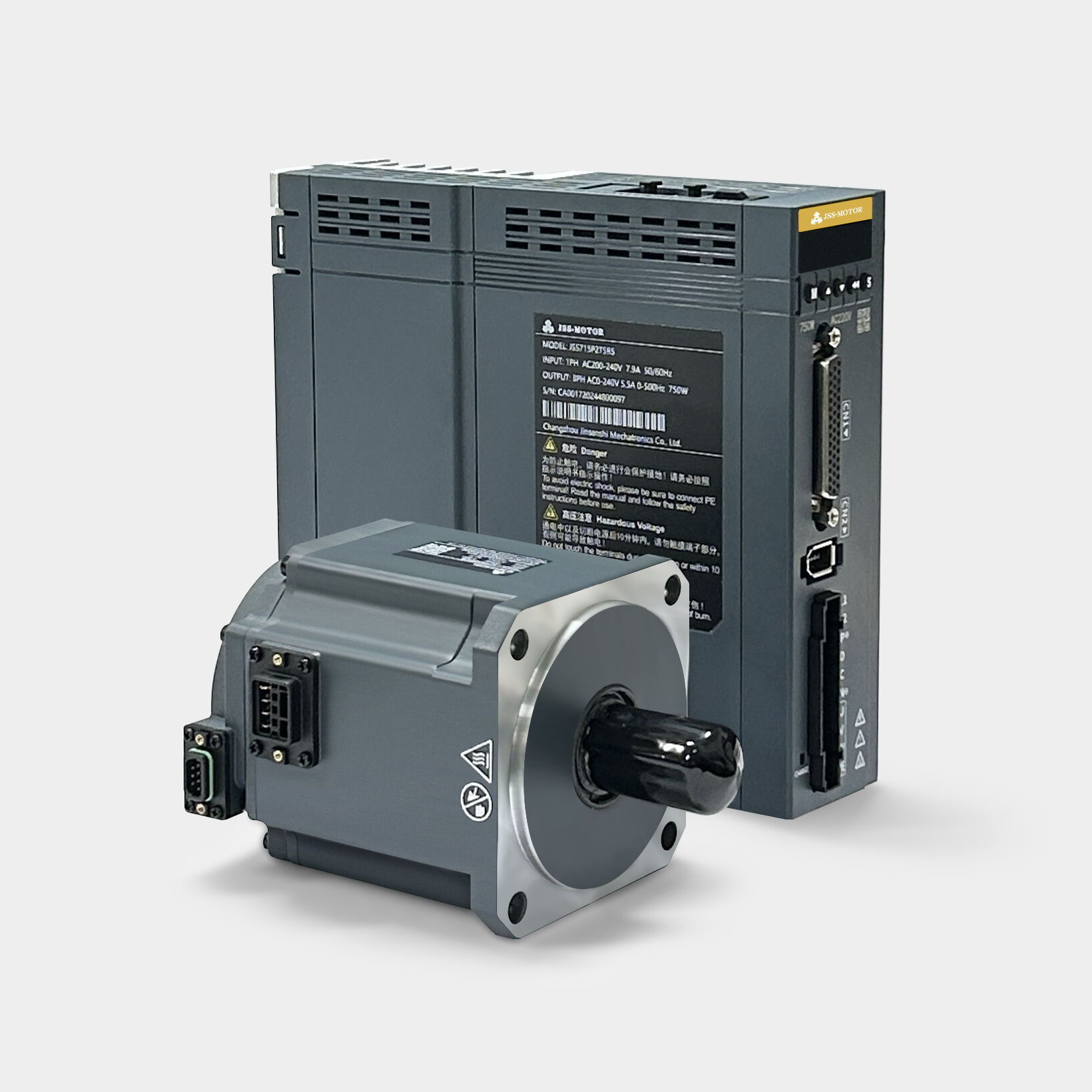
The step motor delivers exceptional positioning accuracy that surpasses many traditional motor technologies, making it the preferred choice for applications requiring precise control. Users benefit from the motor's inherent ability to move in exact incremental steps without requiring expensive feedback systems, significantly reducing overall system costs while maintaining high performance standards. The open-loop control capability eliminates the complexity associated with closed-loop systems, simplifying installation procedures and reducing maintenance requirements for end users. This characteristic proves particularly valuable in applications where space constraints limit the installation of additional sensors or encoders. The step motor provides excellent holding torque when stationary, ensuring that positioned loads remain stable without continuous power consumption. This feature offers significant advantages in applications where maintaining position during power interruptions or between movements is critical for operational success. Unlike servo motors that consume power continuously to maintain position, the step motor only requires power during movement phases, resulting in improved energy efficiency and reduced operating costs. The motor's digital interface compatibility makes integration with modern control systems straightforward and cost-effective. Engineers can easily interface step motors with programmable logic controllers, microcontrollers, and computer-based control systems using standard digital signals, eliminating the need for complex analog interfaces or specialized drivers. The step motor operates quietly compared to many alternative technologies, making it suitable for applications in noise-sensitive environments such as medical facilities, laboratories, and office automation equipment. This quiet operation stems from the motor's smooth stepping action and absence of brushes or commutators that typically generate noise in conventional motors. The reliability of step motor technology has been proven through decades of industrial use, with many motors operating continuously for years without requiring significant maintenance or replacement. The absence of brushes eliminates a common wear component, extending operational life and reducing maintenance intervals. The step motor offers excellent speed control characteristics across a wide range of operating conditions, enabling precise velocity regulation for applications requiring specific speed profiles. Users can easily program acceleration and deceleration ramps to optimize performance for specific load conditions while minimizing mechanical stress on system components. The motor's high torque-to-inertia ratio provides excellent dynamic response characteristics, enabling rapid acceleration and deceleration cycles essential for high-speed automation applications. This capability directly translates to improved productivity and reduced cycle times in manufacturing environments. The step motor technology accommodates various voltage and current ratings, allowing engineers to select optimal configurations for specific application requirements while maintaining consistent performance characteristics across different operating conditions.

Practical Tips

Why set current limits before first use of any stepper motor driver?

26

Sep

Why set current limits before first use of any stepper motor driver?

Understanding Current Limitation in Stepper Motor Control Systems Stepper motor drivers play a crucial role in modern automation and precision control applications. Setting proper current limits before initial operation is not just a recommendation -...
View More
AC Servo Motor Selection: Key Factors for Optimal Performance

20

Oct

AC Servo Motor Selection: Key Factors for Optimal Performance

Understanding the Fundamentals of Modern Motion Control Systems In the evolving landscape of industrial automation, ac servo motors have emerged as the cornerstone of precise motion control. These sophisticated devices combine advanced electromagneti...
View More
AC Servo Motor vs. Stepper Motor: Which to Choose?

20

Oct

AC Servo Motor vs. Stepper Motor: Which to Choose?

Understanding Motion Control System Fundamentals In the world of precision motion control and automation, choosing the right motor technology can make or break your application's success. The debate between ac servo motors and stepper motors continue...
View More
10 Benefits of Brushless DC Motors in Modern Industry

12

Dec

10 Benefits of Brushless DC Motors in Modern Industry

Industrial automation continues to evolve at an unprecedented pace, driving demand for more efficient and reliable motor technologies. Among the most significant advancements in this field is the widespread adoption of brushless dc motor systems, whi...
View More

Get a Free Quote

Our representative will contact you soon.
Email
Name
Company Name
WhatsApp
Mobile
Message
0/1000

step motor

Precision Positioning Without Feedback Systems

Precision Positioning Without Feedback Systems

The step motor revolutionizes precision control by eliminating the need for complex and expensive feedback systems while delivering exceptional positioning accuracy that meets the most demanding industrial requirements. This remarkable capability stems from the motor's fundamental design principle of converting digital pulses directly into precise mechanical movements, creating a one-to-one correlation between input signals and output position. Traditional servo systems require encoders, resolvers, or other feedback devices to monitor position and provide closed-loop control, significantly increasing system complexity, cost, and potential failure points. The step motor's open-loop operation eliminates these components entirely while maintaining positioning accuracy typically within 3-5% of step angle, which translates to approximately 0.18 to 0.9 degrees for a standard 200-step motor. This inherent accuracy makes the step motor ideal for applications where precise positioning is critical but budget constraints limit the use of expensive feedback systems. Manufacturing engineers particularly value this characteristic in automated assembly lines, where multiple step motors can provide coordinated motion control without the complexity of interconnected feedback networks. The absence of feedback systems also simplifies programming and commissioning procedures, as operators need only specify the desired number of steps rather than managing complex position loops and tuning parameters. This simplification reduces installation time and minimizes the technical expertise required for system setup and maintenance. The step motor's deterministic positioning capability ensures repeatability that remains consistent over extended operating periods, providing manufacturers with the reliability needed for high-volume production environments. Quality control processes benefit significantly from this repeatability, as dimensional variations caused by positioning errors are virtually eliminated when proper step motor sizing and drive parameters are employed. Additionally, the step motor's ability to maintain position accuracy without drift makes it particularly valuable in applications where long-term stability is essential, such as telescope positioning systems, laboratory automation equipment, and precision measurement instruments. The economic advantages of eliminating feedback systems extend beyond initial hardware savings, encompassing reduced wiring complexity, simplified control panels, and decreased ongoing maintenance requirements that collectively contribute to lower total cost of ownership throughout the motor's operational lifetime.
Superior Holding Torque and Energy Efficiency

Superior Holding Torque and Energy Efficiency

The step motor delivers exceptional holding torque characteristics that provide unmatched load stability while simultaneously offering superior energy efficiency compared to alternative motor technologies in positioning applications. When powered but not moving, the step motor generates substantial holding torque that can maintain position against external forces without requiring the continuous high-current operation typical of servo motors. This holding torque typically ranges from 50% to 100% of the motor's rated running torque, depending on the specific motor design and drive configuration, providing robust position maintenance that resists disturbances and external loads. Manufacturing applications particularly benefit from this characteristic, as workpieces and tooling remain precisely positioned during machining operations, assembly processes, and material handling tasks without additional mechanical clamping systems. The energy efficiency advantages become especially pronounced in applications with frequent start-stop cycles or extended hold periods, where traditional motors would consume significant power maintaining position through continuous energization. The step motor's ability to reduce current during holding periods while maintaining torque represents a significant advancement in motor technology, enabling substantial energy savings in applications such as automated manufacturing systems that spend considerable time in stationary positions between movements. Advanced step motor drives incorporate current reduction algorithms that automatically decrease holding current to optimize energy consumption while maintaining adequate holding torque for specific load requirements. This intelligent current management extends motor life by reducing heat generation and power consumption without compromising positioning integrity. Industrial automation systems benefit tremendously from these characteristics, as multiple step motors throughout a facility can collectively reduce energy consumption while providing superior performance compared to alternative technologies. The environmental benefits of reduced energy consumption align with modern sustainability initiatives, helping manufacturers reduce their carbon footprint while improving operational efficiency. Additionally, the reduced heat generation associated with efficient holding torque operation minimizes cooling requirements and extends component life throughout the automation system. The step motor's ability to maintain position during power interruptions, when equipped with battery backup systems, provides an additional layer of operational security that proves invaluable in critical applications where position loss would result in significant costs or safety concerns. This characteristic makes step motors particularly suitable for applications in medical devices, aerospace systems, and precision manufacturing equipment where maintaining exact positioning is essential for proper operation and safety compliance.
Versatile Integration and Digital Control Compatibility

Versatile Integration and Digital Control Compatibility

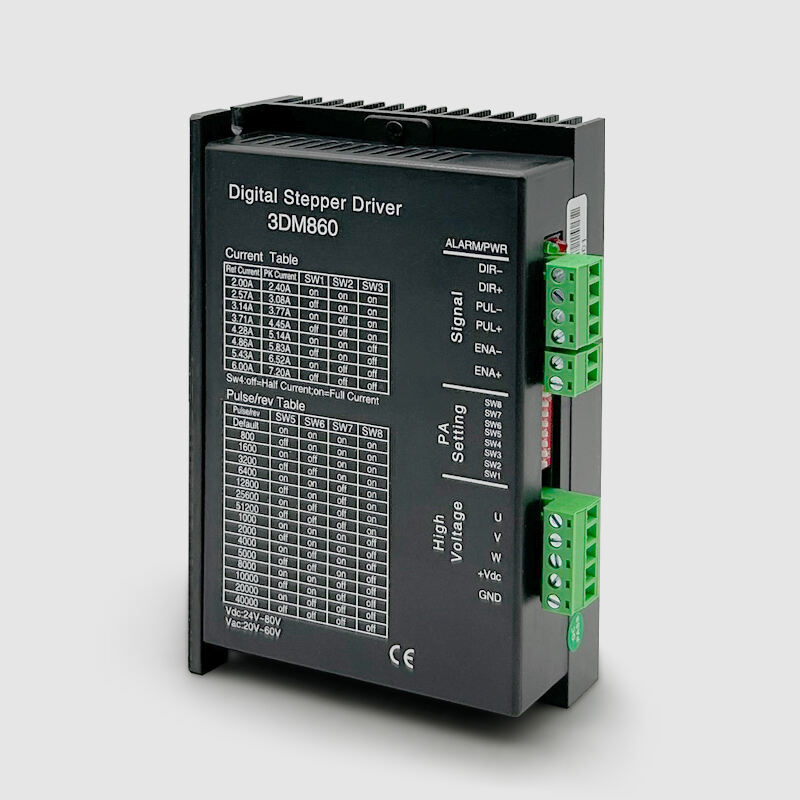
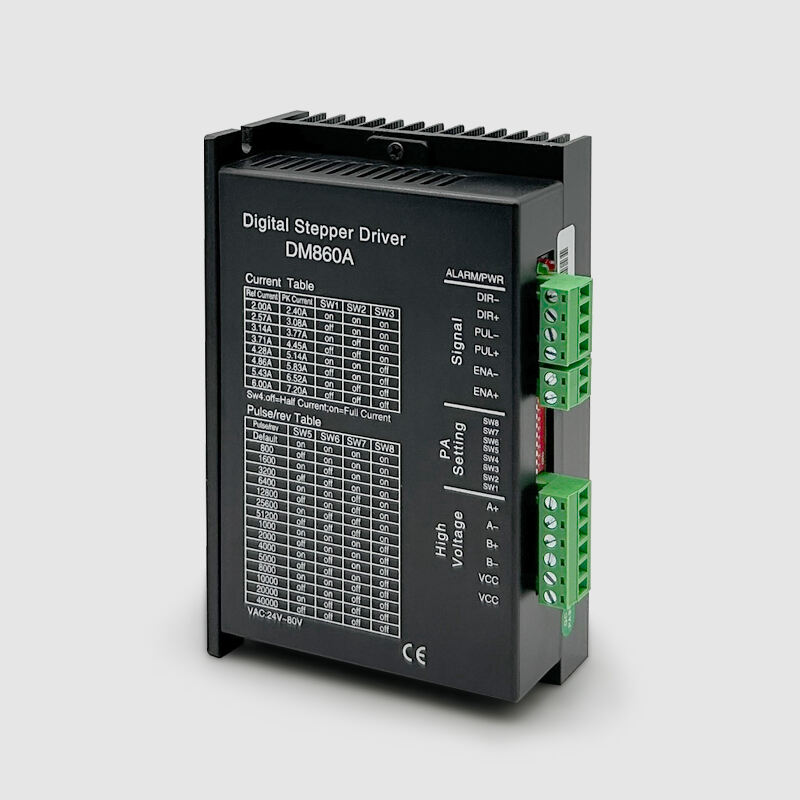
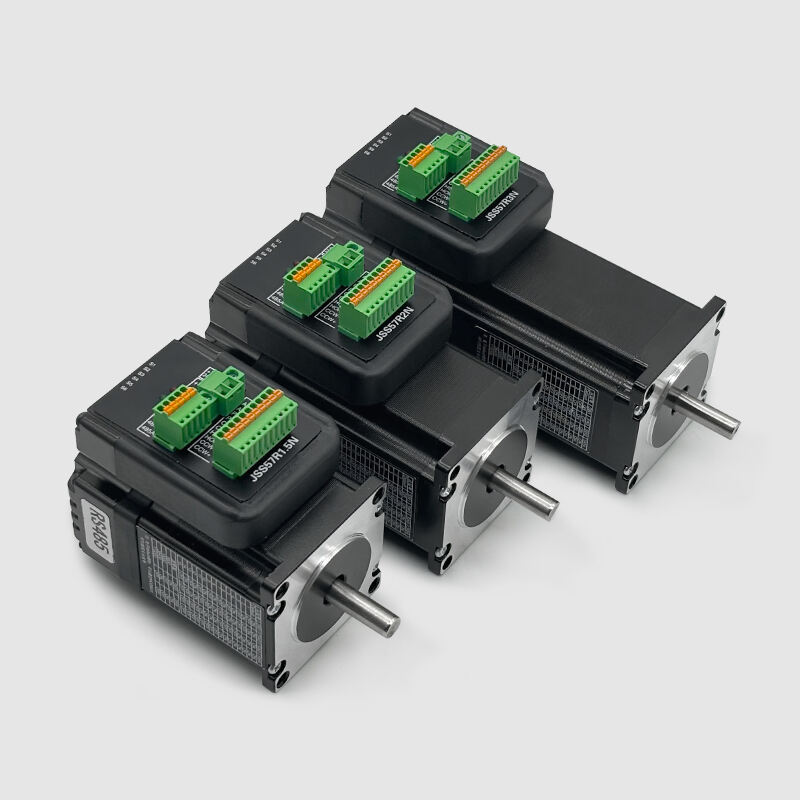
The step motor excels in modern automation environments through its exceptional compatibility with digital control systems and versatile integration capabilities that streamline implementation across diverse industrial applications. Unlike analog motor systems that require complex interface circuitry and signal conditioning, the step motor operates directly from digital pulse trains that modern controllers generate effortlessly, creating seamless integration with programmable logic controllers, industrial computers, and embedded control systems. This digital compatibility eliminates the need for digital-to-analog converters, signal amplifiers, and other interface components that typically complicate motor control installations. Engineering teams appreciate the straightforward connection requirements, as step motors typically need only power connections and digital step/direction signals to achieve full operational capability. The standardized digital interface protocols used by step motor drives ensure compatibility across different manufacturers and control platforms, providing flexibility in system design and component selection that reduces procurement complexity and long-term maintenance concerns. Modern step motor drives incorporate advanced communication protocols including Ethernet, CANbus, and RS-485, enabling integration with sophisticated factory automation networks and remote monitoring systems. This connectivity allows operators to monitor motor performance, adjust operating parameters, and implement predictive maintenance strategies that maximize equipment uptime and operational efficiency. The step motor's ability to operate across wide voltage and current ranges accommodates various industrial power standards, from low-voltage embedded applications to high-power industrial systems, without requiring custom power supplies or specialized electrical infrastructure. Control software developers benefit from the step motor's deterministic response characteristics, as motion profiles can be precisely calculated and executed without the complex tuning procedures required for servo systems. This predictability enables rapid prototyping and system commissioning, reducing development time and engineering costs associated with automation projects. The modular nature of step motor systems allows engineers to scale applications from simple single-axis positioning to complex multi-axis coordinated motion systems by adding additional motors and drives without fundamental changes to control architecture. Industrial robotics applications particularly benefit from this scalability, as step motors can handle tasks ranging from simple pick-and-place operations to complex multi-degree-of-freedom manipulator systems. The step motor's compatibility with standard mechanical interfaces, including various shaft configurations, mounting options, and coupling systems, simplifies mechanical integration and reduces custom machining requirements. This mechanical versatility, combined with digital control compatibility, makes the step motor an ideal choice for retrofitting existing equipment with modern automation capabilities while minimizing system disruption and conversion costs.
+86-13401517369
[email protected]

Get a Free Quote

Our representative will contact you soon.
Email
Name
Company Name
WhatsApp
Mobile
Message
0/1000

Copyright © 2026 Changzhou Jinsanshi Mechatronics Co., Ltd. All rights reserved.  -  Privacy policy