stepper motor failure symptoms
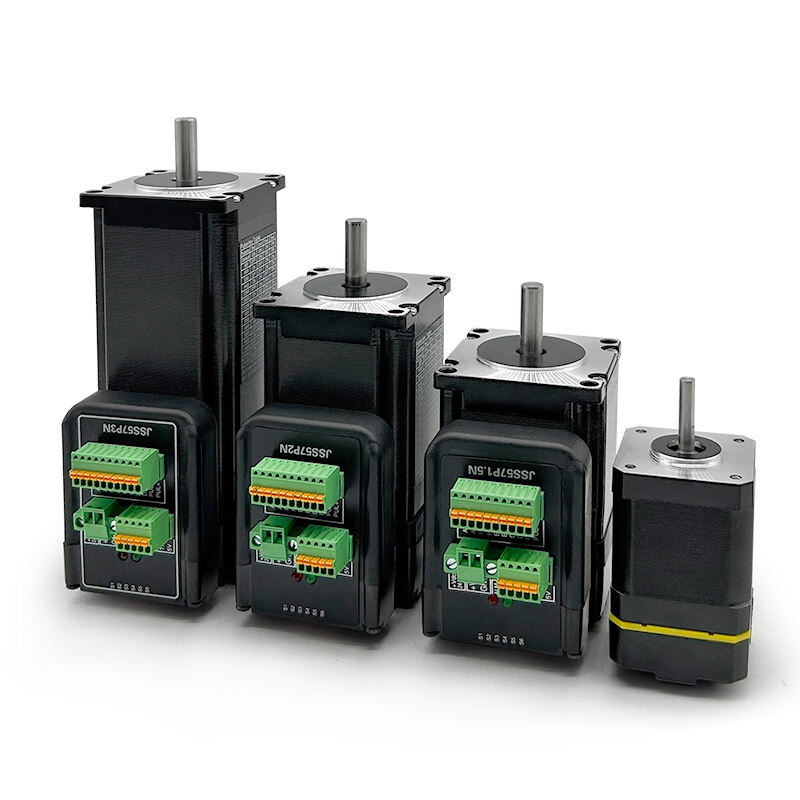
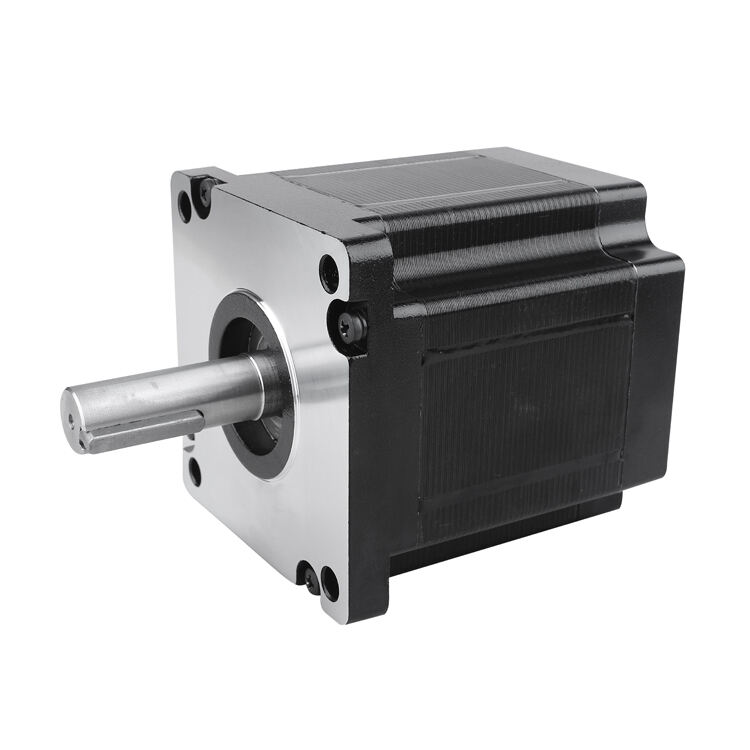
Understanding stepper motor failure symptoms is crucial for maintaining optimal performance in precision automation systems. Stepper motors serve as fundamental components in countless industrial applications, providing precise rotational control through electromagnetic coil activation. These motors excel in applications requiring exact positioning, controlled speed, and reliable repeatability. The main functions of stepper motors include converting digital pulse signals into mechanical rotation, maintaining holding torque when stationary, and delivering consistent angular movement without feedback sensors. Technological features encompass high torque-to-inertia ratios, excellent low-speed performance, and inherent position accuracy. Applications span 3D printers, CNC machines, robotic systems, medical equipment, automotive components, and textile machinery. Recognizing stepper motor failure symptoms becomes essential for preventing costly downtime and ensuring continuous operation. Common failure indicators include irregular stepping patterns, excessive heat generation, unusual noise levels, vibration anomalies, and reduced torque output. Temperature-related stepper motor failure symptoms often manifest as thermal shutdowns or performance degradation under load conditions. Electrical failure symptoms may present as coil resistance variations, insulation breakdown, or driver circuit malfunctions. Mechanical wear symptoms typically involve bearing deterioration, shaft misalignment, or rotor imbalance issues. Early detection of stepper motor failure symptoms enables proactive maintenance scheduling, reduces repair costs, and prevents cascading system failures. Monitoring techniques for identifying stepper motor failure symptoms include thermal imaging, vibration analysis, electrical testing, and performance benchmarking. Understanding these symptoms helps technicians implement preventive measures, optimize operating conditions, and extend motor lifespan. Professional diagnosis of stepper motor failure symptoms requires systematic evaluation of electrical parameters, mechanical components, and environmental factors affecting motor performance.